Cookstown Dental Centre
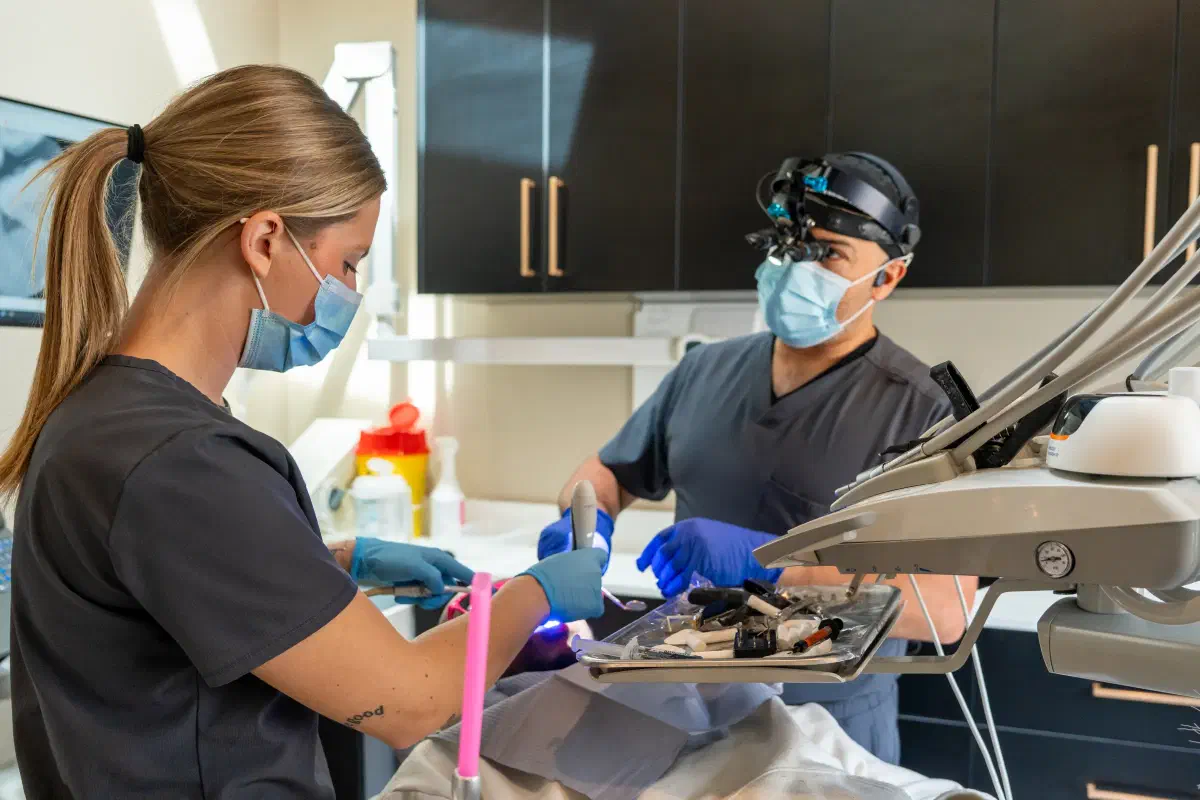
The Cookstown Dental Centre team caring for a patient in a treatment room

Restorative Dentistry · Cookstown

Complete the implant with a crown planned for fit, contacts, and care.

Implant crown placement follows assessment of healing and the supporting components. Explore records, crown design, fitting, bite checks, and daily maintenance.

Request an appointment

Let’s find a time that works.

Need urgent dental help? Call (705) 291-2222.

Implant Crown Placement in Cookstown

The final tooth needs its own clinical checks after the implant stage.

An implant crown is the visible replacement tooth connected to an implant through the planned component system. Its placement is a restorative stage, distinct from surgery to place the implant in bone. Before proceeding, the clinician assesses whether the site and components are ready and whether the planned crown fits the current tissues, space, and bite.

At Cookstown Dental Centre, we coordinate the crown with the implant information and the restorative goal. Shape and shade are considered alongside cleaning access, contacts, and the method of retention. A successful surgical stage does not automatically guarantee that every crown design will be appropriate. The fitting appointment and ongoing maintenance remain important parts of completing and caring for the replacement tooth.
A dentist demonstrating a crown over an implant model to a patient

Care that fits

Confirm readiness and the information needed for restoration.

The crown should be made around a clinically assessed implant and current tissues.

Healing and site condition

The clinician reviews relevant findings before the restorative stage and obtains records where indicated. The decision is not based only on the elapsed time since surgery. If the tissues or support need further care, that should be addressed before the final crown is treated as the next automatic step.

Implant and component details

The system and appropriate connecting components need to be identified, particularly when surgery was provided elsewhere. Bring available documentation. Compatibility is essential to planning, and the clinician should not assume that a crown can be attached using interchangeable parts based only on a visible implant site.

The intended tooth and adjacent work

Neighbouring restorations, space, gum contours, and the opposing bite influence design. Mention planned whitening or other dental treatment before final shade and shape decisions. Coordinating those goals can help avoid making a crown that no longer fits the intended appearance or contacts shortly afterward.

What we consider

Design a crown that can function and be cleaned.

A natural-looking surface is only one requirement of the restoration.

Shape near the gum

The contour should suit the tissues and provide practical access for hygiene. A crown can look attractive from the front while being difficult to clean underneath or between contacts. The clinician assesses those areas and explains any limitations imposed by implant position or the available space.

Neighbouring contacts and bite

The crown needs appropriate contact with adjacent and opposing teeth. Food trapping, excessive pressure, or a bite that feels high should be reviewed. An implant restoration does not behave exactly like a natural tooth, so its contacts need professional planning rather than being judged only by how tightly it fits the gap.

Material and visible appearance

The selected material and shade should suit the clinical design and your expectations. Tissue levels and the implant position can influence the result. A close match may be possible, but the provider should explain uncertainty rather than guarantee that every implant crown will be indistinguishable from a natural tooth.

Understanding the options

Understand how the crown will be retained.

The connection method affects design and future servicing, and the choice is individualized.

A screw-retained design where appropriate

A planned screw connection can provide a route for clinician-managed removal when needed. Access position and other design factors matter. The provider explains the proposed system and maintenance implications; patients should never attempt to open the access or tighten the component themselves.

A cement-retained or other planned connection

Some designs use cement or a different component arrangement according to the case. Fit, tissue management, and professional handling remain important. Ask why the method is proposed and how later assessment or removal would be managed rather than assuming one retention approach is universally superior.

The appointment

Record, fit, and review the crown in the mouth.

The restorative workflow follows the implant system and current clinical findings.

  1. Take the required restorative records

    An impression, digital scan, bite record, and shade information may be used as appropriate. The clinician verifies that the records capture the needed relationship. A digital workflow can assist fabrication, but it does not replace clinical checks of the components, tissues, and proposed design.

  2. Assess and secure the finished crown

    The crown is checked for fit, contacts, appearance, and the planned connection before completion. The clinician uses the system-appropriate technique and manages the access or margins. Let the provider know if the tooth feels different when biting so the contact can be assessed rather than tested at home.

  3. Review comfort and care instructions

    You receive guidance on cleaning, initial use, and follow-up. Any temporary restoration or appliance arrangements are updated. A retainer or protective guard may need checking if the tooth contour changed, and ongoing implant review should be clear before the restorative phase is considered complete.

Good to know

Maintain the crown and the tissues supporting it.

A finished crown does not remove the implant’s need for ongoing care.

Clean the specific design effectively

Ask for a demonstration of the appropriate brushing and interdental method. If a space is difficult to reach, explain the problem. The routine should suit the actual contour and your dexterity rather than rely on general advice that cannot be performed around the restoration.

Report tissue or mechanical changes

Contact the clinic about bleeding, swelling, movement, clicking, or a changed bite. The issue may involve the crown, connection, or surrounding tissues. An assessment identifies the affected part; do not assume every loose feeling means the implant itself has failed or attempt a repair yourself.

Frequently asked questions

Questions about implant crown placement

Is crown placement the same appointment as implant surgery?

Not necessarily. Implant placement and restoration are separate stages, although selected plans may include an early temporary tooth. Readiness for the final crown depends on the clinical situation. Ask for the actual sequence rather than assuming the word implant includes every stage at once.

How does the dentist know the implant is ready for a crown?

The clinician reviews healing, tissues, support, and relevant records according to the case. Elapsed time alone is not the only criterion. If a concern remains, further assessment or treatment may be needed before definitive restoration.

Will the implant crown match my other teeth?

The material, shade, contour, tissues, and implant position all influence appearance. A close match can be planned, but an exact result cannot be guaranteed. Discuss your expectations and any other cosmetic treatment before fabrication.

What is the difference between a screw-retained and cemented crown?

They use different retention designs with different planning and servicing considerations. The clinician explains which is appropriate and why. Neither term alone determines the quality of the restoration or removes the need for careful fit and maintenance.

Can I chew normally immediately after the crown is fitted?

Follow the instructions for your specific restoration and treatment stage. The provider will explain any initial limits. Do not assume that advice for a temporary crown, an early implant restoration, and a healed definitive crown is identical.

What if the bite feels high afterward?

If the implant crown seems to hit before your other teeth, tell the provider which movement brings on the pressure. A contact check can establish whether an adjustment is needed. Repeated hard chewing is not a safe way to make a new implant restoration settle.

Does the crown need special cleaning?

It needs a method suited to its contour and access, with ongoing professional review. Ask for a demonstration and report areas you cannot clean. The implant cannot develop a cavity, but surrounding tissues can still become diseased.

Real patient results

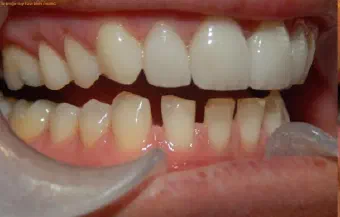
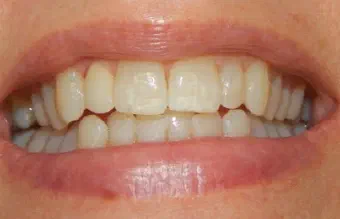
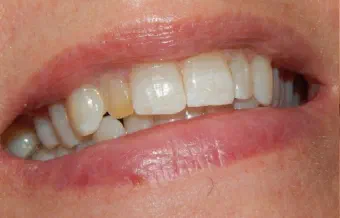
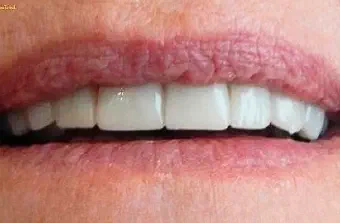
Before & after smile gallery.

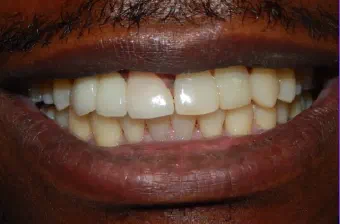
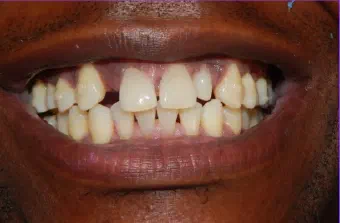
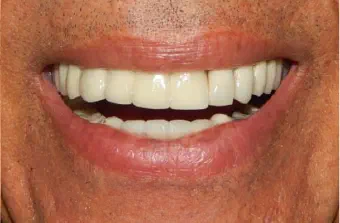
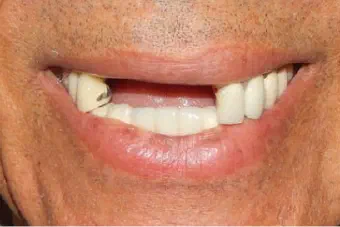
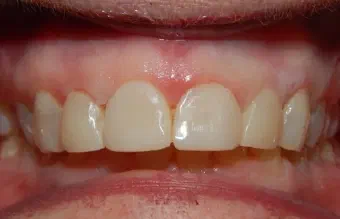
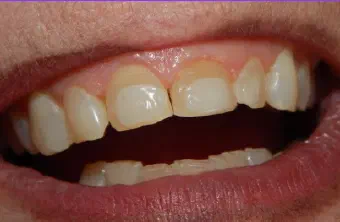
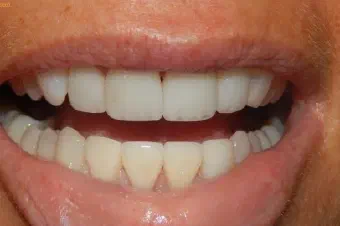
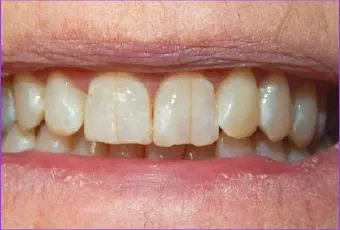
Drag the centre line to compare each real case treated by our dental team. Every smile begins with a personal assessment and a plan shaped around the patient.

Areas We Serve

Neighbourhood dental care, close to home.

Located in Cookstown, Innisfil, our dental team welcomes patients from communities across South Simcoe, Barrie, and northern York Region.

Get directions
  • Cookstown
  • Innisfil
  • Simcoe
  • Lake Simcoe
  • Alcona
  • Stroud
  • Lefroy–Belle Ewart
  • Gilford
  • Churchill
  • Sandy Cove
  • Innisfil Heights
  • Fennell’s Corners
  • Bradford
  • Bradford West Gwillimbury
  • Bond Head
  • Newton Robinson
  • New Tecumseth
  • Alliston
  • Beeton
  • Tottenham
  • Adjala–Tosorontio
  • Everett
  • Loretto
  • Barrie
  • Essa
  • Thornton
  • Baxter
  • Angus
  • Egbert
  • Ivy
  • Utopia
  • York Region
  • East Gwillimbury
  • Queensville
  • Holland Landing
  • Sharon
  • Schomberg
  • Nobleton

Don’t see your community listed? Contact us—we regularly welcome patients from throughout the surrounding region.

Google reviews

Kind words from our patients.

Read what patients have shared about their visits to Cookstown Dental Centre.

A dentist having a friendly consultation with a patient in a bright dental clinic

Your next step

Ready to feel good about your next dental visit?

Whether you are new to the clinic or returning for care, our team is here to make booking simple and answer your questions.

Call Book Now WhatsApp

How can we help?

The Cookstown Dental team is here for you.

Need an appointment, have a question, or want to talk through your options? Choose the next step that works best for you.

Send us a note

We’ll get back to you as soon as we can.