Cookstown Dental Centre
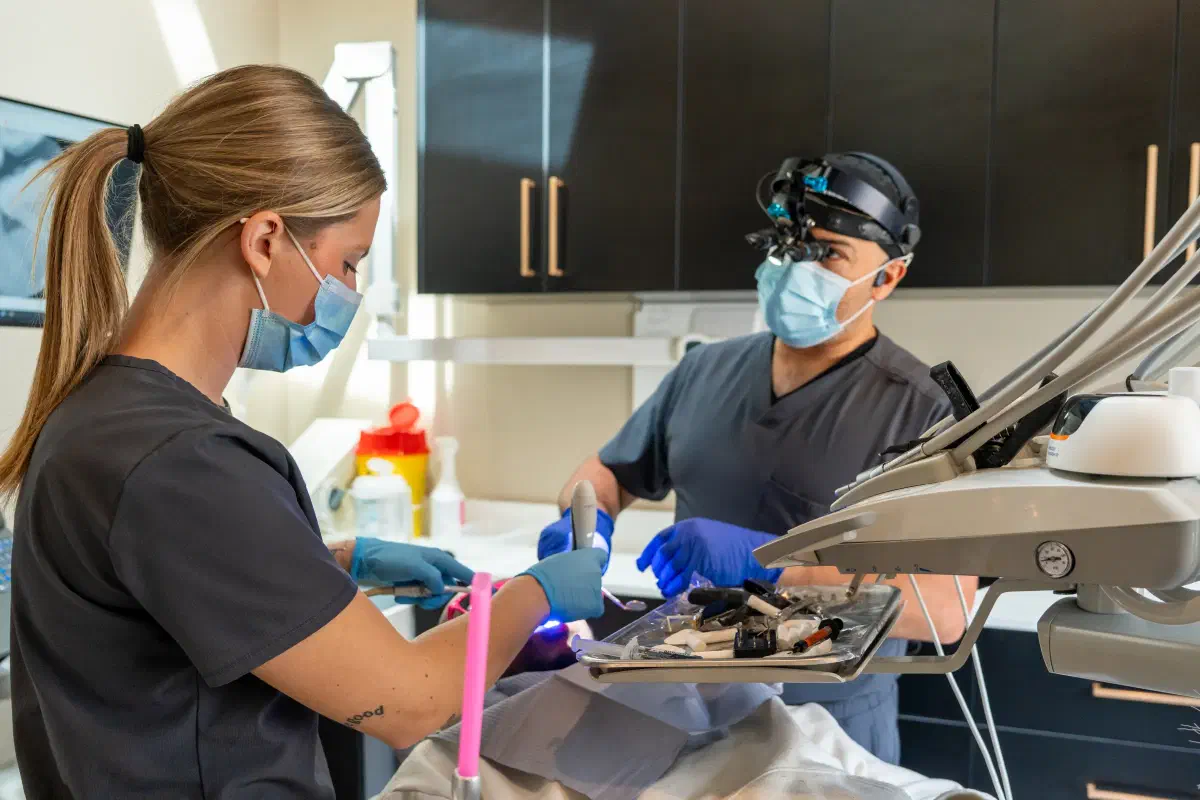
The Cookstown Dental Centre team caring for a patient in a treatment room

Restorative Dentistry · Cookstown

Renew the crown while assessing what supports it.

Replacing an implant crown starts with its fit, connection, and surrounding tissues. Discuss material choices, existing components, and ongoing care in Cookstown.

Request an appointment

Let’s find a time that works.

Need urgent dental help? Call (705) 291-2222.

Implant Crown Replacement in Cookstown

A worn implant crown does not automatically mean a new implant.

An implant crown is the visible tooth attached to an implant through a connecting component. Damage, wear, an unsatisfactory contour, or a problem with the connection may lead to replacement of that crown. The implant in the bone is assessed separately: replacing the visible restoration does not automatically require removing a healthy implant.

The useful starting point is understanding why the existing crown needs attention. A new crown should address the underlying problem where possible, rather than reproduce a difficult cleaning space or an unsuitable contact. At Cookstown Dental Centre, assessment includes your symptoms, the surrounding tissues, the bite, and the available implant records. These findings help clarify whether the work involves the crown alone, additional components, or a wider treatment plan.
A dentist discussing an implant crown replacement with a patient

Good to know

Describe what has changed since the crown was fitted.

Different concerns can point to different parts of the restoration.

A change in appearance or surface

A chip, worn surface, or mismatch with adjacent teeth may involve the crown material. The dentist examines the extent and location before discussing repair or replacement. A cosmetic concern can be important without indicating that the implant is failing, and the options should reflect that distinction.

Movement, tenderness, or food trapping

These symptoms need an examination of the connection, contacts, tissues, and implant support. Simply ordering a new crown may not resolve them. Explain when the change began and whether biting, cleaning, or particular foods make it noticeable so the assessment can focus on the relevant relationships.

What we consider

Check the foundation before selecting a new material.

Replacing the visible tooth is only useful when the supporting conditions are understood.

Implant and tissue health

The clinician assesses the gums and supporting bone as indicated, comparing previous records when available. Inflammation or changes in support may need separate management. A new crown cannot be expected to treat tissue disease by itself, although improving cleaning access can be part of a broader plan.

The existing connection

The implant system, connecting component, and retention method influence compatibility and replacement options. Records from the original treatment can be helpful. An unfamiliar or discontinued component may require additional investigation rather than an assumption that any crown or screw can be fitted to the implant.

Bite and neighbouring teeth

Wear, tooth movement, and changes in opposing restorations can affect the design. The dentist reviews contact relationships and available space. If the original crown failed repeatedly, the pattern deserves attention before selecting another material or recreating the same shape without addressing the contributing factors.

Understanding the options

Choose between a focused repair and a replacement crown.

The extent of the defect and the condition of the remaining restoration guide this discussion.

Keep a serviceable crown when appropriate

A limited defect or a repairable connection problem may have an option that preserves the crown. The clinician explains the likely limits, appearance, and maintenance implications. Preserving the existing restoration is reasonable only when its fit, condition, and function still support that approach.

Replace when the current crown cannot meet the need

Extensive damage, unsuitable contours, or an uncorrectable fit may favour replacement. The plan should specify which components can remain and which need changing. Ask how removal will be managed and whether a temporary restoration is appropriate while the definitive crown is prepared.

Step by step

Move from records to a checked final fit.

The sequence depends on the existing restoration and the findings during removal.

  1. Identify and plan the component arrangement

    Available records, imaging when indicated, and clinical examination establish the proposed connection and restoration. The provider explains any uncertainties before starting. If the original crown must be removed to complete the assessment, discuss how a change in findings could alter the plan or timing.

  2. Record the tooth shape and relationships

    An impression or scan, shade information, and bite records help create the replacement. Discuss visible details before fabrication, including the neighbouring teeth and any planned whitening. A different material can be considered, but its suitability depends on space, function, and the overall design.

  3. Verify the result and the cleaning route

    The finished crown is assessed for connection, contacts, bite, appearance, and tissue relationships. Instructions should show how to clean around its actual shape. A guard or retainer may also need review if the contour changed, rather than being forced over the new restoration.

Planning together

Make the replacement easier to maintain.

The completion visit should leave you with clear information for future care.

Keep the treatment details accessible

Ask what implant system and crown arrangement are present and retain useful records. This information can help another clinician identify compatible parts later. It does not replace an examination, but it can reduce uncertainty if you move, change providers, or need an unexpected repair away from home.

Report changes without testing the crown repeatedly

Movement, clicking, bleeding, swelling, or a changed bite deserve assessment. Avoid chewing hard foods on a restoration that feels loose and do not attempt to tighten it. Early review can help identify whether a new problem involves the crown, its connection, or the tissues around the implant.

Frequently asked questions

Questions about implant crown replacement

Can the implant stay when its crown is replaced?

Often the implant and the visible crown can be assessed separately. A healthy, usable implant may remain while its restoration changes. The examination determines whether the problem is limited to the crown or also affects components, tissues, or support.

Will my old implant records be useful?

Yes. The implant system, component details, and previous treatment records can help identify compatible parts. Bring what you have or arrange record transfer. Missing records do not automatically prevent treatment, but they can add investigation and planning time.

Can a chipped implant crown be repaired instead?

Some defects may be repairable, depending on their size, location, material, and the crown’s overall condition. Repair has limits. The dentist should explain those limits alongside replacement rather than treating every chip as an automatic reason for a new crown.

Does a different crown material solve repeated breakage?

Not necessarily. Available space, bite forces, supporting components, and design also matter. A material change may be useful, but repeated failure warrants an assessment of the broader cause before another restoration is made.

Will I need a temporary tooth?

That depends on the location, removal procedure, and treatment sequence. Discuss appearance and function before work begins. A temporary option may have different cleaning and chewing instructions from the final crown and is not always appropriate in every case.

Can replacement improve food trapping?

A revised contact or contour may help when the crown design contributes to the problem. Other causes, including tissue changes or movement of neighbouring teeth, also need assessment. Improvement should be planned around the identified cause rather than promised in advance.

How long should the replacement last?

There is no guaranteed lifespan. Component condition, bite, material, cleaning, and ongoing review all influence service. Ask about maintenance needs and report changes promptly rather than relying on a fixed number of years as a substitute for assessment.

Real patient results

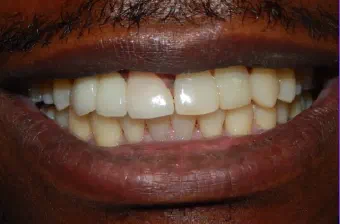
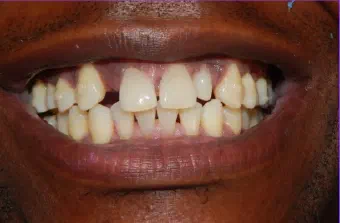
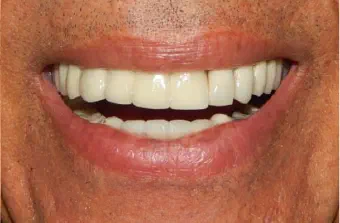
Before & after smile gallery.

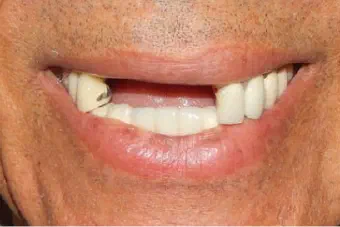
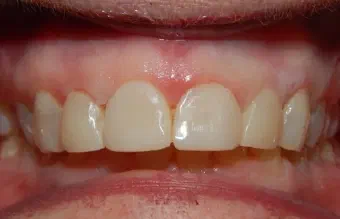
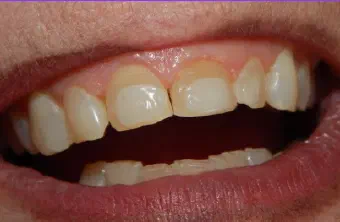
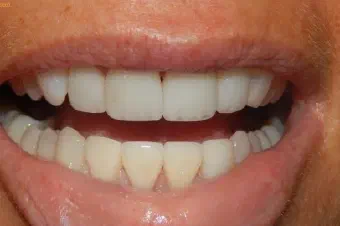
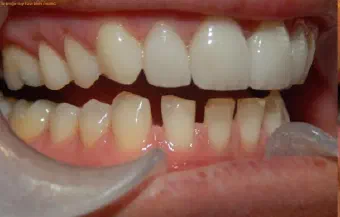
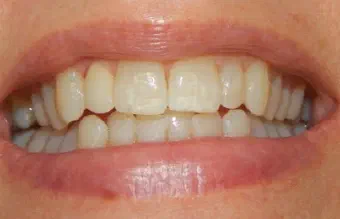
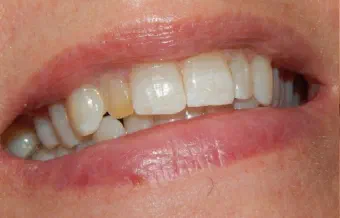
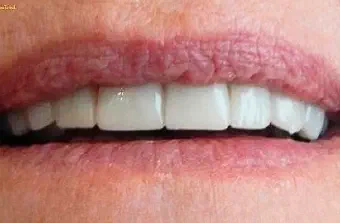
Drag the centre line to compare each real case treated by our dental team. Every smile begins with a personal assessment and a plan shaped around the patient.

Areas We Serve

Neighbourhood dental care, close to home.

Located in Cookstown, Innisfil, our dental team welcomes patients from communities across South Simcoe, Barrie, and northern York Region.

Get directions
  • Cookstown
  • Innisfil
  • Simcoe
  • Lake Simcoe
  • Alcona
  • Stroud
  • Lefroy–Belle Ewart
  • Gilford
  • Churchill
  • Sandy Cove
  • Innisfil Heights
  • Fennell’s Corners
  • Bradford
  • Bradford West Gwillimbury
  • Bond Head
  • Newton Robinson
  • New Tecumseth
  • Alliston
  • Beeton
  • Tottenham
  • Adjala–Tosorontio
  • Everett
  • Loretto
  • Barrie
  • Essa
  • Thornton
  • Baxter
  • Angus
  • Egbert
  • Ivy
  • Utopia
  • York Region
  • East Gwillimbury
  • Queensville
  • Holland Landing
  • Sharon
  • Schomberg
  • Nobleton

Don’t see your community listed? Contact us—we regularly welcome patients from throughout the surrounding region.

Google reviews

Kind words from our patients.

Read what patients have shared about their visits to Cookstown Dental Centre.

A dentist having a friendly consultation with a patient in a bright dental clinic

Your next step

Ready to feel good about your next dental visit?

Whether you are new to the clinic or returning for care, our team is here to make booking simple and answer your questions.

Call Book Now WhatsApp

How can we help?

The Cookstown Dental team is here for you.

Need an appointment, have a question, or want to talk through your options? Choose the next step that works best for you.

Send us a note

We’ll get back to you as soon as we can.