Cookstown Dental Centre
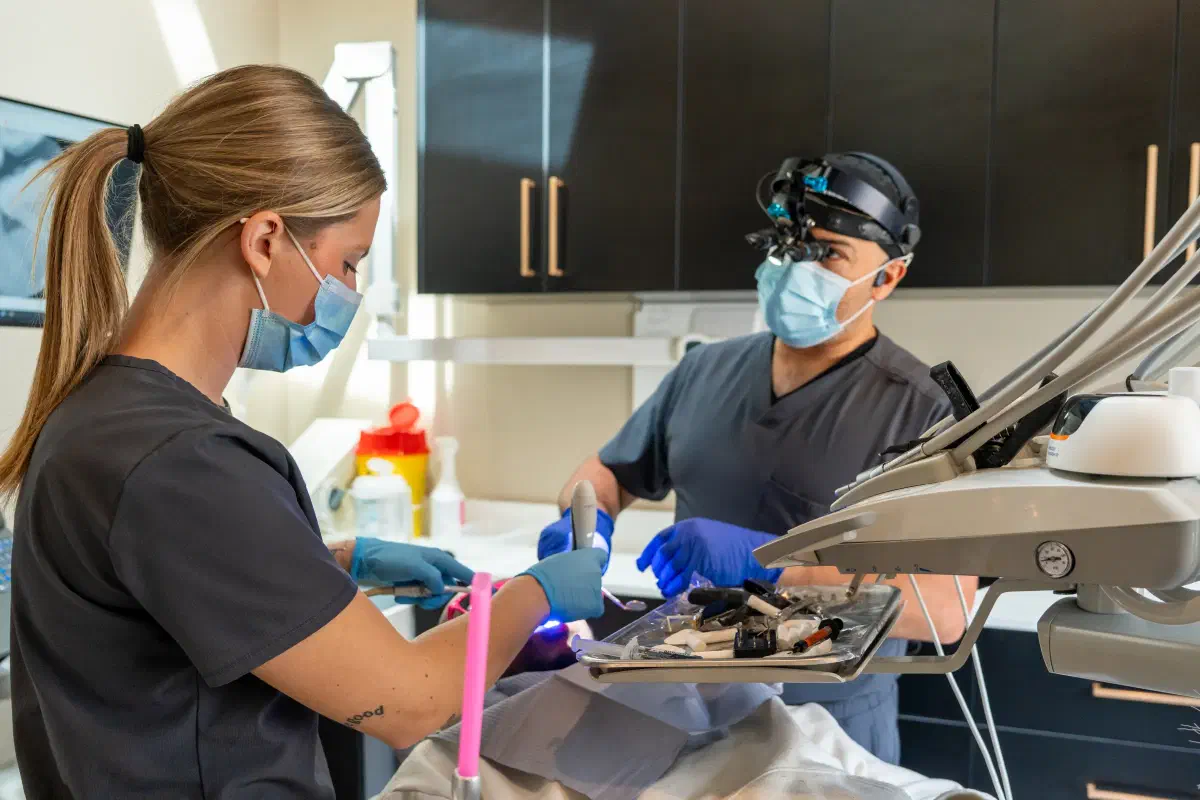
The Cookstown Dental Centre team caring for a patient in a treatment room

Restorative Dentistry · Cookstown

Maintain the denture, attachments, and implants as one system.

Implant denture maintenance checks the appliance as well as its supports. Plan cleaning access, attachment care, tissue reviews, and repairs around your design.

Request an appointment

Let’s find a time that works.

Need urgent dental help? Call (705) 291-2222.

Implant Denture Maintenance in Cookstown

Implant support adds stability and also creates new maintenance needs.

An implant denture combines an appliance with implant support or retention. Its maintenance therefore involves more than keeping the visible teeth clean. The denture base, bite, attachments or fixed connections, and the tissues around the implants all need attention over time. The exact routine depends on whether you remove the appliance yourself or it is fixed in place.

A useful maintenance plan connects the work done at home with the checks performed professionally. At Cookstown Dental Centre, we review how the restoration functions, whether its cleaning spaces are accessible, and what has changed since the previous visit. The goal is to identify problems while clarifying which part needs treatment, rather than treating every loss of comfort or stability as the same kind of repair.
A patient learning maintenance of an implant-supported denture with a dental professional

Understanding the options

Start with the way your appliance is retained.

Fixed and removable designs call for different daily handling.

A removable implant denture

You remove this appliance using the method demonstrated for its attachments. Both the denture and the implant-side components need an appropriate cleaning routine. The tissue-contacting surface and attachment recesses deserve attention, and the dentist should explain storage and wear instructions for the actual materials and clinical situation.

A fixed implant denture

This restoration stays in place for your daily care and is removed professionally when indicated. Cleaning focuses on accessible spaces around and beneath the prosthesis using suitable tools. Do not try to open screw access points or remove it yourself if a space is difficult to reach.

Care that fits

Bring daily cleaning difficulties into the conversation.

A recommended routine must be practical for the person performing it.

Reach the surfaces that collect deposits

Ask the team to demonstrate cleaning around the specific contour and connections. A tool that works well around one restoration may not fit another. If you cannot reach an area, say so; repeated difficulty may require a different method or professional review of the design.

Adapt the routine to changing ability

Reduced dexterity, vision, mobility, or memory can affect denture care. Discuss handles, positioning, caregiver support, and appointment access where relevant. A routine that was manageable several years ago may need updating, particularly if the appliance has become harder to remove or the attachments feel different.

What we consider

Review four parts of the system over time.

Maintenance separates normal servicing from problems that need treatment.

Implant tissues and support

The clinician checks for inflammatory changes and assesses support using the appropriate records and examinations. Bleeding or swelling should not be dismissed because the implant cannot develop a cavity. Tissue findings may call for focused care and monitoring beyond routine cleaning of the appliance.

Denture teeth and base

Wear, chips, cracks, and tissue adaptation can change function. The appliance is examined in the context of the bite and the supporting mouth. A local repair may be possible, but extensive wear or an unsuitable fit may require a broader discussion about relining or replacement.

Attachments and connections

Removable systems can have wearing retention parts; fixed systems have different component considerations. Movement and clicking need identification of the affected part. The provider should use compatible components and appropriate methods rather than treating all implant denture connections as interchangeable.

Your comfort and function

Food trapping, speech changes, pressure, and difficulty chewing provide useful information even when the appliance appears intact. Describe what happens during ordinary use. These concerns may reflect cleaning access, fit, contacts, or tissue health, and should guide the examination rather than being dismissed as adaptation alone.

Step by step

Use review appointments to establish a clear next step.

The visit can include monitoring, preventive care, servicing, or a treatment discussion.

  1. Compare symptoms with previous findings

    Tell the team about changes in stability, bleeding, discomfort, and handling. Existing records can help distinguish a new problem from an established feature. Relevant medical or medication changes also belong in the discussion because they may affect tissue care or the practical treatment plan.

  2. Clean and service according to the findings

    Professional deposit removal and indicated component care are selected for the restoration and tissues. Not every review needs new parts or removal of a fixed prosthesis. If additional treatment is recommended, ask which finding supports it and whether it concerns the appliance or its implant support.

  3. Set the follow-up and home-care plan

    The interval reflects the clinical findings, risk, and ability to maintain the restoration. Record any new cleaning method or handling instruction. If a separate repair or tissue appointment is needed, clarify its purpose rather than assuming the routine maintenance visit has addressed every concern.

Practical guidance

Respond to changes before they become routine frustrations.

Some symptoms need contact between scheduled maintenance visits.

Movement or a sudden change in fit

Avoid repeatedly testing a loose restoration with hard foods or forceful biting. A removable denture that will not seat should not be forced into place. Contact the clinic so the component, fit, and support can be assessed, and retain any detached parts safely.

Bleeding, swelling, or persistent soreness

These symptoms can involve the tissues around implants or pressure from an appliance. They need an assessment rather than stronger cleaning alone or an assumption that age explains the change. Seek urgent help for rapidly spreading swelling or difficulty swallowing or breathing.

Frequently asked questions

Questions about implant denture maintenance

Is implant denture maintenance the same as denture cleaning?

Cleaning is one part of maintenance. Reviews also consider implant tissues, attachments, fit, bite, and material wear. A clean-looking appliance can still have a component or support problem, so home cleaning does not replace professional assessment.

Should a fixed implant denture be removed at every visit?

Not automatically. Professional removal depends on the design and clinical indication. The clinician decides how to assess and clean the restoration appropriately. Patients should not try to remove a fixed appliance or open its connections themselves.

Can I use ordinary denture cleaner around the attachments?

The appropriate product depends on the appliance materials and attachment system. Follow the instructions provided for your restoration rather than assuming every soak is compatible. Bring the product name to an appointment if you are unsure.

Why do the gums bleed if implants cannot get cavities?

The tissues around implants can become inflamed or diseased even though the implant itself cannot decay. Bleeding deserves assessment and a review of cleaning access. It should not be considered an unavoidable feature of having an implant denture.

Will maintenance prevent every future repair?

No routine can guarantee that parts will never wear or break. Maintenance helps identify changes, support cleaning, and manage problems appropriately. The design, bite, medical factors, and everyday use also influence the need for future care.

Can a caregiver attend to learn the cleaning routine?

Yes, discuss this when arranging the visit and with the patient’s consent. Demonstrating the actual appliance can be helpful. The plan should address safe handling and the areas needing attention rather than relying only on general written instructions.

How often should I attend reviews?

The interval is individualized to the restoration, tissue findings, risk, and home-care needs. Follow the schedule agreed with your provider, and contact the clinic sooner for new symptoms. A routine date is not a reason to delay a change in stability or comfort.

Real patient results

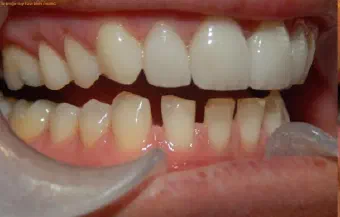
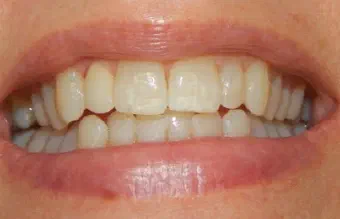
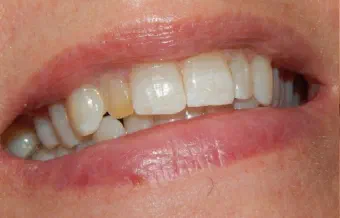
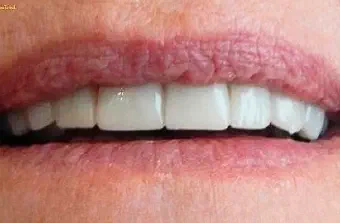
Before & after smile gallery.

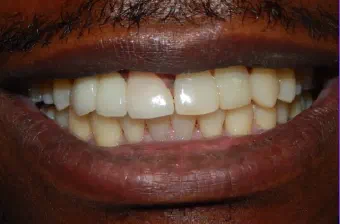
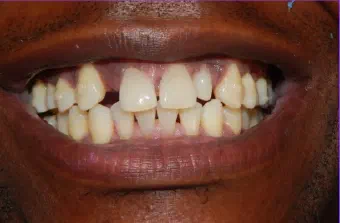
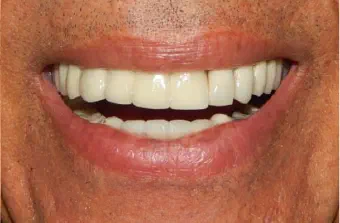
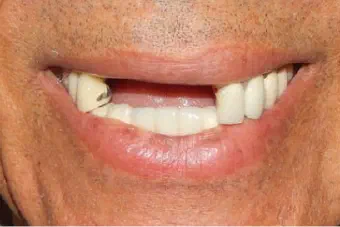
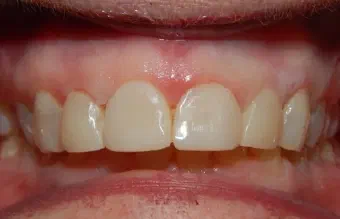
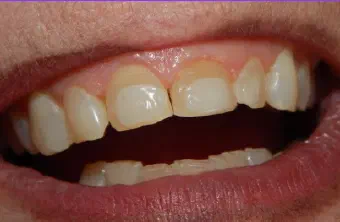
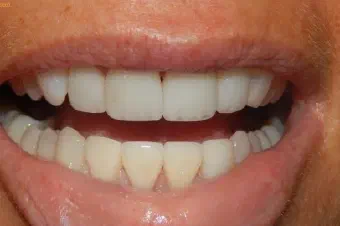
Drag the centre line to compare each real case treated by our dental team. Every smile begins with a personal assessment and a plan shaped around the patient.

Areas We Serve

Neighbourhood dental care, close to home.

Located in Cookstown, Innisfil, our dental team welcomes patients from communities across South Simcoe, Barrie, and northern York Region.

Get directions
  • Cookstown
  • Innisfil
  • Simcoe
  • Lake Simcoe
  • Alcona
  • Stroud
  • Lefroy–Belle Ewart
  • Gilford
  • Churchill
  • Sandy Cove
  • Innisfil Heights
  • Fennell’s Corners
  • Bradford
  • Bradford West Gwillimbury
  • Bond Head
  • Newton Robinson
  • New Tecumseth
  • Alliston
  • Beeton
  • Tottenham
  • Adjala–Tosorontio
  • Everett
  • Loretto
  • Barrie
  • Essa
  • Thornton
  • Baxter
  • Angus
  • Egbert
  • Ivy
  • Utopia
  • York Region
  • East Gwillimbury
  • Queensville
  • Holland Landing
  • Sharon
  • Schomberg
  • Nobleton

Don’t see your community listed? Contact us—we regularly welcome patients from throughout the surrounding region.

Google reviews

Kind words from our patients.

Read what patients have shared about their visits to Cookstown Dental Centre.

A dentist having a friendly consultation with a patient in a bright dental clinic

Your next step

Ready to feel good about your next dental visit?

Whether you are new to the clinic or returning for care, our team is here to make booking simple and answer your questions.

Call Book Now WhatsApp

How can we help?

The Cookstown Dental team is here for you.

Need an appointment, have a question, or want to talk through your options? Choose the next step that works best for you.

Send us a note

We’ll get back to you as soon as we can.