Cookstown Dental Centre
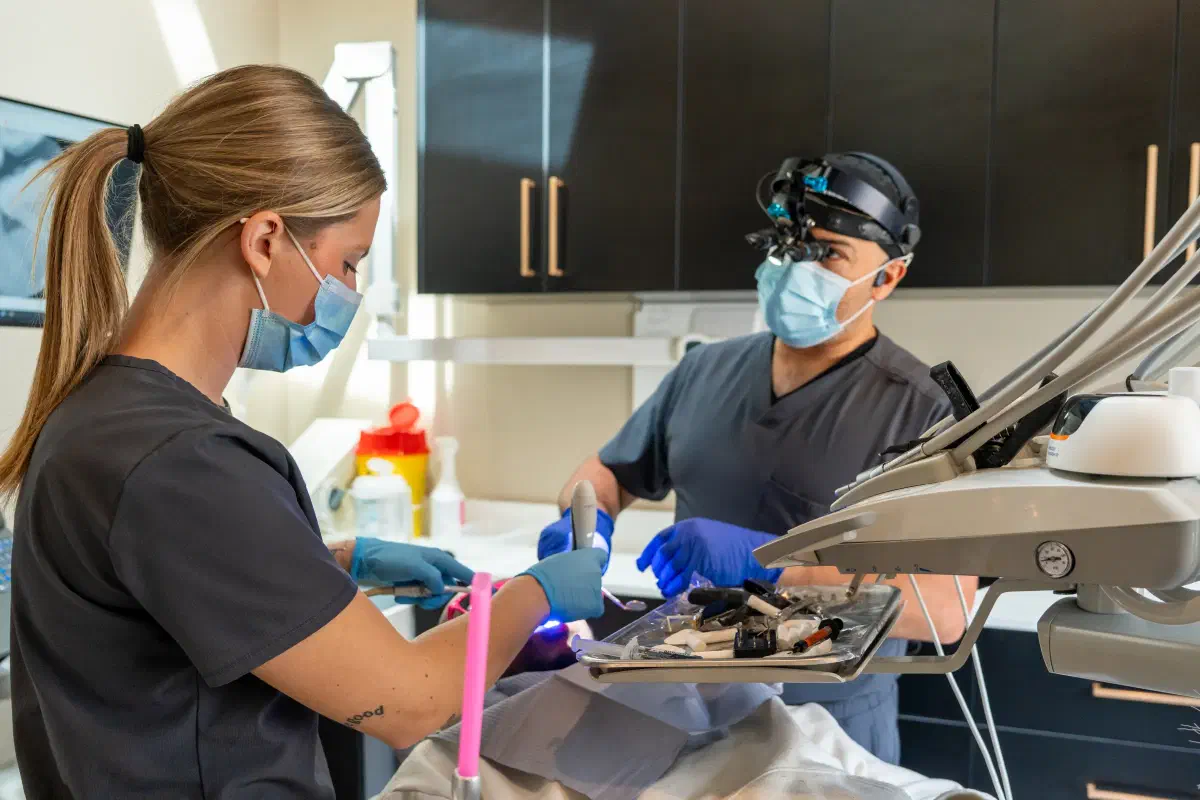
The Cookstown Dental Centre team caring for a patient in a treatment room

Restorative Dentistry · Cookstown

Explore denture stability with implant support.

Compare removable and fixed implant denture designs in Cookstown, including support requirements, daily handling, cleaning access, and ongoing maintenance.

Request an appointment

Let’s find a time that works.

Need urgent dental help? Call (705) 291-2222.

Implant-Supported Dentures in Cookstown

The right design should suit both your mouth and your daily routine.

Implants can help retain or support a denture when the clinical conditions are suitable. Some designs are removed by the patient for cleaning; others remain fixed and are removed professionally when needed. These are different arrangements with different support, space, cleaning, and maintenance requirements, even when both are described as implant-supported dentures.

At Cookstown Dental Centre, the discussion begins with your current teeth or denture, the difficulties you want to address, and what you can manage day to day. Assessment considers the tissues, bone, bite, health history, and remaining teeth. Implant treatment should not be a reason to remove maintainable teeth without discussing their prognosis and alternatives. The proposed design should be explained before a specific surgical or prosthetic sequence is chosen.
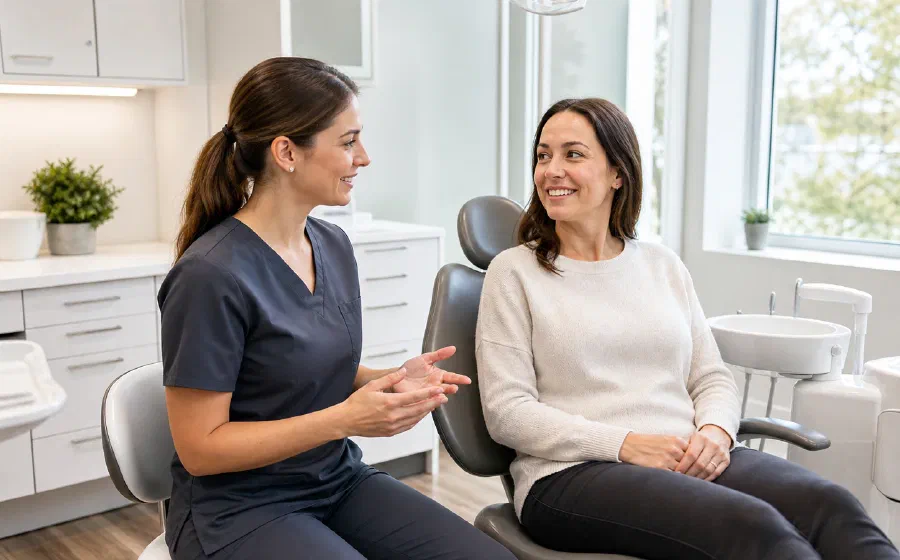
A patient comparing implant denture designs with a dentist using a model

Care that fits

Begin with the improvement you are looking for.

A clear description of the current problem helps define a useful treatment goal.

Movement during eating or speaking

Explain when the denture shifts and whether the difficulty involves the upper, lower, or both appliances. Fit and bite should be examined before assuming implants are the only answer. Some concerns may respond to conventional denture treatment, while others warrant discussion of added retention or support.

Confidence, handling, and cleaning

The ability to remove an appliance, reach underneath it, and keep attachments clean matters alongside stability. Share any concerns about hand strength, vision, or caregiver assistance. A design that sounds appealing may be difficult to maintain unless these practical needs are included from the start.

Understanding the options

Understand the difference between removable and fixed designs.

The word implant does not tell you how the denture will be handled at home.

A removable overdenture

This appliance connects to implant attachments and is removed using the demonstrated technique. Depending on the design, the tissues may still provide some support. Daily care includes the denture and the implant-side components, while periodic replacement of wearing attachment parts may be needed.

A fixed full-arch restoration

This stays in place during your daily routine and requires access around and beneath it for cleaning. Professional servicing differs from a removable arrangement. The support and space requirements are assessed individually, and the plan should explain how future examination, repair, or removal would be managed.

What we consider

Check the conditions that influence feasibility.

The preferred design must be matched to the available support and overall health.

Bone, tissues, and implant positions

The ridge is examined and appropriate imaging helps assess proposed positions. Grafting or another preparatory step may be discussed when needed. The goal is not simply to place implants where bone exists, but to support a restoration with suitable function, contour, and cleaning access.

Jaw relationships and restorative space

The position of the jaws, opposing teeth, available vertical space, and desired appearance affect the prosthesis. Lip support and speech may also be relevant. These relationships help determine whether a removable or fixed option can meet the goals without assuming both are interchangeable.

Health history and maintenance capacity

Medical conditions, medications, smoking, and previous dental disease can affect planning. Ongoing care and practical access to appointments also matter. Age alone does not answer the suitability question, and no medication should be stopped independently in preparation for a consultation or procedure.

Step by step

Build a plan that includes the transition period.

Treatment involves more than the day implants are placed.

  1. Compare the options and define the scope

    Discuss conventional denture improvements, implant designs, and any other reasonable alternatives. The estimate should distinguish surgery, prosthetic work, temporary arrangements, and anticipated maintenance. If another provider is involved, clarify responsibilities and the records needed to coordinate care.

  2. Plan surgery, healing, and interim use

    The sequence depends on the tissues and proposed restoration. An existing denture may need modification or limits during healing, and a new temporary appliance may be considered. Immediate fixed teeth are not guaranteed simply because implants are part of the plan.

  3. Fit, practise, and review

    The final appliance is assessed for fit, contacts, appearance, and care access. Practise the daily handling or cleaning method before leaving. Follow-up evaluates comfort and function, while longer-term reviews monitor the implants, tissues, attachments, and prosthetic materials as a connected system.

Good to know

Prepare for the responsibilities after treatment.

Improved stability does not remove the need for daily care and future servicing.

Learn the specific cleaning routine

Request a demonstration with tools that fit the design and your ability. A removable denture and a fixed arch need different methods. If a space is inaccessible or removal becomes difficult, contact the team rather than avoiding the area or forcing the appliance.

Report changes and keep component records

Bleeding, swelling, movement, clicking, or a new pressure point deserve review. Retain implant and prosthesis information for future care. Repairs may involve the appliance or attachments without replacing the implants, but that distinction requires an examination of the actual problem.

Frequently asked questions

Questions about implant-supported dentures

Are implant-supported dentures always fixed?

No. The term can describe different arrangements, including removable overdentures and fixed full-arch restorations. Ask exactly how the proposed appliance is retained, who removes it, and how it will be cleaned and maintained in your case.

Can my current denture be attached to implants?

Sometimes an existing appliance may be adaptable, but its condition, fit, design, and available space must be assessed. It should not be assumed suitable simply because it is relatively new. A new prosthesis may be part of the plan.

How many implants would I need?

The number depends on the jaw, bone, planned restoration, bite, and other clinical factors. There is no universal number for every denture. A recommendation follows assessment and should be connected to the specific prosthetic design being proposed.

Do implants eliminate the need for denture maintenance?

No. Denture materials, attachments, connections, and surrounding tissues still need ongoing care. Some components can wear and require servicing. The maintenance routine differs by design, so discuss both daily care and professional review before choosing an option.

Is age a reason I cannot have this treatment?

Age alone does not determine suitability. Health, medications, bone and tissue conditions, treatment goals, and the ability to maintain the restoration are considered. The assessment should focus on those factors rather than a birthday cutoff.

Will all remaining teeth need to be removed?

Not automatically. Remaining teeth should be assessed individually and within the overall plan. Their prognosis and preservation options should be discussed before extraction decisions are made, rather than assuming an implant denture requires removal of every tooth.

Can I have a removable option if I prefer easier cleaning?

A removable design may be considered when clinically suitable, but its handling and cleaning still require assessment. Explain your priorities and any dexterity concerns. The choice should balance support, daily care, function, and the practical demands of the available designs.

Real patient results

Before & after smile gallery.

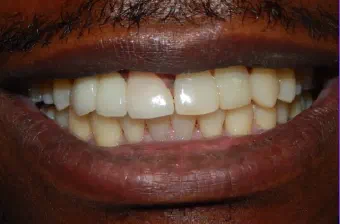
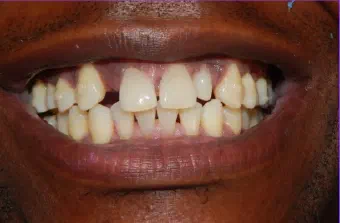
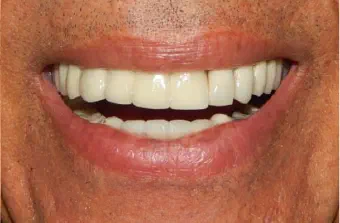
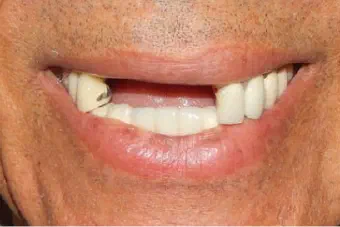
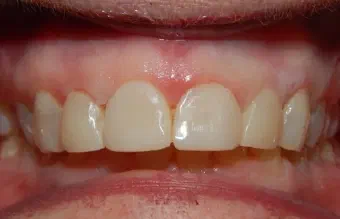
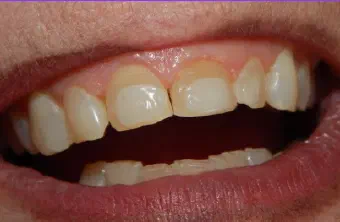
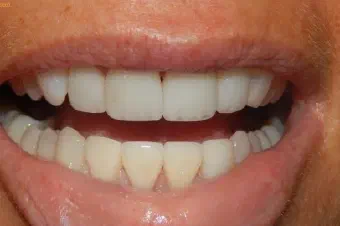
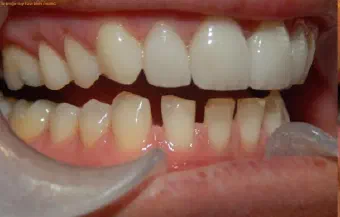
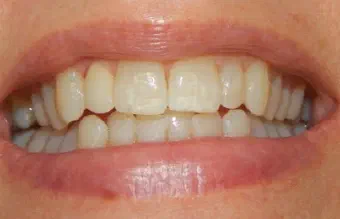
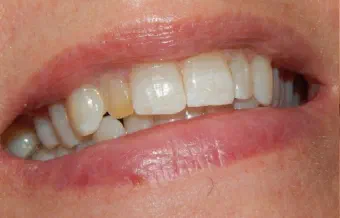
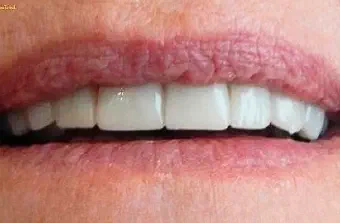
Drag the centre line to compare each real case treated by our dental team. Every smile begins with a personal assessment and a plan shaped around the patient.

Areas We Serve

Neighbourhood dental care, close to home.

Located in Cookstown, Innisfil, our dental team welcomes patients from communities across South Simcoe, Barrie, and northern York Region.

Get directions
  • Cookstown
  • Innisfil
  • Simcoe
  • Lake Simcoe
  • Alcona
  • Stroud
  • Lefroy–Belle Ewart
  • Gilford
  • Churchill
  • Sandy Cove
  • Innisfil Heights
  • Fennell’s Corners
  • Bradford
  • Bradford West Gwillimbury
  • Bond Head
  • Newton Robinson
  • New Tecumseth
  • Alliston
  • Beeton
  • Tottenham
  • Adjala–Tosorontio
  • Everett
  • Loretto
  • Barrie
  • Essa
  • Thornton
  • Baxter
  • Angus
  • Egbert
  • Ivy
  • Utopia
  • York Region
  • East Gwillimbury
  • Queensville
  • Holland Landing
  • Sharon
  • Schomberg
  • Nobleton

Don’t see your community listed? Contact us—we regularly welcome patients from throughout the surrounding region.

Google reviews

Kind words from our patients.

Read what patients have shared about their visits to Cookstown Dental Centre.

A dentist having a friendly consultation with a patient in a bright dental clinic

Your next step

Ready to feel good about your next dental visit?

Whether you are new to the clinic or returning for care, our team is here to make booking simple and answer your questions.

Call Book Now WhatsApp

How can we help?

The Cookstown Dental team is here for you.

Need an appointment, have a question, or want to talk through your options? Choose the next step that works best for you.

Send us a note

We’ll get back to you as soon as we can.