Cookstown Dental Centre
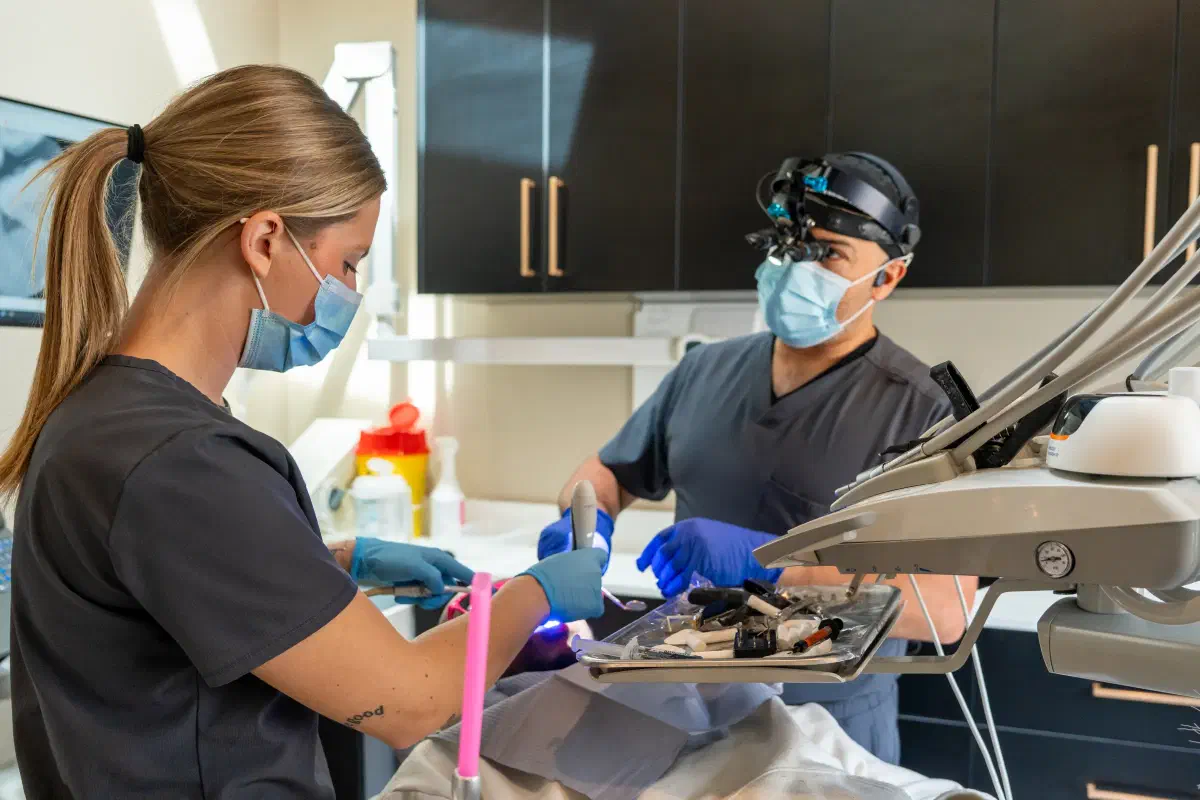
The Cookstown Dental Centre team caring for a patient in a treatment room

Specialized Care · Cookstown

Remove an infected tooth when that is the appropriate way to treat the source.

Infected-tooth extraction begins with diagnosis and a preservation discussion. Understand source control, medication decisions, surgical planning, and recovery.

Request an appointment

Let’s find a time that works.

Need urgent dental help? Call (705) 291-2222.

Infected Tooth Extraction in Cookstown

Infection does not automatically rule out saving the tooth.

An infected tooth may be considered for extraction when its structure or support makes preservation unsuitable, or when removal is the appropriate informed choice after discussing the alternatives. Other infected teeth may be treatable with endodontic or periodontal care. The decision should identify both the source of infection and the tooth’s overall prognosis.

At Cookstown Dental Centre, the plan accounts for the extent of swelling, medical history, root anatomy, and the treatment setting needed. Antibiotics are not a universal prerequisite for extraction, and they do not replace the procedure required to address the source. Some situations can be managed within dental care, while spreading infection or serious symptoms require urgent escalation. The extraction decision and recovery instructions should be explained in relation to the actual findings.
A dentist explaining removal and replacement considerations for an infected tooth

What we consider

Identify the source and decide whether the tooth is restorable.

A tooth can be infected for different reasons and have different preservation options.

Disease within the tooth and around its root

Decay, cracks, or previous treatment problems can affect the pulp and surrounding tissues. Tests and appropriate images help establish the diagnosis. If sound structure and support remain, root canal care or retreatment may be considered rather than assuming infection alone makes the tooth beyond treatment.

Periodontal support and combined problems

An infection associated with advanced support loss or a combined tooth and gum problem can change prognosis. The dentist assesses the periodontal findings and mobility alongside the tooth structure. Treatment should be based on that combination rather than the position of a swelling or the presence of drainage alone.

The extent of structural damage

A severe fracture, deep defect, or unsuitable root may limit the possibility of a durable restoration. The clinician explains why extraction is recommended and what preservation would involve if it remains reasonable. The comparison should include the complete restored tooth, not only whether a canal procedure is technically possible.

Understanding the options

Separate medication from definitive source treatment.

Each is considered for the role it can actually provide.

A procedure to manage the source

Extraction removes the affected tooth when that is the selected plan, with site management according to the clinical situation. In other cases, preservation treatment addresses the source instead. The provider explains what the procedure is intended to accomplish and whether further drainage or additional care is needed.

Antibiotics according to infection and medical findings

Spreading infection, systemic involvement, and individual health factors may justify antibiotics or hospital care. They are not automatically required for every localized infection and should not become the sole long-term treatment. If symptoms worsen while taking them, seek reassessment rather than wait for the course to end.

Planning together

Plan the extraction around anatomy, health, and urgency.

The correct setting matters as much as the decision to remove the tooth.

Assess roots and surgical requirements

Examination and imaging help determine the anticipated access and relationships to nearby structures. A simple-looking tooth can have a complex root or other concern. The clinician discusses whether the extraction is likely to be straightforward, surgical, or better managed through referral.

Review medicines and significant symptoms

Provide an accurate medication list and describe fever, swelling progression, difficulty opening, and other health changes. Do not stop blood thinners or alter prescribed therapy independently. Breathing or swallowing difficulty, eye involvement, or rapidly spreading facial or neck swelling requires emergency medical assessment rather than an ordinary extraction booking.

Step by step

Connect the removal with appropriate site care and follow-up.

The infected area needs recovery guidance as well as the procedure itself.

  1. Confirm consent, comfort measures, and the plan

    The provider explains the diagnosis, alternatives, risks, and expected sequence. Local anaesthesia and any additional comfort arrangements are discussed according to suitability. If sedation is considered, confirm the preparation and provider arrangements rather than assume it can be added immediately to every urgent visit.

  2. Remove the tooth and manage the site

    The procedure follows the anatomy and clinical findings, with any additional local measures as indicated. The clinician explains sutures, bleeding control, and the specific recovery instructions. Do not assume a graft or immediate implant is automatically suitable in the site because future replacement is desired.

  3. Review symptoms and plan later replacement where appropriate

    Follow-up evaluates recovery and any remaining concern. A missing-tooth replacement can be discussed according to the location, support, and goals after the urgent phase is addressed. The timing should reflect the site and chosen option rather than promise a final tooth on the extraction day.

Practical guidance

Follow the recovery plan and respond to changes promptly.

Source treatment is important, but new symptoms still require attention.

Protect the site using the given instructions

Follow advice about cleaning, eating, smoking, activity, and prescribed medicines. Avoid placing home remedies in the socket or attempting forceful cleaning before instructed. If a denture or temporary replacement contacts the area, confirm how it should be used during healing rather than wear it unchanged.

Report deterioration rather than assuming infection is finished

Increasing swelling, fever, uncontrolled bleeding, or pain that worsens after initial improvement needs contact. Emergency warning signs require urgent medical care. The fact that the tooth has been removed should not be used to dismiss another postoperative problem or spread of infection that still needs assessment.

Frequently asked questions

Questions about infected tooth extraction

Does an infected tooth always have to be extracted?

No. Some teeth can be preserved with appropriate root canal, retreatment, or periodontal care if their structure and support are suitable. The dentist explains the diagnosis and prognosis before comparing preservation with removal.

Must I take antibiotics before an infected tooth can be removed?

Not in every case. The extent of infection, systemic symptoms, medical history, and treatment conditions guide the sequence. Antibiotics are not a universal prerequisite and do not replace source treatment. Follow the clinician’s plan for the specific situation.

Will removing the tooth guarantee immediate relief?

Source treatment may help, but recovery varies and surgical discomfort can occur. The provider explains what to expect and which symptoms need review. Complete immediate relief should not be promised, and worsening swelling or systemic symptoms require reassessment.

Can an implant be placed immediately afterward?

Only selected sites may be suitable, and infection, bone, stability, and the restorative plan affect that decision. It should not be assumed as part of every infected-tooth extraction. Healing or additional treatment may be needed before another implant assessment.

Should I stop my blood thinner?

Do not stop or change prescribed medication without appropriate clinical instructions. Tell the dental team what you take and provide relevant medical details. They determine whether coordination or specific precautions are needed for safe treatment.

What if the swelling spreads before the appointment?

Contact the clinic promptly for reassessment of urgency. Seek emergency medical care for breathing or swallowing difficulty, eye involvement, or rapidly spreading facial or neck swelling. Do not wait for the scheduled extraction when those signs appear.

Will I need another visit after the tooth is removed?

The follow-up depends on the procedure, infection, and recovery. Additional review or replacement planning may be needed. Keep the instructed appointments and contact the provider sooner for deterioration rather than assume the extraction resolves every future care need.

Real patient results

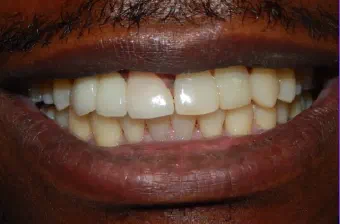
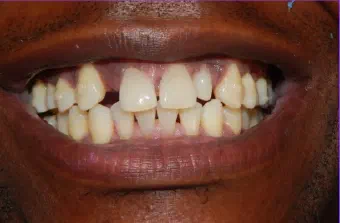
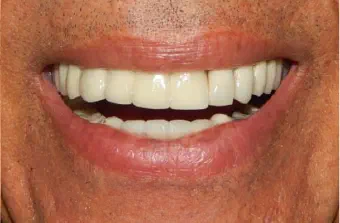
Before & after smile gallery.

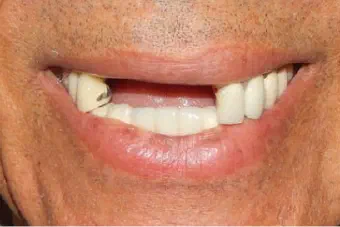
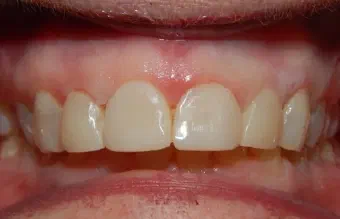
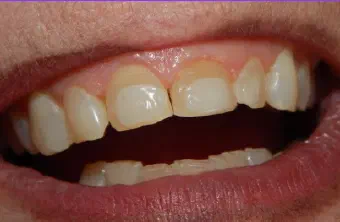
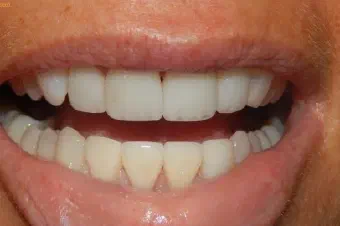
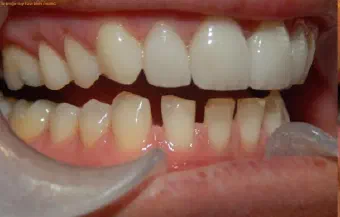
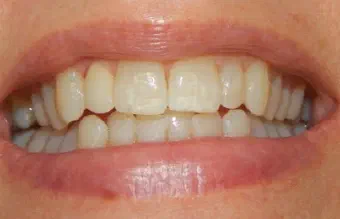
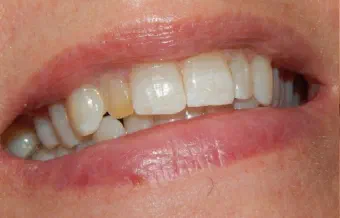
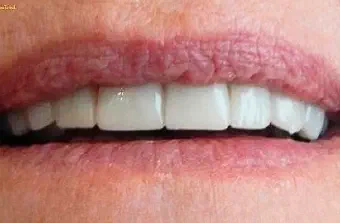
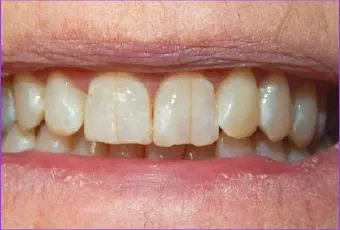
Drag the centre line to compare each real case treated by our dental team. Every smile begins with a personal assessment and a plan shaped around the patient.

Areas We Serve

Neighbourhood dental care, close to home.

Located in Cookstown, Innisfil, our dental team welcomes patients from communities across South Simcoe, Barrie, and northern York Region.

Get directions
  • Cookstown
  • Innisfil
  • Simcoe
  • Lake Simcoe
  • Alcona
  • Stroud
  • Lefroy–Belle Ewart
  • Gilford
  • Churchill
  • Sandy Cove
  • Innisfil Heights
  • Fennell’s Corners
  • Bradford
  • Bradford West Gwillimbury
  • Bond Head
  • Newton Robinson
  • New Tecumseth
  • Alliston
  • Beeton
  • Tottenham
  • Adjala–Tosorontio
  • Everett
  • Loretto
  • Barrie
  • Essa
  • Thornton
  • Baxter
  • Angus
  • Egbert
  • Ivy
  • Utopia
  • York Region
  • East Gwillimbury
  • Queensville
  • Holland Landing
  • Sharon
  • Schomberg
  • Nobleton

Don’t see your community listed? Contact us—we regularly welcome patients from throughout the surrounding region.

Google reviews

Kind words from our patients.

Read what patients have shared about their visits to Cookstown Dental Centre.

A dentist having a friendly consultation with a patient in a bright dental clinic

Your next step

Ready to feel good about your next dental visit?

Whether you are new to the clinic or returning for care, our team is here to make booking simple and answer your questions.

Call Book Now WhatsApp

How can we help?

The Cookstown Dental team is here for you.

Need an appointment, have a question, or want to talk through your options? Choose the next step that works best for you.

Send us a note

We’ll get back to you as soon as we can.