Cookstown Dental Centre
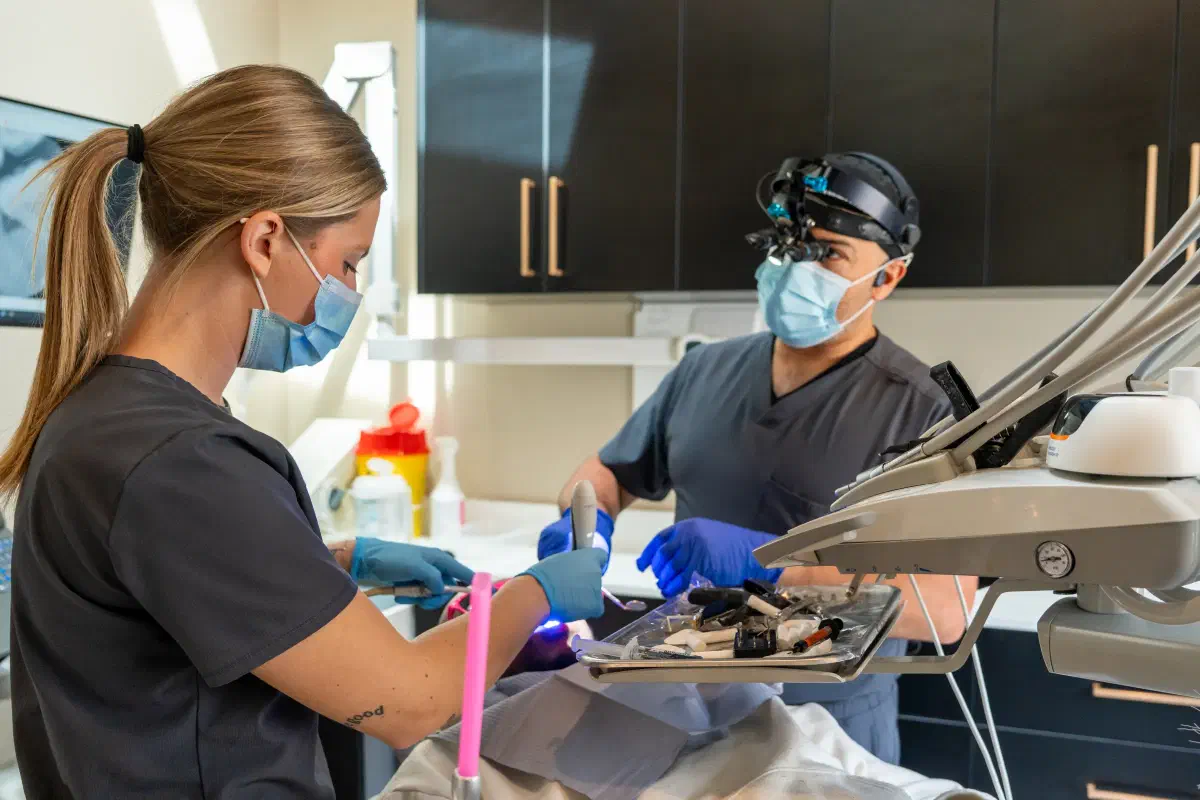
The Cookstown Dental Centre team caring for a patient in a treatment room

Children’s Dentistry · Cookstown

Explore clear aligners that fit teenage life.

An Invisalign consultation for teens considers the bite, dental development, daily wear, and family routines before deciding whether aligners are suitable.

Request an appointment

Let’s find a time that works.

Need urgent dental help? Call (705) 291-2222.

Invisalign for Teens in Cookstown

A treatment decision that includes the teenager.

Clear aligners can appeal to teenagers who want a removable, less noticeable approach to orthodontic care. Suitability still depends on the teeth and bite, and success requires a consistent daily routine. School lunches, sport, music, travel, and remembering the case all belong in the conversation before treatment starts.

At Cookstown Dental Centre, an assessment can help establish whether Invisalign is an option to explore or whether another approach or specialist opinion would be more appropriate. We discuss expectations with both the teenager and parent, including wear time, cleaning, review appointments, and retention after active treatment. A digital plan can help explain a proposal, but it does not guarantee a particular result or timeline.

A teenager and parent discussing clear aligners with a dentist

Planning together

Before deciding, consider the whole routine.

A removable appliance gives flexibility and creates responsibilities. Talk honestly about whether the proposed routine is workable on normal days, not only during the consultation.

Readiness for regular wear

Aligners generally need to be worn about 20 to 22 hours daily, following the treating provider’s instructions. That leaves limited time out for meals and cleaning. Discuss who will help with reminders and how wear will be managed during long school days, trips, or changes between households.

Dental health and development

The teeth and gums need assessment before movement is planned, and the stage of eruption can affect suitability. Existing cavities or hygiene problems may need attention first. A consultation should explain the clinical reasons for recommending aligners, another appliance, observation, or specialist care.

Appointments and costs

Ask about review frequency, the expected scope of treatment, retainers, and what happens if additional aligners are needed. Request a written estimate for the proposed plan and check insurance separately. Understanding ongoing commitments matters as much as understanding how the trays look when worn.

Understanding the options

Compare options around the bite and the person.

The best choice is not determined by appearance alone. Different orthodontic approaches offer different practical advantages and limitations.

Clear aligners

Removable trays can make eating and ordinary tooth cleaning more straightforward when they are taken out and replaced as instructed. They can also be lost or left out too long. Tooth-coloured attachments or other features may be part of treatment, so aligners should not be described as completely invisible.

Braces or another approach

Fixed appliances may be more suitable for some bite problems or daily routines. Certain cases benefit from an orthodontist’s assessment, regardless of appliance preference. Ask what alternatives could address the same concern and why the clinician believes one approach is a better fit for the teenager’s needs.

The appointment

From assessment to an established routine.

Treatment should begin with a clear diagnosis and an agreed plan. The exact sequence depends on the findings and the provider responsible for care.

  1. Gather the right information

    The clinician examines the teeth and bite and discusses records such as photographs, scans, or X-rays when needed. The teenager can explain what they hope to change. We review whether the concern is suitable for aligner treatment and whether another opinion is needed before proceeding.

  2. Review the proposed plan

    Discuss the intended changes, limitations, expected duration, and any attachments or additional procedures. Ask how progress will be monitored and what would cause the plan to change. Make sure the teenager understands the daily commitment and has an opportunity to ask questions directly.

  3. Follow progress and retention

    Attend scheduled reviews and change trays only as instructed. Report fit problems, broken attachments, or lost aligners promptly. After active treatment, retainers are generally needed to help maintain tooth position; the retention plan, replacement responsibilities, and review arrangements should be explained before treatment is considered complete.

Practical guidance

Make school, sport, and cleaning easier to manage.

Simple habits reduce avoidable interruptions. The treating provider’s specific instructions take priority if they differ from a general routine.

Keep a case within reach

Store aligners in the case whenever they are removed, rather than wrapping them in a napkin or leaving them on a tray. A consistent place in a school bag helps. If a tray is lost, contact the provider instead of guessing whether to skip to another set.

Protect the teeth during meals

Remove aligners for meals and drinks other than plain water, as directed, and clean the teeth before replacing them. Ask about a practical school-day routine. Sugary drinks trapped around teeth and missed brushing can create problems even when the aligners themselves look clean.

Plan for activity and appliances

Aligners are not a sports mouthguard. Discuss suitable protection and how it fits with orthodontic care before the season starts. Bring up musical instruments or other activities that affect wear so the plan accounts for them without assuming every interruption can simply be made up later.

Frequently asked questions

Questions about invisalign for teens

Is Invisalign suitable for every teenager?

No. Suitability depends on the bite, dental development, oral health, and ability to follow the routine. An assessment is needed before recommending treatment. Some situations are better managed with another appliance or an orthodontist’s care.

How many hours must aligners be worn?

Wear is commonly prescribed for about 20 to 22 hours each day, but follow the treating provider’s instructions. Consistency matters. If the routine is not realistic, discuss that before treatment rather than assuming occasional wear will achieve the planned result.

Will my teen need attachments?

Possibly. Small tooth-coloured attachments or other features may help achieve planned movements. The clinician explains whether they are part of the proposal. This is one reason clear aligners should be described as less noticeable rather than completely invisible.

What happens if an aligner is lost?

Contact the treating provider promptly and explain which tray was being worn and for how long. Do not automatically move ahead or return to an older tray without guidance. The right next step depends on progress and the treatment plan.

Can aligners be worn for sports?

Discuss the sport and appropriate protection with the treating clinician. Aligners do not replace a sports mouthguard. Follow advice about removing trays and using a suitable guard, especially where tooth movement or another appliance affects the fit.

How long does treatment take?

Duration varies with the concern, planned movements, biological response, and cooperation. An estimate is discussed after assessment, but it is not a guarantee. Additional adjustments or aligners may be needed as progress is reviewed.

Are retainers needed afterward?

Usually, yes. Teeth can move after active orthodontic treatment, so retention is an important part of the plan. Ask about the type, wear schedule, review visits, and replacement costs before starting treatment.

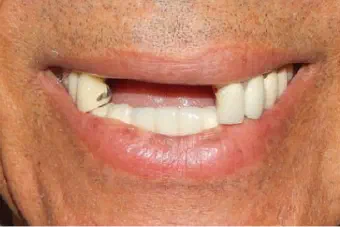
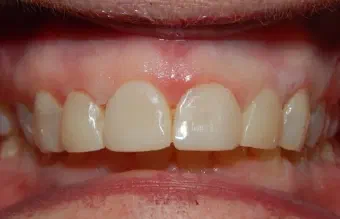
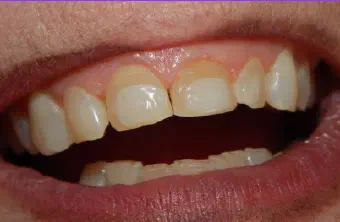
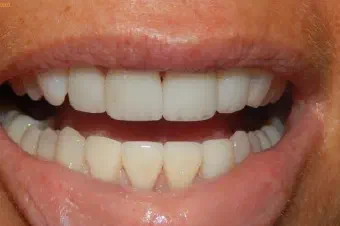
Real patient results

Before & after smile gallery.

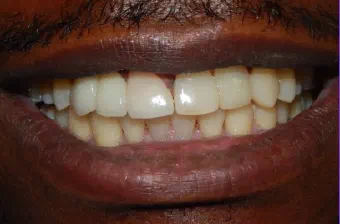
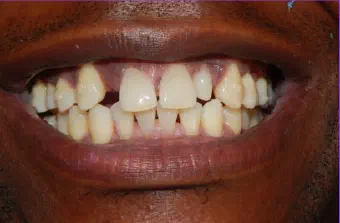
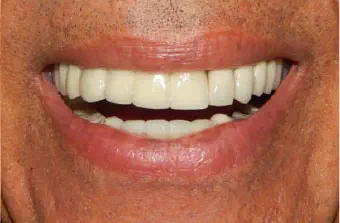
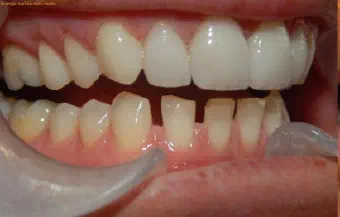
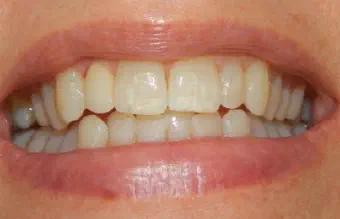
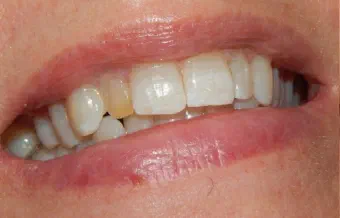
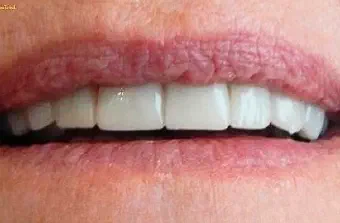
Drag the centre line to compare each real case treated by our dental team. Every smile begins with a personal assessment and a plan shaped around the patient.

Areas We Serve

Neighbourhood dental care, close to home.

Located in Cookstown, Innisfil, our dental team welcomes patients from communities across South Simcoe, Barrie, and northern York Region.

Get directions
  • Cookstown
  • Innisfil
  • Simcoe
  • Lake Simcoe
  • Alcona
  • Stroud
  • Lefroy–Belle Ewart
  • Gilford
  • Churchill
  • Sandy Cove
  • Innisfil Heights
  • Fennell’s Corners
  • Bradford
  • Bradford West Gwillimbury
  • Bond Head
  • Newton Robinson
  • New Tecumseth
  • Alliston
  • Beeton
  • Tottenham
  • Adjala–Tosorontio
  • Everett
  • Loretto
  • Barrie
  • Essa
  • Thornton
  • Baxter
  • Angus
  • Egbert
  • Ivy
  • Utopia
  • York Region
  • East Gwillimbury
  • Queensville
  • Holland Landing
  • Sharon
  • Schomberg
  • Nobleton

Don’t see your community listed? Contact us—we regularly welcome patients from throughout the surrounding region.

Google reviews

Kind words from our patients.

Read what patients have shared about their visits to Cookstown Dental Centre.

A dentist having a friendly consultation with a patient in a bright dental clinic

Your next step

Ready to feel good about your next dental visit?

Whether you are new to the clinic or returning for care, our team is here to make booking simple and answer your questions.

Call Book Now WhatsApp

How can we help?

The Cookstown Dental team is here for you.

Need an appointment, have a question, or want to talk through your options? Choose the next step that works best for you.

Send us a note

We’ll get back to you as soon as we can.