Cookstown Dental Centre
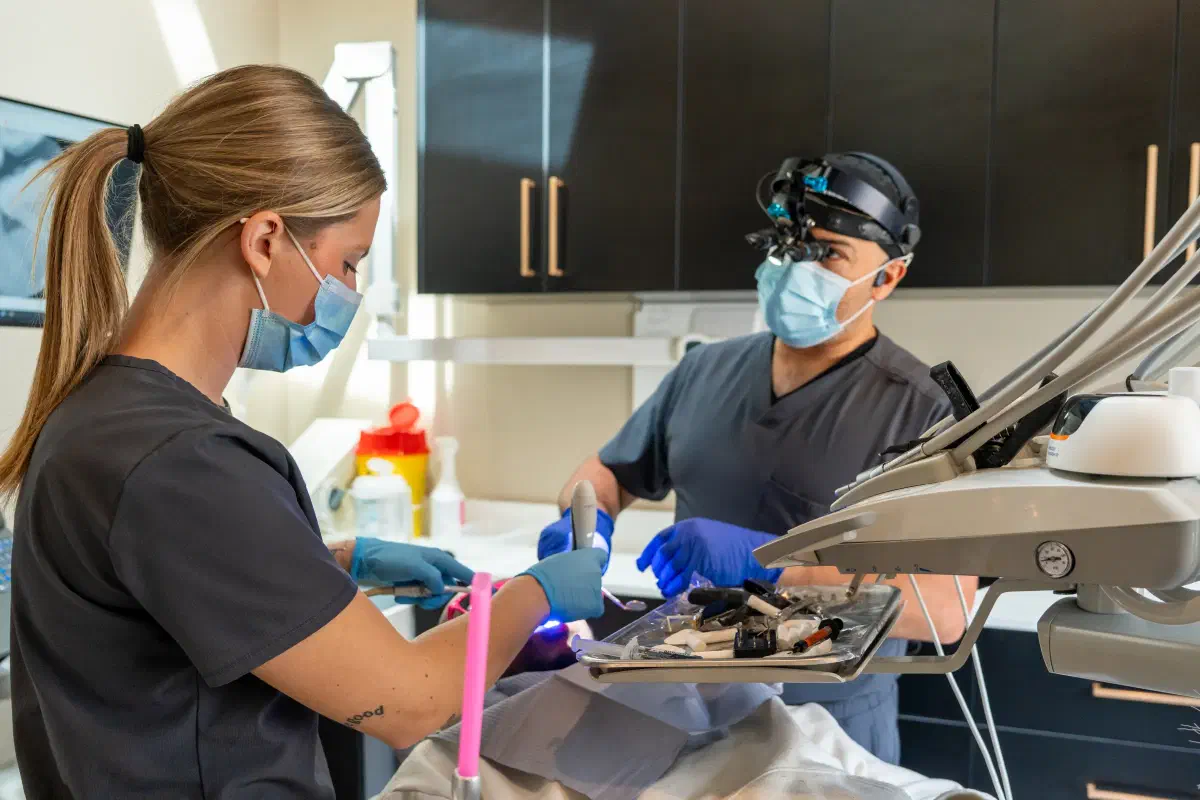
The Cookstown Dental Centre team caring for a patient in a treatment room

Cosmetic Dentistry · Cookstown

Review the details before finishing your aligner treatment.

A remaining rotation, space, or bite concern may need an Invisalign refinement. Learn how progress is assessed and when another aligner stage makes sense.

Request an appointment

Let’s find a time that works.

Need urgent dental help? Call (705) 291-2222.

Invisalign Refinements in Cookstown

The last numbered tray is a review point, not the only measure of completion.

An initial aligner sequence can bring substantial improvement while leaving a detail that needs further assessment. A tooth may not have followed the planned movement closely, a contact may feel different, or the final appearance may need discussion. Invisalign refinements use additional aligners when further movement is appropriate. They are part of clinical decision-making rather than an automatic response to every difference between a preview and a smile.

At Cookstown Dental Centre, the review starts with what has actually changed, what remains, and how the teeth meet. We compare those findings with the agreed goal and discuss whether another stage would offer a useful benefit. Sometimes further movement is recommended; sometimes observation, another approach, or retention is the more appropriate next step. The reasons should be clear before additional treatment begins.

A dentist and adult patient reviewing aligner progress on a dental model

Good to know

Separate an unfinished movement from a different concern.

Not every detail that catches your eye can be corrected by ordering more trays. Identifying the reason helps focus the next decision.

A tooth that has not tracked as planned

The clinician checks tray fit, attachments, wear history, and the actual tooth position. A gap between plastic and enamel can have several explanations. Bring the current and recent trays if requested, and describe when the fit changed instead of trying to compensate by moving ahead through the sequence yourself.

A bite that needs review

Teeth can look aligned from the front while contacts need a closer assessment. Explain where biting feels different and whether the change persists. The dentist evaluates the relationship in the mouth; a photograph or computer preview alone cannot establish that the way the teeth meet is satisfactory.

A shape or colour issue

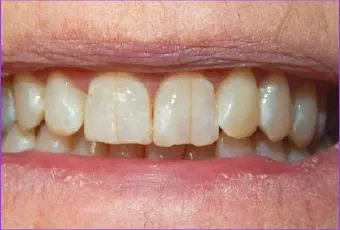
Uneven edges, a small tooth, or a shade difference may remain after position has improved. Those features do not necessarily call for more orthodontic movement. Discuss whether the concern relates to tooth anatomy, restoration, or alignment so the proposed finishing step addresses the actual cause.

The appointment

From progress review to a revised plan.

Additional treatment should have a defined purpose. The review connects new records with the movement still being considered.

  1. Assess the present result

    The clinician examines alignment, oral health, and relevant bite contacts, then compares them with the agreed treatment goals. Explain your own concerns before a new plan is prepared. This is also a chance to distinguish an unmet original goal from a new change you have only recently decided you would like.

  2. Collect and review updated records

    A new scan or other records may be needed to plan from the current position. The proposed sequence is reviewed clinically rather than accepted solely because software can display it. You should understand the intended improvement, likely limitations, and whether attachments or other parts of treatment would change.

  3. Agree on the next stage

    Discuss the revised estimate, daily wear, review schedule, and costs before continuing. Ask what to wear while new trays are being prepared. The plan should also identify how the result will be reassessed so the additional sequence has a meaningful endpoint instead of an open-ended promise of perfection.

Understanding the options

Continuing and finishing both need a reason.

A refinement is worthwhile when the expected benefit justifies further movement and the associated commitment. The alternative also deserves an explanation.

When another sequence may help

Residual movement that remains clinically reasonable may be addressed with additional aligners. The dentist explains what improvement is being pursued and whether the same appliance remains suitable. More trays are not a guarantee of an exact visual result, so discuss uncertainty alongside the anticipated benefit and the additional time involved.

When a different endpoint is appropriate

A small remaining difference may reflect anatomy, biological limits, or a concern better managed another way. In other cases the agreed goal has already been achieved. The clinician should explain the reason for finishing, referring, or considering another option, including what it means to accept a remaining compromise.

Planning together

Keep the handover to retention clear.

The period between active stages and the eventual finish needs instructions that match your case. Do not guess from someone else’s experience.

While you wait for a decision

Keep the prescribed appliance and wear instructions available, and contact the provider if they are unclear. Report a lost tray, broken attachment, or new discomfort. An old tray should not be repurposed as a long-term retainer without the clinician confirming the plan and its fit.

Before additional trays begin

Confirm the starting tray, change schedule, planned reviews, and any updated attachment instructions. Clarify whether the additional aligners are included in your agreement. Product names and a previous tray count do not establish what clinical services, replacement appliances, or later revisions will be covered.

When active care is complete

Discuss retainer design and delivery before stopping the prescribed wear routine. The final review should cover both the agreed result and the practical maintenance plan. Knowing who handles fit checks and future replacements helps prevent a gap in support after the last active aligner stage.

Frequently asked questions

Questions about invisalign refinements

Does needing a refinement mean Invisalign failed?

Not necessarily. Tooth movement may differ from the initial plan, and additional aligners can be considered to address remaining goals. The useful question is why further movement is recommended in your case and what it is expected to improve.

How many refinement trays will I need?

The number depends on the movement proposed after reassessment. It cannot be established from the size of a visible gap alone. Ask for an estimate based on current records and an explanation of what could change that estimate.

Are refinements always included in the original fee?

No universal inclusion should be assumed. The product terms and your treatment agreement determine what is covered. Ask specifically about records, reviews, attachments, additional aligners, and retainers rather than relying on a general statement that treatment includes finishing.

Can I request a refinement for one tooth?

Yes, you can raise that concern. The clinician assesses whether movement is appropriate and what it could affect elsewhere in the bite. A visible difference in one tooth can also relate to its shape rather than its position.

Should I keep wearing my final tray while waiting?

Follow the treating provider’s instructions for your situation. Contact the clinic if you have not received a clear holding plan or if the tray is damaged. Do not stop, change, or extend a schedule simply by copying another patient’s experience.

Will I need new attachments?

Possibly. The revised movements may require existing attachments to remain, change, or be replaced. The clinician explains the proposed features before the new stage. A refinement does not always involve exactly the same setup as the initial sequence.

When are retainers made after refinements?

They are planned around the clinically agreed finish and any other dental work that affects fit. Confirm the transition before active wear ends. Retainers maintain a position; they should not be assumed to complete unfinished active movement.

Real patient results

Before & after smile gallery.

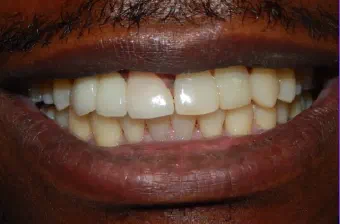
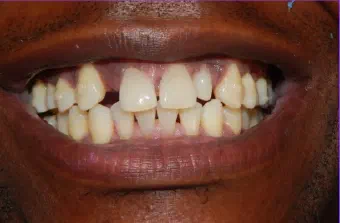
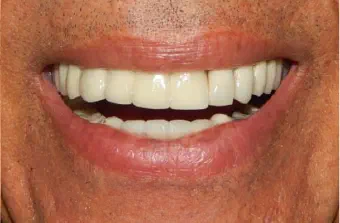
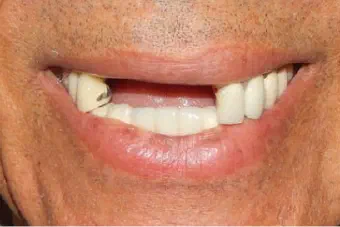
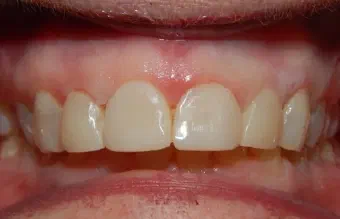
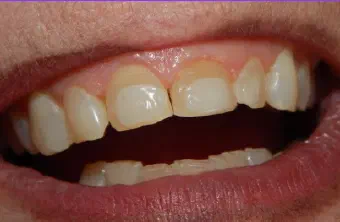
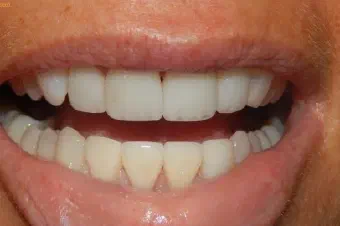
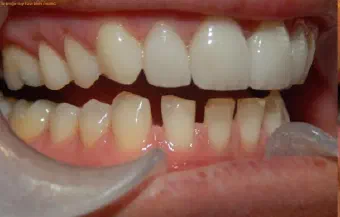
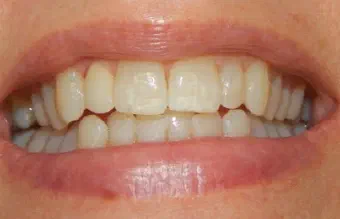
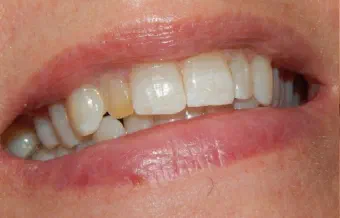
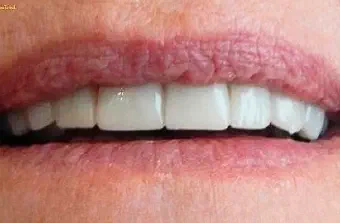
Drag the centre line to compare each real case treated by our dental team. Every smile begins with a personal assessment and a plan shaped around the patient.

Areas We Serve

Neighbourhood dental care, close to home.

Located in Cookstown, Innisfil, our dental team welcomes patients from communities across South Simcoe, Barrie, and northern York Region.

Get directions
  • Cookstown
  • Innisfil
  • Simcoe
  • Lake Simcoe
  • Alcona
  • Stroud
  • Lefroy–Belle Ewart
  • Gilford
  • Churchill
  • Sandy Cove
  • Innisfil Heights
  • Fennell’s Corners
  • Bradford
  • Bradford West Gwillimbury
  • Bond Head
  • Newton Robinson
  • New Tecumseth
  • Alliston
  • Beeton
  • Tottenham
  • Adjala–Tosorontio
  • Everett
  • Loretto
  • Barrie
  • Essa
  • Thornton
  • Baxter
  • Angus
  • Egbert
  • Ivy
  • Utopia
  • York Region
  • East Gwillimbury
  • Queensville
  • Holland Landing
  • Sharon
  • Schomberg
  • Nobleton

Don’t see your community listed? Contact us—we regularly welcome patients from throughout the surrounding region.

Google reviews

Kind words from our patients.

Read what patients have shared about their visits to Cookstown Dental Centre.

A dentist having a friendly consultation with a patient in a bright dental clinic

Your next step

Ready to feel good about your next dental visit?

Whether you are new to the clinic or returning for care, our team is here to make booking simple and answer your questions.

Call Book Now WhatsApp

How can we help?

The Cookstown Dental team is here for you.

Need an appointment, have a question, or want to talk through your options? Choose the next step that works best for you.

Send us a note

We’ll get back to you as soon as we can.