Cookstown Dental Centre
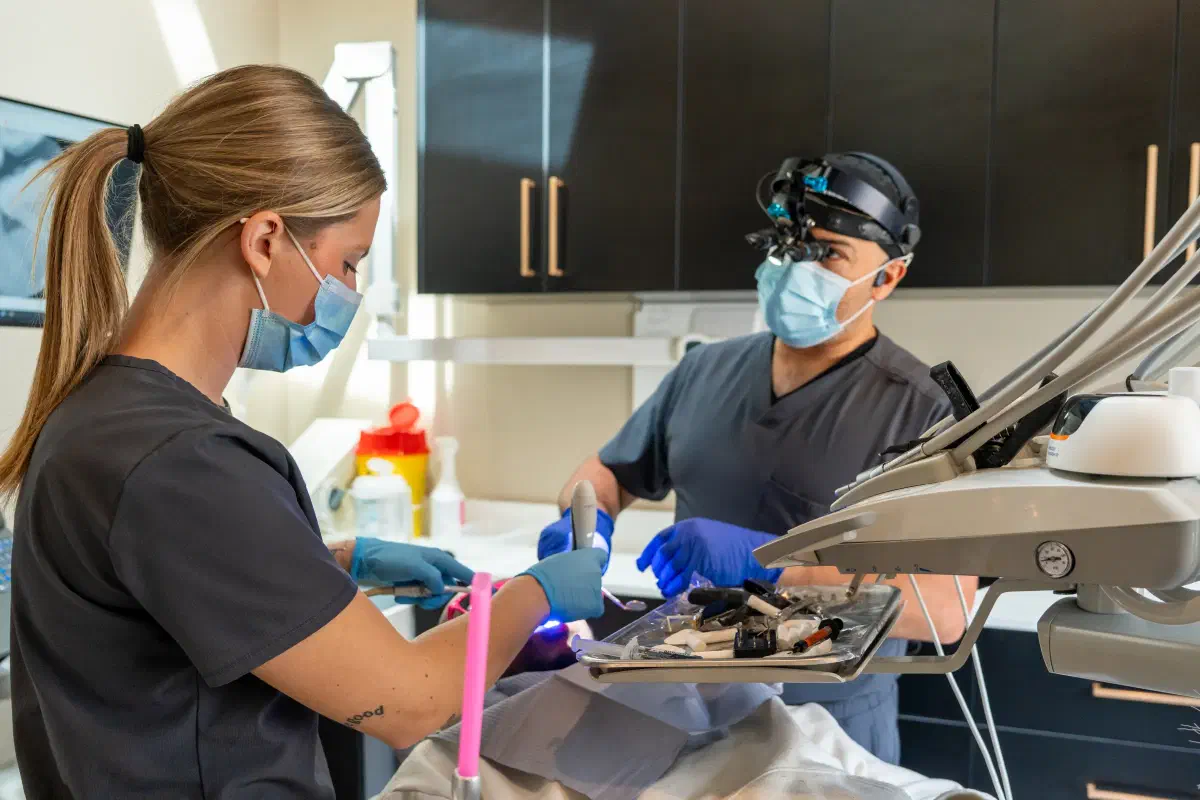
The Cookstown Dental Centre team caring for a patient in a treatment room

Cosmetic Dentistry · Cookstown

Get a clear explanation of the plan you are considering.

Bring your Invisalign proposal or progress concerns for a second opinion in Cookstown. Compare the diagnosis, treatment scope, alternatives, and next steps.

Request an appointment

Let’s find a time that works.

Need urgent dental help? Call (705) 291-2222.

Invisalign Second Opinions in Cookstown

A second opinion should make the reasoning easier to understand.

You may want another opinion before starting Invisalign, while treatment is underway, or when a result differs from what you expected. The purpose is to understand the current findings and available choices. A different recommendation does not automatically mean the earlier one was wrong: providers may be addressing different goals, working from different records, or making different judgments about acceptable compromises.

At Cookstown Dental Centre, we begin with your questions and the information available. We explain the limits of an assessment when important records are missing and identify where an orthodontic specialist’s opinion may be useful. An independent discussion does not automatically transfer your treatment. Before changing providers or stopping an appliance, you need a clear plan for who is responsible for ongoing care.

A patient bringing dental records to a consultation with a dentist

Practical guidance

Choose the question you want answered.

A focused concern makes the consultation more useful than a broad request to approve or reject another plan.

Before you agree to treatment

You might want to understand why certain teeth would move, why attachments are proposed, or why one option is more extensive. Bring the actual proposal where possible. The consultation can explore whether its scope matches your goals, what alternatives exist, and which assumptions need clarification before you make a decision.

While treatment is progressing

Describe specific changes in fit, comfort, tooth position, or communication that concern you. A second opinion needs the current condition and relevant treatment history, not only the original preview. Continue seeking prompt advice from the treating provider about active problems while arranging the additional assessment.

When you are unsure about the finish

Identify what feels unresolved, such as a bite contact, space, or tooth position. The clinician can assess whether it relates to the agreed goal, tooth anatomy, or another concern. A useful opinion explains the remaining options and their limits without promising that every perceived imperfection needs correction.

Planning together

Bring information that allows a fair comparison.

With your permission, relevant records can help avoid conclusions based on an incomplete picture. The clinic will explain what is useful and how it can be shared.

The proposal and your priorities

Bring the written treatment scope, estimates, and any information about inclusions or exclusions. Note the change that mattered most to you at the outset and whether that priority has changed. This helps separate a disagreement about the intended goal from a concern about progress toward an agreed one.

Records and appliance history

Available photographs, scans, X-rays, and treatment summaries may be helpful. If you are already wearing trays, bring the current appliance and details of recent instructions. The reviewing clinician decides whether additional records are necessary rather than assuming an old scan fully represents the present situation.

Symptoms and practical concerns

Write down when discomfort, poor fit, or a bite change began and what advice you have received. Include concerns about appointments, costs, or wear routines. Clinical and practical issues may need different solutions, and making both visible helps the consultation address what is actually driving your uncertainty.

What we consider

Compare the explanation behind each option.

A brand name, fee, or estimated duration alone cannot show whether two proposals are equivalent.

Diagnosis and proposed movements

Ask how each plan describes the bite and alignment problem and what movements are needed. Two proposals may aim for different endpoints even when both use Invisalign. The reviewer should explain where the approaches agree, where they differ, and which additional information would help resolve uncertainty.

Limitations and accepted compromises

A limited plan may deliberately leave a finding unchanged, while a broader plan may address it. That distinction should be explicit. Discuss the consequences of each choice, including choosing no further treatment, so a shorter estimate is not mistaken for an identical result reached by a different route.

Responsibilities and follow-up

Compare supervision, reviews, management of poor fit, possible additional stages, and retention. Clarify who would provide care if you moved forward with a new provider. Clinical suitability and a workable follow-up arrangement both matter when deciding whether to continue, pause, or consider a transfer.

Step by step

Turn the opinion into a practical decision.

The outcome may be reassurance, further questions, additional records, or a different plan. You do not need to decide solely during the consultation.

  1. Review the findings in context

    Ask the reviewing clinician to distinguish observed findings from uncertainties and preferences. A summary can help you remember the reasons for the recommendation. If the information is incomplete, understand what cannot yet be concluded and whether obtaining records or a specialist assessment would materially change the advice.

  2. Coordinate before changing care

    If a transfer is being considered, confirm acceptance, records, fees, and the appliance instructions that apply in the meantime. A second opinion is not itself a transfer agreement. Keep the current provider informed as appropriate so active treatment does not continue without anyone clearly responsible for monitoring it.

Frequently asked questions

Questions about invisalign second opinions

Can I seek an opinion without changing dentists?

Yes. A consultation can help you understand a proposal or progress concern while care remains with your existing provider. Make that intention clear when booking so the discussion focuses on the information you need rather than assuming a transfer.

Will the new dentist criticize my current treatment?

The assessment should focus on clinical findings, records, and available options. Different recommendations can reflect different goals or judgments. A useful second opinion explains those differences respectfully and acknowledges when missing information prevents a reliable conclusion.

Do I need permission to ask for another opinion?

You can seek another professional opinion. Sharing existing records may require a records request and your authorization. Ask the clinic what information would be useful and allow time for it to be obtained before expecting a detailed comparison.

Can a photograph show whether my bite is correct?

A photograph can help illustrate your concern but cannot replace an examination and appropriate records. Bite contacts, gum health, and other findings may not be visible. The clinician explains what can be assessed and what needs an in-person review.

Should I stop wearing aligners before the appointment?

Do not make an unsupervised change because a second opinion is booked. Follow current instructions and contact the treating provider if there is a problem. If advice changes, clarify exactly who is supervising the next step and why.

Can I transfer my Invisalign treatment afterward?

A transfer requires a separate discussion about suitability, acceptance, records, treatment stage, and costs. It is not guaranteed by attending a consultation. Confirm ongoing care arrangements before assuming that the new clinic has taken responsibility for the active plan.

What if the two opinions disagree?

Ask which findings or goals explain the difference and whether more information could resolve it. An orthodontic specialist may be helpful for a complex question. Compare the reasoning and limits rather than choosing solely on confidence, speed, or price.

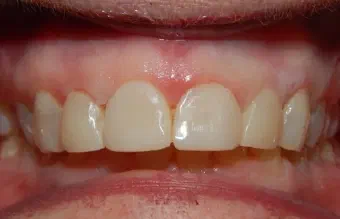
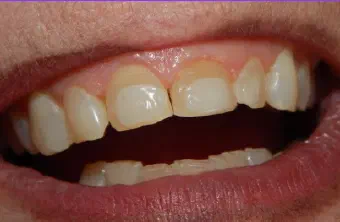
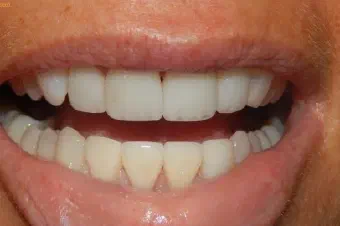
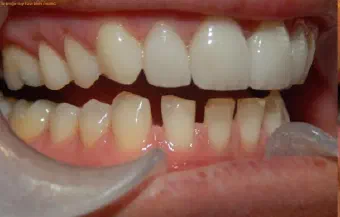
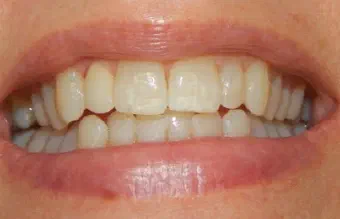
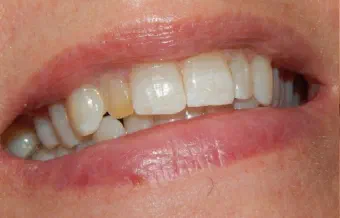
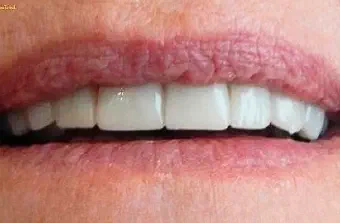
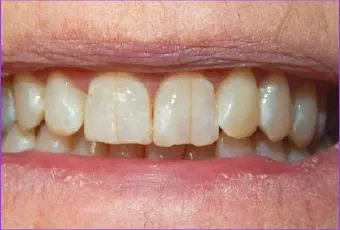
Real patient results

Before & after smile gallery.

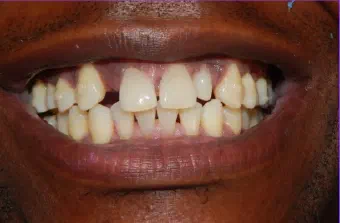
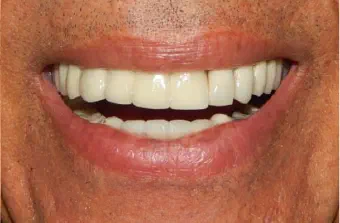
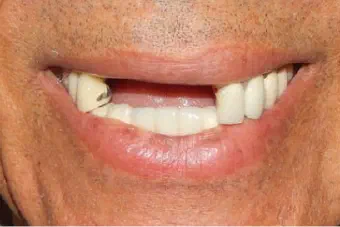
Drag the centre line to compare each real case treated by our dental team. Every smile begins with a personal assessment and a plan shaped around the patient.

Areas We Serve

Neighbourhood dental care, close to home.

Located in Cookstown, Innisfil, our dental team welcomes patients from communities across South Simcoe, Barrie, and northern York Region.

Get directions
  • Cookstown
  • Innisfil
  • Simcoe
  • Lake Simcoe
  • Alcona
  • Stroud
  • Lefroy–Belle Ewart
  • Gilford
  • Churchill
  • Sandy Cove
  • Innisfil Heights
  • Fennell’s Corners
  • Bradford
  • Bradford West Gwillimbury
  • Bond Head
  • Newton Robinson
  • New Tecumseth
  • Alliston
  • Beeton
  • Tottenham
  • Adjala–Tosorontio
  • Everett
  • Loretto
  • Barrie
  • Essa
  • Thornton
  • Baxter
  • Angus
  • Egbert
  • Ivy
  • Utopia
  • York Region
  • East Gwillimbury
  • Queensville
  • Holland Landing
  • Sharon
  • Schomberg
  • Nobleton

Don’t see your community listed? Contact us—we regularly welcome patients from throughout the surrounding region.

Google reviews

Kind words from our patients.

Read what patients have shared about their visits to Cookstown Dental Centre.

A dentist having a friendly consultation with a patient in a bright dental clinic

Your next step

Ready to feel good about your next dental visit?

Whether you are new to the clinic or returning for care, our team is here to make booking simple and answer your questions.

Call Book Now WhatsApp

How can we help?

The Cookstown Dental team is here for you.

Need an appointment, have a question, or want to talk through your options? Choose the next step that works best for you.

Send us a note

We’ll get back to you as soon as we can.