Cookstown Dental Centre
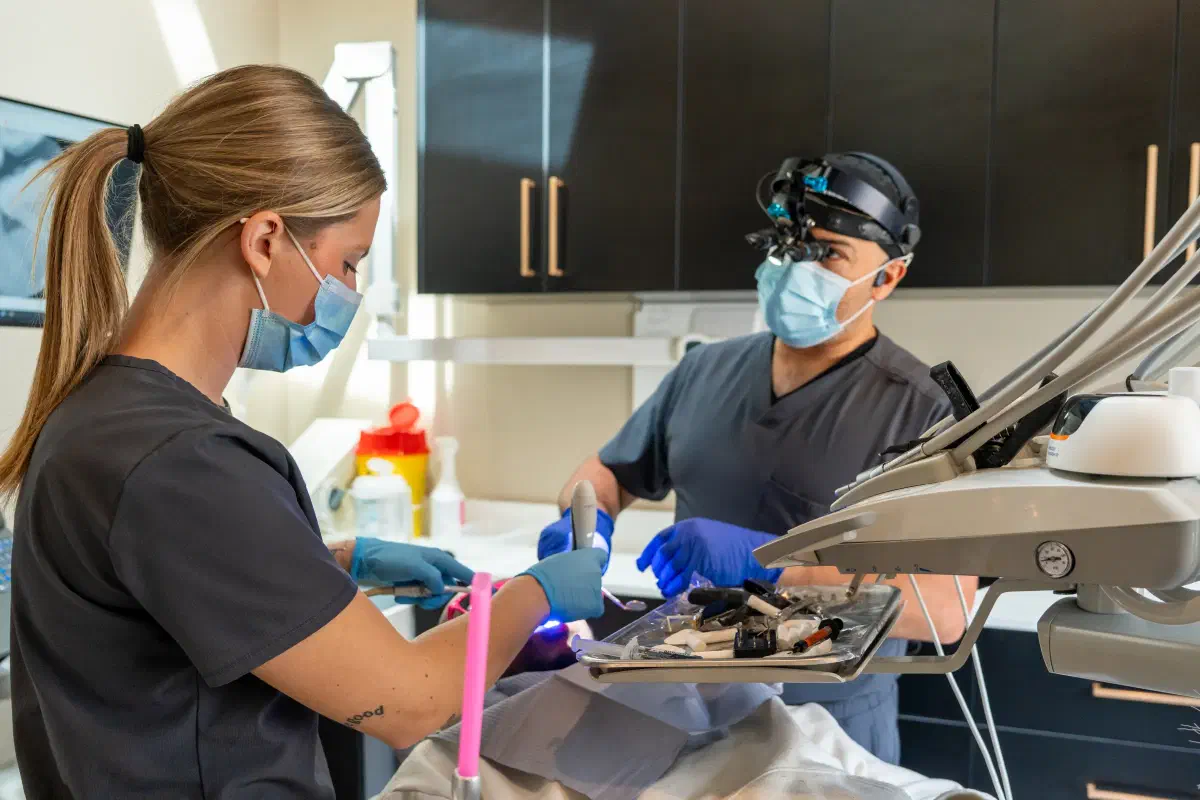
The Cookstown Dental Centre team caring for a patient in a treatment room

Specialized Care · Cookstown

Understand a jaw click before deciding whether it needs treatment.

Jaw clicking assessment considers pain, locking, movement, and changes over time. Learn when reassurance, conservative care, or further investigation may fit.

Request an appointment

Let’s find a time that works.

Need urgent dental help? Call (705) 291-2222.

Jaw Clicking Assessment in Cookstown

A sound without pain or loss of function often does not need treatment.

Clicking or popping near the jaw joint can happen during opening, closing, or chewing. It is common, and a painless sound with normal function does not automatically require an appliance, imaging, or a procedure. Pain, locking, a new restriction, or a change after injury gives the assessment a different purpose.

At Cookstown Dental Centre, we ask what the sound does during ordinary use and whether it affects comfort or function. The examination considers the joints, muscles, teeth, and relevant history without assuming that every click has the same cause. The aim may be reassurance and observation, conservative guidance, or further evaluation when indicated. Eliminating a harmless sound should not become a reason to permanently alter the teeth or bite.

A patient describing a jaw click near the ear during a dental assessment

Understanding the options

Separate a sound-only concern from a change in function.

The symptoms accompanying the click help determine the next step.

Painless clicking with comfortable movement

If the jaw opens and works normally without pain, treatment may not be necessary. The clinician can explain the finding and what changes should prompt review. Repeatedly opening wide to check whether the sound remains can make the concern more intrusive without adding useful diagnostic information.

Clicking with pain, catching, or locking

Tell the dentist whether movement becomes restricted, whether the jaw gets stuck, or whether the pattern changed suddenly. These features need a more focused assessment. A click that stops while opening becomes limited is not automatically an improvement and should be described rather than judged by the sound alone.

Planning together

Bring a history of the change rather than trying to reproduce it constantly.

Ordinary-use observations are often enough to guide the initial discussion.

When the sound occurs and what it affects

Explain whether it happens during chewing, yawning, or closure, and whether it is new or longstanding. Mention discomfort and any change in eating or speech. You do not need to force the jaw through a click repeatedly to demonstrate it before the clinician assesses the movement.

Injury, treatment, and other symptoms

Describe recent trauma, lengthy dental treatment, new appliances, headaches, swelling, or tooth pain. These details help identify a broader concern. A sound should not be considered in isolation if the jaw has also changed position, the bite feels suddenly different, or there are symptoms suggesting infection or injury.

What we consider

Assess the joint and nearby structures together.

The examination should identify relevant findings and avoid unnecessary conclusions.

Comfortable opening and movement

The clinician observes the range and pattern of movement and asks about familiar symptoms. The assessment does not require you to force through painful limits at home. A restriction or locking history may influence the need for further evaluation more than the loudness of the click itself.

Muscles, tenderness, and teeth

Muscle discomfort, a cracked tooth, an inflamed dental area, or a recent restoration can coexist with joint sounds. The dentist assesses relevant sources rather than attribute every symptom to the click. Different problems may need separate care even when they are felt in the same region.

Imaging when it answers a specific question

Images are not automatically necessary for a painless sound. Further investigation may be considered when the history or examination suggests a question that imaging can address. The provider should explain the purpose and how the result could influence care, rather than use a scan to justify treatment of every incidental finding.

Good to know

Keep the proposed response proportionate to the concern.

The goal is useful function and comfort, not a silent joint at any cost.

Observation and conservative guidance

Some findings need explanation and monitoring, while symptomatic cases may be considered for reversible care and appropriate referral. The plan should identify the problem being treated and the review point. A sound alone should not be used to promise deterioration or pressure a patient into treatment.

Limits of appliances and permanent bite changes

A guard or splint may have a defined role in selected care but is not guaranteed to remove joint sounds or cure TMD. Permanent tooth reshaping, crowns, or orthodontic changes are not routine treatment for clicking. Ask for the evidence and alternatives before an irreversible proposal aimed primarily at the noise.

Practical guidance

Know which changes call for reassessment.

A stable painless sound and a new functional problem should not be managed identically.

New locking, pain, or reduced opening

Arrange assessment if the jaw begins catching, becomes painful, or opens less comfortably than before. Do not force it past a restriction or try to manipulate it back yourself. A jaw stuck open or a sudden significant change may need prompt clinical guidance about the appropriate setting for care.

Swelling, fever, or symptoms after injury

These can point to a problem beyond an uncomplicated joint sound. Seek timely assessment, and use emergency medical care for breathing or swallowing difficulty, major trauma, or rapidly spreading swelling. A previous explanation of harmless clicking should not be used to dismiss a new pattern.

Frequently asked questions

Questions about jaw clicking assessment

Does every clicking jaw need treatment?

No. Painless clicking or popping with normal function is common and often does not need treatment. An assessment can clarify the situation and warning changes. Pain, locking, restricted movement, or a new injury-related change may require a different approach.

Does a louder click mean more damage?

The sound’s loudness alone does not establish the condition or severity. The history, pain, function, and examination matter more. Treatment should not be selected simply because a noise is noticeable to you or another person.

Should I keep opening until the jaw clicks back?

Do not force or repeatedly manipulate the jaw to produce a sound. This can aggravate symptoms and does not establish the diagnosis. Describe the pattern during ordinary use and let the clinician assess movement appropriately.

Why did the click stop when opening became difficult?

A change in sound accompanied by reduced opening needs assessment; less noise does not necessarily mean better function. Tell the clinician when the change occurred and whether there is pain or locking. Avoid forcing the jaw through the restriction.

Will I need a scan?

Not automatically. Imaging is chosen when it can answer a relevant clinical question beyond the examination. A painless sound alone does not require the same investigation as trauma, significant locking, or another concerning finding.

Can a nightguard remove the click?

That cannot be guaranteed, and a harmless sound may not need treatment. An appliance should have a defined indication, fit assessment, and review. It should not be prescribed solely on a promise that every clicking joint can or must be made silent.

When should I seek prompt help?

New significant pain, locking, reduced opening, a jaw stuck open, swelling, fever, or symptoms after injury should prompt timely advice. Breathing or swallowing difficulty, major trauma, or rapidly spreading swelling requires emergency medical assessment.

Real patient results

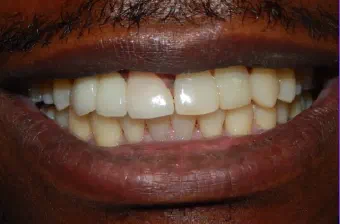
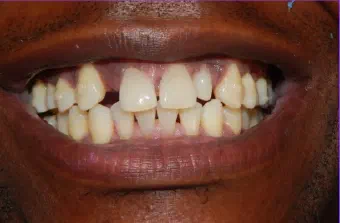
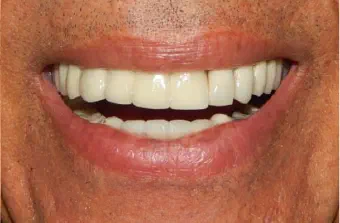
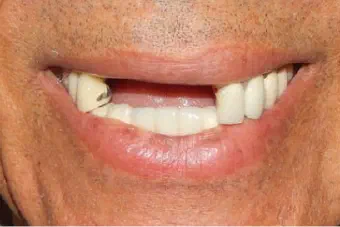
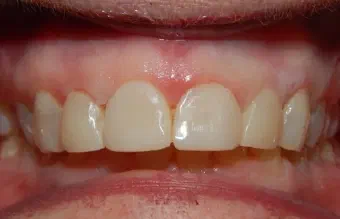
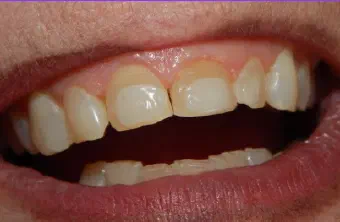
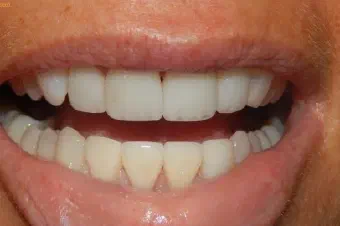
Before & after smile gallery.

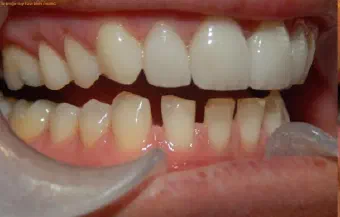
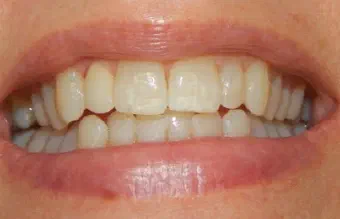
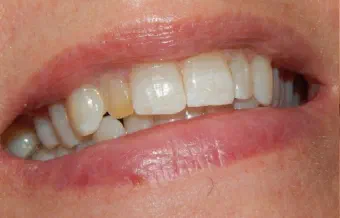
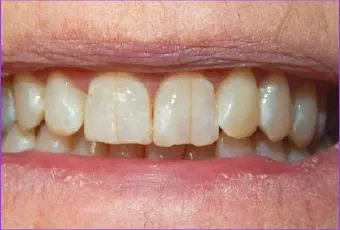
Drag the centre line to compare each real case treated by our dental team. Every smile begins with a personal assessment and a plan shaped around the patient.

Areas We Serve

Neighbourhood dental care, close to home.

Located in Cookstown, Innisfil, our dental team welcomes patients from communities across South Simcoe, Barrie, and northern York Region.

Get directions
  • Cookstown
  • Innisfil
  • Simcoe
  • Lake Simcoe
  • Alcona
  • Stroud
  • Lefroy–Belle Ewart
  • Gilford
  • Churchill
  • Sandy Cove
  • Innisfil Heights
  • Fennell’s Corners
  • Bradford
  • Bradford West Gwillimbury
  • Bond Head
  • Newton Robinson
  • New Tecumseth
  • Alliston
  • Beeton
  • Tottenham
  • Adjala–Tosorontio
  • Everett
  • Loretto
  • Barrie
  • Essa
  • Thornton
  • Baxter
  • Angus
  • Egbert
  • Ivy
  • Utopia
  • York Region
  • East Gwillimbury
  • Queensville
  • Holland Landing
  • Sharon
  • Schomberg
  • Nobleton

Don’t see your community listed? Contact us—we regularly welcome patients from throughout the surrounding region.

Google reviews

Kind words from our patients.

Read what patients have shared about their visits to Cookstown Dental Centre.

A dentist having a friendly consultation with a patient in a bright dental clinic

Your next step

Ready to feel good about your next dental visit?

Whether you are new to the clinic or returning for care, our team is here to make booking simple and answer your questions.

Call Book Now WhatsApp

How can we help?

The Cookstown Dental team is here for you.

Need an appointment, have a question, or want to talk through your options? Choose the next step that works best for you.

Send us a note

We’ll get back to you as soon as we can.