Cookstown Dental Centre
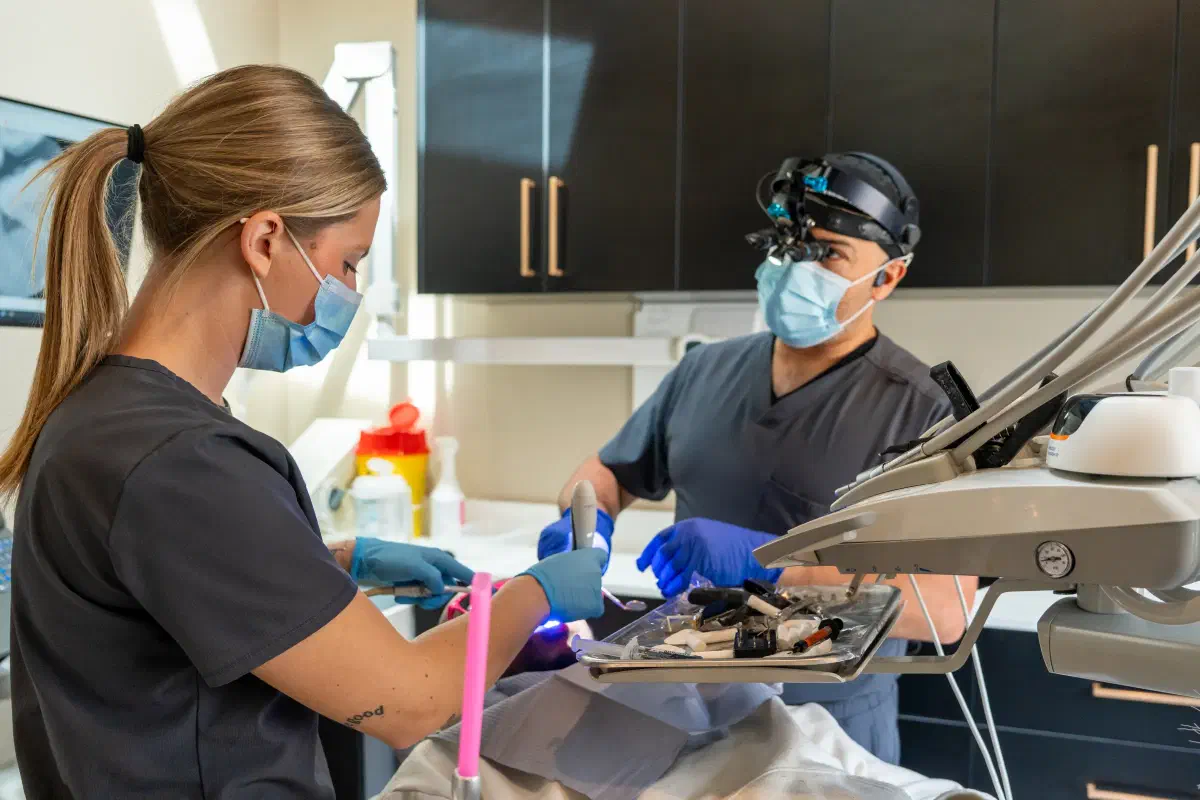
The Cookstown Dental Centre team caring for a patient in a treatment room

Specialized Care · Cookstown

Ask what a laser would add to a diagnosed gum-treatment plan.

Laser gum treatment is a technique, not a diagnosis. Review the proposed role, evidence limits, alternatives, provider availability, and periodontal follow-up.

Request an appointment

Let’s find a time that works.

Need urgent dental help? Call (705) 291-2222.

Laser Gum Treatment in Cookstown

The decision should begin with the gum condition, not the device.

Dental lasers can be used in selected periodontal or soft-tissue procedures, but the word laser does not describe one identical treatment. Its role depends on the diagnosis, wavelength or system, technique, and clinical purpose. A laser recommendation should explain what tissue or problem is being addressed and how it fits with conventional periodontal care.

At Cookstown Dental Centre, assessment can clarify the gum findings and appropriate treatment or referral options. Confirm which procedures and equipment are available before assuming a particular laser service is provided. Laser treatment should not be promoted as a guaranteed cure for periodontitis, a way to regrow all lost bone, or a universally superior replacement for scaling and root planing. The expected benefit, uncertainty, risks, and follow-up deserve the same discussion as any other intervention.
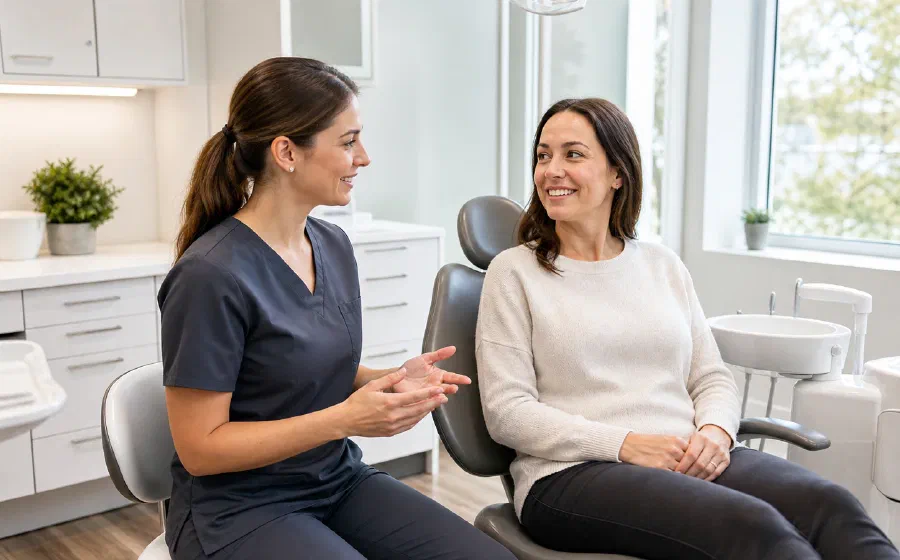
Dentist discussing gum treatment with a patient using a tooth model in a bright clinic

Planning together

Clarify the procedure behind the name.

A device label is not enough information for informed treatment planning.

Identify the diagnosed condition

Ask whether the concern is periodontal inflammation, a pocket, a soft-tissue contour, or another finding. The clinical assessment should establish the indication before a tool is selected. Different diagnoses may require different treatment, and the presence of a laser does not make one procedure appropriate for all of them.

Ask how the laser is intended to be used

The provider should explain whether it is an adjunct to mechanical treatment, part of a surgical procedure, or another defined application. Clarify which clinician performs it and the available workflow. A vague promise of advanced technology does not explain the actual scope or expected outcome.

What we consider

Evaluate the periodontal foundation of the plan.

The same diagnostic information matters whether or not a laser is considered.

Inflammation, deposits, and pocket findings

Measurements, bleeding, plaque and calculus, and cleaning access guide the diagnosis and treatment sites. A laser does not remove the need to identify and manage deposits appropriately. The provider should connect the proposed method to the findings rather than use it as a standard addition without an explained indication.

Bone support and disease history

Relevant images and previous records help assess support and progression. Existing loss influences prognosis and maintenance. No tool should be presented as a guarantee that all lost attachment or bone will return, and selected regenerative possibilities need their own site-specific discussion.

Health factors and daily plaque control

Smoking, diabetes, medications, and practical cleaning barriers can affect the care plan. These factors remain relevant when laser treatment is used. The procedure cannot replace an effective home routine, risk management, or the need for ongoing professional assessment.

Understanding the options

Compare the proposed method with conventional alternatives.

Benefits should be described using the actual procedure and evidence.

Established nonsurgical and surgical options

Scaling and root planing, maintenance, and selected surgical approaches may be appropriate according to the diagnosis. These should be discussed as real alternatives or complementary care. The comparison includes the expected outcome, discomfort, appointments, cost, and maintenance rather than assume that newer equipment automatically means better treatment.

A laser adjunct or procedure when justified

Some laser approaches may be considered for selected situations, but results and evidence vary by application. Similar outcomes to certain conventional treatments have been reported, and broad superiority should not be assumed. Ask what additional benefit is expected for your site and how that claim is supported.

Good to know

Recognize claims that go beyond a reasonable treatment discussion.

The procedure should have limits as well as intended benefits.

No universal promise of painless or risk-free treatment

Comfort measures and recovery vary with the procedure and patient. Laser use does not automatically eliminate anaesthesia, bleeding, postoperative symptoms, or complications. The provider should explain relevant risks and technique-specific precautions rather than use the device name as a substitute for informed consent.

No automatic replacement for diagnosis or tissue analysis

A suspicious lesion or unexplained tissue change may need a diagnostic pathway, including biopsy or referral when indicated. It should not simply be removed or ablated because a laser is available. The method must preserve the information needed for appropriate diagnosis and follow-up.

The appointment

Judge the treatment by the tissue response and maintenance plan.

The end of the procedure is not the end of periodontal management.

  1. Agree on the scope, alternatives, and review measures

    The clinician explains the proposed sites, methods, intended benefit, and any conventional treatment included. Ask how improvement will be assessed and what happens if the response is incomplete. A clear baseline helps make the result reviewable rather than relying only on a subjective cleaner feeling.

  2. Follow the instructions for the actual procedure

    Aftercare depends on what was done to the tissues and may differ from a routine cleaning. Confirm cleaning, eating, medication, and activity guidance where relevant. Report increasing pain, swelling, bleeding concerns, or another unexpected change rather than assume a laser procedure cannot have complications.

  3. Reassess and maintain the periodontal condition

    Clinical review determines whether inflammation and other findings have improved and whether more care is needed. Ongoing maintenance remains important after treatment for periodontitis. A laser session should not be described as permanently eliminating the need for monitoring, home care, or future treatment.

Frequently asked questions

Questions about laser gum treatment

Is laser gum treatment always better than deep cleaning?

No. The evidence and outcomes depend on the application, and superiority over appropriate conventional care should not be assumed. Ask what the laser is intended to add for your diagnosis and how it compares with scaling and root planing or other suitable options.

Does a laser regrow all lost bone?

That should not be promised. Periodontal support loss and selected regenerative treatment require site-specific assessment. The presence of a laser does not guarantee regeneration or make every defect suitable for the same procedure.

Will the treatment be painless?

No procedure should be guaranteed painless or risk-free. Comfort measures and recovery depend on the actual treatment and individual factors. The provider should explain anaesthesia, likely symptoms, and relevant risks rather than rely on the word laser as reassurance.

Can I skip regular maintenance afterward?

No. Periodontal disease management still needs daily plaque control and professional review according to the condition. A laser procedure does not permanently remove all contributing factors or replace monitoring of tissues, deposits, and supporting structures.

Is the laser service definitely available at this clinic?

Confirm the available procedures, equipment, clinician, and referral arrangements with the team. This page explains treatment considerations rather than guaranteeing a particular device or technique. Assessment comes before selecting the appropriate method and provider.

Can a laser remove any unusual gum lesion?

An unexplained or suspicious lesion needs an appropriate diagnostic plan first. Biopsy or referral may be indicated, and tissue information can be important. Removal or ablation should not bypass diagnosis simply because a laser tool is available.

How will we know whether it helped?

The provider should compare relevant clinical findings with the baseline and assess your symptoms and cleaning access. The response guides maintenance or further care. A treatment should not be judged only by immediate appearance or the technology used to perform it.

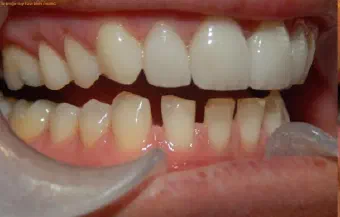
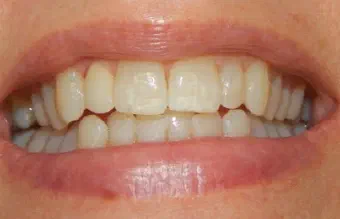
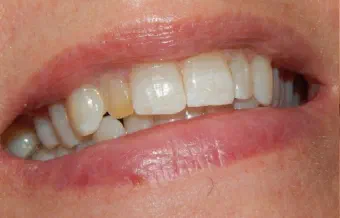
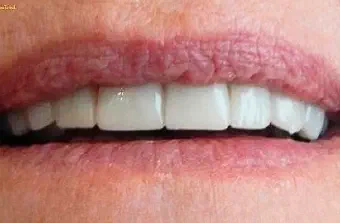
Real patient results

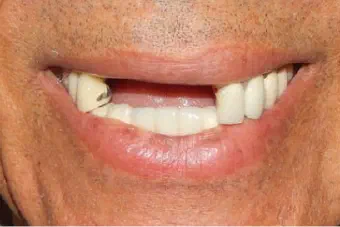
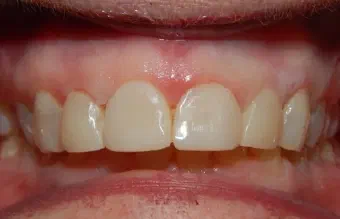
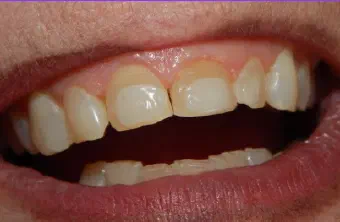
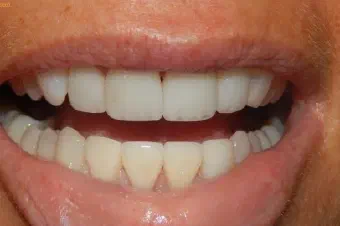
Before & after smile gallery.

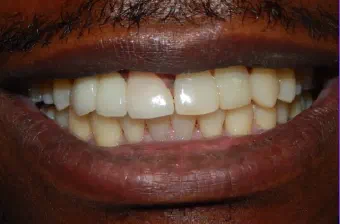
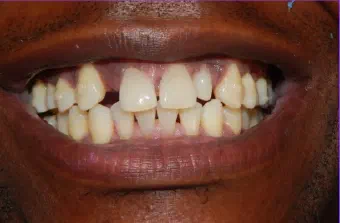
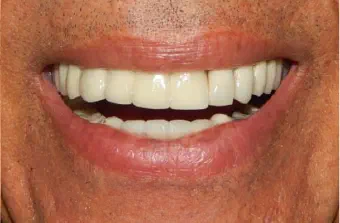
Drag the centre line to compare each real case treated by our dental team. Every smile begins with a personal assessment and a plan shaped around the patient.

Areas We Serve

Neighbourhood dental care, close to home.

Located in Cookstown, Innisfil, our dental team welcomes patients from communities across South Simcoe, Barrie, and northern York Region.

Get directions
  • Cookstown
  • Innisfil
  • Simcoe
  • Lake Simcoe
  • Alcona
  • Stroud
  • Lefroy–Belle Ewart
  • Gilford
  • Churchill
  • Sandy Cove
  • Innisfil Heights
  • Fennell’s Corners
  • Bradford
  • Bradford West Gwillimbury
  • Bond Head
  • Newton Robinson
  • New Tecumseth
  • Alliston
  • Beeton
  • Tottenham
  • Adjala–Tosorontio
  • Everett
  • Loretto
  • Barrie
  • Essa
  • Thornton
  • Baxter
  • Angus
  • Egbert
  • Ivy
  • Utopia
  • York Region
  • East Gwillimbury
  • Queensville
  • Holland Landing
  • Sharon
  • Schomberg
  • Nobleton

Don’t see your community listed? Contact us—we regularly welcome patients from throughout the surrounding region.

Google reviews

Kind words from our patients.

Read what patients have shared about their visits to Cookstown Dental Centre.

A dentist having a friendly consultation with a patient in a bright dental clinic

Your next step

Ready to feel good about your next dental visit?

Whether you are new to the clinic or returning for care, our team is here to make booking simple and answer your questions.

Call Book Now WhatsApp

How can we help?

The Cookstown Dental team is here for you.

Need an appointment, have a question, or want to talk through your options? Choose the next step that works best for you.

Send us a note

We’ll get back to you as soon as we can.