Cookstown Dental Centre
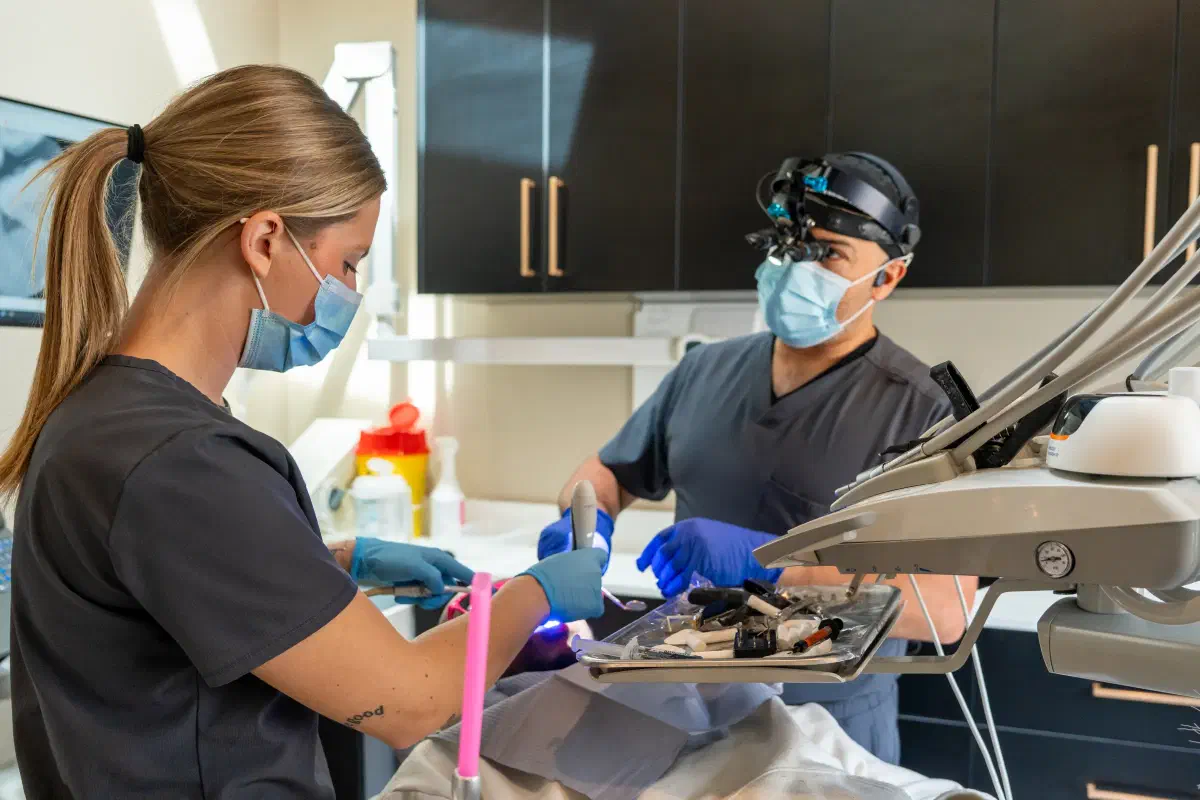
The Cookstown Dental Centre team caring for a patient in a treatment room

Specialized Care · Cookstown

Use a focused visit to assess the dental concern that cannot wait.

A limited emergency exam addresses a specific problem. Understand its scope, targeted tests, immediate recommendations, and why broader dental care may follow.

Request an appointment

Let’s find a time that works.

Need urgent dental help? Call (705) 291-2222.

Limited Emergency Examinations in Cookstown

Limited describes the scope of the examination, not the importance of the concern.

A limited emergency examination focuses on a particular symptom or problem, such as one painful tooth, a lost restoration, localized swelling, or an injury. It helps establish the relevant diagnosis and next step within that scope. It does not necessarily include a complete review of every tooth, all preventive needs, or a full long-term treatment plan.

At Cookstown Dental Centre, we clarify the presenting concern and expand or redirect the assessment when the findings require it. A focused appointment should not overlook medical warning signs or a problem extending beyond the area first described. You should understand what has been examined, what treatment is recommended, and whether another visit is needed for definitive care or a broader assessment. A narrow booking description should not become a reason to leave significant findings unexplained.
A dentist listening to a patient describe a single urgent dental concern

Good to know

Agree on what the visit is intended to answer.

A clear scope helps avoid assumptions about what an urgent appointment includes.

One main symptom or damaged area

Describe the problem that prompted the booking, when it started, and how it affects you. The dentist examines the relevant area and surrounding findings. A focused approach can be appropriate, but the actual examination may need to consider another tooth or tissue if the symptoms are not coming from the expected location.

A distinction from comprehensive dental care

A limited exam does not automatically establish that all other teeth and tissues are healthy. A comprehensive assessment may be recommended after urgent needs are addressed. That recommendation should explain what remains to be evaluated rather than imply that the first visit was a complete routine checkup.

Planning together

Bring information that makes targeted assessment more accurate.

A short visit benefits from a clear history, not from withholding relevant details.

The symptom course and previous care

Tell the clinician about earlier episodes, recent dental work, injury, or a temporary restoration in the area. Bring detached pieces or available relevant records where appropriate. A recurring problem may need a different plan from a first episode, even when the immediate symptom sounds the same on the phone.

Medical details and changes in urgency

Provide medications, allergies, relevant conditions, and what you have taken for the current problem. Report swelling progression, fever, difficulty opening, or feeling unwell. Breathing or swallowing difficulty, eye involvement, or rapidly spreading facial or neck swelling requires urgent medical assessment rather than waiting for a limited dental slot.

What we consider

Expect tests chosen to answer the clinical question.

The scope follows the findings rather than a preset number of images or procedures.

Tooth and restoration tests

The dentist may assess temperature response, biting symptoms, percussion, contacts, fractures, or restoration fit according to the concern. No single test establishes every diagnosis. The results should be considered together before recommending irreversible treatment, particularly when pain is difficult to localize.

Gum, soft-tissue, and functional findings

A localized pocket, lesion, trauma, or restricted opening may explain symptoms that initially sound tooth-related. The clinician considers these possibilities and the need for broader evaluation. A limited examination should still identify when the problem falls outside a simple restoration repair.

Indicated imaging and record comparison

An image may help investigate a root, support, fracture concern, or other question. Existing records can sometimes contribute. The provider explains why new imaging is needed and what it can or cannot show, rather than assume the visit requires either every possible image or none at all.

Understanding the options

Understand the possible outcomes of the focused examination.

Diagnosis can lead to treatment, a planned next visit, or another assessment pathway.

A clear finding with an appropriate treatment option

The dentist explains the diagnosis, alternatives, and urgency. Treatment may be possible at the same visit if conditions and arrangements allow, but this should be confirmed. A fee or booking for examination should not be interpreted as an automatic promise that every necessary procedure will be completed immediately.

Uncertainty or a need for referral

Some symptoms require additional tests, time, specialist input, or medical evaluation. The plan should state what remains uncertain and how it will be addressed. Providing temporary protection or advice can be appropriate, but it needs a defined next step rather than open-ended reassurance without reassessment.

Step by step

Connect the focused findings to complete care.

The value of the visit includes what happens after the immediate question is answered.

  1. Leave with the scope and recommendations clear

    Ask what was examined, what was found, and which treatment is urgent or planned. If medication or a temporary is provided, understand its purpose and limits. A reduction in symptoms should not be mistaken for completion of a procedure that has not yet been performed.

  2. Arrange the appropriate next appointment

    This may be definitive treatment, a specialist visit, a review of an uncertain finding, or a comprehensive examination. When providers share care, relevant records can help maintain continuity. The next visit should have a stated purpose rather than simply repeat the same limited exam without progress.

  3. Report changes before the scheduled date

    Worsening pain, swelling, bleeding, or loss of function should prompt contact. Emergency warning signs require urgent medical care even after a recent dental assessment. A limited diagnosis applies to the findings at that time and should not be used to dismiss a new symptom pattern.

Frequently asked questions

Questions about limited emergency examinations

Does limited mean a less thorough examination?

It describes a focused scope for a particular concern, not permission to ignore relevant findings. The dentist assesses the problem and surrounding information needed for diagnosis. A broader examination may still be necessary for other teeth and preventive needs.

How is this different from an emergency dental examination?

The terms can overlap. Limited emphasizes that the assessment is directed at a specific problem rather than a comprehensive checkup. The actual scope should be explained when booking and after examination instead of treating the labels as automatically separate procedures.

Will I receive treatment at the same visit?

That depends on the diagnosis, clinical requirements, available time, and provider arrangements. The examination can identify the next step without guaranteeing immediate definitive treatment. Ask what the appointment includes and what happens if further care is needed.

Can a limited exam rule out problems in all my teeth?

No. It should not be treated as a complete assessment of the entire mouth unless that broader scope is actually performed. After the urgent issue is managed, a comprehensive examination may be recommended to identify other needs.

Do I need to transfer all my old records first?

Relevant records can help, especially for previous treatment in the affected area, but urgent care should not be delayed solely to collect a complete file. Tell the team what is available so they can advise on useful information and necessary current assessment.

What if the dentist cannot identify the cause immediately?

Further tests, review, referral, or medical assessment may be appropriate. The provider should explain the uncertainty and next step, including interim instructions. An unclear finding should not be replaced with an unsupported irreversible treatment just to provide a quick answer.

Should I return if the symptoms change after the exam?

Yes, contact the clinic about worsening or new symptoms. Rapid swelling, breathing or swallowing difficulty, eye involvement, or other serious signs require urgent medical care. A recent focused examination does not mean every later change is expected or safe to wait on.

Real patient results

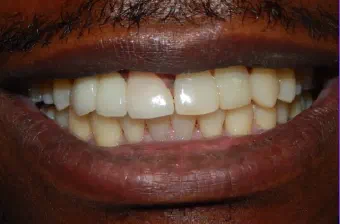
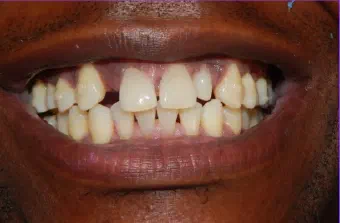
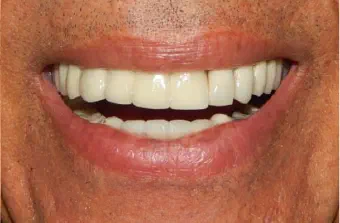
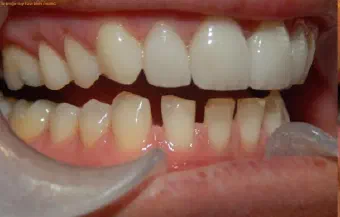
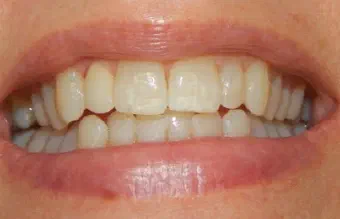
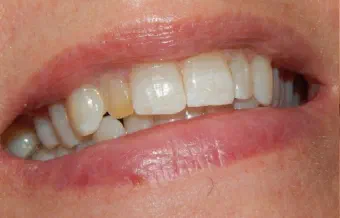
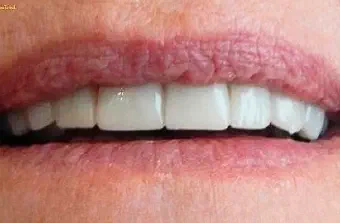
Before & after smile gallery.

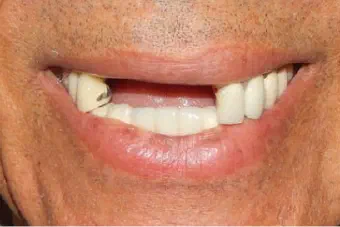
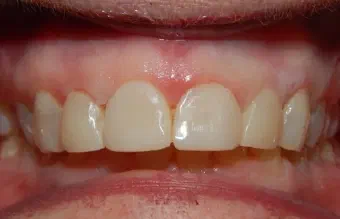
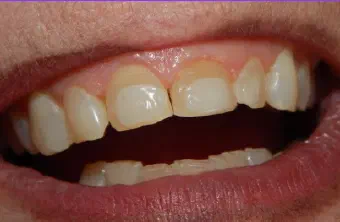
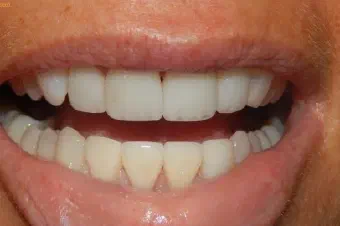
Drag the centre line to compare each real case treated by our dental team. Every smile begins with a personal assessment and a plan shaped around the patient.

Areas We Serve

Neighbourhood dental care, close to home.

Located in Cookstown, Innisfil, our dental team welcomes patients from communities across South Simcoe, Barrie, and northern York Region.

Get directions
  • Cookstown
  • Innisfil
  • Simcoe
  • Lake Simcoe
  • Alcona
  • Stroud
  • Lefroy–Belle Ewart
  • Gilford
  • Churchill
  • Sandy Cove
  • Innisfil Heights
  • Fennell’s Corners
  • Bradford
  • Bradford West Gwillimbury
  • Bond Head
  • Newton Robinson
  • New Tecumseth
  • Alliston
  • Beeton
  • Tottenham
  • Adjala–Tosorontio
  • Everett
  • Loretto
  • Barrie
  • Essa
  • Thornton
  • Baxter
  • Angus
  • Egbert
  • Ivy
  • Utopia
  • York Region
  • East Gwillimbury
  • Queensville
  • Holland Landing
  • Sharon
  • Schomberg
  • Nobleton

Don’t see your community listed? Contact us—we regularly welcome patients from throughout the surrounding region.

Google reviews

Kind words from our patients.

Read what patients have shared about their visits to Cookstown Dental Centre.

A dentist having a friendly consultation with a patient in a bright dental clinic

Your next step

Ready to feel good about your next dental visit?

Whether you are new to the clinic or returning for care, our team is here to make booking simple and answer your questions.

Call Book Now WhatsApp

How can we help?

The Cookstown Dental team is here for you.

Need an appointment, have a question, or want to talk through your options? Choose the next step that works best for you.

Send us a note

We’ll get back to you as soon as we can.