Cookstown Dental Centre
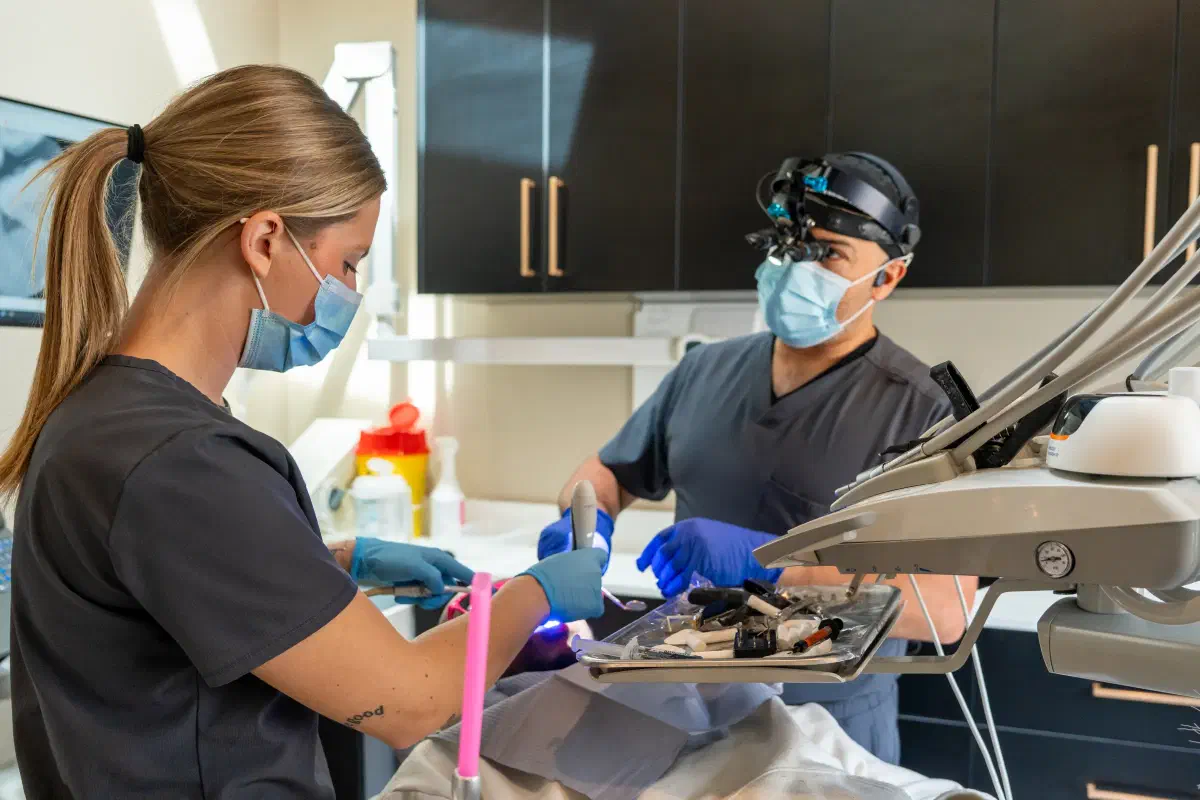
The Cookstown Dental Centre team caring for a patient in a treatment room

Specialized Care · Cookstown

Find out why an adult tooth has become loose before deciding how to stabilize it.

A loose adult tooth needs assessment of support, injury, inflammation, and bite forces. Explore preservation, stabilization, treatment limits, and follow-up.

Request an appointment

Let’s find a time that works.

Need urgent dental help? Call (705) 291-2222.

Loose Adult Tooth Treatment in Cookstown

Mobility is a finding to investigate, not a reason to pull the tooth yourself.

An adult tooth may become mobile because of periodontal support loss, an injury, inflammation, excessive loading, or another structural problem. A crown or restoration can also move while the tooth beneath it remains stable. These situations require different care, and repeatedly wiggling the area at home cannot reliably identify which one is present.

Contact Cookstown Dental Centre about new or increasing movement, especially after trauma or with pain, swelling, or a changed bite. We assess the tooth, restoration, gums, support, and relevant images before discussing treatment. Some teeth can be preserved with care directed at the cause; others have an unsuitable prognosis. Stabilization may have a role in selected cases, but connecting a loose tooth to its neighbours does not by itself treat infection or regenerate lost periodontal support.
A dentist explaining natural tooth support to a patient concerned about mobility

Understanding movement

Distinguish tooth movement from a loose restoration.

The moving part affects both the urgency and the treatment options.

A crown, filling, or bridge component

A restoration can loosen or fracture and create the impression that the whole tooth is unstable. Avoid chewing on it and keep detached parts safely. The dentist examines the connection and underlying tooth before deciding on repair, recementation, or a different restoration.

The natural tooth moving within its support

True tooth mobility requires assessment of the periodontal tissues, root, injury history, and loading. A sudden change after trauma can need prompt stabilization or other care. Gradual movement may have a different cause, but absence of pain does not make it appropriate to leave unexplained.

What we consider

Assess the source of the mobility and the remaining prognosis.

The amount of movement is only one part of the decision.

Gum disease and supporting bone

Periodontal measurements, inflammatory findings, and indicated images help assess support. Advanced disease can affect mobility, but the tooth’s outlook depends on the whole situation. The clinician explains whether treatment and maintenance offer a reasonable preservation plan rather than decide from movement alone.

Trauma, root injury, or a crack

A blow, fracture, or root-related problem may require different tests and follow-up. Tell the dentist when the change occurred and whether the tooth shifted position. Some injuries can be managed with professional stabilization, while others limit restorability; the diagnosis determines the appropriate approach.

Bite forces and local inflammation

Contacts, clenching-related loading, or inflammation can influence how the tooth feels and moves. These findings need interpretation alongside support and structure. Reducing a force or splinting a tooth should not be used to conceal untreated disease or justify broad bite changes without a separate indication.

Understanding the options

Consider stabilization as one part of cause-directed care.

A firmer feeling is useful only when the underlying condition is also managed.

Preserve and support a suitable tooth

Periodontal treatment, trauma care, correction of a specific restorative problem, or other indicated treatment may help maintain the tooth. A splint can be considered in selected situations with a defined purpose and review. It should allow appropriate cleaning and not be presented as a universal cure for mobility.

Remove a tooth with an unsuitable outlook

Severe structural damage, inadequate support, or another finding may make extraction appropriate. The dentist explains the reasons and alternatives, including the implications for neighbouring teeth and replacement. An irreversible decision should follow assessment rather than the patient’s fear that any movement inevitably means failure.

Practical guidance

Avoid adding stress while awaiting assessment.

Practical precautions should protect the area without attempting a home repair.

Do not repeatedly test or pull the tooth

Avoid wiggling it with fingers or the tongue and choose foods that do not load the area. Do not glue it to another tooth or use a home splint. After trauma, seek prompt care because time and injury type can affect the available treatment and prognosis.

Keep the area clean with appropriate guidance

Continue gentle oral care as tolerated and ask how to clean a painful or splinted area. Avoid sharp tools or forceful probing around the gum. Swelling, drainage, fever, or rapidly changing symptoms should be reported rather than managed by avoiding the tooth indefinitely.

The appointment

Review stability, tissue response, and long-term usability.

Follow-up determines whether the initial approach is meeting its purpose.

  1. Record the starting condition and treatment goal

    The clinician documents mobility, support, symptoms, and relevant records. You should understand whether the plan aims to allow injury healing, control disease, repair a restoration, or assess prognosis over time. The reason for any temporary stabilization should be clear before it is placed.

  2. Reassess after the indicated care

    The review examines the tissue response, symptoms, function, and any splint or restoration. A change in mobility is interpreted with other findings. If the tooth remains compromised, the plan may need revision rather than repeated stabilization without addressing why it is not improving.

  3. Plan maintenance or replacement according to the outcome

    A preserved tooth may need periodontal maintenance, trauma follow-up, or restorative care. If removal becomes appropriate, replacement choices are considered in the wider bite and support context. New pain, swelling, or worsening movement should prompt earlier contact rather than wait for a routine review.

Frequently asked questions

Questions about loose adult tooth treatment

Does a loose adult tooth always need extraction?

No. Some causes can be treated and the tooth maintained, while other findings make preservation unsuitable. The dentist assesses support, structure, injury, and inflammation before discussing prognosis. Movement alone does not provide the complete answer.

Can the dentist splint it to another tooth?

A splint may be appropriate in selected trauma or mobility situations, but it needs a clear purpose and follow-up. It does not replace treatment of periodontal disease or infection. The design should also allow suitable cleaning and avoid creating new problems.

Should I keep checking whether it is getting looser?

Avoid repeatedly wiggling or loading the tooth. Describe the change and arrange assessment instead. Testing it with fingers, the tongue, or hard chewing can add stress without reliably establishing the cause or prognosis.

What if it became loose after a sports injury?

Seek prompt dental assessment and describe the time and mechanism of injury. The tooth position, root, pulp, and supporting tissues need evaluation, with stabilization or other care according to the diagnosis. Significant associated head or facial injury also needs medical assessment.

Could it just be the crown moving?

Yes. A loose restoration can feel like a mobile tooth, and the treatment can be different. Avoid chewing on the area and bring any detached part. The dentist identifies the moving structure before deciding on repair or tooth treatment.

Will gum treatment make it completely firm again?

The response depends on the cause and remaining support. Treating inflammation and disease may help selected teeth, but complete stability cannot be guaranteed. The plan should explain the prognosis and how the response will be assessed rather than promise restoration of all lost support.

When should swelling or pain make me seek urgent help?

Contact the clinic promptly for new swelling, drainage, severe pain, or rapid changes in movement. Breathing or swallowing difficulty, spreading facial or neck swelling, or serious systemic symptoms requires emergency medical assessment rather than waiting for routine mobility review.

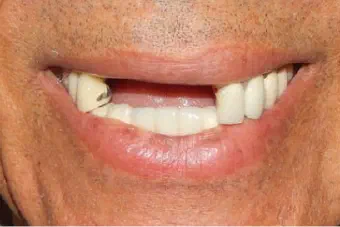
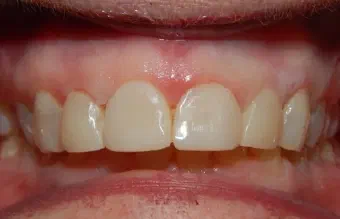
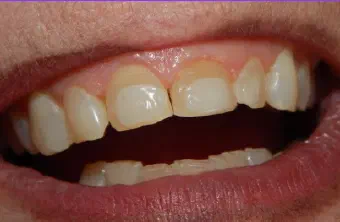
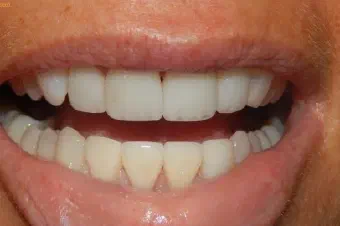
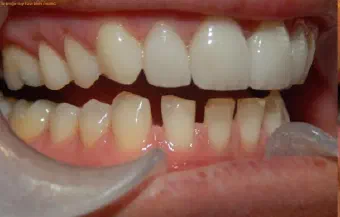
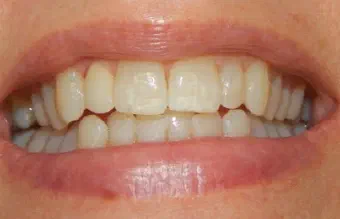
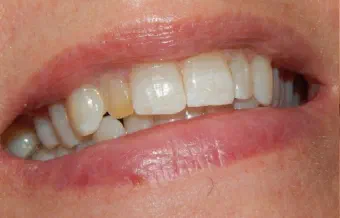
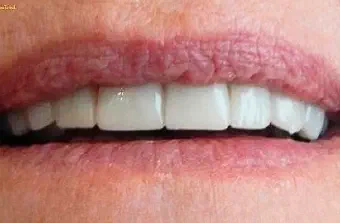
Real patient results

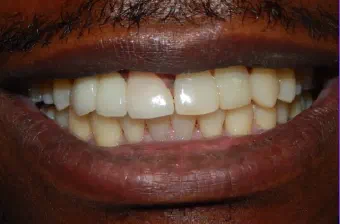
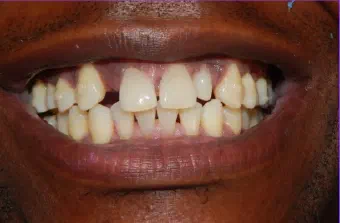
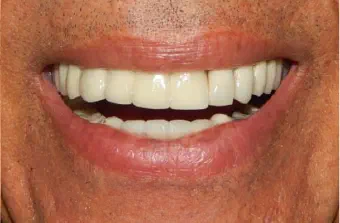
Before & after smile gallery.

Drag the centre line to compare each real case treated by our dental team. Every smile begins with a personal assessment and a plan shaped around the patient.

Areas We Serve

Neighbourhood dental care, close to home.

Located in Cookstown, Innisfil, our dental team welcomes patients from communities across South Simcoe, Barrie, and northern York Region.

Get directions
  • Cookstown
  • Innisfil
  • Simcoe
  • Lake Simcoe
  • Alcona
  • Stroud
  • Lefroy–Belle Ewart
  • Gilford
  • Churchill
  • Sandy Cove
  • Innisfil Heights
  • Fennell’s Corners
  • Bradford
  • Bradford West Gwillimbury
  • Bond Head
  • Newton Robinson
  • New Tecumseth
  • Alliston
  • Beeton
  • Tottenham
  • Adjala–Tosorontio
  • Everett
  • Loretto
  • Barrie
  • Essa
  • Thornton
  • Baxter
  • Angus
  • Egbert
  • Ivy
  • Utopia
  • York Region
  • East Gwillimbury
  • Queensville
  • Holland Landing
  • Sharon
  • Schomberg
  • Nobleton

Don’t see your community listed? Contact us—we regularly welcome patients from throughout the surrounding region.

Google reviews

Kind words from our patients.

Read what patients have shared about their visits to Cookstown Dental Centre.

A dentist having a friendly consultation with a patient in a bright dental clinic

Your next step

Ready to feel good about your next dental visit?

Whether you are new to the clinic or returning for care, our team is here to make booking simple and answer your questions.

Call Book Now WhatsApp

How can we help?

The Cookstown Dental team is here for you.

Need an appointment, have a question, or want to talk through your options? Choose the next step that works best for you.

Send us a note

We’ll get back to you as soon as we can.