Cookstown Dental Centre
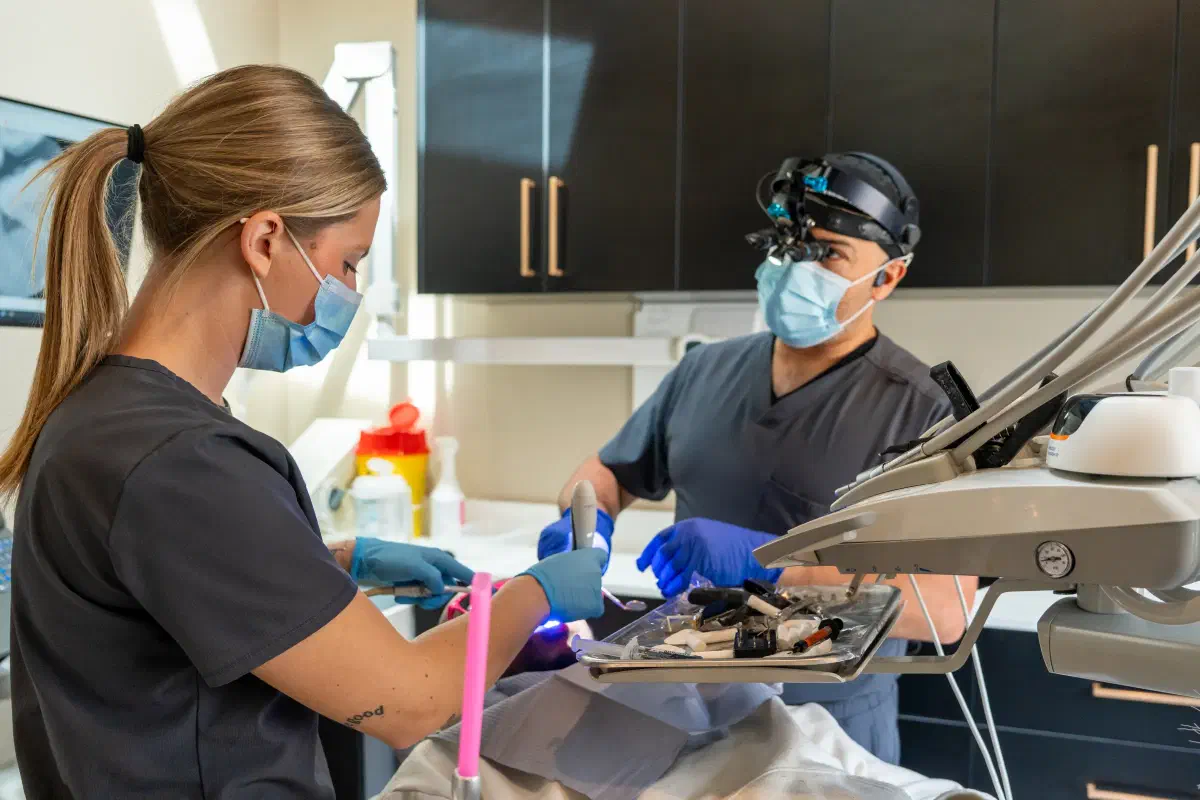
The Cookstown Dental Centre team caring for a patient in a treatment room

Restorative Dentistry · Cookstown

Have a moving crown checked before it comes off.

A loose dental crown may involve cement, decay, or the supporting tooth. Learn what to avoid, what to bring, and how reuse or replacement is assessed.

Request an appointment

Let’s find a time that works.

Need urgent dental help? Call (705) 291-2222.

Loose Dental Crown Treatment in Cookstown

Movement is a symptom; the examination identifies what has loosened.

A crown that rocks, clicks, or feels different when you bite should be assessed. The problem may involve the cement seal, the crown itself, or the tooth and restoration beneath it. Sometimes a crown can be reused, while other findings call for repair of the foundation, a new crown, or a different treatment plan.

Until the cause is known, repeatedly testing the crown can make it harder to manage safely. At Cookstown Dental Centre, we examine the restoration and supporting tooth before discussing recementation. Let the clinic know if the crown is still attached, whether there is pain or swelling, and whether the tooth has had root canal treatment. A partially attached crown and a completely missing crown may need different practical instructions while you wait.
A dentist assessing a dental crown with a patient during a consultation

Practical guidance

Reduce unnecessary stress while arranging assessment.

The aim is to protect the area without trying to repair it yourself.

Avoid using the crown as a test tooth

Choose food that does not load the affected area and avoid sticky or hard foods there. Do not keep rocking the crown with your tongue, fingers, or repeated biting. Contact the clinic for advice about timing, especially when the restoration seems at risk of coming away.

Keep detached parts safely if they come off

If the crown detaches, keep it in a clean container and bring it to the appointment. Do not use household glue or force it back into place. If a piece of tooth or a post remains inside the crown, leave it as found for the dentist to examine.

What we consider

Look for the cause beneath the movement.

A loose crown can hide more than a loss of cement.

Crown fit and material condition

The restoration is examined for cracks, distortion, margin problems, and wear. A crown that appears intact from the outside may still have an unsuitable fit. Reusing it makes sense only when its condition and relationship to the tooth support a reliable result.

The tooth and internal restoration

Decay, a fractured core, or a crack can change the foundation. The dentist assesses what sound structure remains and whether additional treatment is needed. If a post or tooth fragment has come away with the crown, that finding affects the plan rather than being treated as loose cement alone.

Bite and contributing forces

An uneven contact, clenching, grinding, or a recent change in opposing teeth may contribute to repeated loosening. The pattern is considered alongside the fit and foundation. Correcting a contributing factor may matter more than simply using a different cement without understanding why the crown moved.

Understanding the options

Discuss reuse only after the supporting tooth is assessed.

The least extensive suitable option depends on what the examination reveals.

Recement a suitable existing crown

When the tooth is sound enough and the crown remains appropriate, professional recementation may be possible. The clinician checks the fit, cleans the relevant surfaces, and follows the planned technique. This option is not a guarantee that every loose crown can be kept indefinitely.

Repair the foundation or change the restoration

Decay, fractures, or an unsuitable crown may require more treatment. The plan could involve a new core, crown replacement, or further assessment of restorability. The reason should be explained clearly, including whether the existing crown can serve any temporary role while definitive care is arranged.

The appointment

Expect assessment before a final repair decision.

The sequence may change when the crown and underlying tooth can be examined directly.

  1. Describe the history and current symptoms

    Tell the dentist when movement began, whether the crown has loosened before, and what triggers discomfort. Bring previous information if treatment was done elsewhere. A lack of pain is useful history, but it does not rule out decay or a structural problem beneath the restoration.

  2. Examine the restoration and supporting structures

    Clinical tests and imaging may be used as indicated. The crown may need professional removal to assess the foundation fully. Discuss this possibility and any temporary protection before treatment, especially if the final condition cannot be established while the crown remains attached.

  3. Complete suitable care and review the bite

    The agreed treatment follows the findings, with instructions for use and cleaning afterward. If the crown feels high or remains uncomfortable, arrange review instead of waiting to wear it down. A follow-up or further restorative appointment may be needed when the initial visit provides temporary care.

Planning together

Know when the symptoms change the urgency.

Contact the clinic with enough detail to help plan the right assessment.

Pain, swelling, or a damaged tooth

Increasing pain, facial swelling, a bad taste with swelling, or a newly broken foundation should be reported promptly. The loose crown may be only one part of the problem. Seek emergency care for rapidly spreading swelling or difficulty breathing or swallowing rather than waiting for routine recementation.

Repeated loosening without much discomfort

A crown that has come loose more than once deserves a review of the underlying reason. The absence of pain does not make repeated cement failure harmless. Ask whether the fit, remaining tooth, bite, or restoration design makes continued reuse a reasonable long-term approach.

Frequently asked questions

Questions about loose dental crown treatment

Can a loose crown simply be glued back on?

Professional recementation may be possible when the crown and supporting tooth are suitable. An examination comes first because decay, fractures, or poor fit can also cause movement. Household glue should never be used in the mouth.

Should I pull off a crown that is moving?

Do not force or deliberately remove it yourself. Contact the clinic for advice based on how loose it is and your symptoms. If it detaches on its own, keep it safely and bring it to the appointment.

Why is there no pain even though the crown is loose?

Movement does not always cause pain, especially when the tooth has previously had root canal treatment. Other underlying problems can also be painless. The absence of discomfort does not establish that the crown or tooth is sound.

Can I eat normally until the appointment?

Avoid loading the affected crown with hard or sticky foods and follow the clinic’s advice. Repeatedly chewing on it can worsen movement or damage. Tell the team if it feels likely to detach so they can advise on timing.

What if part of the tooth is inside the crown?

Keep the crown and attached material as found and bring them in. This may indicate a foundation fracture or another structural problem that affects the repair options. Do not try to separate the pieces or force the assembly back into place.

Does a loose crown mean I need a root canal?

Not automatically. Root canal treatment is considered according to the condition of the pulp and surrounding tissues, not movement alone. The examination identifies whether the problem involves the crown, the tooth structure, or an additional dental condition.

Will recementation solve repeated loosening?

It may not if the underlying cause remains. The dentist should assess fit, supporting structure, and bite when a crown loosens repeatedly. A different restorative plan may be more appropriate than continuing the same repair without explaining its limitations.

Real patient results

Before & after smile gallery.

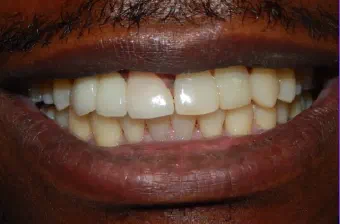
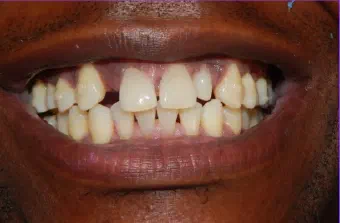
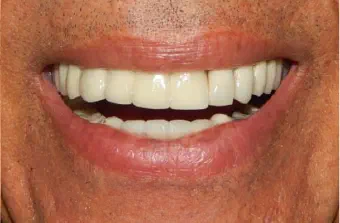
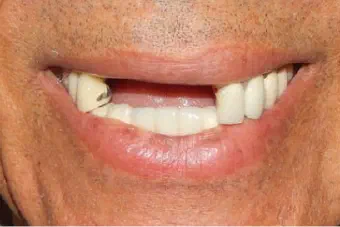
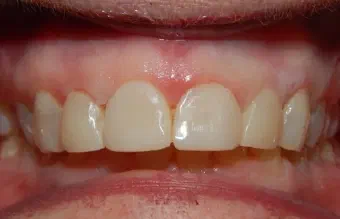
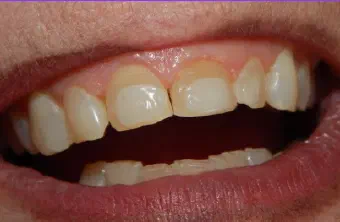
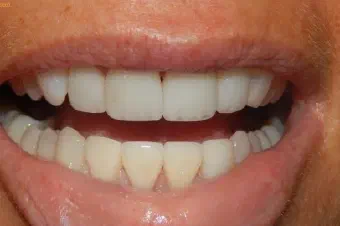
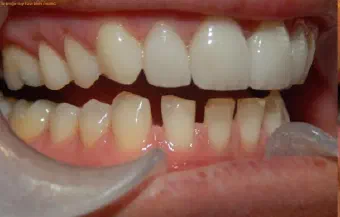
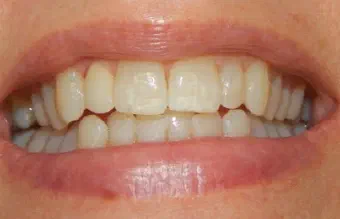
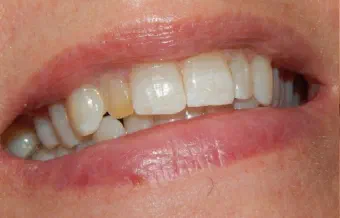
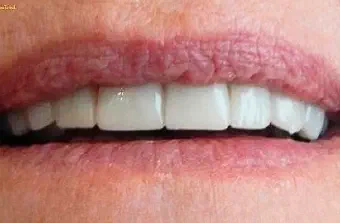
Drag the centre line to compare each real case treated by our dental team. Every smile begins with a personal assessment and a plan shaped around the patient.

Areas We Serve

Neighbourhood dental care, close to home.

Located in Cookstown, Innisfil, our dental team welcomes patients from communities across South Simcoe, Barrie, and northern York Region.

Get directions
  • Cookstown
  • Innisfil
  • Simcoe
  • Lake Simcoe
  • Alcona
  • Stroud
  • Lefroy–Belle Ewart
  • Gilford
  • Churchill
  • Sandy Cove
  • Innisfil Heights
  • Fennell’s Corners
  • Bradford
  • Bradford West Gwillimbury
  • Bond Head
  • Newton Robinson
  • New Tecumseth
  • Alliston
  • Beeton
  • Tottenham
  • Adjala–Tosorontio
  • Everett
  • Loretto
  • Barrie
  • Essa
  • Thornton
  • Baxter
  • Angus
  • Egbert
  • Ivy
  • Utopia
  • York Region
  • East Gwillimbury
  • Queensville
  • Holland Landing
  • Sharon
  • Schomberg
  • Nobleton

Don’t see your community listed? Contact us—we regularly welcome patients from throughout the surrounding region.

Google reviews

Kind words from our patients.

Read what patients have shared about their visits to Cookstown Dental Centre.

A dentist having a friendly consultation with a patient in a bright dental clinic

Your next step

Ready to feel good about your next dental visit?

Whether you are new to the clinic or returning for care, our team is here to make booking simple and answer your questions.

Call Book Now WhatsApp

How can we help?

The Cookstown Dental team is here for you.

Need an appointment, have a question, or want to talk through your options? Choose the next step that works best for you.

Send us a note

We’ll get back to you as soon as we can.