Cookstown Dental Centre
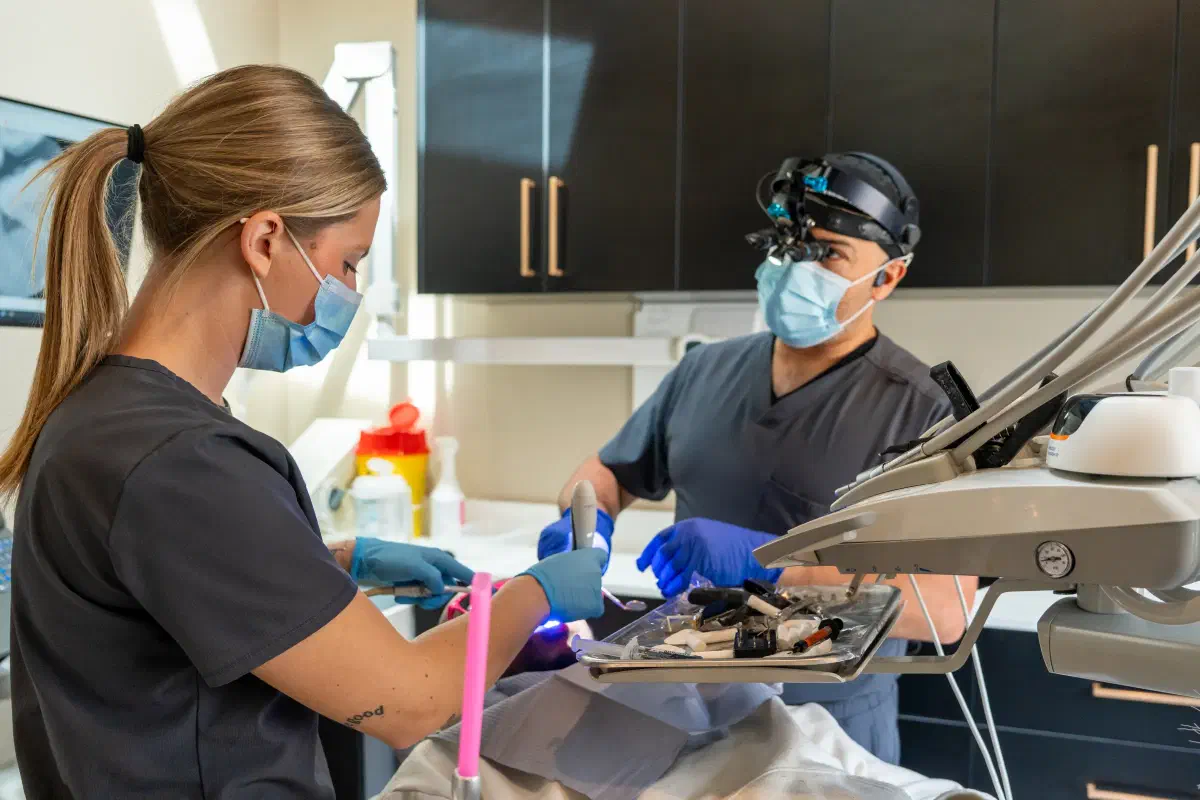
The Cookstown Dental Centre team caring for a patient in a treatment room

Restorative Dentistry · Cookstown

Have a moving implant crown assessed before further use.

An implant crown that moves or clicks needs its connection and support checked. Explore possible causes, compatible repairs, and steps to protect the area.

Request an appointment

Let’s find a time that works.

Need urgent dental help? Call (705) 291-2222.

Loose Implant Crown Repair in Cookstown

A loose crown and a loose implant are different findings.

An implant crown can feel loose because of a problem in the restoration or its connection. Movement can also involve the implant itself, which is a different concern. It is not possible to make that distinction reliably by testing the tooth at home. A professional examination identifies the moving part and assesses the surrounding tissues and support.

At Cookstown Dental Centre, we ask when the movement began, whether there was a change in the bite, and what implant records are available. Avoid repeatedly chewing on or wiggling the crown while arranging care. Repair may involve servicing a compatible component, addressing the crown, or further implant assessment. The plan should follow the finding rather than assuming that every loose-feeling implant tooth only needs a screw tightened.
A dentist explaining an implant crown connection using a dental model

Practical guidance

Protect the area and keep useful information.

Contact the clinic with a clear description of the movement and any associated symptoms.

Avoid loading a restoration that moves

Do not test the crown with hard foods, force it into position, or keep rocking it to judge how loose it is. Avoid chewing on the affected area and ask the clinic about assessment timing. New pain, swelling, or a rapidly changing situation should be described when you call.

Save detached parts and implant details

If the crown or another part comes away, store it safely and bring it in. Do not glue it back or try to turn any exposed component. An implant card, original treatment information, or previous records can help identify the connection and compatible parts needed for assessment.

What we consider

Identify which part has lost stability.

Similar sensations can arise from different locations within the implant restoration.

The crown or retaining arrangement

Depending on the design, the crown may have a cement or screw-related retention issue. Its material and fit also need inspection. A crown that looks intact may still require a different repair if the retaining arrangement or contact relationship is contributing to repeated movement.

The connecting components

An abutment, retaining screw, or another component can become loose or damaged. The clinician identifies the system and assesses compatibility and condition. A fractured component is not the same problem as one that has simply loosened, and the required treatment can differ substantially.

The implant and surrounding support

The implant body and tissues are examined separately from the visible crown. If the implant itself moves or support is affected, the situation requires an appropriate implant assessment. Tightening a prosthetic connection cannot correct a problem in the implant’s integration or surrounding bone.

Step by step

Base the repair on examination and compatible components.

The treatment sequence depends on what can be retained safely.

  1. Review records and examine the restoration

    The dentist assesses movement, tissues, contacts, and relevant images when indicated. Original component information can be especially helpful with treatment performed elsewhere. If records are missing, additional identification may be needed before selecting parts rather than guessing from appearance alone.

  2. Access and treat the affected connection

    Professional care may involve accessing the restoration, removing a component, or managing a damaged part. The provider explains the proposed repair and its limits. Some findings require additional appointments or referral, particularly when a component is fractured or the implant support needs further investigation.

  3. Check the restored function

    After suitable repair, the clinician checks fit, bite, and the integrity of the restoration. Instructions should explain use and follow-up. If the crown still clicks, moves, or feels high, arrange review instead of assuming that a repaired connection can be tested safely by chewing harder.

Understanding the options

Consider why the movement happened before repeating a repair.

A one-time component problem and repeated loosening may need different discussions.

A repairable local issue

When the crown, connection, and implant support remain suitable, a focused professional repair may restore function. The clinician should explain what was corrected and what was observed. Retaining the existing crown is considered according to its condition, not simply because it is available to reuse.

A pattern that calls for redesign or further care

Repeated loosening may relate to the bite, fit, component condition, or restoration design. Replacing or revising part of the restoration may be discussed. The aim is to address the contributing problem where possible rather than repeat the same intervention without explaining why it keeps recurring.

Care that fits

Use follow-up to protect the repaired restoration.

Mechanical repair does not replace ongoing tissue and hygiene care.

Maintain the cleaning route

Continue the cleaning method recommended for the crown and surrounding tissues. Ask if the repair changed any contour or access space. A restoration that no longer moves still needs monitoring for inflammatory signs, and bleeding or swelling should be reported rather than treated as unrelated background symptoms.

Keep records and report a recurrence promptly

Retain information about the system and any new component used. If movement returns, tell the clinic when it began and avoid loading the area. Early reassessment can help identify whether the same connection is involved or whether a different mechanical or tissue problem has developed.

Frequently asked questions

Questions about loose implant crown repair

Does movement mean my implant has failed?

Movement at the top of the implant may come from the crown attachment, an abutment, or another connection. Loss of support around the implant is a different possibility. The repair appointment checks those levels separately; repeatedly rocking the crown cannot safely establish which one is involved.

Can I tighten the implant crown at home?

No. The system, affected part, and component condition need professional identification. Incorrect tools or force can damage the restoration or connection. Contact the clinic and avoid chewing on the area while following the advice provided for your situation.

What should I bring if the crown falls out?

Bring the crown, any detached pieces, and available implant records in a safe container. Do not separate attached components or glue anything back. The parts can help the clinician assess the failure and determine whether any can be reused.

Is a clicking implant crown urgent even without pain?

Contact the clinic promptly for guidance because clicking or movement can indicate a mechanical problem. Lack of pain does not establish that continued use is safe. Describe any swelling, bite change, or increasing movement when arranging the assessment.

Will the crown always need replacement?

No. Some connection problems can be repaired while retaining a suitable crown. Damage, poor fit, or repeated failure may make replacement more appropriate. The decision depends on examination of the restoration and support rather than movement alone.

Can a dentist repair an implant placed elsewhere?

It may be possible after assessing the implant and identifying compatible components. Original records are useful, and some cases need coordination with the original provider or a specialist. The available parts and clinical findings determine the scope of care.

Why would the crown loosen again after repair?

Repeated movement can involve the bite, fit, component wear, or design, among other factors. It deserves reassessment rather than simply repeating the same repair. The provider should explain any contributing findings and whether a different restoration plan is appropriate.

Real patient results

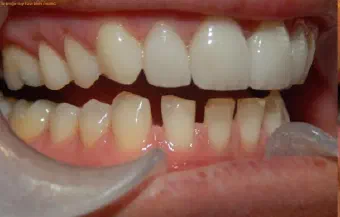
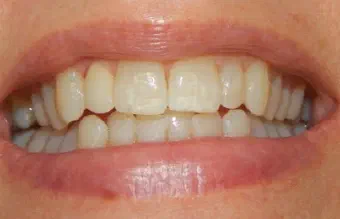
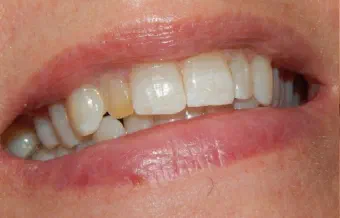
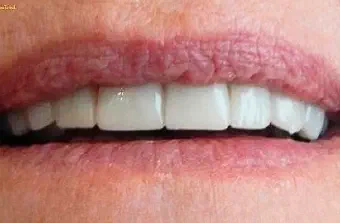
Before & after smile gallery.

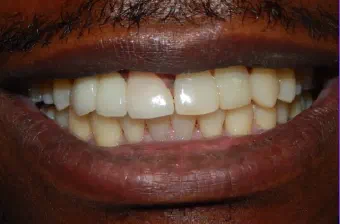
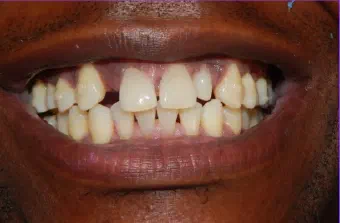
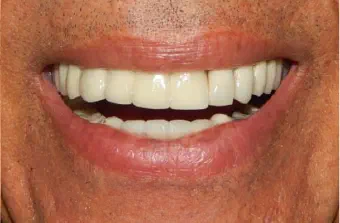
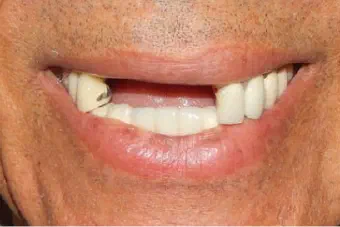
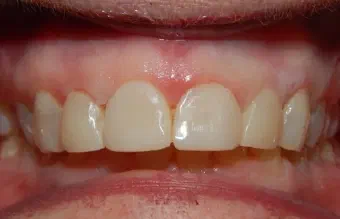
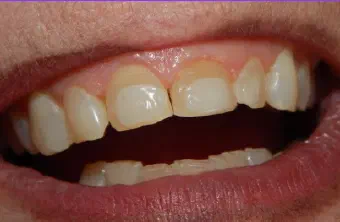
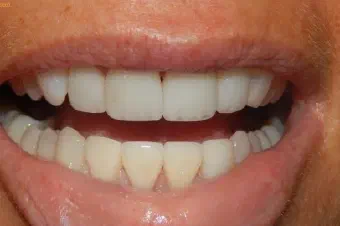
Drag the centre line to compare each real case treated by our dental team. Every smile begins with a personal assessment and a plan shaped around the patient.

Areas We Serve

Neighbourhood dental care, close to home.

Located in Cookstown, Innisfil, our dental team welcomes patients from communities across South Simcoe, Barrie, and northern York Region.

Get directions
  • Cookstown
  • Innisfil
  • Simcoe
  • Lake Simcoe
  • Alcona
  • Stroud
  • Lefroy–Belle Ewart
  • Gilford
  • Churchill
  • Sandy Cove
  • Innisfil Heights
  • Fennell’s Corners
  • Bradford
  • Bradford West Gwillimbury
  • Bond Head
  • Newton Robinson
  • New Tecumseth
  • Alliston
  • Beeton
  • Tottenham
  • Adjala–Tosorontio
  • Everett
  • Loretto
  • Barrie
  • Essa
  • Thornton
  • Baxter
  • Angus
  • Egbert
  • Ivy
  • Utopia
  • York Region
  • East Gwillimbury
  • Queensville
  • Holland Landing
  • Sharon
  • Schomberg
  • Nobleton

Don’t see your community listed? Contact us—we regularly welcome patients from throughout the surrounding region.

Google reviews

Kind words from our patients.

Read what patients have shared about their visits to Cookstown Dental Centre.

A dentist having a friendly consultation with a patient in a bright dental clinic

Your next step

Ready to feel good about your next dental visit?

Whether you are new to the clinic or returning for care, our team is here to make booking simple and answer your questions.

Call Book Now WhatsApp

How can we help?

The Cookstown Dental team is here for you.

Need an appointment, have a question, or want to talk through your options? Choose the next step that works best for you.

Send us a note

We’ll get back to you as soon as we can.