Cookstown Dental Centre
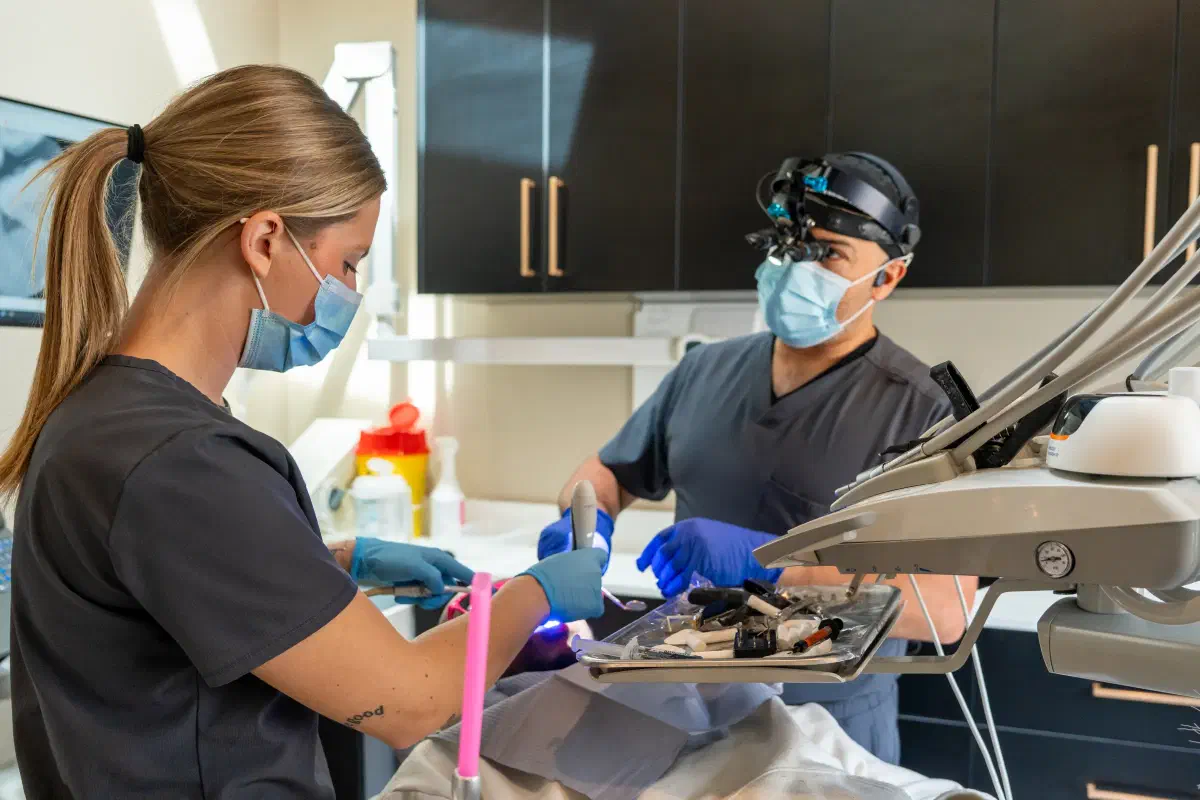
The Cookstown Dental Centre team caring for a patient in a treatment room

Restorative Dentistry · Cookstown

Have a lost filling assessed before the tooth breaks further.

A lost filling can expose sensitive or weakened tooth structure. Explore assessment, temporary protection, and the choice between another filling and coverage.

Request an appointment

Let’s find a time that works.

Need urgent dental help? Call (705) 291-2222.

Lost Filling Treatment in Cookstown

The empty space does not tell the whole story.

When a filling comes out, the tooth may feel sharp, catch food, or react to cold. Sometimes part of the tooth has broken with it, and sometimes decay or a crack has affected the area underneath. The next restoration should be chosen after examining what remains, rather than automatically recreating the original filling.

At Cookstown Dental Centre, we assess the size of the defect, the condition of the tooth, and any symptoms that suggest deeper involvement. A replacement filling may be appropriate, while a larger weakened tooth may need an onlay, crown, or other care. Contact the clinic with a description of the problem and avoid putting unnecessary pressure on the affected tooth while arranging the assessment.
A dentist explaining treatment for a lost filling using a tooth model

Practical guidance

Protect the tooth while waiting for care.

Simple precautions can reduce avoidable stress without attempting to repair the tooth yourself.

Avoid hard chewing in the damaged area

Choose food that does not load the affected tooth, especially if a thin wall or sharp edge remains. Do not repeatedly bite on it to test its strength. Tell the clinic if the tooth feels unstable, the defect is large, or pain is increasing so the timing can be discussed.

Keep the area clean without probing it

Clean gently using your normal routine as tolerated and avoid picking at the defect with sharp objects. Do not use household glue or pack improvised material into the tooth. Ask the clinic about appropriate temporary measures for your situation rather than assuming a home product replaces examination.

What we consider

Determine what came away and why.

The assessment looks beyond the visible hole.

Filling material versus tooth structure

The dentist checks whether only the restoration was lost or whether a cusp or wall fractured too. That difference affects the amount of support available for another filling. Bring any pieces if you have them, but the tooth can still be assessed when the fragment is missing.

Decay and restoration margins

The surrounding and underlying structure is examined for decay or a failing seal. A replacement should address diseased tissue as indicated rather than cover it over. The full extent may become clearer during treatment, which can change the size or type of restoration recommended.

Pulp symptoms and cracks

Lingering temperature pain, spontaneous aching, or pain on biting can prompt additional tests. These symptoms do not establish one diagnosis by themselves. The dentist considers the pulp, surrounding tissues, and possible cracks before deciding whether a routine filling is sufficient for the tooth’s condition.

Understanding the options

Match the new restoration to the remaining support.

The original filling is a starting point for history, not a rule for the next treatment.

A direct replacement filling

When enough sound structure remains and the defect is suitable, a filling can restore the area. Material choice considers location, size, moisture control, and function. The goal is a well-adapted restoration with appropriate contacts, not merely replacing the missing volume with the same material by default.

A restoration that covers weakened surfaces

An onlay or crown may be discussed when cusps or walls need additional protection. More extensive treatment is not automatic for every lost filling. The dentist should explain which structural finding supports coverage and how its preparation, appointments, cost, and maintenance compare with another direct filling.

The appointment

Plan for what can be completed at the first visit.

The findings determine whether care is definitive or a protective first stage.

  1. Examine and discuss the available options

    The tooth is assessed with relevant tests and images when indicated. You receive an explanation of the defect and any uncertainty. If the prognosis is unclear or additional treatment is needed, the plan should distinguish that issue from the simple fact that the filling is missing.

  2. Restore or provide appropriate temporary protection

    A suitable filling may be placed when conditions allow. Other cases need interim care, further assessment, or preparation for a different restoration. Ask what the temporary is intended to do and what limits apply, especially if it protects a large defect or a tooth awaiting another procedure.

  3. Check the bite and arrange the next step

    The restoration is assessed for contacts and function, and you receive instructions for the material and treatment provided. Report a high bite, persistent pain, or another loss of material. If the first visit was temporary, keep the planned completion appointment rather than waiting for symptoms to return.

Care that fits

Use the failure to review prevention and future risk.

Replacing the filling treats the defect; the reasons for failure may need their own attention.

Discuss decay risk and cleaning access

Food trapping, dry mouth, frequent sugar exposure, and difficult cleaning spaces may influence the prevention plan. Advice should fit the findings and your routine. A repaired tooth still needs care at the margins, so ask how to clean an area that remains awkward after restoration.

Consider force and repeated fracture patterns

If fillings or tooth walls have broken repeatedly, the dentist may review contacts, grinding signs, and the type of restoration. A protective appliance or a different design may be considered when indicated. Repeated failure deserves an explanation rather than assuming another identical filling will necessarily behave differently.

Frequently asked questions

Questions about lost filling treatment

Is a lost filling always painful?

No. A tooth may lose a filling without immediate pain, but the exposed area still needs assessment. Lack of sensitivity does not rule out decay, weakened walls, or a crack. Contact the clinic rather than waiting for discomfort to develop.

Can the same filling be put back?

A lost filling is usually assessed as a restoration that needs repair or replacement rather than a piece to glue back. Bring fragments if available. The condition of the tooth and defect determines the appropriate material and treatment.

How quickly should I be seen?

Contact the clinic to describe the size of the defect and any pain, swelling, sharp edges, or injury. Timing depends on those details. Seek urgent care for significant swelling or worsening symptoms, and emergency help for breathing or swallowing difficulty.

Will I definitely need a crown now?

No. Many suitable defects can be restored with a filling. Coverage may be recommended when the remaining walls or cusps need protection. The dentist should explain the structural reason for an onlay or crown rather than base the decision only on the filling being lost.

Can I use a temporary filling product?

Ask the clinic for advice appropriate to your tooth and symptoms. Temporary products do not diagnose decay or fractures and are not a substitute for care. Do not use household glue or force material into a painful or damaged area.

Why does the tooth hurt when I bite?

A damaged wall, crack, pulp condition, or another problem may contribute. The symptom needs assessment and does not establish the diagnosis on its own. Avoid repeatedly testing the tooth and describe whether pain occurs during pressure, release, or ordinary chewing.

What if the new filling feels too high?

Describe whether the repaired tooth touches first, hurts only on biting, or reacts to temperature. Those patterns can lead to different checks. Arrange a review if it remains uncomfortable; chewing harder to flatten the new filling may worsen the problem instead of identifying its cause.

Real patient results

Before & after smile gallery.

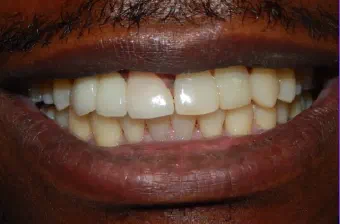
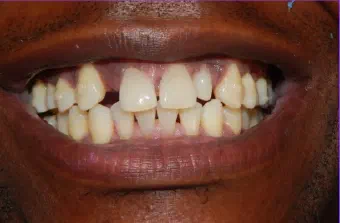
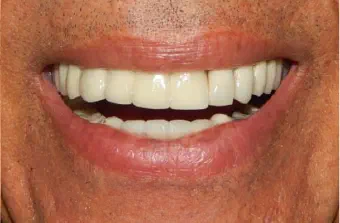
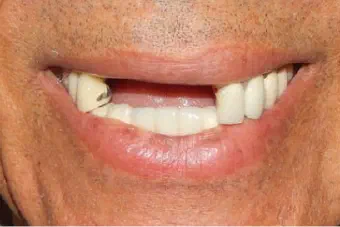
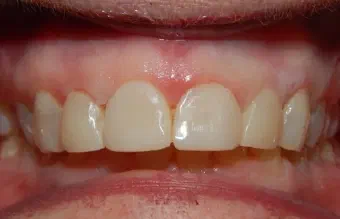
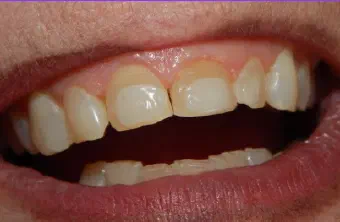
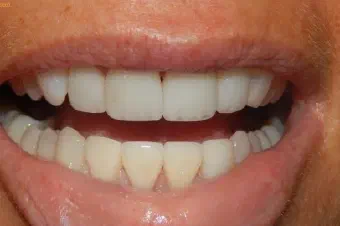
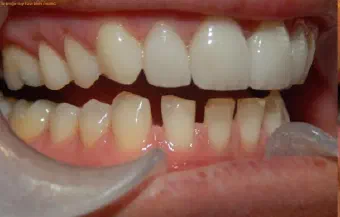
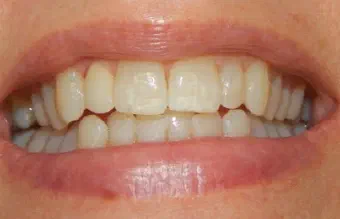
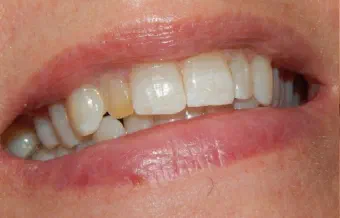
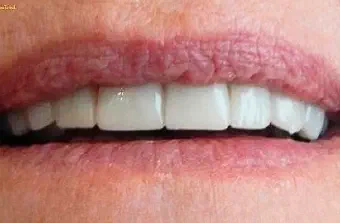
Drag the centre line to compare each real case treated by our dental team. Every smile begins with a personal assessment and a plan shaped around the patient.

Areas We Serve

Neighbourhood dental care, close to home.

Located in Cookstown, Innisfil, our dental team welcomes patients from communities across South Simcoe, Barrie, and northern York Region.

Get directions
  • Cookstown
  • Innisfil
  • Simcoe
  • Lake Simcoe
  • Alcona
  • Stroud
  • Lefroy–Belle Ewart
  • Gilford
  • Churchill
  • Sandy Cove
  • Innisfil Heights
  • Fennell’s Corners
  • Bradford
  • Bradford West Gwillimbury
  • Bond Head
  • Newton Robinson
  • New Tecumseth
  • Alliston
  • Beeton
  • Tottenham
  • Adjala–Tosorontio
  • Everett
  • Loretto
  • Barrie
  • Essa
  • Thornton
  • Baxter
  • Angus
  • Egbert
  • Ivy
  • Utopia
  • York Region
  • East Gwillimbury
  • Queensville
  • Holland Landing
  • Sharon
  • Schomberg
  • Nobleton

Don’t see your community listed? Contact us—we regularly welcome patients from throughout the surrounding region.

Google reviews

Kind words from our patients.

Read what patients have shared about their visits to Cookstown Dental Centre.

A dentist having a friendly consultation with a patient in a bright dental clinic

Your next step

Ready to feel good about your next dental visit?

Whether you are new to the clinic or returning for care, our team is here to make booking simple and answer your questions.

Call Book Now WhatsApp

How can we help?

The Cookstown Dental team is here for you.

Need an appointment, have a question, or want to talk through your options? Choose the next step that works best for you.

Send us a note

We’ll get back to you as soon as we can.