Cookstown Dental Centre
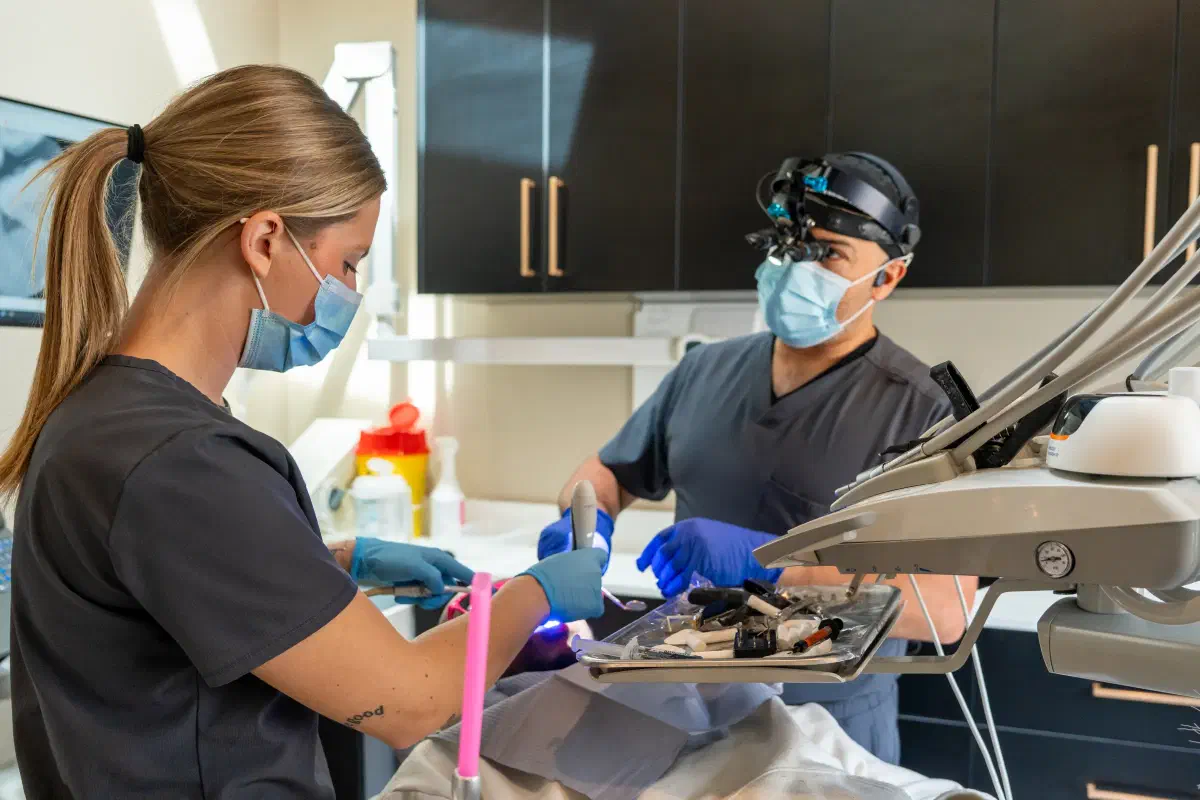
The Cookstown Dental Centre team caring for a patient in a treatment room

Restorative Dentistry · Cookstown

Decide whether a metal filling needs replacement before choosing a new one.

Metal filling replacement starts with condition, symptoms, and your goals. Compare monitoring, repair, and tooth-coloured options without assuming all metal must go.

Request an appointment

Let’s find a time that works.

Need urgent dental help? Call (705) 291-2222.

Metal Filling Replacement in Cookstown

The condition of the tooth matters more than the colour of the filling.

A metal filling may be considered for replacement because of decay, a fracture, an unsuitable margin, or another clinical problem. Appearance can also be part of the discussion. These reasons should be separated clearly: an intact, serviceable amalgam filling is not automatically a treatment problem because it contains metal or has been present for many years.

At Cookstown Dental Centre, we assess the filling and surrounding tooth before recommending removal. The discussion includes monitoring or repair where appropriate, the amount of tooth structure involved, and the options if replacement is needed. Removing an existing restoration is an irreversible step and can make the prepared area larger. A useful plan therefore explains the expected benefit for that particular tooth, rather than presenting replacement as a routine upgrade for every metal filling.
A patient discussing metal filling replacement choices with a dentist

Planning together

Clarify the reason you are considering a change.

Your concern and the clinical finding may lead to different choices.

A symptom or visible defect

Tell the dentist about pain, food trapping, roughness, a broken edge, or a recent change. Examination and indicated imaging help determine whether the filling, tooth, or another structure is responsible. A dark appearance alone is not enough to establish decay beneath an existing restoration.

An appearance preference or material question

Discuss the look you would prefer and any specific health or allergy concern. These questions deserve clear information without a promise of general health benefits from removal. The clinician can explain the condition of the filling and the tradeoffs of changing it for an elective reason.

Understanding the options

Consider keeping, repairing, or replacing the restoration.

The decision is based on the extent of the problem and what remains serviceable.

Monitor or repair a suitable filling

A sound filling may be kept under review. Some localized defects can have a repair option that preserves more existing tooth and restoration. Suitability depends on the location and extent of the defect, and the dentist should explain the limitations instead of treating every imperfect margin identically.

Replace when the finding supports it

Decay, extensive fracture, or another problem may make replacement appropriate. The remaining tooth structure determines whether another direct filling is enough or whether coverage should be considered. The treatment should address the diagnosed condition and preserve usable tooth where possible, rather than follow a metal-free rule alone.

What we consider

Select a replacement around the tooth’s requirements.

A tooth-coloured result can be made in different ways.

Direct restorative materials

Composite and other appropriate direct materials have different handling and clinical uses. The size, location, moisture control, and functional demands affect selection. The dentist explains which option suits the defect rather than assuming that all white materials offer the same performance in every situation.

Inlays, onlays, or crowns

An indirectly made restoration may be considered for a larger defect or weakened cusps. An onlay and a full crown involve different coverage. Ask what structural finding supports the recommendation and how the alternatives compare in preparation, appointments, appearance, and potential future repair.

The surrounding teeth and bite

Shade, contacts, opposing teeth, and any wear pattern influence the new restoration. If you plan other cosmetic treatment, mention it before the shade is finalized. The restoration should work within the existing bite and cleaning spaces as well as meet a reasonable appearance goal.

Step by step

Plan removal with room for findings underneath.

The final extent can sometimes be confirmed only after the old restoration is removed.

  1. Document the initial assessment and agreed scope

    The dentist explains the reason for treatment, alternatives, and likely restoration. Discuss the possibility that hidden decay or a crack could change the plan. Understanding that uncertainty before removal is more useful than assuming the original filling outline defines the whole treatment.

  2. Remove the restoration and reassess the tooth

    Professional techniques and appropriate precautions are used for the material and procedure. The exposed structure is evaluated and the agreed care proceeds according to the findings. If the tooth needs a different approach, the provider should explain the reason and any temporary stage.

  3. Complete the restoration and review function

    The new filling or coverage restoration is checked for fit, contacts, and bite. Follow the instructions for eating and cleaning afterward. Report persistent sensitivity, a high contact, or other concerns rather than assuming any discomfort must be accepted because the material has changed.

Good to know

Keep expectations focused on the treated tooth.

Replacement should have a specific dental purpose and a realistic maintenance plan.

Avoid a blanket removal strategy

Current FDA guidance does not recommend removal of an intact amalgam filling without a clinical or medical reason. Removal can sacrifice sound tooth and temporarily increase mercury exposure. Discuss individual concerns with the clinician rather than treating replacement as detoxification or a guaranteed improvement in general health.

Maintain the new margins and review symptoms

A tooth-coloured restoration can still wear, fracture, or develop decay at its margins. Continue cleaning and risk-based reviews. If several teeth need care, staging may be discussed according to urgency and your circumstances; changing every filling at once is not an automatic requirement.

Frequently asked questions

Questions about metal filling replacement

Do all old metal fillings need replacing?

No. Age and colour alone do not determine whether a filling needs treatment. Its condition, the tooth, symptoms, and clinical findings matter. A serviceable restoration may be monitored rather than removed simply because it is metal.

Should amalgam be removed to reduce mercury exposure?

The FDA advises against removing an intact amalgam filling without a clinical or medical reason. A decision about your tooth should weigh that guidance against its actual condition. Ask what benefit replacement would provide and how much additional preparation it may require.

Can I choose replacement for appearance?

You can discuss that preference, along with the condition of the tooth and the irreversible nature of removal. The dentist explains suitable materials and tradeoffs. An elective appearance change should be distinguished from treatment needed for decay or a structural defect.

Is a white filling always the replacement option?

Not always. The defect size, remaining support, location, and moisture control influence the choice. A direct tooth-coloured material may be suitable, while an onlay or crown may be considered when the tooth needs a different type of restoration.

Can just part of a metal filling be repaired?

Some localized defects may have a repair option, depending on the material, location, and remaining condition. Repair is not suitable for every case. The dentist should explain whether preserving part of the existing restoration is reasonable for your tooth.

Will replacing the filling make the tooth stronger?

That cannot be assumed. The result depends on the remaining tooth and restoration design, and removal can require additional preparation. The aim is to address the identified problem with an appropriate restoration, not promise that changing material alone strengthens every tooth.

Is this different from replacement of metal fillings?

These phrases describe the same broad area of care. This page focuses on deciding whether replacement is warranted. The practical treatment plan still depends on the individual tooth, and the two labels should not imply separate necessary procedures.

Real patient results

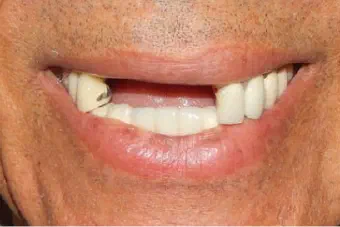
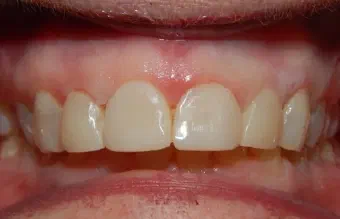
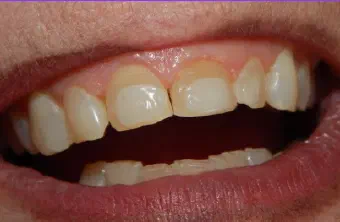
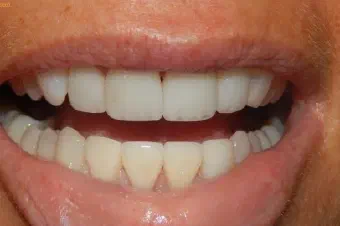
Before & after smile gallery.

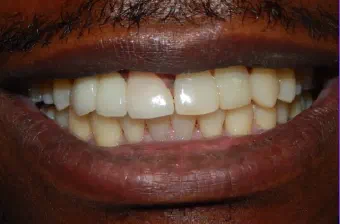
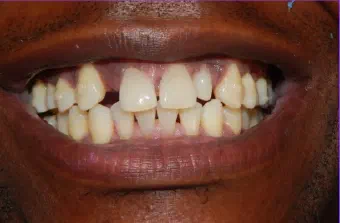
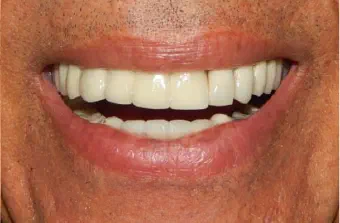
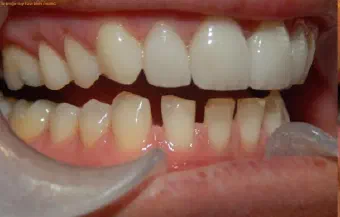
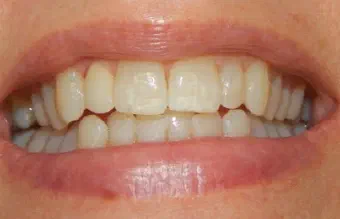
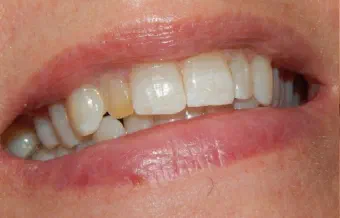
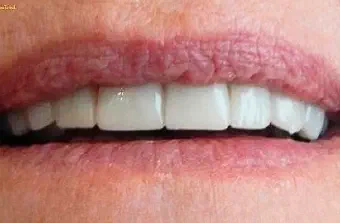
Drag the centre line to compare each real case treated by our dental team. Every smile begins with a personal assessment and a plan shaped around the patient.

Areas We Serve

Neighbourhood dental care, close to home.

Located in Cookstown, Innisfil, our dental team welcomes patients from communities across South Simcoe, Barrie, and northern York Region.

Get directions
  • Cookstown
  • Innisfil
  • Simcoe
  • Lake Simcoe
  • Alcona
  • Stroud
  • Lefroy–Belle Ewart
  • Gilford
  • Churchill
  • Sandy Cove
  • Innisfil Heights
  • Fennell’s Corners
  • Bradford
  • Bradford West Gwillimbury
  • Bond Head
  • Newton Robinson
  • New Tecumseth
  • Alliston
  • Beeton
  • Tottenham
  • Adjala–Tosorontio
  • Everett
  • Loretto
  • Barrie
  • Essa
  • Thornton
  • Baxter
  • Angus
  • Egbert
  • Ivy
  • Utopia
  • York Region
  • East Gwillimbury
  • Queensville
  • Holland Landing
  • Sharon
  • Schomberg
  • Nobleton

Don’t see your community listed? Contact us—we regularly welcome patients from throughout the surrounding region.

Google reviews

Kind words from our patients.

Read what patients have shared about their visits to Cookstown Dental Centre.

A dentist having a friendly consultation with a patient in a bright dental clinic

Your next step

Ready to feel good about your next dental visit?

Whether you are new to the clinic or returning for care, our team is here to make booking simple and answer your questions.

Call Book Now WhatsApp

How can we help?

The Cookstown Dental team is here for you.

Need an appointment, have a question, or want to talk through your options? Choose the next step that works best for you.

Send us a note

We’ll get back to you as soon as we can.