Cookstown Dental Centre
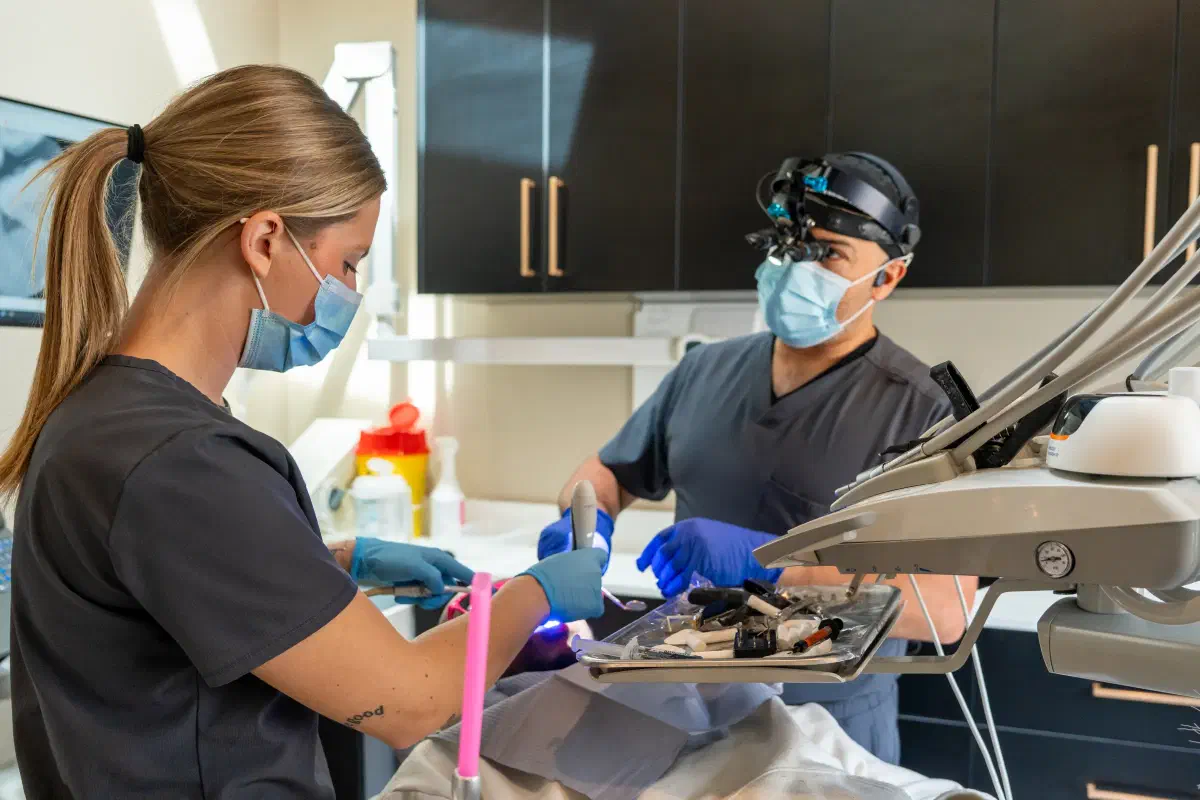
The Cookstown Dental Centre team caring for a patient in a treatment room

Restorative Dentistry · Cookstown

Assess whether a smaller-diameter implant fits the proposed treatment.

Mini dental implants have specific uses and limits. Explore denture retention, bone and bite assessment, alternatives, and the maintenance a smaller implant still needs.

Request an appointment

Let’s find a time that works.

Need urgent dental help? Call (705) 291-2222.

Mini Dental Implants in Cookstown

Smaller dimensions do not make an implant suitable for every case.

Mini dental implants are smaller-diameter implants used for selected clinical situations, including certain denture-retention plans. The term should not be taken to mean a simplified replacement for every conventional implant. The proposed restoration, bone, loading conditions, and component design all affect whether a small-diameter option is appropriate.

A consultation at Cookstown Dental Centre can help clarify the treatment goal and the assessment needed, including whether coordination or referral is appropriate. Explain whether you are seeking better denture stability, a replacement tooth, or an alternative after being told bone is limited. The discussion should compare suitable options without assuming that a mini implant always avoids grafting, costs less overall, or can receive a final restoration immediately.
A dentist discussing small-diameter implant options with a patient and a dental model

Good to know

Connect the implant type to a specific purpose.

The label alone does not describe the entire treatment plan.

Retention for a removable appliance

Some selected denture cases may use small-diameter implants to help retain the appliance. The jaw, available support, denture design, and loading plan need assessment. Improving retention does not remove the need for a well-fitting denture or make every existing appliance suitable for conversion.

Other narrow spaces and restorative situations

Reduced space may lead to discussion of narrow-diameter options, but mini implants and other narrow implants are not automatically interchangeable. Their design and indications differ. The clinician should identify the proposed system and explain why it suits the restoration rather than choose it only because the space looks small.

What we consider

Check the factors that can limit a smaller implant.

Clinical suitability depends on the whole support and loading arrangement.

Bone dimensions and anatomy

Appropriate examination and imaging assess the ridge and nearby anatomical structures. A smaller diameter does not remove the need for safe positioning or adequate support. Limited bone may still require a different plan, grafting discussion, or referral rather than automatically being solved by reducing implant size.

Bite forces and prosthesis design

The intended restoration and how forces will reach the implants influence selection. The provider considers opposing teeth, available space, and relevant wear or loading patterns. A design suitable for one denture situation should not be generalized to every fixed tooth replacement or full-arch arrangement.

Tissue health and medical history

The gums, existing dental disease, health conditions, and medications remain relevant. Smoking and the ability to maintain the restoration also enter the discussion. A smaller surgical component does not exempt the treatment from the assessment and ongoing care expected for other implant options.

Understanding the options

Review alternatives against the same treatment goal.

A fair comparison includes function, maintenance, and the overall sequence.

Conventional or other narrow-diameter implants

Depending on the case, a different implant arrangement may offer a more suitable support or restorative design. It may involve additional preparation or a different healing sequence. Ask how the options compare for the actual prosthesis rather than treating diameter as a standalone measure of quality or convenience.

Conventional denture care or another replacement

A reline, new denture, or other non-implant option may address some goals without implant surgery. These approaches have their own limitations, but they belong in the discussion. The best choice depends on the clinical findings and what you want to achieve within your practical constraints.

Planning together

Clarify the complete proposal before agreeing to treatment.

Specific questions help prevent a small implant from being mistaken for a small commitment.

Confirm the prosthesis and treatment stages

Ask what appliance will be used, whether the existing denture can be adapted, and when it can be worn or loaded. Immediate use is not an automatic promise. The plan should identify surgery, temporary arrangements, final restoration, and any provider coordination needed along the way.

Include future parts and servicing

Attachment wear, denture fit, tissue reviews, and component availability affect long-term care. Ask what information you should retain and how repairs would be managed. A lower initial estimate, if applicable, does not describe every future cost or establish which design is clinically preferable.

Practical guidance

Maintain the restoration according to its actual design.

Smaller implants still need accessible cleaning and ongoing review.

Learn the cleaning and handling method

A removable implant denture requires care of both the appliance and implant-side components. Practise removal and insertion using the recommended technique. If your dexterity or caregiver needs affect handling, address that before completion rather than selecting maximum retention without considering daily access.

Report tissue changes or movement

Bleeding, swelling, discomfort, clicking, or altered retention should prompt assessment. Do not tighten parts, bend attachments, or force an appliance into place yourself. The clinician distinguishes denture fit and attachment wear from a problem with the implant or its supporting tissues.

Frequently asked questions

Questions about mini dental implants

Are mini implants just smaller versions of every implant?

No. Small-diameter systems can have different designs and clinical indications. The proposed restoration and support requirements matter. A mini implant should be considered for a defined situation rather than assumed interchangeable with every conventional implant option.

Can mini implants stabilize a loose denture?

They may be an option in selected cases, but the denture fit, jaw, bone, bite, and attachment plan require assessment. A loose denture may also benefit from conventional treatment. Implant retention does not compensate for every defect in an unsuitable appliance.

Do they always avoid bone grafting?

No. A smaller diameter does not remove the need to assess bone dimensions and safe positioning. Some cases may still require a different implant plan, grafting, or another treatment. Suitability cannot be determined from a description of limited bone alone.

Are they always a less expensive choice?

The overall cost depends on the number of implants, prosthesis, preparatory care, and maintenance. A price comparison should cover the complete plan. A lower initial cost, where applicable, does not by itself establish the most suitable clinical option.

Can I use my denture immediately afterward?

That depends on the treatment and loading plan, stability, and appliance design. Follow the treating provider’s instructions. Immediate use should not be assumed simply because the implants are described as mini, and a temporary adjustment or alternative may be needed.

Can a mini implant support any missing tooth?

No single implant design is suitable for every tooth position or loading situation. Space, bone, restoration type, and clinical evidence influence selection. The dentist should explain the proposed indication and any alternatives or referral needs for your case.

Do mini implants need the same ongoing attention?

They still require daily cleaning, professional tissue assessment, and care of the associated restoration. The exact routine depends on the design. Report movement or inflammatory changes promptly rather than assuming a smaller implant has fewer maintenance responsibilities.

Real patient results

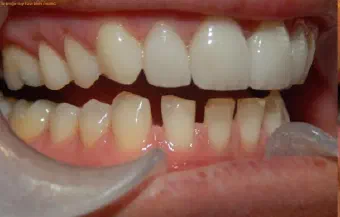
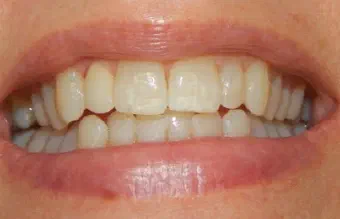
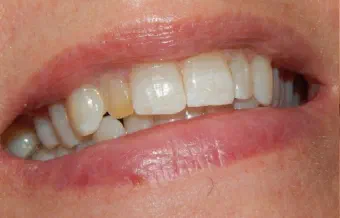
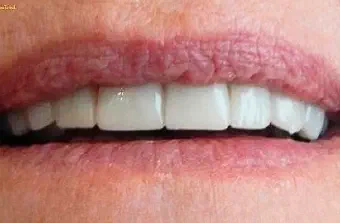
Before & after smile gallery.

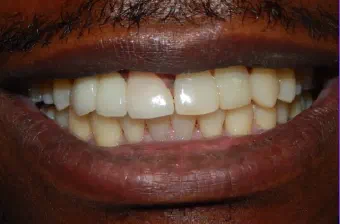
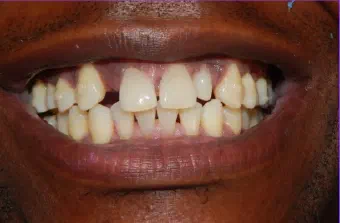
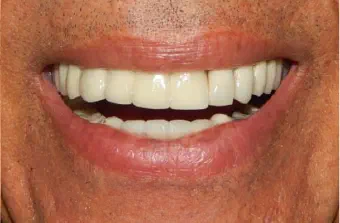
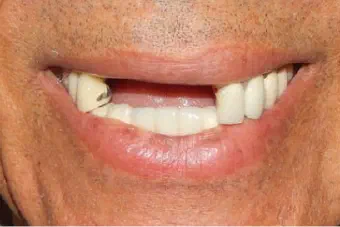
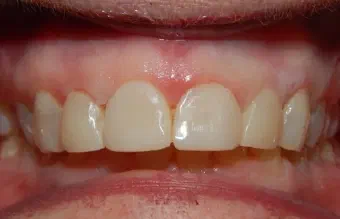
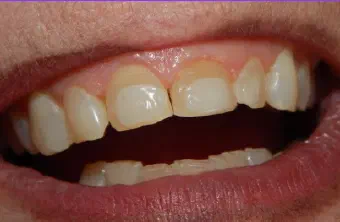
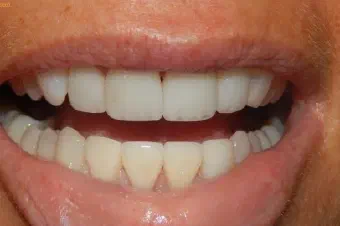
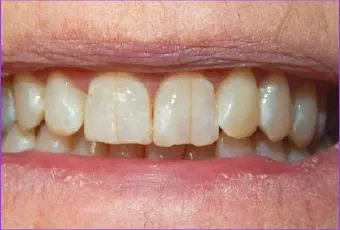
Drag the centre line to compare each real case treated by our dental team. Every smile begins with a personal assessment and a plan shaped around the patient.

Areas We Serve

Neighbourhood dental care, close to home.

Located in Cookstown, Innisfil, our dental team welcomes patients from communities across South Simcoe, Barrie, and northern York Region.

Get directions
  • Cookstown
  • Innisfil
  • Simcoe
  • Lake Simcoe
  • Alcona
  • Stroud
  • Lefroy–Belle Ewart
  • Gilford
  • Churchill
  • Sandy Cove
  • Innisfil Heights
  • Fennell’s Corners
  • Bradford
  • Bradford West Gwillimbury
  • Bond Head
  • Newton Robinson
  • New Tecumseth
  • Alliston
  • Beeton
  • Tottenham
  • Adjala–Tosorontio
  • Everett
  • Loretto
  • Barrie
  • Essa
  • Thornton
  • Baxter
  • Angus
  • Egbert
  • Ivy
  • Utopia
  • York Region
  • East Gwillimbury
  • Queensville
  • Holland Landing
  • Sharon
  • Schomberg
  • Nobleton

Don’t see your community listed? Contact us—we regularly welcome patients from throughout the surrounding region.

Google reviews

Kind words from our patients.

Read what patients have shared about their visits to Cookstown Dental Centre.

A dentist having a friendly consultation with a patient in a bright dental clinic

Your next step

Ready to feel good about your next dental visit?

Whether you are new to the clinic or returning for care, our team is here to make booking simple and answer your questions.

Call Book Now WhatsApp

How can we help?

The Cookstown Dental team is here for you.

Need an appointment, have a question, or want to talk through your options? Choose the next step that works best for you.

Send us a note

We’ll get back to you as soon as we can.