Cookstown Dental Centre
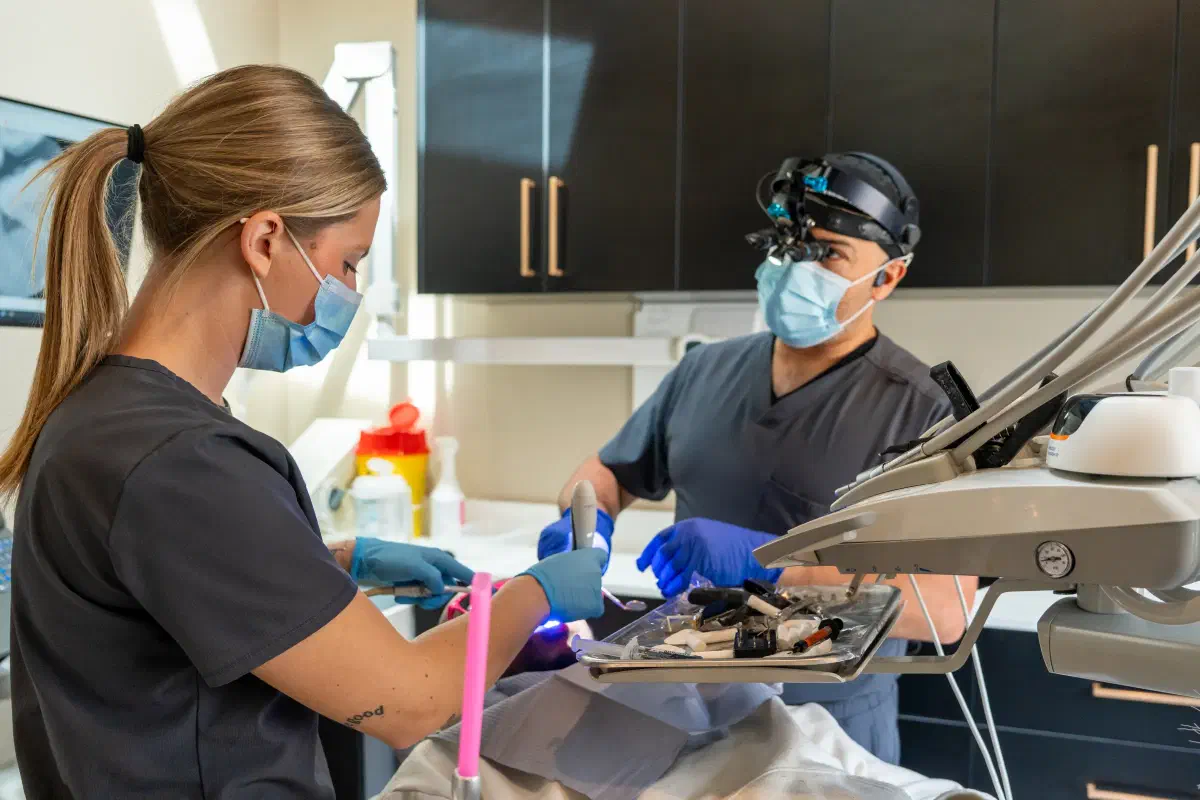
The Cookstown Dental Centre team caring for a patient in a treatment room

Cosmetic Dentistry · Cookstown

Make a small alignment goal part of a complete plan.

A single rotated tooth or small space can still affect the bite. Explore limited tooth movement, suitable goals, treatment choices, and long-term retention.

Request an appointment

Let’s find a time that works.

Need urgent dental help? Call (705) 291-2222.

Minor Tooth Movement in Cookstown

“Minor” describes the proposed scope, not a shortcut around diagnosis.

You might want one tooth brought into line, a small space adjusted, or a position improved before another dental procedure. Minor tooth movement is a limited orthodontic approach for selected situations. It does not mean that every small-looking irregularity is simple, or that the rest of the bite can be ignored while one visible tooth is changed.

At Cookstown Dental Centre, we consider the movement required, the supporting tissues, and how the proposed position would work with neighbouring teeth. A limited plan can be useful when its boundaries are clinically reasonable and clearly understood. If the concern is part of a larger bite or jaw relationship, we explain why broader treatment or specialist assessment may offer a more appropriate route. Keeping a goal modest still means planning for retention afterward.
A dentist demonstrating a small tooth-position change on a dental model

Care that fits

Start with one clearly defined improvement.

A focused goal is easier to assess when the desired change and the unchanged parts of the bite are both described.

A visible position concern

A small rotation, tip, or space may be the reason you first ask about care. The clinician checks whether correcting it requires movement elsewhere to create room or preserve contacts. The visible size of the problem is only one part of determining whether a limited approach is feasible.

Preparation for another treatment

Selected movement may help establish space or improve a tooth position before restoration. That objective should be agreed with the clinician providing the later work. A tooth should not be moved toward a cosmetic endpoint that leaves the planned crown, bridge, or other restoration without suitable room or support.

A change after previous orthodontics

A localized shift may sometimes be suitable for limited retreatment, but the present mouth still needs assessment. Bring old retainers and available records. The clinician considers why the change occurred and how the maintenance plan would support the result after another short course of active movement.

Good to know

Understand what a limited plan leaves outside its scope.

The decision is strongest when there are no hidden assumptions about what the treatment will achieve.

The rest of the bite

A selected front-tooth correction may leave another bite relationship unchanged. We explain whether that compromise is reasonable and what it means for your situation. A limited scope should not be described as a complete correction when an important feature of the bite is intentionally outside the plan.

The limits of appearance alone

Tooth shape, gum levels, and colour can affect the smile even after position improves. Orthodontic movement does not independently change all of those features. Discuss which concern is actually driving your request so the expected result reflects what moving the tooth can reasonably accomplish.

The need for ongoing maintenance

A small adjustment still changes tooth position and requires a retention discussion. Ask how the result will be maintained and monitored. A brief active phase is not evidence that a retainer can be omitted or that the corrected tooth will remain exactly in place without follow-up.

Understanding the options

Select the method after agreeing on the goal.

The most discreet or brief-sounding appliance is not automatically the best fit for a particular movement.

An appropriate orthodontic appliance

Aligners or other orthodontic appliances may be considered depending on the movement, bite, and clinician’s assessment. Each has practical requirements and limits. Ask why the suggested method suits the proposed correction and whether specialist input would improve predictability or help evaluate a less straightforward movement.

A restorative or observational alternative

Sometimes adding material, refining an edge, or accepting the present appearance is a reasonable alternative to movement. Those choices affect tooth structure and maintenance differently. The dentist explains the trade-offs without treating a cosmetic restoration as though it changes the underlying tooth or root position.

A closer look

Define the start, the endpoint, and the handover.

A limited course still needs records, monitoring, and an explicit finish. These stages help keep the plan focused.

  1. Before movement begins

    Assess oral health and collect records that answer the clinical questions. Discuss any preparatory care, the expected scope, and the estimated time and fees. You should be able to describe which change is intended and what would prompt a reassessment before committing to a limited course.

  2. During the active phase

    Follow the prescribed appliance instructions and attend progress reviews. Report unexpected discomfort, poor fit, or a change in biting rather than adjusting the appliance yourself. The clinician checks actual response and may revise the plan if the movement is not progressing as expected or new concerns emerge.

  3. After the agreed correction

    The final review checks the intended result and relevant bite contacts before the retention plan is put in place. If restorative work follows, coordinate its timing with retainer fit. Keep a clear contact for future changes so a small shift can be assessed before you attempt to force an old appliance.

Frequently asked questions

Questions about minor tooth movement

Can just one tooth be moved?

Sometimes, but the clinician must assess space, contacts, roots, and supporting tissues. Other teeth may need involvement to achieve the intended change. A one-tooth concern does not by itself prove that treatment can be isolated to that tooth.

Is minor tooth movement always faster than full treatment?

A smaller scope may involve less movement, but duration depends on the actual correction and response. Ask for an individual estimate and its limitations. A small visible rotation can require more planning than its appearance suggests.

Can this replace comprehensive orthodontics?

Only when a limited goal and its compromises are appropriate. It may not address the wider bite or jaw concern. The clinician should explain what remains untreated and whether a specialist assessment is advisable before accepting a restricted scope.

Will I need teeth filed to create space?

Not necessarily. Space planning depends on the diagnosis, and any proposed enamel reduction requires a specific explanation and consent. Do not assume it is required or harmless simply because the treatment is described as minor.

Could bonding achieve the same appearance?

In some situations bonding can change visible shape, but it does not move the tooth or its root. It may also change width and cleaning contours. Comparing both approaches helps show whether you are addressing position, shape, or a combination.

Can movement help before a crown or veneer?

It may be useful in selected cases when coordinated with the restorative plan. The desired position and available space should be agreed before movement starts. The later restoration should not be planned independently of the orthodontic endpoint.

How long is retention needed after a small correction?

The clinician prescribes a long-term retention plan based on your situation. The amount of movement alone does not determine when wear can stop. Attend reviews and seek advice if the appliance becomes loose, tight, damaged, or difficult to seat.

Real patient results

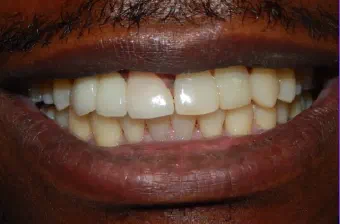
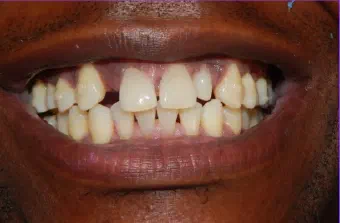
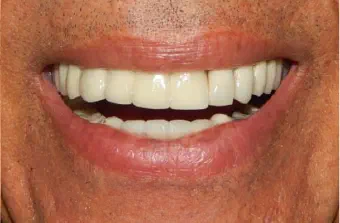
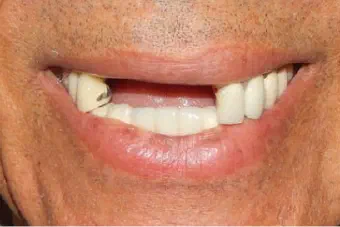
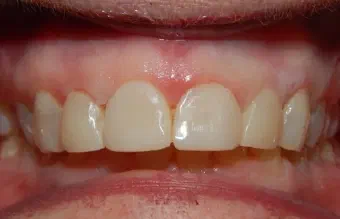
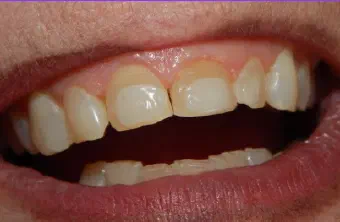
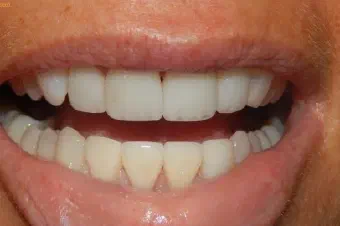
Before & after smile gallery.

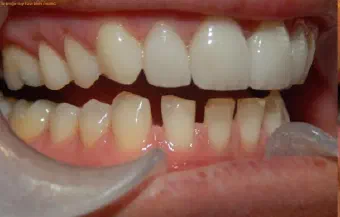
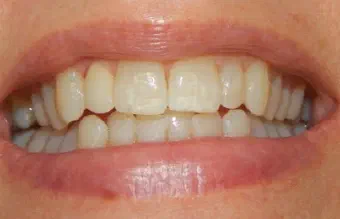
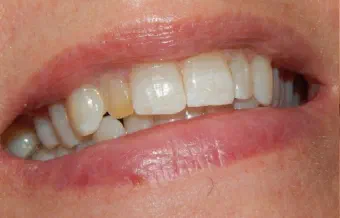
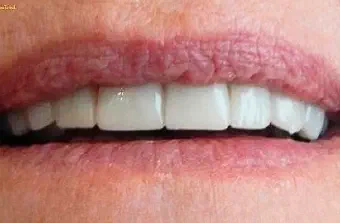
Drag the centre line to compare each real case treated by our dental team. Every smile begins with a personal assessment and a plan shaped around the patient.

Areas We Serve

Neighbourhood dental care, close to home.

Located in Cookstown, Innisfil, our dental team welcomes patients from communities across South Simcoe, Barrie, and northern York Region.

Get directions
  • Cookstown
  • Innisfil
  • Simcoe
  • Lake Simcoe
  • Alcona
  • Stroud
  • Lefroy–Belle Ewart
  • Gilford
  • Churchill
  • Sandy Cove
  • Innisfil Heights
  • Fennell’s Corners
  • Bradford
  • Bradford West Gwillimbury
  • Bond Head
  • Newton Robinson
  • New Tecumseth
  • Alliston
  • Beeton
  • Tottenham
  • Adjala–Tosorontio
  • Everett
  • Loretto
  • Barrie
  • Essa
  • Thornton
  • Baxter
  • Angus
  • Egbert
  • Ivy
  • Utopia
  • York Region
  • East Gwillimbury
  • Queensville
  • Holland Landing
  • Sharon
  • Schomberg
  • Nobleton

Don’t see your community listed? Contact us—we regularly welcome patients from throughout the surrounding region.

Google reviews

Kind words from our patients.

Read what patients have shared about their visits to Cookstown Dental Centre.

A dentist having a friendly consultation with a patient in a bright dental clinic

Your next step

Ready to feel good about your next dental visit?

Whether you are new to the clinic or returning for care, our team is here to make booking simple and answer your questions.

Call Book Now WhatsApp

How can we help?

The Cookstown Dental team is here for you.

Need an appointment, have a question, or want to talk through your options? Choose the next step that works best for you.

Send us a note

We’ll get back to you as soon as we can.