Cookstown Dental Centre
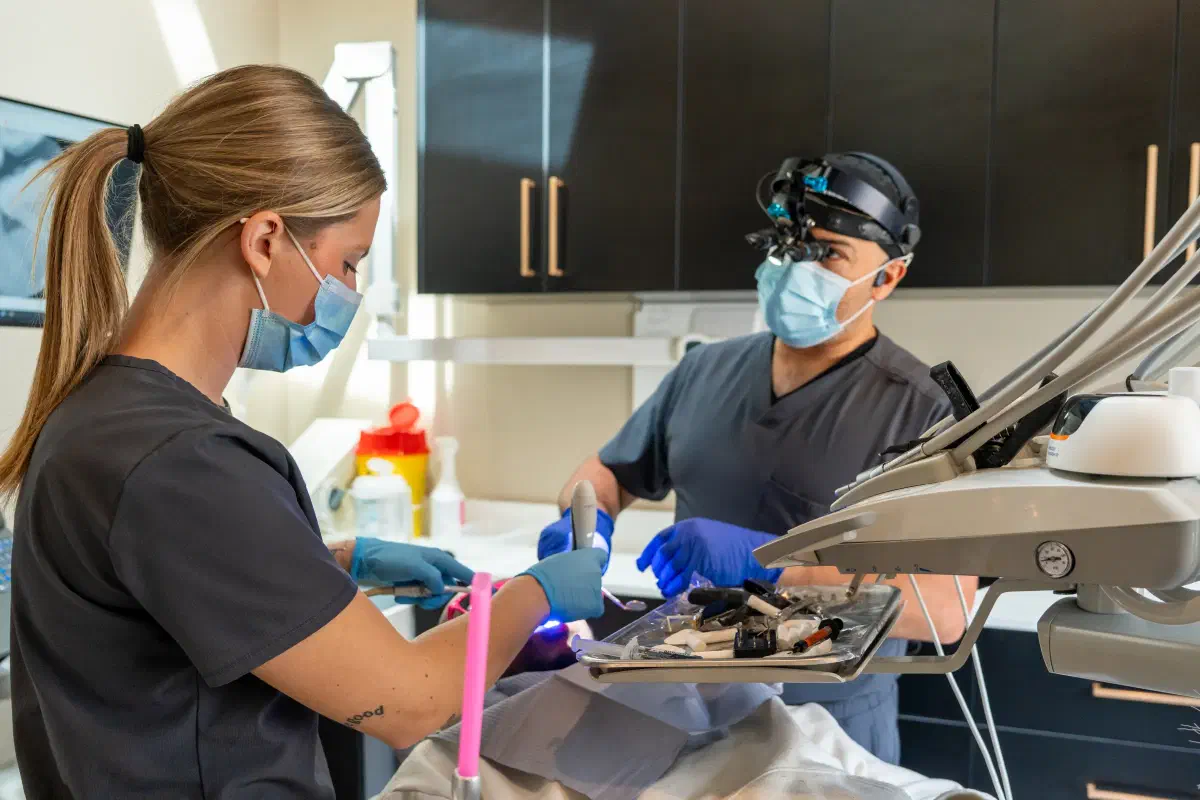
The Cookstown Dental Centre team caring for a patient in a treatment room

Specialized Care · Cookstown

Protect teeth from grinding-related forces with an assessed and monitored guard.

A grinding guard can protect suitable teeth and restorations but does not guarantee that bruxism stops. Explore candidacy, fitting, wear review, and ongoing care.

Request an appointment

Let’s find a time that works.

Need urgent dental help? Call (705) 291-2222.

Nightguards for Teeth Grinding in Cookstown

A barrier between teeth has a protective purpose, not a promise to cure every symptom.

Nightguards for teeth grinding are considered when a clinical assessment supports protection from loading on teeth or restorations. The appliance is selected and fitted for the individual mouth, with instructions on use and follow-up. The term overlaps with custom nightguard care; it does not describe a second appliance that everyone needs in addition to a custom guard.

At Cookstown Dental Centre, we review the damage pattern, symptoms, existing restorations, and relevant habits or sleep concerns before recommending protection. Some wear may be old or related to acid exposure, and a cracked or infected tooth needs its own treatment. The guard’s role is explained alongside those findings. It may reduce direct tooth-to-tooth contact during use, but it cannot guarantee that grinding ends or that all future fractures and jaw symptoms will be prevented.

A dentist demonstrating a protective nightguard on a tooth model

Care that fits

Connect the guard to a specific protection need.

The appliance should address a reason found in the assessment.

Repeated wear, chips, or restorative damage

The dentist examines the pattern and considers whether loading is a relevant contributor. Other causes such as erosion, decay, or an unsuitable restoration may also need care. A protective plan should identify which structures are vulnerable rather than assume every worn surface proves active nighttime grinding.

A completed restoration that needs ongoing protection

A guard may be discussed after selected restorative work when the clinical findings support it. Its timing should reflect the final tooth contours. Protection complements an appropriate restoration design and maintenance; it is not a way to make an otherwise unsuitable crown or filling reliable.

Planning together

Resolve questions that affect whether a guard is appropriate.

The device should fit the mouth and the wider care plan.

Check teeth, support, and upcoming treatment

Unstable teeth, untreated decay, loose restorations, or planned changes can affect suitability and fabrication timing. The clinician may recommend treating those concerns first. Making an appliance without accounting for the current foundation can lead to pressure, poor fit, or early replacement.

Discuss jaw and sleep symptoms

Tell the team about painful opening, locking, existing appliances, snoring, breathing pauses, or daytime sleepiness. A guard is not a universal TMD treatment or a sleep-apnea device. These symptoms can change the assessment or prompt another care pathway before protection is selected.

The appointment

Use fitting and early review to check the appliance in practice.

The process involves more than taking an impression and handing over a guard.

  1. Choose the design and take appropriate records

    The dentist explains the coverage, material, and intended purpose in relation to your teeth and symptoms. Impressions or scans and bite information guide fabrication. Ask about alternatives and limitations rather than choose the appliance solely by whether it is described as soft, hard, or premium.

  2. Verify seating, retention, and contacts

    At delivery, the clinician checks the guard in the mouth and demonstrates insertion and removal. Report uncomfortable pressure, sharpness, or difficulty seating it. A protective device should not need force to fit, and a particular tooth feeling heavily loaded deserves review.

  3. Review adaptation and ongoing findings

    Follow the prescribed wear instructions and attend the planned check. The provider assesses symptoms, appliance condition, and tooth or restoration changes. If the guard causes pain or a persistent unwanted bite change, stop and contact the clinician rather than assume discomfort is necessary for protection.

What we consider

Interpret wear on the guard with the rest of the assessment.

Marks on an appliance do not explain every aspect of grinding or pain.

Surface marks and material condition

Wear can show that the appliance is contacting and being used, but the extent and significance need clinical interpretation. Cracks, thinning, or distortion may affect serviceability. Bring it to reviews rather than decide that more visible damage automatically means it should be made progressively thicker or tighter.

Changes in the teeth or restorations

The clinician compares relevant findings and checks whether any new damage has occurred. An appliance cannot eliminate every risk, especially if other contributors remain. A new fracture should prompt assessment of the tooth, restoration, and loading rather than an assumption that simply replacing the guard completes care.

Comfort and function during use

Jaw symptoms, tooth pressure, retention, and the bite after removal are part of the review. A device can look intact while being unsuitable or uncomfortable. The decision to continue, modify, or replace it should consider those effects as well as its visible surface.

Practical guidance

Maintain the guard and the habits it cannot manage by itself.

Protection remains part of a broader preventive routine.

Clean and store it according to its material

Use the provider’s instructions for cleaning products, water temperature, drying, and storage. Avoid home reshaping and keep it away from pets. New crowns, fillings, or tooth movement can affect fit, so have the appliance checked before forcing it over a changed dental contour.

Review other contributors to damage

Daytime clenching, acid exposure, dry mouth, and other findings may need separate measures. Do not stop medical treatment or substitute the guard for a prescribed sleep-apnea therapy. A clear plan explains what the appliance does and which issues still require their own care.

Frequently asked questions

Questions about nightguards for teeth grinding

Is this different from a custom nightguard?

The services overlap. This page focuses on the protective role when grinding-related forces are a concern, while custom nightguard care includes design and fitting. The labels do not mean that every patient needs two separate devices.

Will the guard stop me grinding?

It does not guarantee that the activity stops. Its role may be to protect suitable teeth and restorations during use. The dentist should explain the intended benefit and review ongoing findings rather than promise a cure for bruxism.

Can it prevent every broken filling or crown?

No. Restoration design, remaining tooth, decay, acid wear, and other factors also matter. A guard can be part of protection when indicated, but a new fracture still needs assessment rather than an assumption that the device eliminates all risk.

Does heavy wear on the guard prove severe sleep grinding?

Marks are useful information but do not independently measure every aspect of sleep activity or explain all symptoms. The clinician interprets them with the history and dental findings. Do not change the design or wear schedule solely from appearance at home.

Should I wear it if it hurts my jaw?

Stop wear if the guard causes pain, and bring it back for assessment. Note whether discomfort is confined to a tooth or involves the jaw, and whether a recent filling changed the fit. A painful appliance should be checked before you resume use; avoid home alterations.

Can I use it instead of my sleep-apnea appliance?

No. A standard grinding guard has a different purpose and is not automatically treatment for obstructive sleep apnea. Discuss all devices with the involved clinicians so protection and sleep therapy are coordinated rather than one being substituted for the other.

What if it no longer fits after dental work?

Have it checked before use. New tooth contours can change seating and contacts, and adjustment or replacement may be needed. Do not force the appliance over a crown or filling or heat it to change the shape yourself.

Real patient results

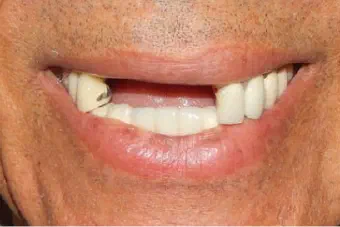
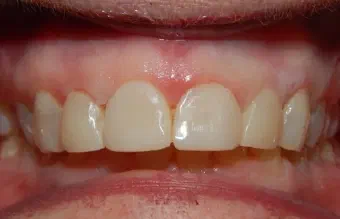
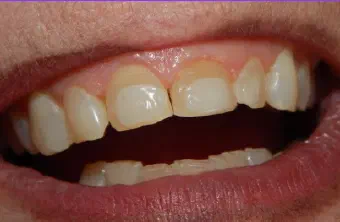
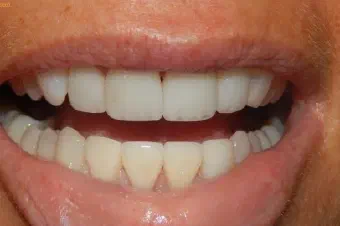
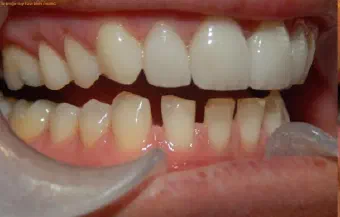
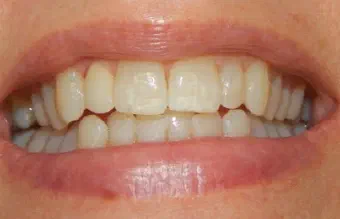
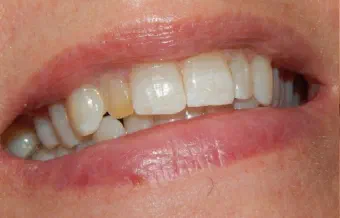
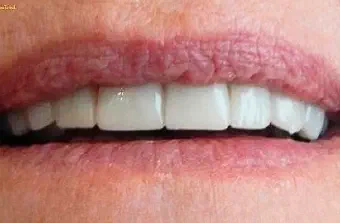
Before & after smile gallery.

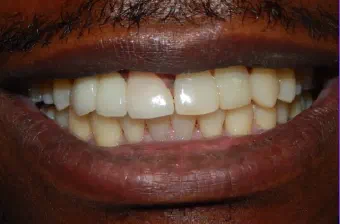
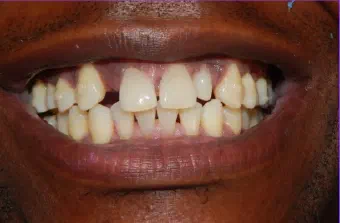
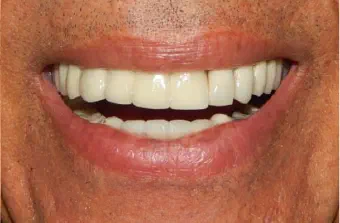
Drag the centre line to compare each real case treated by our dental team. Every smile begins with a personal assessment and a plan shaped around the patient.

Areas We Serve

Neighbourhood dental care, close to home.

Located in Cookstown, Innisfil, our dental team welcomes patients from communities across South Simcoe, Barrie, and northern York Region.

Get directions
  • Cookstown
  • Innisfil
  • Simcoe
  • Lake Simcoe
  • Alcona
  • Stroud
  • Lefroy–Belle Ewart
  • Gilford
  • Churchill
  • Sandy Cove
  • Innisfil Heights
  • Fennell’s Corners
  • Bradford
  • Bradford West Gwillimbury
  • Bond Head
  • Newton Robinson
  • New Tecumseth
  • Alliston
  • Beeton
  • Tottenham
  • Adjala–Tosorontio
  • Everett
  • Loretto
  • Barrie
  • Essa
  • Thornton
  • Baxter
  • Angus
  • Egbert
  • Ivy
  • Utopia
  • York Region
  • East Gwillimbury
  • Queensville
  • Holland Landing
  • Sharon
  • Schomberg
  • Nobleton

Don’t see your community listed? Contact us—we regularly welcome patients from throughout the surrounding region.

Google reviews

Kind words from our patients.

Read what patients have shared about their visits to Cookstown Dental Centre.

A dentist having a friendly consultation with a patient in a bright dental clinic

Your next step

Ready to feel good about your next dental visit?

Whether you are new to the clinic or returning for care, our team is here to make booking simple and answer your questions.

Call Book Now WhatsApp

How can we help?

The Cookstown Dental team is here for you.

Need an appointment, have a question, or want to talk through your options? Choose the next step that works best for you.

Send us a note

We’ll get back to you as soon as we can.