Cookstown Dental Centre
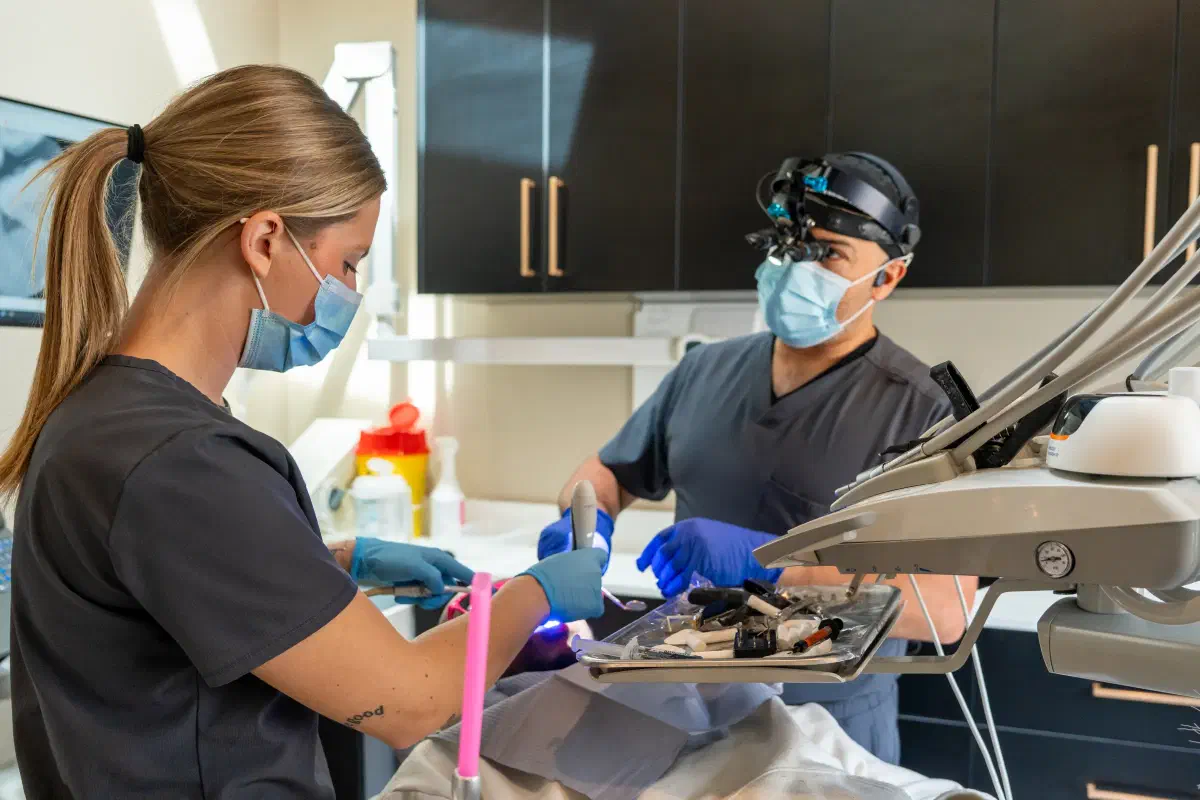
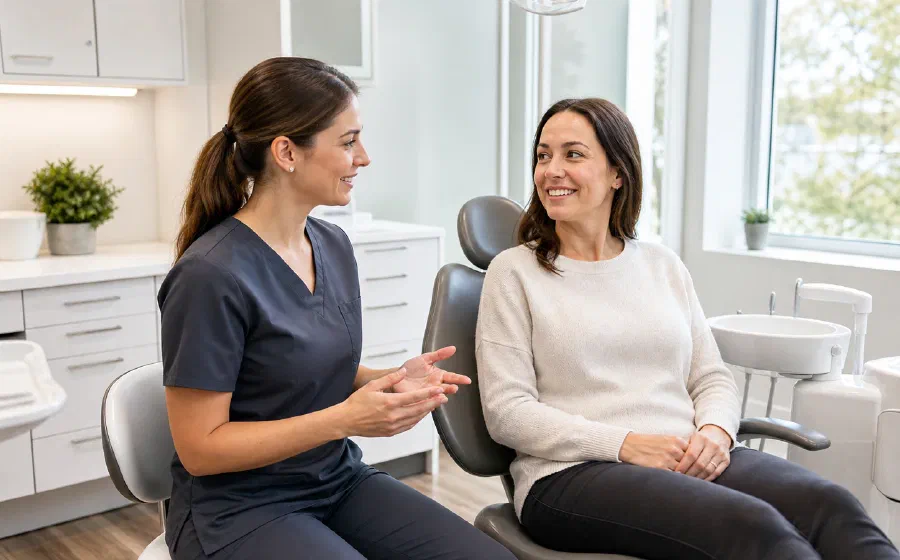
The Cookstown Dental Centre team caring for a patient in a treatment room

Specialized Care · Cookstown

Use tissue sampling to clarify an oral finding that needs diagnosis.

An oral biopsy examines a tissue sample when a lesion needs clarification. Learn about referral, sampling choices, laboratory results, and follow-up responsibilities.

Request an appointment

Let’s find a time that works.

Need urgent dental help? Call (705) 291-2222.

Oral Biopsy in Cookstown

A biopsy is a diagnostic step, not a diagnosis of cancer.

An oral biopsy removes a sample of tissue for examination when a finding cannot be adequately explained through history and clinical assessment alone, or when its features warrant tissue diagnosis. It may involve part of a lesion or a small lesion in its entirety, depending on the clinical situation. The choice of sample and provider matters because the tissue must answer the relevant diagnostic question.

At Cookstown Dental Centre, assessment can identify the need for biopsy and the appropriate referral or treatment pathway. Persistent ulcers, unusual patches, lumps, or changing tissue deserve attention, but not every lesion is cancerous. The plan should explain why sampling is recommended, who performs it, how results are communicated, and what happens afterward. Removing a visible spot without a suitable diagnostic plan is not the same as completing its evaluation.
A dentist discussing an oral tissue finding with a patient using a mouth diagram

A closer look

Assess the lesion before deciding how to sample it.

The history and examination help determine urgency, technique, and referral.

  1. Duration and changes over time

    Tell the clinician when the finding appeared, whether it has grown or changed, and whether it is painful, bleeding, or recurring. Previous photographs may be helpful if available. A persistent lesion should not be repeatedly attributed to irritation without checking whether it resolves as expected.

  2. Location, appearance, and associated findings

    The dentist examines the lesion and relevant surrounding tissues, with a broader oral and head-and-neck assessment as appropriate. The pattern can guide the diagnostic pathway but does not replace tissue analysis when indicated. Lack of pain should not be used alone to reassure that an unexplained lesion needs no review.

  3. Medical history, exposures, and practical risks

    Medication, bleeding history, previous diagnoses, tobacco and alcohol exposure, and other health information may affect planning. Share relevant details without changing prescribed medicine yourself. Some findings require urgent specialist referral rather than a routine sample in the general dental setting.

Understanding the options

Understand partial sampling and complete removal as different decisions.

The size and nature of the lesion influence the diagnostic approach.

Sampling part of the lesion

An incisional biopsy takes a selected portion when that approach is appropriate. The provider chooses a representative area and handles the specimen for laboratory assessment. Leaving some visible tissue can be intentional and does not mean the diagnostic procedure was incomplete or that all treatment should have occurred at once.

Removing a small lesion for examination

An excisional approach may be appropriate for selected findings, but complete removal is not automatically the right diagnostic method for every lesion. Suspicious features or complex locations can change the plan. The clinician should explain why the chosen approach preserves the information needed for diagnosis and further care.

Planning together

Clarify the provider and results pathway before the procedure.

A biopsy needs a plan beyond the appointment when the sample is taken.

Know who performs the biopsy and sends the sample

The dentist may arrange care with an oral surgeon, oral medicine clinician, or another appropriate provider. Ask what the referral is intended to assess and how the specimen will be processed. A procedure should not be described as a biopsy if the necessary tissue analysis and follow-up are not part of the plan.

Agree on how and when results will be discussed

Laboratory timing varies, so confirm the expected communication process and whom to contact if you have not heard. No news should not be treated as a normal result. The person responsible for explaining the findings and coordinating any next referral should be identified clearly.

The appointment

Move from sampling through healing to interpretation.

Wound care and diagnostic follow-up are separate responsibilities.

  1. Review consent, anaesthesia, and procedure-specific risks

    The provider explains the purpose, technique, alternatives, and relevant risks for the site, including bleeding or discomfort. Medication and health considerations are reviewed before treatment. Ask questions about the sample and aftercare so the procedure’s diagnostic role is understood rather than assumed to be only a cosmetic removal.

  2. Take and submit the indicated tissue sample

    The procedure follows the clinical plan, with appropriate handling and laboratory information. Sutures or other local care may be used according to the site. You receive instructions for cleaning, eating, bleeding management, and review that match the procedure performed.

  3. Discuss the pathology report in context

    The result is interpreted with the original clinical finding and sample. Some reports provide a clear diagnosis; others may require additional sampling, treatment, or specialist review. The clinician explains the next step rather than assume that a healed wound or removal of the spot makes further assessment unnecessary.

Practical guidance

Keep healing concerns separate from the meaning of the result.

How the area feels afterward does not predict what the laboratory will find.

Follow the aftercare and report unexpected changes

Contact the treating provider about bleeding that does not settle with instructions, worsening pain, swelling, or another concern. Do not apply home remedies or disturb the wound to check it. If breathing or swallowing becomes difficult or swelling spreads rapidly, seek urgent medical assessment.

Attend follow-up even when the area looks normal

A biopsy result and any recommended surveillance still matter after comfortable healing. If a lesion returns, changes, or persists, arrange review according to the plan. A previous benign result applies to the sampled tissue and should not be used to dismiss every future change without assessment.

Frequently asked questions

Questions about oral biopsy

Does being referred for a biopsy mean I have cancer?

No. Biopsies are used to clarify many types of tissue findings. The recommendation means that more diagnostic information is needed or appropriate. The laboratory result, interpreted with the examination, guides the next step rather than the referral itself establishing a cancer diagnosis.

Why might only part of the lesion be removed?

Partial sampling may be the appropriate way to obtain a representative diagnosis, especially for certain sizes or suspicious findings. The remaining tissue is then managed according to the result. Complete removal is not automatically the safest or most informative first step.

Will the tissue be sent to a laboratory?

A diagnostic biopsy involves appropriate tissue examination. Ask who submits the specimen and who will communicate the report. The plan should make that responsibility explicit rather than treat removal of the visible tissue as the end of the investigation.

How long will the result take?

Timing depends on the laboratory and whether additional analysis is required. Confirm the expected process with the treating provider and contact them if you have not heard as arranged. Silence should not be interpreted as a normal result.

Can a laser remove the lesion instead?

The technique must preserve the diagnostic information required for the case. A suspicious or unexplained lesion should not simply be ablated without an appropriate plan. The provider explains the sampling method and referral needs before selecting a tool for removal.

Do I need to stop blood-thinning medicine?

Do not stop prescribed medication independently. Tell the provider what you take and any bleeding history. They assess the procedure and medical risks and coordinate instructions when needed before the biopsy is performed.

What if the result is unclear or the lesion returns?

Further sampling, specialist review, treatment, or monitoring may be recommended depending on the report and clinical findings. Attend the follow-up discussion and report recurrence. A healed biopsy site does not automatically resolve every diagnostic question.

Real patient results

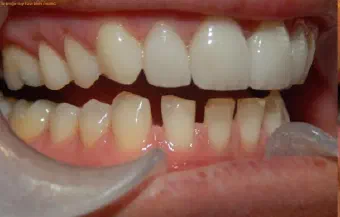
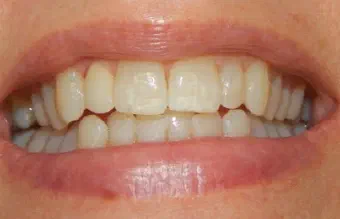
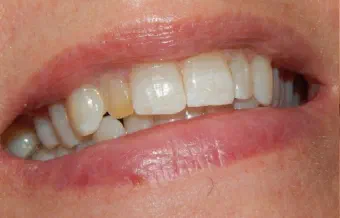
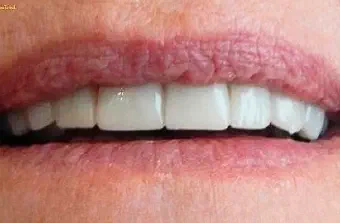
Before & after smile gallery.

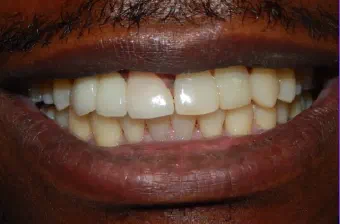
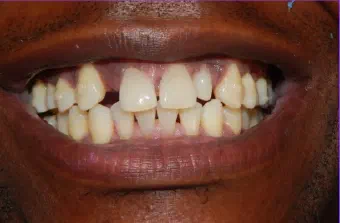
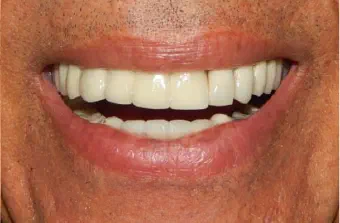
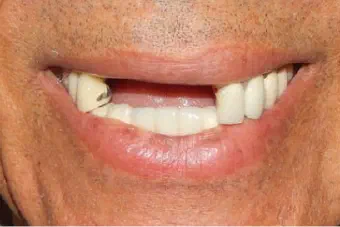
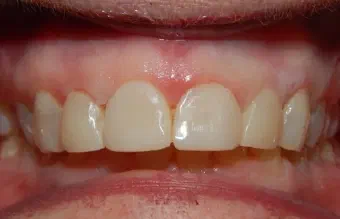
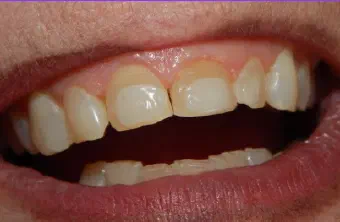
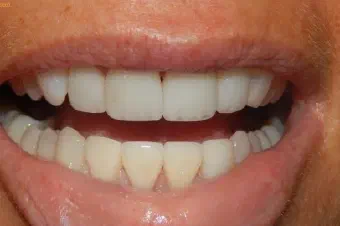
Drag the centre line to compare each real case treated by our dental team. Every smile begins with a personal assessment and a plan shaped around the patient.

Areas We Serve

Neighbourhood dental care, close to home.

Located in Cookstown, Innisfil, our dental team welcomes patients from communities across South Simcoe, Barrie, and northern York Region.

Get directions
  • Cookstown
  • Innisfil
  • Simcoe
  • Lake Simcoe
  • Alcona
  • Stroud
  • Lefroy–Belle Ewart
  • Gilford
  • Churchill
  • Sandy Cove
  • Innisfil Heights
  • Fennell’s Corners
  • Bradford
  • Bradford West Gwillimbury
  • Bond Head
  • Newton Robinson
  • New Tecumseth
  • Alliston
  • Beeton
  • Tottenham
  • Adjala–Tosorontio
  • Everett
  • Loretto
  • Barrie
  • Essa
  • Thornton
  • Baxter
  • Angus
  • Egbert
  • Ivy
  • Utopia
  • York Region
  • East Gwillimbury
  • Queensville
  • Holland Landing
  • Sharon
  • Schomberg
  • Nobleton

Don’t see your community listed? Contact us—we regularly welcome patients from throughout the surrounding region.

Google reviews

Kind words from our patients.

Read what patients have shared about their visits to Cookstown Dental Centre.

A dentist having a friendly consultation with a patient in a bright dental clinic

Your next step

Ready to feel good about your next dental visit?

Whether you are new to the clinic or returning for care, our team is here to make booking simple and answer your questions.

Call Book Now WhatsApp

How can we help?

The Cookstown Dental team is here for you.

Need an appointment, have a question, or want to talk through your options? Choose the next step that works best for you.

Send us a note

We’ll get back to you as soon as we can.