Cookstown Dental Centre
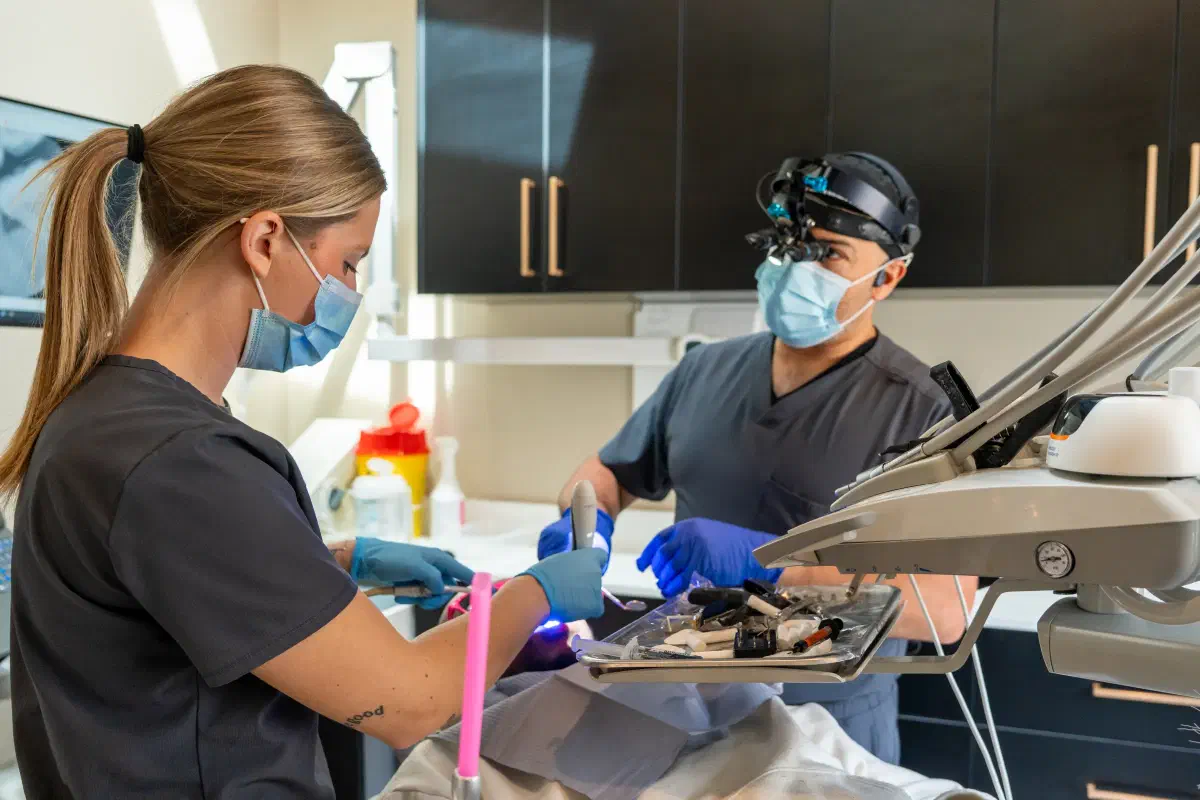
The Cookstown Dental Centre team caring for a patient in a treatment room

General & Family Dentistry · Cookstown

Take persistent changes in your mouth seriously.

Learn what an oral tissue examination can assess, which changes to mention, and why a finding may need review, referral, or biopsy.

Request an appointment

Let’s find a time that works.

Need urgent dental help? Call (705) 291-2222.

Oral Cancer Screening in Cookstown

An examination is a useful check, with clear limits.

An oral cancer screening examination looks for concerning changes in the mouth and related areas. It can be part of a dental assessment and may include looking at tissues and gently feeling the head and neck. It is not a test that can guarantee you do not have cancer, and a normal visit should not prevent you from reporting a new or persistent symptom later.

At Cookstown Dental Centre, tell the dentist about a sore, lump, patch, or change that has not settled. We can assess the visible findings and explain whether follow-up or referral is appropriate. Many oral changes have non-cancerous causes, but the right response is assessment rather than reassurance based only on an online photograph.

A dentist gently examining beneath a patient’s jaw

Practical guidance

Tell us about changes that persist.

A symptom history helps the dentist interpret what is seen. Note when a change began, whether it is improving, and whether a similar problem has occurred before.

A sore, patch, or lump

Mention a mouth sore that is not healing, a red or white patch, or a new thickened area. A change lasting around two weeks deserves assessment, and a clearly concerning or worsening symptom should be checked sooner. Do not repeatedly treat an unexplained lesion with home products instead of arranging a review.

Changes in movement, feeling, or swallowing

Unexplained numbness, difficulty moving the tongue or jaw, or a persistent swallowing concern can be relevant. Some symptoms require medical or specialist assessment beyond a routine dental examination. Tell the team about a neck lump, continuing hoarseness, or other associated changes so you can be directed appropriately.

Your relevant health and exposure history

Discuss tobacco, alcohol, previous head and neck disease, and other information the clinician asks about. The purpose is to guide assessment, not to judge. A person without familiar risk factors can still develop a concerning lesion, so symptoms should not be dismissed on the basis of age or habits alone.

Your care, step by step

What the examination and follow-up may involve.

A clear plan matters whether the finding looks reassuring, needs a short review, or requires prompt investigation. Ask which of these applies to you.

  1. Review your history and symptoms

    The dentist asks about the change and relevant medical information. Tell us about pain, bleeding, irritation from a denture, or a recent injury, but do not assume these explain the entire finding. If you have a photograph showing how the area has changed, it may be useful context.

  2. Examine the tissues

    The clinician looks at accessible areas of the mouth and may gently examine the head and neck. You may be asked to move your tongue or remove a denture. Tell the team about soreness or difficulty opening so the examination can be approached appropriately.

  3. Explain the next action

    The dentist may recommend monitoring with a defined review date, addressing an apparent irritant, or referral for further assessment. A suspicious lesion may require a biopsy to establish a diagnosis. Ask who will arrange the next step and when you should expect to hear about it.

Careful decisions

Screening and diagnosis are different.

A clinical examination can identify a concern, but it cannot determine every cause by appearance or touch alone. Further investigation is sometimes necessary.

A concerning finding is not a cancer diagnosis

Referral or biopsy means more information is needed. It does not establish the result in advance. Ask what the dentist observed and why the next test or opinion is recommended. Understanding the reason can help you prepare without drawing conclusions from the referral itself.

A reassuring examination is not a lifetime guarantee

Report a new or persistent change even if your last examination was normal. Screening has limitations, including areas that cannot be fully assessed in a routine dental setting. Do not wait for the next scheduled checkup when symptoms warrant an earlier clinical opinion.

Plan with confidence

Keep follow-up from getting lost.

If another appointment or referral is recommended, make the practical details explicit before leaving. A clear next step is more useful than being told vaguely to keep an eye on it.

Know what is being reviewed

Ask which area needs attention, when it should be checked again, and what change would make an earlier call necessary. If an irritant is being addressed, confirm how resolution will be assessed. Do not assume that less pain means an unexplained lesion no longer needs follow-up.

Know who is arranging the referral

Confirm the receiving clinician or service, the expected contact process, and what to do if you do not hear back. Keep relevant records and update the dental team if the appointment is delayed. If symptoms worsen while waiting, contact the appropriate clinician rather than treating the referral as a reason to wait silently.

Know when to seek urgent help

Rapid swelling or difficulty breathing requires emergency assessment. Other persistent oral or throat symptoms should be reported promptly to the relevant healthcare professional. The dental team can help clarify the appropriate route, but a routine screening appointment should not delay urgent medical care.

Frequently asked questions

Your questions about oral cancer screening.

Does screening tell me for certain that I do not have cancer?

No. An examination has limits and cannot exclude every disease or assess every part of the throat. It can identify changes that need further attention. Continue to report persistent or new symptoms even after a reassuring visit, and follow any recommended review plan.

Does a white patch mean cancer?

Not necessarily. White patches and other oral changes have several possible causes. The dentist considers the appearance, history, and examination and may recommend review or further investigation. Avoid diagnosing the area yourself from colour alone or comparing it with selected internet photographs.

What does a biopsy involve?

A biopsy takes a tissue sample for laboratory examination to help establish a diagnosis. The clinician performing it will explain the procedure, anaesthetic, aftercare, and result process. Ask why it is recommended and how you will receive the findings before the appointment.

Should I wait two weeks before calling about any sore?

No. A persistent sore around that timeframe is a reason for assessment, but worsening, unusual, or otherwise concerning symptoms may need earlier attention. Explain what you are noticing when you call so the team can advise on the appropriate timing.

Is screening only for smokers?

No. Tobacco and other factors can affect risk, but concerning changes can occur in people without those exposures. Tell the dentist about symptoms regardless of your habits. The examination and follow-up should be based on the individual findings, not a single risk factor.

Can a special light replace a biopsy?

No. Adjunctive tools do not replace a clinical examination or the tissue diagnosis needed for a suspicious lesion. Ask what a proposed test can establish and whether it changes the need for referral. A negative adjunctive result should not override concerning clinical findings.

What if a referral appointment is delayed?

Contact the referring clinic and the receiving service to clarify the plan. Tell them if the lesion or symptoms are changing. Keep the agreed review arrangements rather than assuming that being on a waiting list removes the need for ongoing assessment or communication.

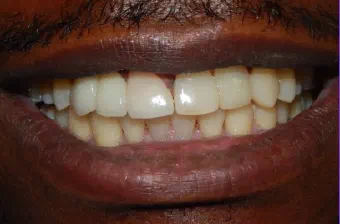
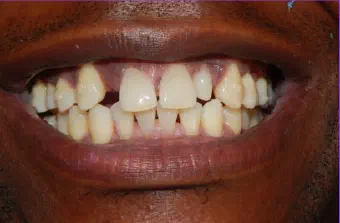
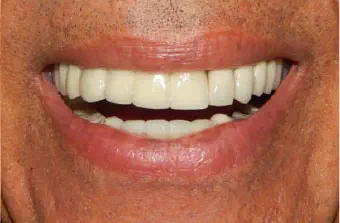
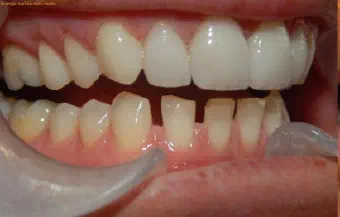
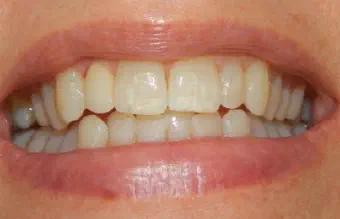
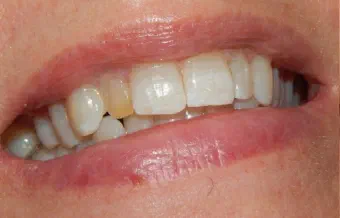
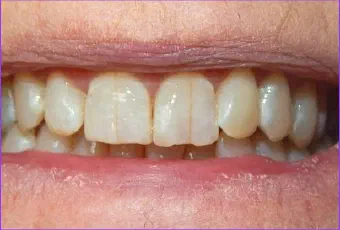
Real patient results

Before & after smile gallery.

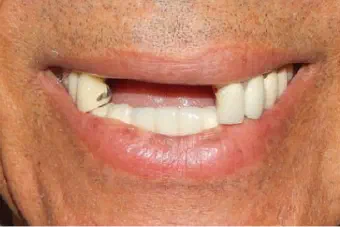
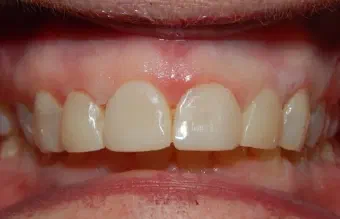
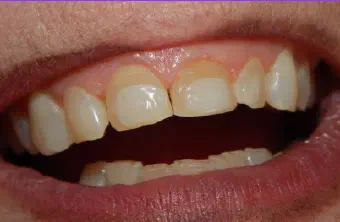
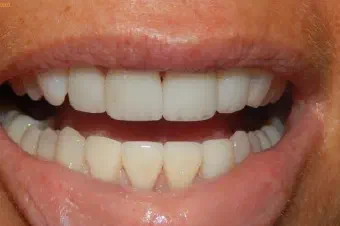
Drag the centre line to compare each real case treated by our dental team. Every smile begins with a personal assessment and a plan shaped around the patient.

Areas We Serve

Neighbourhood dental care, close to home.

Located in Cookstown, Innisfil, our dental team welcomes patients from communities across South Simcoe, Barrie, and northern York Region.

Get directions
  • Cookstown
  • Innisfil
  • Simcoe
  • Lake Simcoe
  • Alcona
  • Stroud
  • Lefroy–Belle Ewart
  • Gilford
  • Churchill
  • Sandy Cove
  • Innisfil Heights
  • Fennell’s Corners
  • Bradford
  • Bradford West Gwillimbury
  • Bond Head
  • Newton Robinson
  • New Tecumseth
  • Alliston
  • Beeton
  • Tottenham
  • Adjala–Tosorontio
  • Everett
  • Loretto
  • Barrie
  • Essa
  • Thornton
  • Baxter
  • Angus
  • Egbert
  • Ivy
  • Utopia
  • York Region
  • East Gwillimbury
  • Queensville
  • Holland Landing
  • Sharon
  • Schomberg
  • Nobleton

Don’t see your community listed? Contact us—we regularly welcome patients from throughout the surrounding region.

Google reviews

Kind words from our patients.

Read what patients have shared about their visits to Cookstown Dental Centre.

A dentist having a friendly consultation with a patient in a bright dental clinic

Your next step

Ready to feel good about your next dental visit?

Whether you are new to the clinic or returning for care, our team is here to make booking simple and answer your questions.

Call Book Now WhatsApp

How can we help?

The Cookstown Dental team is here for you.

Need an appointment, have a question, or want to talk through your options? Choose the next step that works best for you.

Send us a note

We’ll get back to you as soon as we can.