
Cookstown Dental Centre
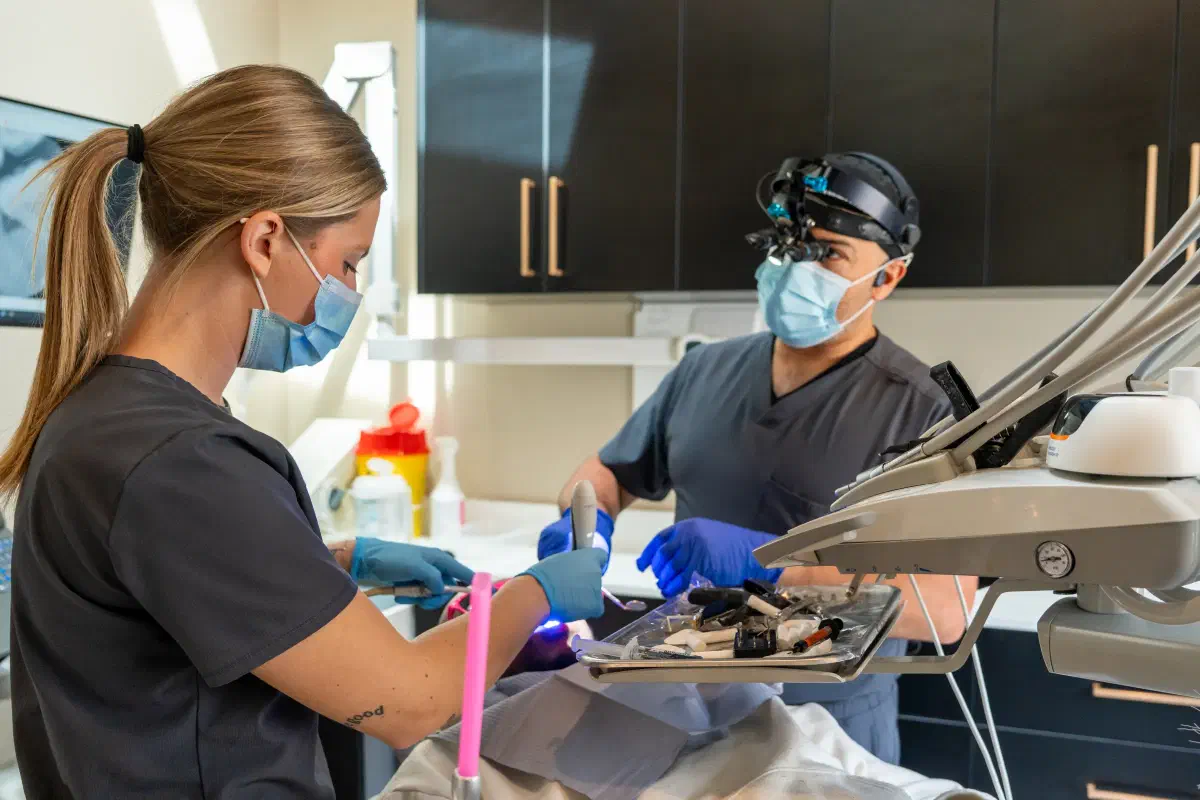
The Cookstown Dental Centre team caring for a patient in a treatment room

General & Family Dentistry · Cookstown

Learn the technique that works in your mouth.

Get practical brushing and interdental-cleaning guidance tailored to your teeth, dental work, dexterity, and everyday routine.

Request an appointment

Let’s find a time that works.

Need urgent dental help? Call (705) 291-2222.

Oral Hygiene Instruction in Cookstown

Good advice should be something you can actually do.

Most people know they should brush and clean between their teeth. The difficult part is often more specific: a crowded back tooth, a bridge that traps food, gums that bleed, or a flossing technique that feels awkward. Oral hygiene instruction turns general advice into a demonstration matched to the places and tasks you find challenging.

At Cookstown Dental Centre, bring your questions and the tools you already use. We can discuss technique, product suitability, and a manageable routine. The goal is not to grade your habits or send you home with a long shopping list. It is to help you understand what needs attention and practise a method you can repeat comfortably.

A hygienist demonstrating interdental cleaning on a dental model

At your appointment

Show us the difficult part.

Instruction is most useful when it starts with your actual routine. A small adjustment in technique or tool choice can be easier to maintain than changing everything at once.

  1. Describe what you do now

    Explain when you brush, how you clean between teeth, and which areas you tend to avoid. Mention pain, bleeding, gagging, or hand discomfort. If you use several products, list them. The team needs to understand what happens on an ordinary busy day, not an ideal routine you rarely manage.

  2. Practise a specific technique

    Ask the clinician to demonstrate the angle, movement, or access needed for the problem area. A model or mirror can help, and you can ask to try the technique yourself where appropriate. Understanding the motion is more useful than remembering only the name of a tool.

  3. Choose a realistic next step

    Agree on one or two priorities and how you will fit them into the day. If a method is painful, too complicated, or unaffordable, explain the obstacle. A plan should be adjusted to become usable rather than repeated unchanged at every appointment.

What matters most

Different spaces need different approaches.

Teeth and dental work create a variety of shapes. The same aid may not reach every area effectively or comfortably.

The gumline and tooth surfaces

Brushing should reach the outer, inner, and chewing surfaces with a gentle technique. Ask about brush size, pressure, and how to approach difficult back teeth. A powered brush may help some people, but the head still needs to be guided appropriately. Scrubbing harder can create discomfort without improving access.
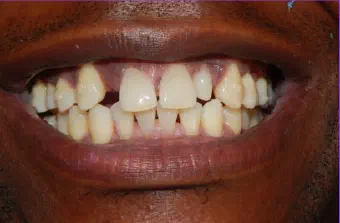
Between neighbouring teeth

Floss or an appropriately sized interdental brush may be useful depending on the space. Ask the team to help choose a method and demonstrate it without forcing the tool. If an aid catches, shreds, or cannot pass comfortably, mention that rather than assuming the answer is more force.

Under and around dental work

Bridges, implants, orthodontic appliances, and removable devices can need specific cleaning methods. Ask which surfaces matter most and whether a threader, special brush, or other aid is suitable. Instructions should match the design of your dental work, not just the general category of appliance.

Understanding the details

Match the routine to your abilities.

A useful cleaning plan considers more than tooth position. Tell us which part of a recommendation becomes difficult once you are at home.

Grip and coordination

A larger handle, different brush style, or another interdental aid may be worth discussing when fine movement is difficult. Bring your current tools and show how you hold them. The aim is to improve control and access while avoiding unnecessary complexity or strain.

Comfort and tolerance

Sensitivity, mouth opening, swallowing concerns, or strong reactions to taste can influence product choice and technique. These difficulties deserve attention rather than blame. Ask how to adapt the routine and whether a symptom needs dental assessment before you continue trying to work around it.

Support from another person

If you want a caregiver’s help, ask for a demonstration that includes their role and your preferences. Preserve the parts you can do independently. A clear, consistent routine is especially helpful when several people share support, but it should still be reviewed as needs change.

Practical guidance

Review the result, not just the intention.

The next appointment can help show whether the routine is reaching the right areas. Feedback should connect directly to the technique you were asked to try.

Look for a specific improvement

Ask which areas had deposits or inflammation and what the team will reassess. If a technique is working, keep it simple and consistent. If it is not, discuss why before adding another product. Pain, persistent bleeding, or food trapping may require an examination rather than more instruction alone.

Keep product advice clear

Know the purpose of toothpaste, rinses, or other recommended products and how they fit with cleaning. A rinse does not replace mechanical cleaning. Follow age-appropriate and product-specific instructions, particularly for children or anyone who has difficulty spitting or swallowing safely.

Make the routine durable

Travel, shift work, caregiving, or a change in health can disrupt habits. Plan for the situations that repeatedly cause missed care. A short routine you understand is easier to restart than a complicated set of steps whose purpose is unclear. Bring these practical issues to follow-up visits.

Frequently asked questions

Your questions about oral hygiene instruction.

Is oral hygiene instruction only for children?

No. Adults can benefit when teeth, dental work, health, or abilities change. A person who brushes regularly may still need help reaching a particular area. Instruction should focus on the specific challenge and offer useful feedback rather than repeat basic advice without context.

Is an electric toothbrush always better?

Not for every person or every situation. A powered brush may be helpful, but technique, head size, comfort, and consistent use still matter. Ask the team to help you choose a brush you can control and demonstrate how to guide it around your teeth.

Should I stop flossing if my gums bleed?

Bleeding deserves assessment and technique advice rather than an automatic decision to stop or push harder. Tell the team where it happens and which tool you use. The clinician can check for inflammation, injury, or another concern and recommend an appropriate approach.

How do I choose an interdental brush size?

Ask for help matching the brush to the space. It should not be forced through an area that is too tight, and different spaces may need different approaches. A demonstration can help you understand the fit and movement rather than choosing only by packaging colour.

Can mouthwash replace brushing when I am busy?

No. A rinse may have a particular supportive role, but it does not replace brushing and appropriate cleaning between teeth. If time is a recurring barrier, discuss a simpler routine and priorities with the team instead of relying on a product that serves a different purpose.

Can you help me clean around a bridge or implant?

Yes, ask for guidance based on the actual design and access in your mouth. Different restorations may need different tools. Bring the products you use and explain where food collects so the demonstration addresses the problem you encounter at home.

What should I bring to an instruction appointment?

Bring your toothbrush, interdental aids, or photographs of products, along with questions about difficult areas. Mention discomfort and practical limitations. If someone assists you, consider involving them with your permission so the same technique can be understood and used consistently at home.

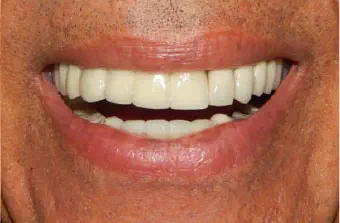
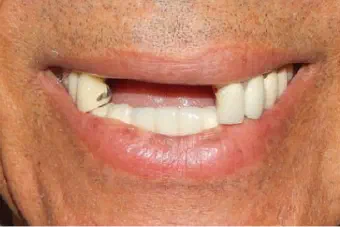
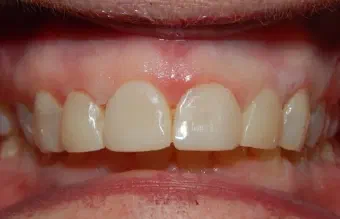
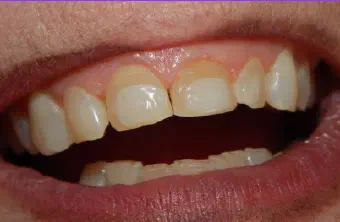
Real patient results

Before & after smile gallery.

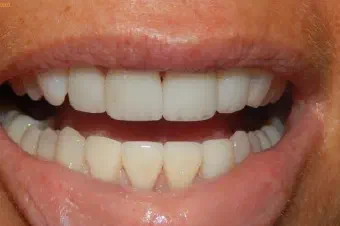
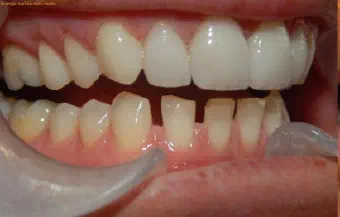
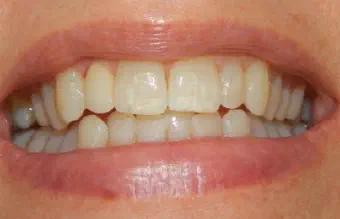
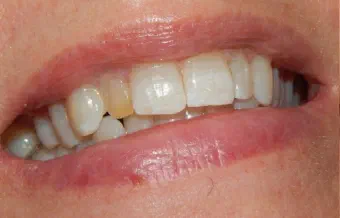
Drag the centre line to compare each real case treated by our dental team. Every smile begins with a personal assessment and a plan shaped around the patient.

Areas We Serve

Neighbourhood dental care, close to home.

Located in Cookstown, Innisfil, our dental team welcomes patients from communities across South Simcoe, Barrie, and northern York Region.

Get directions
  • Cookstown
  • Innisfil
  • Simcoe
  • Lake Simcoe
  • Alcona
  • Stroud
  • Lefroy–Belle Ewart
  • Gilford
  • Churchill
  • Sandy Cove
  • Innisfil Heights
  • Fennell’s Corners
  • Bradford
  • Bradford West Gwillimbury
  • Bond Head
  • Newton Robinson
  • New Tecumseth
  • Alliston
  • Beeton
  • Tottenham
  • Adjala–Tosorontio
  • Everett
  • Loretto
  • Barrie
  • Essa
  • Thornton
  • Baxter
  • Angus
  • Egbert
  • Ivy
  • Utopia
  • York Region
  • East Gwillimbury
  • Queensville
  • Holland Landing
  • Sharon
  • Schomberg
  • Nobleton

Don’t see your community listed? Contact us—we regularly welcome patients from throughout the surrounding region.

Google reviews

Kind words from our patients.

Read what patients have shared about their visits to Cookstown Dental Centre.

A dentist having a friendly consultation with a patient in a bright dental clinic

Your next step

Ready to feel good about your next dental visit?

Whether you are new to the clinic or returning for care, our team is here to make booking simple and answer your questions.

Call Book Now WhatsApp

How can we help?

The Cookstown Dental team is here for you.

Need an appointment, have a question, or want to talk through your options? Choose the next step that works best for you.

Send us a note

We’ll get back to you as soon as we can.