Cookstown Dental Centre
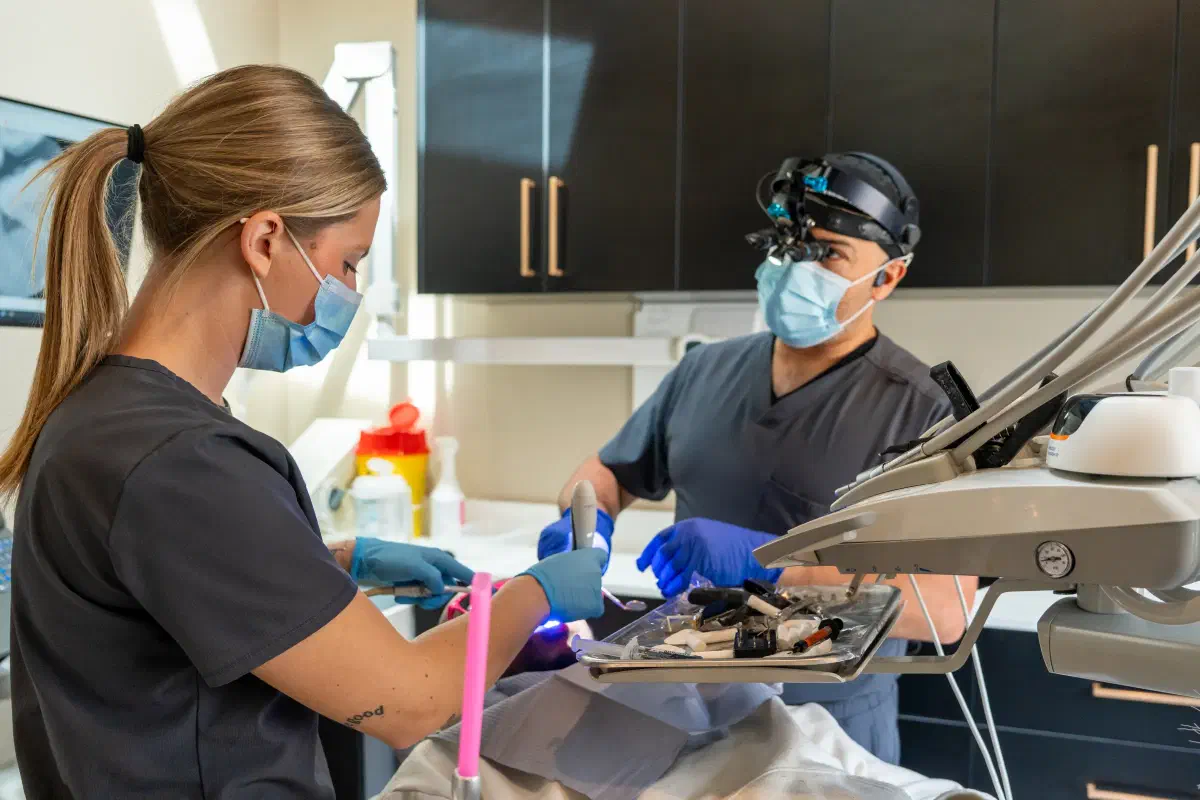
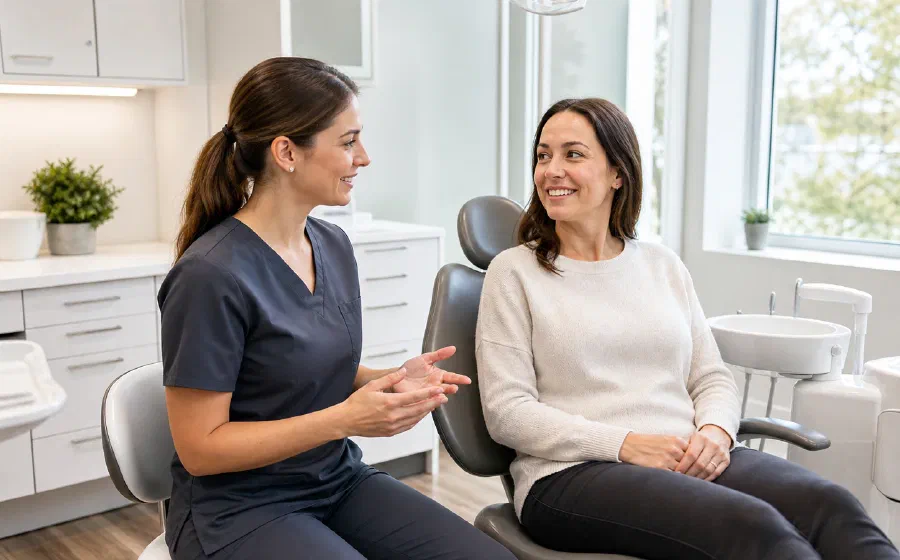
The Cookstown Dental Centre team caring for a patient in a treatment room

Specialized Care · Cookstown

Plan oral lesion removal around diagnosis as well as comfort.

Oral lesion removal needs assessment of the tissue, appropriate sampling, and a follow-up plan. Discuss technique, pathology, recovery, and persistent or recurring findings.

Request an appointment

Let’s find a time that works.

Need urgent dental help? Call (705) 291-2222.

Oral Lesion Removal in Cookstown

Removing a spot is not always the first or only step in understanding it.

An oral lesion is a change in tissue, such as a lump, patch, ulcer, or growth. Some lesions may be suitable for removal after assessment, while others need a biopsy, specialist evaluation, monitoring, or treatment of a contributing cause. The correct sequence depends on the lesion’s history and features rather than whether it is bothersome or easy to see.

At Cookstown Dental Centre, the evaluation helps clarify the diagnosis and appropriate provider pathway. Removal should not be offered as a purely cosmetic shortcut for an unexplained or suspicious finding. The plan should address whether tissue needs laboratory examination, how the procedure relates to the suspected diagnosis, and who communicates the results. Confirm the available procedure or referral arrangements, and keep follow-up even if the area feels comfortable after healing.
A dentist explaining a soft-tissue assessment and treatment plan to a patient

Planning together

Describe the lesion and what prompted you to seek care.

A useful history includes change as well as current discomfort.

How long it has been present and whether it recurs

Tell the clinician when you first noticed it, whether it has grown, and whether it has disappeared and returned. Mention bleeding, pain, or a change in colour or texture. A lesion that repeatedly returns should not be assumed to need the same removal without reconsidering the diagnosis.

Irritation and relevant treatment history

A sharp tooth, denture edge, biting habit, or previous procedure may be relevant, but should not become an unsupported explanation for every lesion. Bring prior pathology results if tissue has been sampled before. The current finding still needs assessment even when a similar area was previously described as benign.

What we consider

Assess whether removal is the appropriate next step.

The examination should consider diagnostic value and procedural risk together.

Clinical features and surrounding tissues

The provider examines the lesion and related oral structures, with a wider assessment when appropriate. Persistent ulcers, unusual patches, or suspicious changes may require a diagnostic referral. Appearance alone cannot establish every lesion’s nature, and lack of pain should not substitute for the indicated investigation.

Size, location, and effect on function

The site can affect access, closure, sensation, bleeding, or how eating and speaking feel during recovery. A small-looking lesion is not automatically a simple procedure. The clinician explains the relevant considerations and whether another provider is better placed to perform the assessment or treatment.

Medical history and medication needs

Health conditions, allergies, bleeding history, and current medicines influence planning. Do not stop prescribed medication on your own. The provider decides whether medical coordination or specific precautions are needed rather than apply one generic instruction to every soft-tissue procedure.

Understanding the options

Separate diagnostic sampling from definitive treatment.

The best sequence may involve leaving some tissue until the diagnosis is clearer.

Biopsy or referral before complete removal

Selected findings need a representative sample or specialist assessment first. This can preserve the information and treatment choices needed for a suitable plan. The clinician should explain why immediate complete removal is not always appropriate rather than assume that taking away more tissue provides a better diagnosis.

Removal when the indication and approach are suitable

For some lesions, removal can be an appropriate treatment and diagnostic step, with tissue examination as indicated. The plan includes technique, expected benefit, and relevant limits. A tool such as a laser does not replace the need to understand the lesion or arrange the appropriate pathology pathway.

The appointment

Include tissue analysis and result communication in the procedure plan.

A comfortable wound does not establish the diagnosis.

  1. Confirm consent and the intended scope

    The provider explains what will be removed, why, and the alternatives. Discuss anaesthesia, healing, possible scarring or recurrence, and other site-specific risks. The scope should be understood before treatment rather than expanded solely because the lesion appears easy to remove once the appointment begins.

  2. Perform the procedure and provide tailored aftercare

    The chosen technique follows the clinical plan and diagnostic requirements. Tissue is handled for appropriate examination when indicated, and the wound is managed according to the site. Instructions should explain cleaning, food choices, bleeding measures, and contact arrangements for unexpected symptoms.

  3. Review the report and any next treatment

    If pathology is obtained, the result must be communicated and interpreted with the clinical findings. Additional care or surveillance may be needed even after apparent complete removal. Confirm who is responsible for that conversation and contact the provider if the expected results communication does not occur.

Practical guidance

Address contributors and watch for changes after healing.

Removal may not prevent recurrence if the underlying situation remains.

Correct a confirmed local irritant when appropriate

If a denture, restoration edge, or habit is identified as contributing, it may need separate attention. The adjustment should follow the finding rather than be assumed from location alone. Treating an irritant and reviewing tissue response can be part of the plan without dismissing a lesion that persists.

Report recurrence, persistent symptoms, or a new lesion

Arrange review if the area returns, changes, or does not heal as expected. Previous benign findings do not automatically explain a new lesion. Urgent bleeding, spreading swelling, or breathing or swallowing difficulty requires prompt care according to severity rather than waiting for routine surveillance.

Frequently asked questions

Questions about oral lesion removal

Can any mouth lump be removed at a routine dental visit?

No. The diagnosis, site, size, medical factors, and need for tissue analysis determine the appropriate approach and provider. Some findings need biopsy or specialist assessment before definitive removal. Confirm the plan rather than assume all visible lesions are simple procedures.

Is removal the same as a biopsy?

The procedures can overlap when removed tissue is used for diagnosis, but the purposes should be explicit. Some biopsies sample only part of a lesion, while selected removals address the whole finding. Ask how tissue analysis and follow-up fit into the proposed care.

Will removing the lesion prove that it was harmless?

No. The diagnosis may depend on pathology and the clinical context. A smooth or comfortable healed area does not substitute for reviewing the result. Follow the agreed communication process and do not assume no news means the finding was benign.

Can a laser avoid the need for laboratory testing?

A tool does not remove the need for appropriate diagnosis. An unexplained or suspicious lesion should not be ablated in a way that bypasses necessary tissue examination. The provider selects a method that supports the diagnostic and treatment requirements.

Could the lesion come back?

Recurrence depends on the diagnosis, completeness and purpose of treatment, and any contributing factors. It should not be ruled out universally. If tissue returns or changes, arrange reassessment rather than assume another identical removal is automatically the right response.

What if a denture or sharp tooth is rubbing the area?

Tell the clinician, because a confirmed irritant may need correction. The lesion still requires assessment and review of its response. Persistent tissue change should not be repeatedly blamed on rubbing without checking whether further investigation is indicated.

Who will explain the results after removal?

The treatment plan should identify the clinician responsible for communicating any pathology report and coordinating further care. Ask about the expected process and contact them if you have not heard. Keep follow-up even if healing is comfortable.

Real patient results

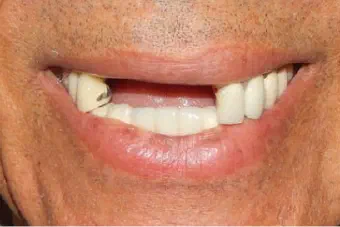
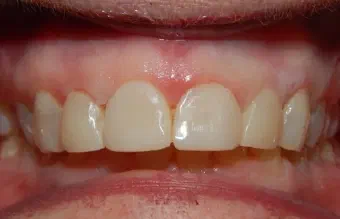
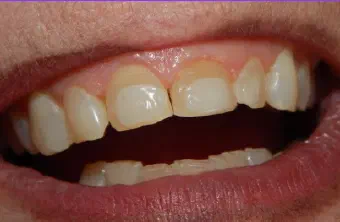
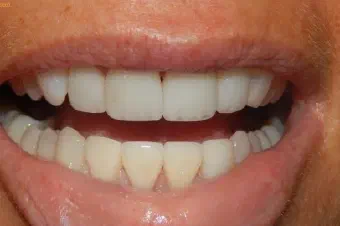
Before & after smile gallery.

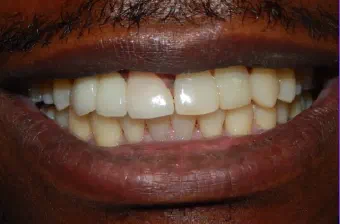
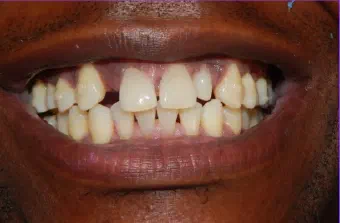
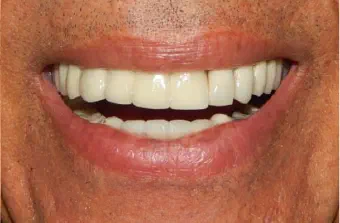
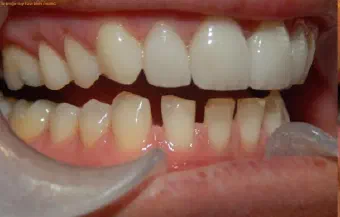
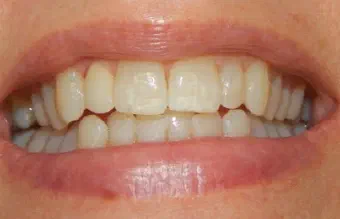
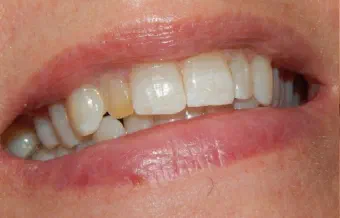
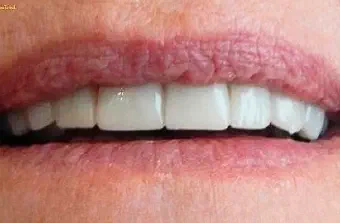
Drag the centre line to compare each real case treated by our dental team. Every smile begins with a personal assessment and a plan shaped around the patient.

Areas We Serve

Neighbourhood dental care, close to home.

Located in Cookstown, Innisfil, our dental team welcomes patients from communities across South Simcoe, Barrie, and northern York Region.

Get directions
  • Cookstown
  • Innisfil
  • Simcoe
  • Lake Simcoe
  • Alcona
  • Stroud
  • Lefroy–Belle Ewart
  • Gilford
  • Churchill
  • Sandy Cove
  • Innisfil Heights
  • Fennell’s Corners
  • Bradford
  • Bradford West Gwillimbury
  • Bond Head
  • Newton Robinson
  • New Tecumseth
  • Alliston
  • Beeton
  • Tottenham
  • Adjala–Tosorontio
  • Everett
  • Loretto
  • Barrie
  • Essa
  • Thornton
  • Baxter
  • Angus
  • Egbert
  • Ivy
  • Utopia
  • York Region
  • East Gwillimbury
  • Queensville
  • Holland Landing
  • Sharon
  • Schomberg
  • Nobleton

Don’t see your community listed? Contact us—we regularly welcome patients from throughout the surrounding region.

Google reviews

Kind words from our patients.

Read what patients have shared about their visits to Cookstown Dental Centre.

A dentist having a friendly consultation with a patient in a bright dental clinic

Your next step

Ready to feel good about your next dental visit?

Whether you are new to the clinic or returning for care, our team is here to make booking simple and answer your questions.

Call Book Now WhatsApp

How can we help?

The Cookstown Dental team is here for you.

Need an appointment, have a question, or want to talk through your options? Choose the next step that works best for you.

Send us a note

We’ll get back to you as soon as we can.