Cookstown Dental Centre
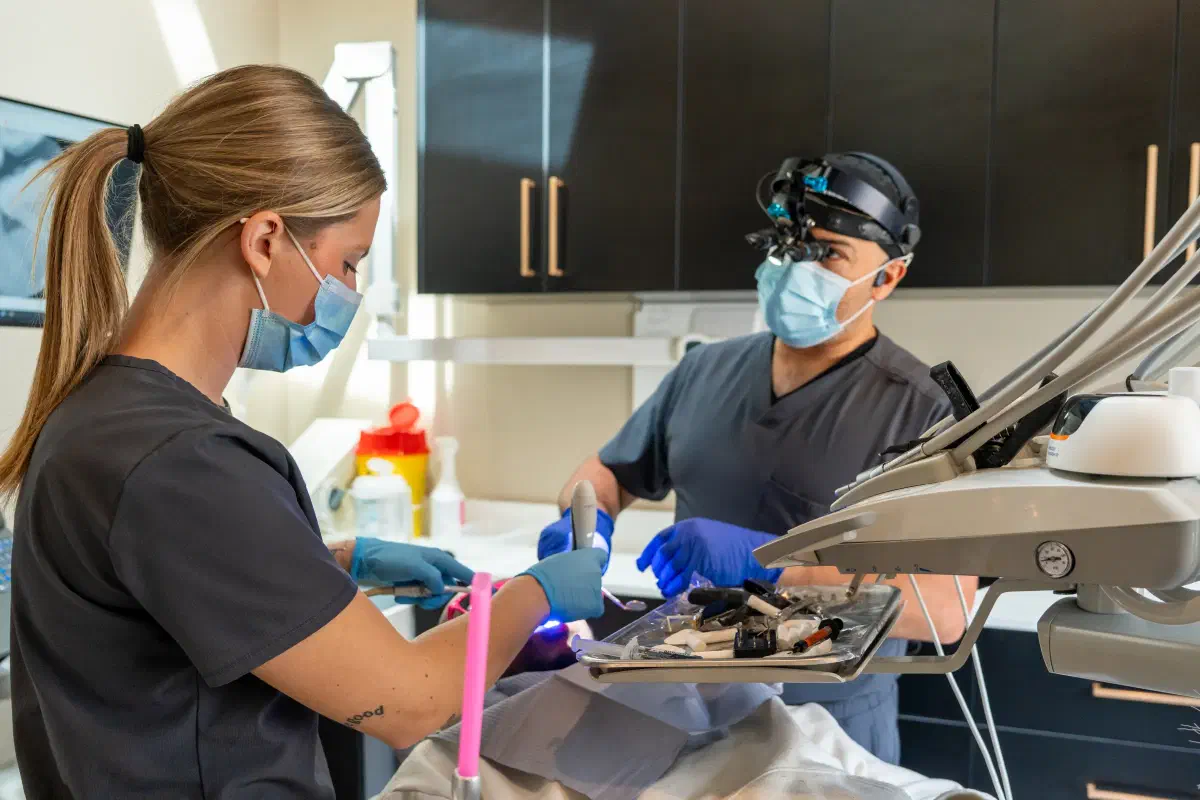
The Cookstown Dental Centre team caring for a patient in a treatment room

Cosmetic Dentistry · Cookstown

Understand why teeth have shifted before moving them again.

Teeth shifting after braces or aligners need a fresh assessment. Review relapse causes, retainer fit, retreatment choices, and a more workable maintenance plan.

Request an appointment

Let’s find a time that works.

Need urgent dental help? Call (705) 291-2222.

Orthodontic Relapse Treatment in Cookstown

A changed smile needs a current assessment, even if it was straight before.

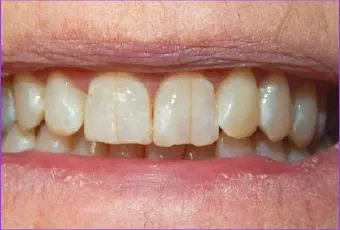
A front tooth may begin to overlap, a space may reopen, or a familiar retainer may no longer seat. These changes can be frustrating after earlier orthodontic treatment. Relapse describes a return toward previous positions, although teeth can also change with age, oral health, and other dental circumstances. Understanding the present condition is more useful than assuming the answer is simply to repeat the original treatment.

At Cookstown Dental Centre, we review what has changed, when you noticed it, and how retention has been managed. The discussion is practical and without blame. Depending on the findings, the next step may be a retainer assessment, limited movement, more comprehensive orthodontic care, or attention to another dental concern first. Any further correction should include a maintenance plan you understand and can realistically follow.
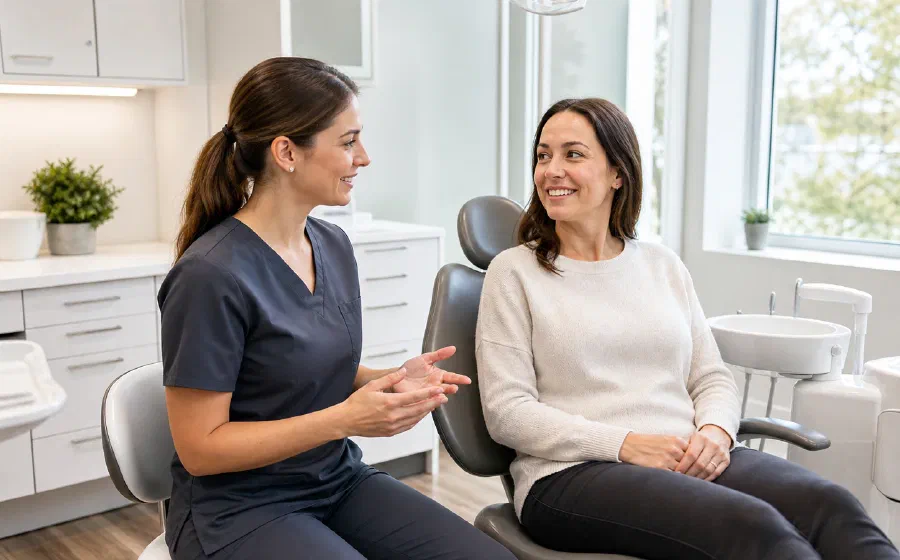
A patient discussing a changed retainer fit with a dentist

What we consider

Reconstruct the change without relying on memory alone.

Old records and appliances can help, but the examination determines what is happening now.

The pattern and timing of movement

Tell us whether the shift developed gradually or seemed sudden, and whether it affects one tooth or several. Photographs and previous records can help describe the change. A newly opened space or altered bite deserves assessment rather than an assumption that every movement is ordinary post-treatment relapse.

The retainer’s recent history

Bring the appliance, even if it is broken or no longer fits. Describe missed wear, damage, repairs, and when it last seated comfortably. This information helps distinguish an appliance problem from a tooth-position change and supports a practical discussion about what retention approach would suit you now.

The condition of teeth and gums

The clinician checks relevant oral health findings, restorations, and bite relationships. Gum problems or other changes may need attention before another course of movement. Previous successful orthodontics does not establish current suitability, particularly if there has been a long interval or substantial dental work since treatment ended.

Understanding the options

Match the response to the current problem.

A tight retainer, a small rotation, and a broader bite change may require different decisions.

Assessing the appliance first

If tooth position remains acceptable but a retainer is damaged or worn, a replacement may be considered after examination. A new appliance made to current records usually holds the current position. It should not be presented as a way to restore the earlier alignment unless active treatment is specifically planned.

Planning further tooth movement

When correction is appropriate, the clinician discusses a limited or broader orthodontic approach according to the actual findings. The new plan may differ from the original one. Ask which change it would address, what it would leave unchanged, and whether an orthodontic specialist’s assessment would be valuable.

Practical guidance

Avoid making a fit problem harder to assess.

There is a useful difference between reporting a change promptly and trying to correct it yourself.

Do not force a retainer that will not seat

A badly fitting appliance should be checked rather than pushed into place or reshaped at home. Describe whether it lifts, rocks, pinches, or feels suddenly different. The clinician can advise what to do while waiting and determine whether the problem lies in the appliance, the teeth, or both.

Keep useful information together

Bring current and older retainers if available, along with the previous provider’s details and treatment records you already have. Note any recent fillings, crowns, injuries, or gum symptoms. These details can explain a fit change that would otherwise be attributed only to missed retainer wear.

Raise barriers to long-term wear

If discomfort, cleaning, travel, or a changing routine made retention difficult, say so. A workable plan needs to address those barriers instead of simply repeating instructions that did not fit your circumstances. Options still have clinical limits, but discussing the real difficulty helps make the recommendation more useful.

The appointment

Build maintenance into the retreatment decision.

The endpoint should include both the desired position and a clear way to support it afterward.

  1. Define a realistic correction

    Compare the current findings with your priorities and the previous result. You may want the earlier alignment restored or a different goal now. Agree on what is achievable and what would require broader care before choosing an appliance primarily because it appears convenient or familiar.

  2. Review progress and oral health

    If treatment proceeds, attend monitoring visits and report changes in fit or comfort. The clinician assesses response and supporting tissues rather than relying only on a digital target. A revised plan may be needed if the movement or maintenance demands differ from what was initially expected.

  3. Arrange retention before active treatment ends

    Confirm the appliance, wear instructions, review arrangements, and replacement process in advance. Discuss what to do if fit changes again. Retention lowers the risk of unwanted movement but does not make future change impossible, so monitoring remains part of the long-term plan.

Frequently asked questions

Questions about orthodontic relapse treatment

Why did my teeth move years after braces?

Teeth can change over time, and retention, oral health, and other factors may contribute. An examination helps assess the pattern rather than assigning one cause automatically. Bring your retainer and describe when you first noticed the change.

Can my old retainer straighten the teeth again?

Do not assume that it can. A retainer that no longer seats may apply inappropriate forces or be distorted. The clinician should assess the teeth and appliance before advising whether continued wear, replacement, or active orthodontic treatment is appropriate.

Does relapse always require full treatment again?

No. The current findings and your goals determine the scope. Some concerns may suit a limited approach, while a broader bite change needs more comprehensive planning. A short course should not be promised before the mouth is assessed.

Can a fixed retainer prevent every future shift?

No appliance guarantees that teeth will never move. Fixed retainers require cleaning and checks, and a bond can loosen without being obvious. The clinician explains whether fixed retention, removable retention, or a combination is suitable for your situation.

Will a new retainer return my original smile?

A retainer made to the present position generally maintains that position. If you want teeth moved back, discuss active correction before the appliance is made. Replacement and retreatment are different decisions even when they are considered at the same appointment.

Should a sudden new gap be checked?

Yes. A new or rapidly changing space should be examined, especially with bleeding gums, looseness, or discomfort. It should not be assumed to be routine relapse simply because you had orthodontic treatment in the past.

How can the next retention plan be easier to follow?

Explain what made the earlier plan difficult, including fit, cleaning, replacement costs, or daily routines. The clinician can discuss suitable options and clear follow-up arrangements. The aim is a realistic ongoing plan, not a promise that maintenance can be eliminated.

Real patient results

Before & after smile gallery.

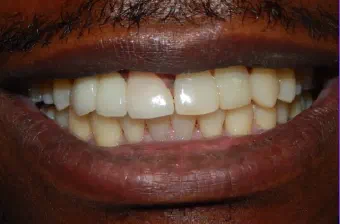
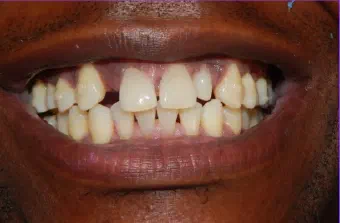
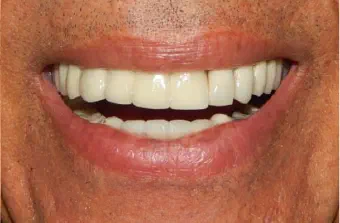
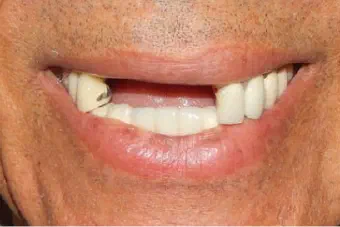
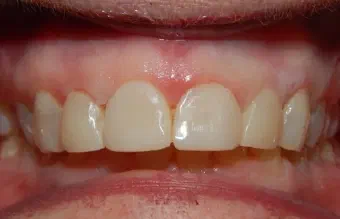
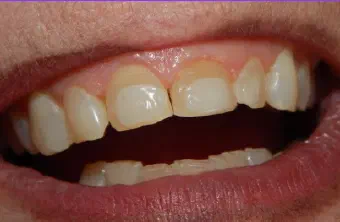
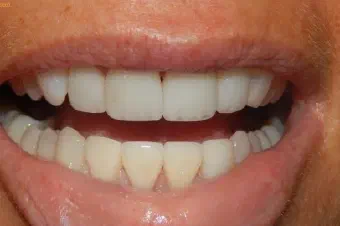
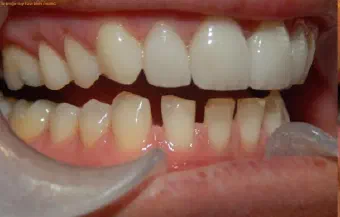
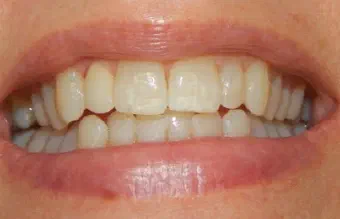
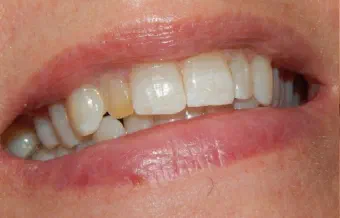
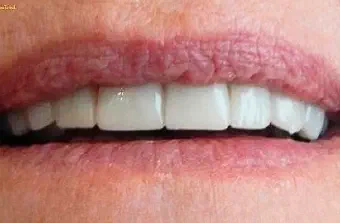
Drag the centre line to compare each real case treated by our dental team. Every smile begins with a personal assessment and a plan shaped around the patient.

Areas We Serve

Neighbourhood dental care, close to home.

Located in Cookstown, Innisfil, our dental team welcomes patients from communities across South Simcoe, Barrie, and northern York Region.

Get directions
  • Cookstown
  • Innisfil
  • Simcoe
  • Lake Simcoe
  • Alcona
  • Stroud
  • Lefroy–Belle Ewart
  • Gilford
  • Churchill
  • Sandy Cove
  • Innisfil Heights
  • Fennell’s Corners
  • Bradford
  • Bradford West Gwillimbury
  • Bond Head
  • Newton Robinson
  • New Tecumseth
  • Alliston
  • Beeton
  • Tottenham
  • Adjala–Tosorontio
  • Everett
  • Loretto
  • Barrie
  • Essa
  • Thornton
  • Baxter
  • Angus
  • Egbert
  • Ivy
  • Utopia
  • York Region
  • East Gwillimbury
  • Queensville
  • Holland Landing
  • Sharon
  • Schomberg
  • Nobleton

Don’t see your community listed? Contact us—we regularly welcome patients from throughout the surrounding region.

Google reviews

Kind words from our patients.

Read what patients have shared about their visits to Cookstown Dental Centre.

A dentist having a friendly consultation with a patient in a bright dental clinic

Your next step

Ready to feel good about your next dental visit?

Whether you are new to the clinic or returning for care, our team is here to make booking simple and answer your questions.

Call Book Now WhatsApp

How can we help?

The Cookstown Dental team is here for you.

Need an appointment, have a question, or want to talk through your options? Choose the next step that works best for you.

Send us a note

We’ll get back to you as soon as we can.