Cookstown Dental Centre
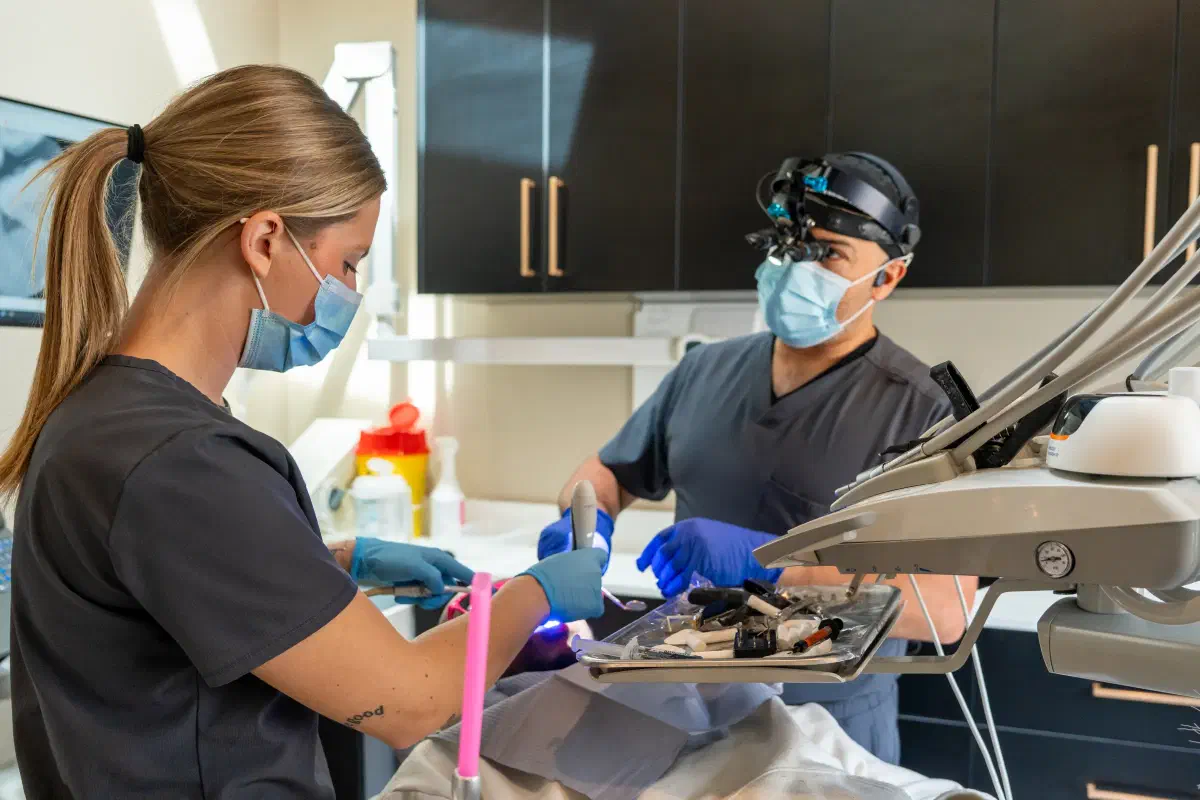
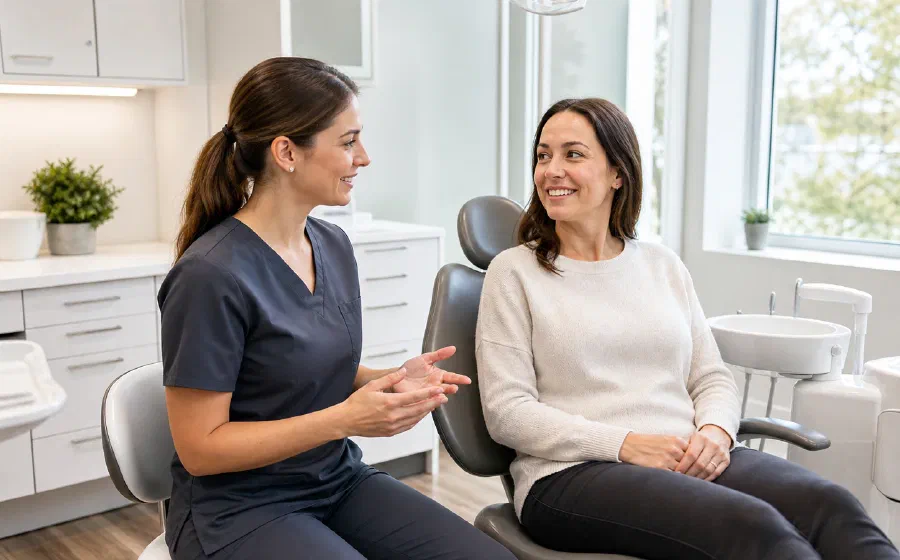
The Cookstown Dental Centre team caring for a patient in a treatment room

Restorative Dentistry · Cookstown

Replace missing teeth with a partial denture designed around what remains.

Partial dentures replace selected missing teeth while using the remaining mouth for support. Explore designs, supporting-tooth care, fit, and everyday handling.

Request an appointment

Let’s find a time that works.

Need urgent dental help? Call (705) 291-2222.

Partial Dentures in Cookstown

The natural teeth are part of the plan, not just the spaces between them.

A partial denture is a removable appliance that replaces some missing teeth while other natural teeth remain. Its design may use the teeth and supporting tissues in different ways, depending on the gap pattern, condition of the mouth, and materials selected. A successful plan therefore considers the remaining teeth as carefully as the replacement teeth.

At Cookstown Dental Centre, we discuss what you want to improve in eating, appearance, or speech, then assess the teeth, gums, bite, and available support. A partial can be an interim or longer-term option, but those roles should be made clear. The design should also fit your ability to insert, remove, and clean it, with an explanation of alternatives and the care needed to protect the supporting teeth.
A dentist discussing a removable partial denture model with a patient

A closer look

Define the role of the appliance before choosing a design.

The intended use influences records, materials, and expectations.

  1. A planned long-term replacement

    When the remaining teeth and tissues are suitable, a partial denture may be considered as ongoing care. The plan includes support, retention, and maintenance rather than focusing only on filling visible gaps. Discuss comfort and function goals, and understand that removable teeth require adaptation and regular assessment.

  2. An interim stage during other treatment

    A partial may be used while tissues heal or another replacement is planned. Its design and function may be deliberately limited for that period. Clarify the next stage and any expected modifications so an interim appliance is not mistaken for a final solution with no further appointments.

What we consider

Assess the foundations that will carry the partial.

The pattern of remaining teeth shapes the available options.

Natural teeth and restorations

Potential supporting teeth are examined for decay, structural condition, and periodontal support. Some may need treatment before the denture is made. The design should not rely on a tooth with an uncertain prognosis without discussing that uncertainty and how future changes could affect the appliance.

The gums and ridge

The tissues in the missing-tooth areas contribute to fit and, in some designs, support. Healing after recent extractions can change their shape. The clinician considers whether records should be taken now or later and whether an interim approach is more appropriate while the mouth changes.

Bite, space, and retention

Opposing teeth, available room, and the location of gaps influence the framework and clasps or other retaining elements. Visibility may be part of the discussion, but appearance is balanced with function and support. Not every material or flexible design suits every pattern of missing teeth.

Understanding the options

Review the partial alongside fixed alternatives.

The comparison should reflect the actual teeth and spaces in your mouth.

A removable partial denture

A partial can replace several teeth within one appliance and is removed for care. It may offer a useful option when fixed treatment is not preferred or suitable. Its handling, possible movement, supporting-tooth care, and future fit changes should be included in the decision.

A bridge or implant-based replacement

Fixed options have different support, preparation, surgical, and maintenance requirements. The condition of neighbouring teeth and available bone can influence suitability. Ask how the options compare for cleaning, appointments, cost, and future changes rather than judging them only by whether they are removable.

The appointment

Use the fitting process to refine the appliance.

Making a partial involves clinical records and checks appropriate to the design.

  1. Prepare the mouth and take records

    Needed treatment to teeth or tissues is coordinated before definitive records where appropriate. Impressions or scans and bite information guide fabrication. If the design involves planned modifications to supporting teeth, the dentist should explain their purpose and the effect on the overall sequence.

  2. Review fit and appearance during fabrication

    Try-in or framework checks may be part of the process depending on the appliance. These appointments provide opportunities to assess relationships before completion. Share concerns about visible details, speech, or comfort while recognizing that the final appliance still needs review in everyday use.

  3. Fit the denture and practise handling

    The clinician checks seating, retention, contacts, and tissue relationships. Learn insertion and removal without forcing or biting the appliance into place. Instructions should cover cleaning, wear, and follow-up, with adjustments arranged for pressure or functional concerns that persist after the initial fitting.

Practical guidance

Protect the supporting teeth every day.

The partial and the natural mouth need separate but coordinated care.

Clean the appliance and the areas it contacts

Remove the denture as instructed and clean it with products suitable for its materials. Brush the remaining teeth carefully, including surfaces near clasps and rests. Ask for a demonstration around difficult areas; a clean appliance does not replace cleaning the teeth that help support it.

Report looseness, pressure, and changes in the teeth

Do not bend clasps, file the base, or heat the partial at home. A new loose feeling can involve the appliance or a supporting tooth. Regular reviews assess both, and a planned reline or repair should be based on the current mouth rather than the appliance alone.

Frequently asked questions

Questions about partial dentures

How is a partial different from a complete denture?

A partial replaces some teeth while natural teeth remain; a complete denture replaces the teeth in an entire arch. A partial’s design must account for the remaining teeth and their health, including how the appliance is supported and retained.

Will the clasps show when I smile?

Visibility depends on the design, tooth positions, and smile. Discuss your appearance priorities before fabrication. Alternative designs may have different support or maintenance requirements, so a hidden attachment should not be assumed appropriate for every situation.

Can a partial damage my natural teeth?

The supporting teeth need suitable design, effective cleaning, and ongoing review. Decay, gum disease, or unsuitable forces can create problems. The clinician assesses those risks and explains care; the appliance should not be left unreviewed simply because it still fits.

Is a flexible partial always more comfortable?

Not necessarily. Material choice depends on the missing-tooth pattern, support, repair needs, and clinical findings. Different designs have different limitations. Ask why a particular material is recommended for your mouth rather than choosing only from a description of flexibility.

Can more teeth be added later?

Some appliances can be modified, but this depends on the design, materials, and changes in the mouth. It is not guaranteed. If a remaining tooth has an uncertain prognosis, discuss how its loss would affect the partial before the appliance is made.

Should I sleep wearing the partial?

Follow the instructions for your appliance and treatment stage. Routine long-term care often includes a period without the denture, but recent surgery or specific treatment can require different early instructions. Ask for clarification rather than applying another person’s wear schedule.

What if it becomes painful or loose?

Arrange assessment and avoid adjusting clasps or the base yourself. Pressure, tissue changes, worn contacts, or supporting-tooth problems can affect fit. The appropriate treatment depends on the cause and may differ from a simple tightening.

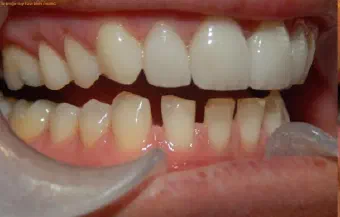
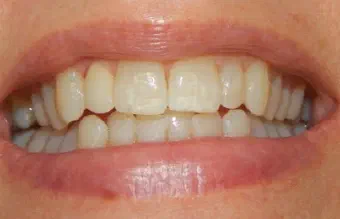
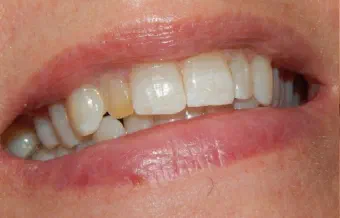
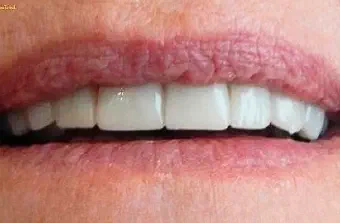
Real patient results

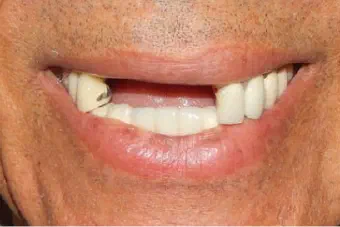
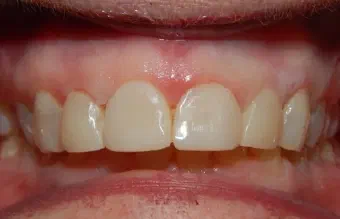
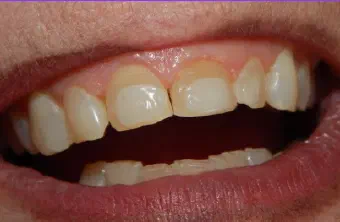
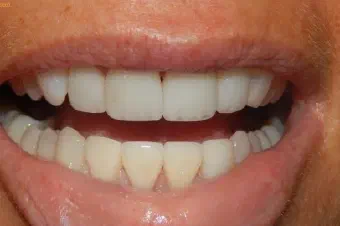
Before & after smile gallery.

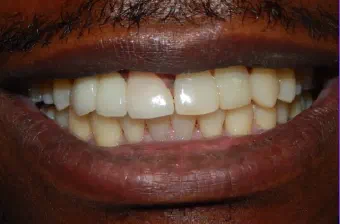
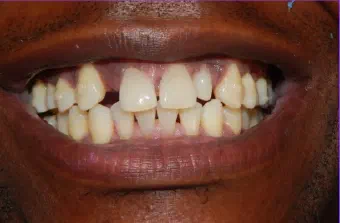
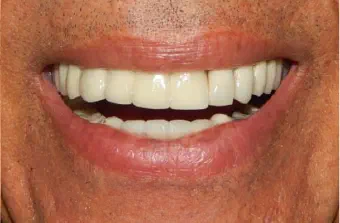
Drag the centre line to compare each real case treated by our dental team. Every smile begins with a personal assessment and a plan shaped around the patient.

Areas We Serve

Neighbourhood dental care, close to home.

Located in Cookstown, Innisfil, our dental team welcomes patients from communities across South Simcoe, Barrie, and northern York Region.

Get directions
  • Cookstown
  • Innisfil
  • Simcoe
  • Lake Simcoe
  • Alcona
  • Stroud
  • Lefroy–Belle Ewart
  • Gilford
  • Churchill
  • Sandy Cove
  • Innisfil Heights
  • Fennell’s Corners
  • Bradford
  • Bradford West Gwillimbury
  • Bond Head
  • Newton Robinson
  • New Tecumseth
  • Alliston
  • Beeton
  • Tottenham
  • Adjala–Tosorontio
  • Everett
  • Loretto
  • Barrie
  • Essa
  • Thornton
  • Baxter
  • Angus
  • Egbert
  • Ivy
  • Utopia
  • York Region
  • East Gwillimbury
  • Queensville
  • Holland Landing
  • Sharon
  • Schomberg
  • Nobleton

Don’t see your community listed? Contact us—we regularly welcome patients from throughout the surrounding region.

Google reviews

Kind words from our patients.

Read what patients have shared about their visits to Cookstown Dental Centre.

A dentist having a friendly consultation with a patient in a bright dental clinic

Your next step

Ready to feel good about your next dental visit?

Whether you are new to the clinic or returning for care, our team is here to make booking simple and answer your questions.

Call Book Now WhatsApp

How can we help?

The Cookstown Dental team is here for you.

Need an appointment, have a question, or want to talk through your options? Choose the next step that works best for you.

Send us a note

We’ll get back to you as soon as we can.