Cookstown Dental Centre
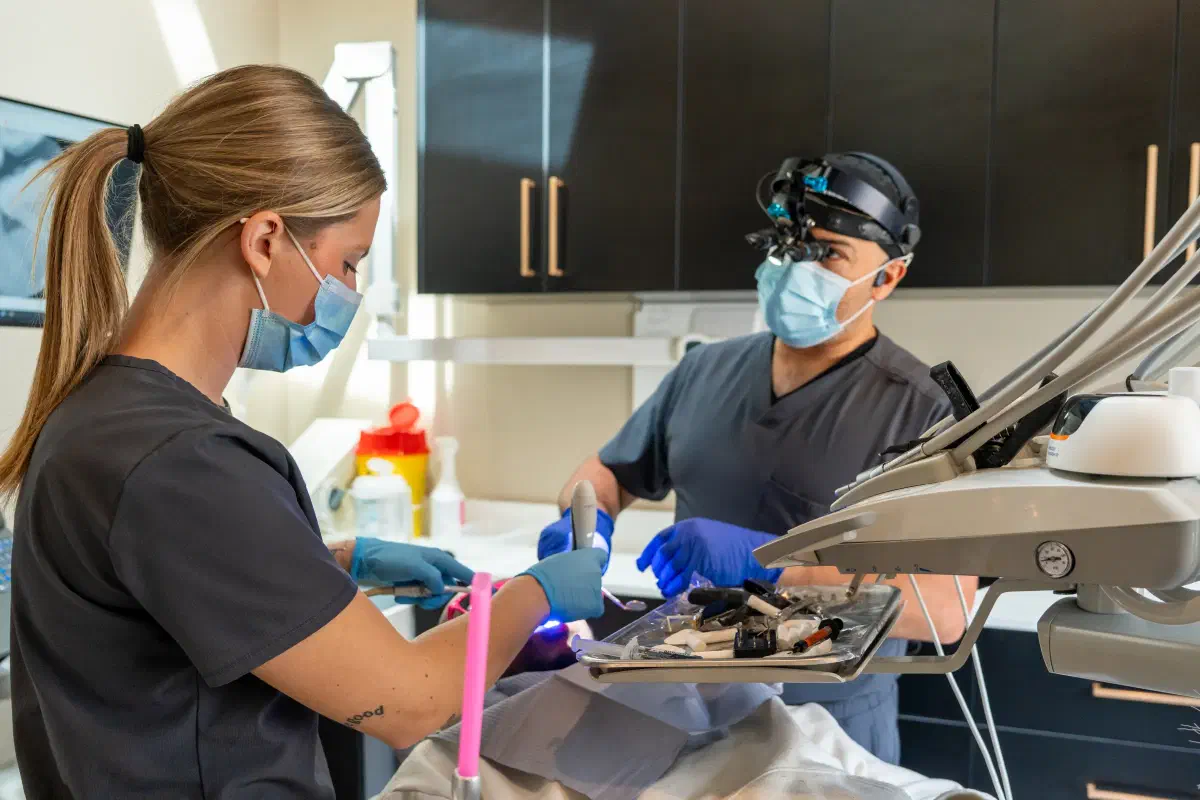
The Cookstown Dental Centre team caring for a patient in a treatment room

Specialized Care · Cookstown

Treat periodontal pockets according to the tissue condition around each tooth.

Periodontal pocket care uses measurements, inflammation, and support findings to guide treatment. Explore nonsurgical care, reassessment, and selected surgical options.

Request an appointment

Let’s find a time that works.

Need urgent dental help? Call (705) 291-2222.

Periodontal Pocket Treatment in Cookstown

A pocket measurement is the start of a clinical explanation, not the whole treatment plan.

A periodontal pocket is an abnormally deep space between the gum and tooth in the context of periodontal disease. Pocket readings need to be interpreted with gum position, attachment, inflammation, deposits, and bone support. An enlarged inflamed gum can also affect the measured space, so a number alone does not describe the same condition in every patient.

At Cookstown Dental Centre, pocket treatment is planned around the diagnosis and the individual sites. Nonsurgical care and improved daily cleaning are often part of initial management, followed by reassessment. Some persistent areas may need additional treatment or periodontal referral. The goal is a healthier, maintainable situation with realistic expectations, not a promise that every pocket will reach an identical measurement or that lost support will automatically grow back.

A hygienist explaining periodontal pocket findings using a tooth-support model

What we consider

Read the pocket measurement with the surrounding findings.

Depth, tissue position, and inflammation describe different aspects of the site.

Pocket depth and gumline position

The clinician considers the measured space alongside recession and attachment relationships. A deep reading can have different implications depending on tissue swelling and support. The explanation should make clear why the site needs treatment rather than present one numerical threshold as the entire diagnosis.

Bleeding, deposits, and local access

Inflammation and deposits help guide the immediate care, while tooth position and restoration contours can affect access. A persistent food trap or difficult root area may need special attention. The plan should identify these practical contributors rather than assume the same home tool reaches every pocket-related site.

Bone support and root anatomy

Appropriate imaging and examination assess support, root form, and areas between roots where relevant. These features can affect prognosis and the ability to maintain the tooth. They also influence whether a site may benefit from specialist evaluation or selected surgical treatment after initial care.

Step by step

Begin with the indicated nonsurgical and preventive work.

Initial treatment creates a basis for assessing what remains.

  1. Explain the sites and the purpose of care

    The dentist identifies the areas requiring treatment and discusses comfort measures, appointments, and home-care changes. The scope follows the diagnosis rather than a generic whole-mouth package. Ask which findings will be reviewed afterward and what would lead to additional treatment.

  2. Remove deposits and manage root surfaces as indicated

    Professional care targets the affected sites using appropriate methods. Access and anaesthesia are planned according to the needs. A treatment description should not imply that every root needs the same amount of instrumentation or that a laser automatically replaces the relevant mechanical care.

  3. Support daily cleaning around the treated areas

    The team demonstrates methods suited to the spaces and your ability. Explain where access remains difficult or painful. Professional treatment and home plaque control work together, and a practical routine should be established before the response is judged at review.

Good to know

Use reassessment to distinguish improvement from unresolved disease.

The first treatment course does not answer every long-term question.

Measure the response in context

The clinician compares inflammation, pocket findings, symptoms, and other relevant measures with the baseline. Some tissue changes may reflect reduced swelling rather than regeneration of all lost support. The review should explain what has improved and what remains important for the tooth’s prognosis.

Investigate persistent sites

Residual deep or inflamed areas may involve difficult anatomy, remaining deposits, access problems, or other factors. The provider considers why the response is incomplete. Simply repeating identical treatment without reviewing the site may miss a need for a different approach or specialist assessment.

Understanding the options

Consider additional care according to the remaining defect.

Surgery is a selected option, not an automatic response to every pocket.

Further nonsurgical or localized management

Some sites may benefit from targeted additional care and revised cleaning access. The indication should be clear and the response monitored. Adjunctive products or techniques have specific roles and limitations; they should not be presented as a universal way to seal or permanently eliminate every pocket.

Periodontal surgery or regenerative assessment

Selected defects may warrant surgical access, pocket-related procedures, or consideration of regeneration by an appropriate provider. Suitability depends on anatomy, support, health, and maintenance capacity. The expected benefit and risks should be discussed without promising that every site can regain its original bone and attachment.

Practical guidance

Maintain the treated area and report new signs.

Pocket care continues after active treatment has finished.

Follow the individualized maintenance schedule

Review timing reflects the disease history, current findings, risk, and home-care needs. Maintenance checks the tissues and provides care according to the condition. A site that has improved should not be left unmonitored simply because pain was never a major symptom.

Report drainage, swelling, mobility, or changing comfort

These can indicate a new or recurring problem requiring assessment before the next routine visit. Do not try to probe or flush a deep area aggressively with improvised tools. The clinician determines whether the concern is periodontal or involves another tooth or restoration issue.

Frequently asked questions

Questions about periodontal pocket treatment

Does a deep pocket always mean surgery is needed?

No. The diagnosis, inflammation, support, anatomy, and response to initial care guide the decision. Nonsurgical treatment and home-care changes may be appropriate first. Persistent sites can then be assessed for additional care or referral.

Is the pocket number enough to describe the disease?

No. Gum position, attachment, bleeding, deposits, images, and history add essential context. A reading is interpreted as part of the site’s condition. The clinician should explain what the number means for your tooth rather than give an isolated threshold.

Can pockets improve after treatment?

They may improve as inflammation is managed and the tissues respond, but the result varies. Reassessment is needed to determine what changed and whether further care is appropriate. Improvement does not automatically mean all previously lost supporting tissue has regenerated.

Will scaling and root planing treat every pocket permanently?

No treatment should be presented as a permanent cure for every site. Nonsurgical care is important when indicated, but anatomy, risk factors, and daily access affect the response. Some areas need additional treatment, and ongoing maintenance remains important.

Can I clean deep pockets myself with a sharp tool?

Do not probe or instrument the area at home. Ask for suitable brushing and interdental methods that can be used safely. Professional treatment addresses deposits and findings beyond ordinary home access; improvised tools can injure tissues without treating the disease properly.

Why might one tooth need more treatment than the others?

Root anatomy, support, inflammation, restoration contours, and response to care vary by site. A localized additional recommendation can be appropriate. The dentist should explain the specific finding rather than assume every tooth in the same mouth needs identical treatment.

What happens after pocket treatment is complete?

A maintenance and review plan monitors stability, cleaning access, and any recurrent inflammatory findings. The interval is individualized. Report new swelling, drainage, movement, or discomfort between visits rather than wait for the next scheduled appointment.

Real patient results

Before & after smile gallery.

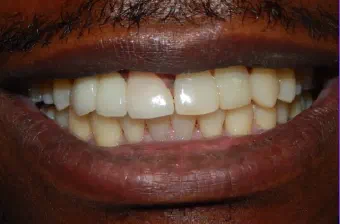
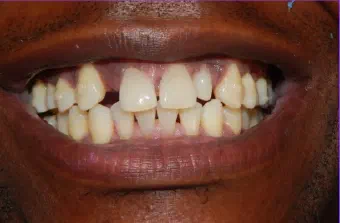
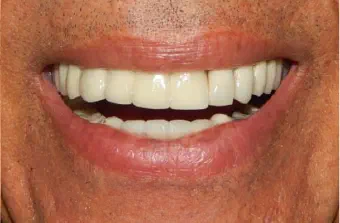
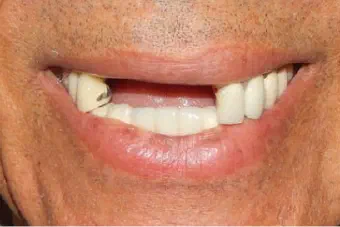
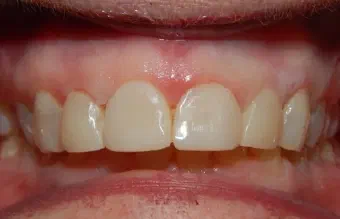
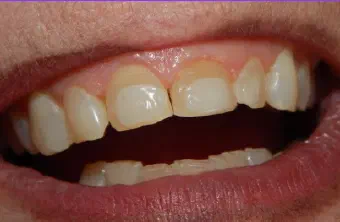
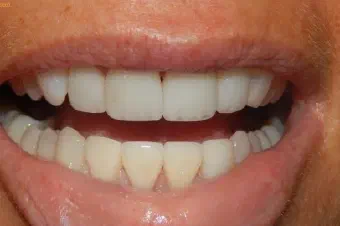
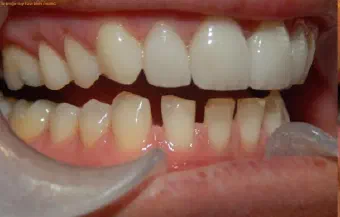
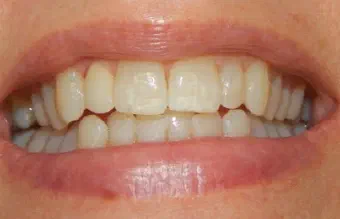
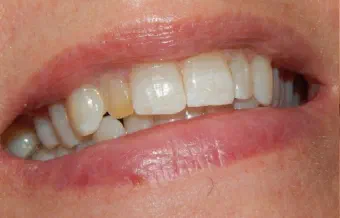
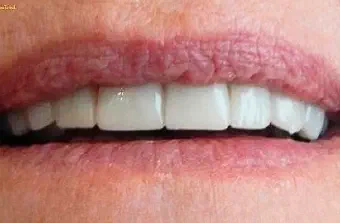
Drag the centre line to compare each real case treated by our dental team. Every smile begins with a personal assessment and a plan shaped around the patient.

Areas We Serve

Neighbourhood dental care, close to home.

Located in Cookstown, Innisfil, our dental team welcomes patients from communities across South Simcoe, Barrie, and northern York Region.

Get directions
  • Cookstown
  • Innisfil
  • Simcoe
  • Lake Simcoe
  • Alcona
  • Stroud
  • Lefroy–Belle Ewart
  • Gilford
  • Churchill
  • Sandy Cove
  • Innisfil Heights
  • Fennell’s Corners
  • Bradford
  • Bradford West Gwillimbury
  • Bond Head
  • Newton Robinson
  • New Tecumseth
  • Alliston
  • Beeton
  • Tottenham
  • Adjala–Tosorontio
  • Everett
  • Loretto
  • Barrie
  • Essa
  • Thornton
  • Baxter
  • Angus
  • Egbert
  • Ivy
  • Utopia
  • York Region
  • East Gwillimbury
  • Queensville
  • Holland Landing
  • Sharon
  • Schomberg
  • Nobleton

Don’t see your community listed? Contact us—we regularly welcome patients from throughout the surrounding region.

Google reviews

Kind words from our patients.

Read what patients have shared about their visits to Cookstown Dental Centre.

A dentist having a friendly consultation with a patient in a bright dental clinic

Your next step

Ready to feel good about your next dental visit?

Whether you are new to the clinic or returning for care, our team is here to make booking simple and answer your questions.

Call Book Now WhatsApp

How can we help?

The Cookstown Dental team is here for you.

Need an appointment, have a question, or want to talk through your options? Choose the next step that works best for you.

Send us a note

We’ll get back to you as soon as we can.