Cookstown Dental Centre
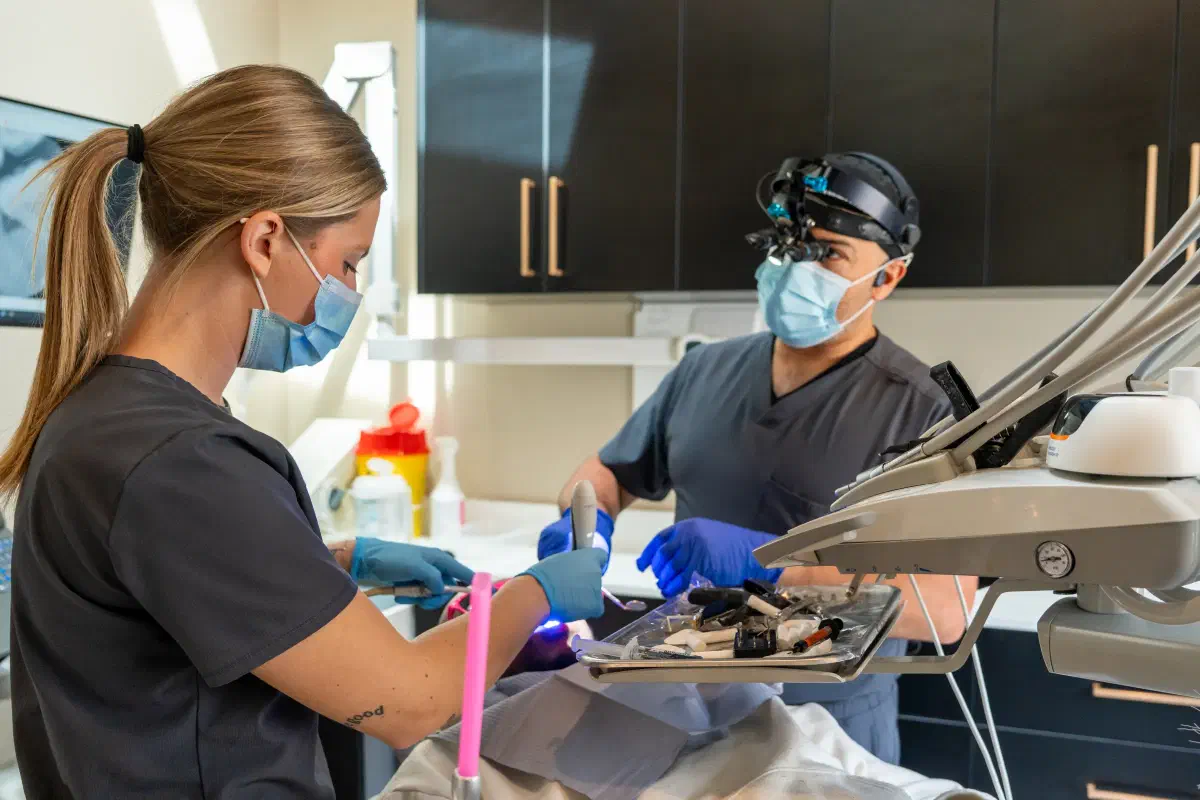
The Cookstown Dental Centre team caring for a patient in a treatment room

General & Family Dentistry · Cookstown

One clear plan, completed in sensible stages.

Explore how dental treatment may be sequenced around clinical priorities, healing, budget, appointment tolerance, and regular review.

Request an appointment

Let’s find a time that works.

Need urgent dental help? Call (705) 291-2222.

Phased Dental Treatment in Cookstown

A larger treatment plan can begin with a manageable first step.

When several dental concerns need attention, deciding where to start can feel harder than understanding any one procedure. Phased treatment organizes appropriate care into a sequence. The order should account for urgency, how one treatment affects another, and what you can realistically manage in time, finances, and recovery.

At Cookstown Dental Centre, we can discuss whether staging is suitable for your findings and goals. It is a planned approach with review points, not a promise that every problem can safely wait. The aim is to explain what needs attention first, what can follow later, and how the overall plan will be kept current between appointments.

A patient and dentist arranging appointment cards during treatment planning

Careful decisions

The sequence starts with clinical priorities.

Convenience and budget matter, but they need to be considered alongside the condition of your mouth. Some issues become more difficult if they are left untreated.

Identify what cannot be left open-ended

Pain, infection, a damaged tooth, or another active concern may need prompt assessment and care. The dentist should explain the risks of waiting and whether a temporary measure is appropriate. A staged plan should not turn an urgent issue into an indefinite item on a future wish list.

Understand how treatments depend on each other

One procedure may need to happen before another can be planned reliably. Gum health, healing, or the outlook for a tooth can influence later restorative choices. Ask why the proposed order matters so you can distinguish a necessary sequence from a scheduling preference.

Your care, step by step

A possible path from stabilization to maintenance.

Your actual stages may differ. The important feature is that each stage has a purpose and a decision point before the next one begins.

  1. Address immediate concerns

    The first stage may focus on pain, infection, or protecting a vulnerable tooth while the wider picture is assessed. Ask what has been resolved and what remains temporary. Feeling better is useful, but it does not always mean the underlying treatment plan is complete.

  2. Create a stable foundation

    Care may then address disease control, cleaning access, or other conditions that affect future treatment. The dentist can explain what response or healing needs to be reviewed. This stage can also clarify which teeth or options are suitable for longer-term work.

  3. Complete agreed restorative or elective care

    Once the necessary information and conditions are in place, later stages can address function, replacement of teeth, or selected cosmetic goals. Review the options and estimate again before proceeding. A plan made months earlier may need adjustment if your mouth, health, or preferences have changed.

Understanding the details

Give every stage a clear boundary.

Written priorities and estimates make a staged plan easier to follow. You should know what completion means and what remains to be done.

Scope and expected benefit

Ask which teeth or concerns are included, what the stage aims to achieve, and whether the result is temporary or intended as definitive care. This prevents a short-term repair from being mistaken for the end of treatment and helps you understand the reason for later visits.

Timing and review

Discuss when the next stage should occur and what makes that timing important. Some intervals relate to healing; others relate to the risk of deterioration. If you need to change the schedule, contact the team so the plan can be reassessed rather than simply skipping a milestone.

Cost and alternatives

Request estimates for each stage and an explanation of reasonable alternatives. Ask what could change the fees or the sequence. Consider the overall treatment and maintenance cost, not only the first payment, especially when a temporary option will need replacement later.

Two parts of the picture

A staged plan needs care between stages.

What happens between appointments can affect whether the next step remains appropriate. The dentist can explain the responsibilities that accompany a phased approach.

Keep the current work supported

Follow cleaning and aftercare instructions for temporary and completed treatment. Ask about eating, appliance use, and symptoms to report. Do not assume that a temporary restoration has the same durability or maintenance needs as the final work simply because it feels comfortable.

Keep the plan open to revision

New symptoms, changes in health, or a shift in budget may alter the best next step. Tell the team promptly. Reviewing the plan is a normal part of staged care and helps avoid proceeding with a later treatment based on information that is no longer accurate.

Frequently asked questions

Your questions about phased dental treatment.

Can all dental treatment be spread over several months?

No. The appropriate timing depends on the findings and the risk of delay. Some concerns need prompt care, while others can be staged with monitoring. Ask the dentist which parts are time-sensitive and what signs should trigger an earlier appointment if the schedule changes.

Is phased treatment the same as a payment plan?

No. Phased treatment is a clinical sequence of care. A payment or financing arrangement is a separate financial agreement. They may be discussed together, but a repayment schedule should not determine whether an active dental problem can safely wait for treatment.

Will staging make treatment cheaper?

Not necessarily. It may make appointments and payments more manageable, but temporary work, repeated assessments, or changes in the mouth can affect overall cost. Ask for the expected total as well as stage-by-stage estimates and discuss how delays could change the plan.

What if I can only complete the first stage?

Tell the dentist before starting. You need to understand what that stage can achieve, what remains unresolved, and the risks of not continuing. A temporary measure should not be chosen without discussing its limits and the follow-up needed if definitive care is delayed.

Can I change my mind about a later option?

Yes, preferences can be reviewed before proceeding, but earlier decisions may affect what options remain. Ask about those dependencies at the planning stage. The dentist can explain how a change would influence the sequence, additional work, and expected outcome.

What should I do if a temporary filling breaks?

Contact the clinic and explain the problem, even if there is little pain. The tooth may need assessment before the scheduled next stage. Follow the specific instructions you were given and avoid treating a temporary repair as something that can be left indefinitely without review.

How do we keep track of a longer plan?

Ask for a clear summary of completed care, outstanding priorities, review dates, and estimates. Keep your own copy and bring questions to follow-up visits. If another clinician becomes involved, appropriate record sharing can help everyone work from the same current plan.

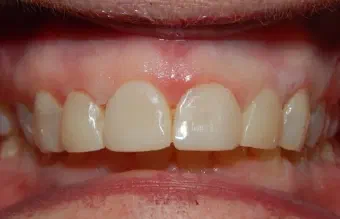
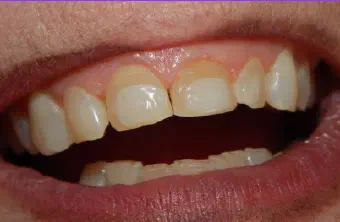
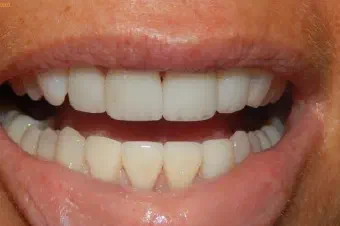
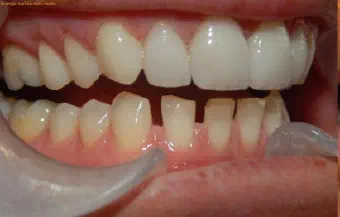
Real patient results

Before & after smile gallery.

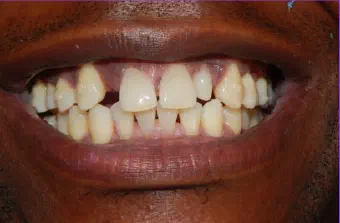
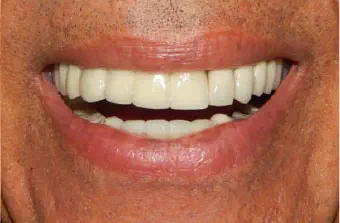
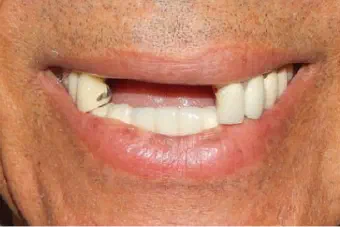
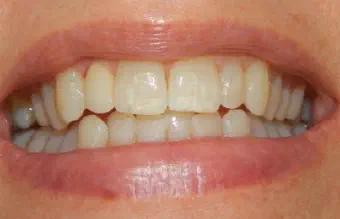
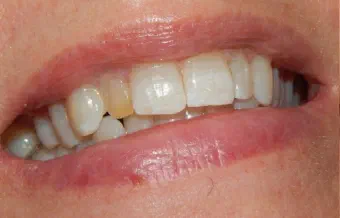
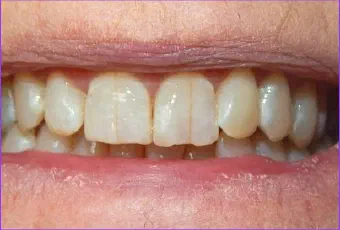
Drag the centre line to compare each real case treated by our dental team. Every smile begins with a personal assessment and a plan shaped around the patient.

Areas We Serve

Neighbourhood dental care, close to home.

Located in Cookstown, Innisfil, our dental team welcomes patients from communities across South Simcoe, Barrie, and northern York Region.

Get directions
  • Cookstown
  • Innisfil
  • Simcoe
  • Lake Simcoe
  • Alcona
  • Stroud
  • Lefroy–Belle Ewart
  • Gilford
  • Churchill
  • Sandy Cove
  • Innisfil Heights
  • Fennell’s Corners
  • Bradford
  • Bradford West Gwillimbury
  • Bond Head
  • Newton Robinson
  • New Tecumseth
  • Alliston
  • Beeton
  • Tottenham
  • Adjala–Tosorontio
  • Everett
  • Loretto
  • Barrie
  • Essa
  • Thornton
  • Baxter
  • Angus
  • Egbert
  • Ivy
  • Utopia
  • York Region
  • East Gwillimbury
  • Queensville
  • Holland Landing
  • Sharon
  • Schomberg
  • Nobleton

Don’t see your community listed? Contact us—we regularly welcome patients from throughout the surrounding region.

Google reviews

Kind words from our patients.

Read what patients have shared about their visits to Cookstown Dental Centre.

A dentist having a friendly consultation with a patient in a bright dental clinic

Your next step

Ready to feel good about your next dental visit?

Whether you are new to the clinic or returning for care, our team is here to make booking simple and answer your questions.

Call Book Now WhatsApp

How can we help?

The Cookstown Dental team is here for you.

Need an appointment, have a question, or want to talk through your options? Choose the next step that works best for you.

Send us a note

We’ll get back to you as soon as we can.