Cookstown Dental Centre
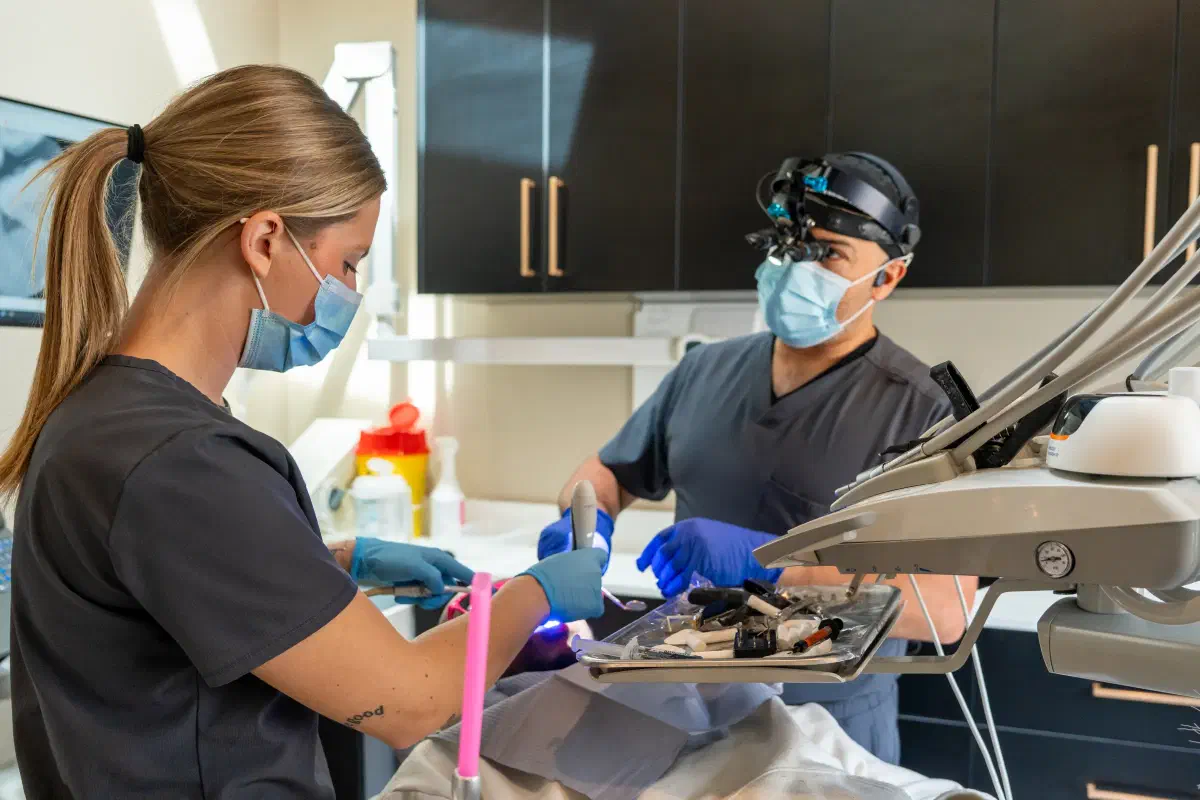
The Cookstown Dental Centre team caring for a patient in a treatment room

Specialized Care · Cookstown

A clearer plan for the days after an extraction.

Know what to watch after a tooth extraction in Cookstown: protecting the healing site, managing daily routines, and recognizing changes that need a review.

Request an appointment

Let’s find a time that works.

Need urgent dental help? Call (705) 291-2222.

Post-Extraction Care in Cookstown

Healing instructions should fit the procedure you actually had.

A straightforward extraction, a surgical removal, and an extraction with a graft do not always have identical aftercare instructions. Your medical history and prescribed medicines can also change the plan. The written directions from the clinician who treated you take priority because they reflect the procedure, the wound, and any materials placed at the site.

Good aftercare is about protecting early healing while staying alert to changes that need help. Some discomfort, swelling, or blood-stained saliva can occur, but the pattern over time matters. Pain that becomes substantially worse, bleeding that does not settle with the recommended measures, or swelling accompanied by difficulty swallowing should not be dismissed as routine. If instructions are unclear, contact the treating office so you can act on specific advice rather than experimenting with the socket at home.

Dentist explaining written extraction aftercare to a seated patient in a calm clinic

Step by step

Before you leave the appointment

A few practical details make the first part of recovery easier to manage.

  1. Confirm the written plan

    Ask how to use any gauze, when and how to clean around the area, and what to do if bleeding restarts. Check whether stitches need removal and whether a follow-up visit is already planned. If sedation was used, the escort and activity restrictions are part of the aftercare plan as well.

  2. Review medicines and contact details

    Make sure you understand prescribed medicines and which pain-relief options are appropriate with your health history. Do not add leftover antibiotics or stop blood thinners on your own. Keep the office’s contact instructions accessible, including where to seek help if a significant concern develops when the practice is closed.

Practical guidance

Protecting the site during early healing

The aim is to avoid repeatedly disturbing the wound while maintaining reasonable comfort and cleanliness.

Food, fluids, and the numb area

Follow the instructions about eating and drinking, choosing foods that do not scrape or lodge in the site. While anaesthetic remains active, take care not to bite your lip or cheek or burn numb tissues. A gradual return to your normal diet depends on comfort and the type of extraction performed.

Cleaning and activity

Clean the rest of your mouth while following the specific directions for the extraction area. Vigorous rinsing, poking into the socket, smoking, and activities that disrupt early healing can create problems. Ask when to resume your usual exercise and oral-care routine, especially if your procedure included a graft or a more extensive surgical wound.

Understanding the options

Look at the direction of change

The same symptom can mean different things depending on its severity and when it appears.

Symptoms that are settling

Tenderness and swelling can occur after an extraction, and recovery is not necessarily identical each day. The important question is whether your course matches the instructions for your procedure and is generally becoming more manageable. Keep track of your ability to drink, take recommended medicines, and rest rather than judging healing by appearance alone.

Symptoms that need another look

New or increasing pain after an initial improvement, a persistent unpleasant taste, worsening swelling, or continued bleeding deserves a call. Dry socket and infection are different problems and need different management. A photograph may help explain a concern, but it cannot reliably replace an examination when the cause is uncertain.

Good to know

Situations that change the advice

Your clinician may give additional directions when healing needs closer supervision.

Medicines and medical conditions

Blood-thinning medicines, diabetes, immune-related conditions, and certain bone medications can influence planning and follow-up. The relevant information should be shared before treatment, but contact the office if something was missed. Never try to compensate for bleeding or swelling by independently changing a prescribed medical treatment or doubling a medicine dose.

Stitches, grafts, and nearby structures

A socket with graft material, a larger surgical flap, or a site near the sinus may have extra precautions. A stitch that feels different or a small particle noticed in the mouth does not automatically establish a complication. Explain the change to the treating clinician and avoid pulling at sutures or testing the wound yourself.

Planning together

When to call and when to seek urgent care

Use the severity of the problem to choose the next step.

Contact the treating dental team

Call for pain that is not following the expected course, a concern about stitches, ongoing bleeding despite the advised pressure, or numbness that lasts beyond the timeframe discussed. Describe the extraction date, medicines taken, and the trend in symptoms. This helps the team decide how promptly the site should be examined.

Seek urgent medical assessment for serious symptoms

Difficulty breathing or swallowing, rapidly spreading swelling, uncontrolled heavy bleeding, or feeling severely unwell requires urgent assessment. Do not wait for a scheduled review or an online reply. Once immediate safety has been addressed, the treating dentist can coordinate any further dental care needed for the extraction site.

Frequently asked questions

Questions about post-extraction care

Is a white or pale area in the socket always infection?

No. Healing tissue and materials placed during treatment can look pale. Appearance alone cannot confirm infection or dry socket. Contact the treating office if the appearance comes with worsening pain, swelling, discharge, or other unexpected symptoms.

What should I do if bleeding starts again?

Follow the pressure and gauze instructions provided for your procedure and contact the office if bleeding does not settle. Heavy or uncontrolled bleeding needs urgent assessment. Do not stop prescribed blood-thinning medication without medical guidance.

Can I brush my teeth after an extraction?

The rest of your mouth still needs cleaning, but the extraction site may need temporary modifications. Follow the clinician’s directions about brushing near the wound and when to begin any recommended rinsing rather than scrubbing or probing the socket.

Should I take antibiotics just in case?

Not unless they are prescribed for your situation. Many extractions do not require antibiotics. Leftover medication may be inappropriate and does not prevent every complication; a new concern is better assessed by the treating clinician.

How can I tell whether I have dry socket?

Increasing pain after an extraction can have several causes. Dry socket is diagnosed clinically and is managed differently from an infection. Arrange a review rather than placing household remedies, powders, or medicated packing into the socket yourself.

When can I return to work or exercise?

That depends on the procedure, your symptoms, the physical demands of the activity, and whether sedation was used. Follow the individual restrictions you received and ask for clarification if your work involves lifting, driving, or operating equipment.

Will I need a follow-up appointment?

Some sites need a planned review, stitch removal, or further restorative discussion; others are reviewed if concerns arise. Confirm the plan before leaving, especially after surgical treatment, grafting, or an extraction linked to a future replacement tooth.

Real patient results

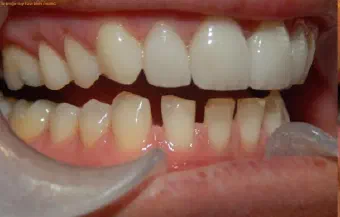
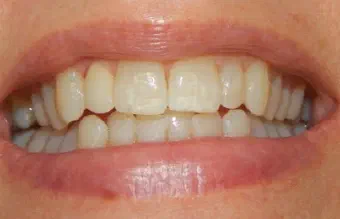
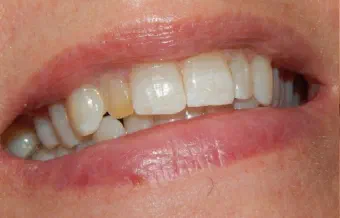
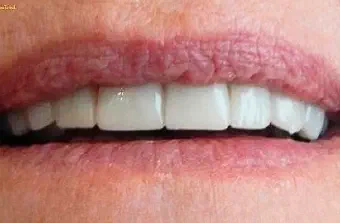
Before & after smile gallery.

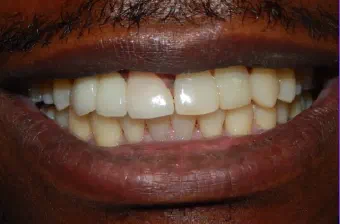
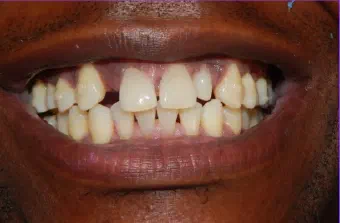
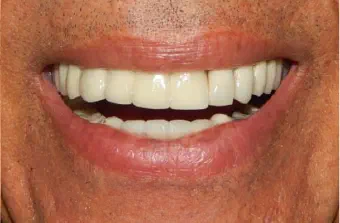
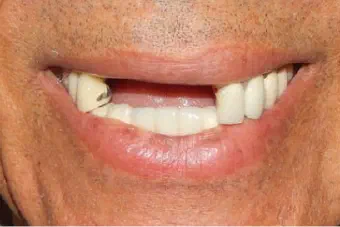
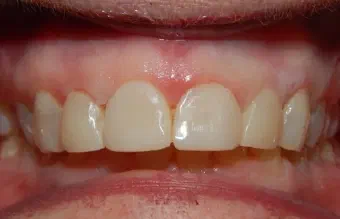
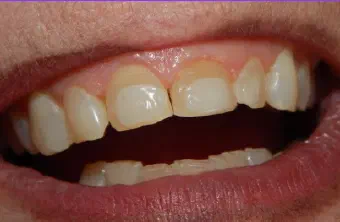
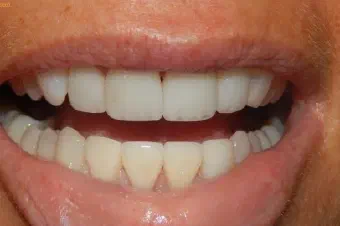
Drag the centre line to compare each real case treated by our dental team. Every smile begins with a personal assessment and a plan shaped around the patient.

Areas We Serve

Neighbourhood dental care, close to home.

Located in Cookstown, Innisfil, our dental team welcomes patients from communities across South Simcoe, Barrie, and northern York Region.

Get directions
  • Cookstown
  • Innisfil
  • Simcoe
  • Lake Simcoe
  • Alcona
  • Stroud
  • Lefroy–Belle Ewart
  • Gilford
  • Churchill
  • Sandy Cove
  • Innisfil Heights
  • Fennell’s Corners
  • Bradford
  • Bradford West Gwillimbury
  • Bond Head
  • Newton Robinson
  • New Tecumseth
  • Alliston
  • Beeton
  • Tottenham
  • Adjala–Tosorontio
  • Everett
  • Loretto
  • Barrie
  • Essa
  • Thornton
  • Baxter
  • Angus
  • Egbert
  • Ivy
  • Utopia
  • York Region
  • East Gwillimbury
  • Queensville
  • Holland Landing
  • Sharon
  • Schomberg
  • Nobleton

Don’t see your community listed? Contact us—we regularly welcome patients from throughout the surrounding region.

Google reviews

Kind words from our patients.

Read what patients have shared about their visits to Cookstown Dental Centre.

A dentist having a friendly consultation with a patient in a bright dental clinic

Your next step

Ready to feel good about your next dental visit?

Whether you are new to the clinic or returning for care, our team is here to make booking simple and answer your questions.

Call Book Now WhatsApp

How can we help?

The Cookstown Dental team is here for you.

Need an appointment, have a question, or want to talk through your options? Choose the next step that works best for you.

Send us a note

We’ll get back to you as soon as we can.