
Cookstown Dental Centre
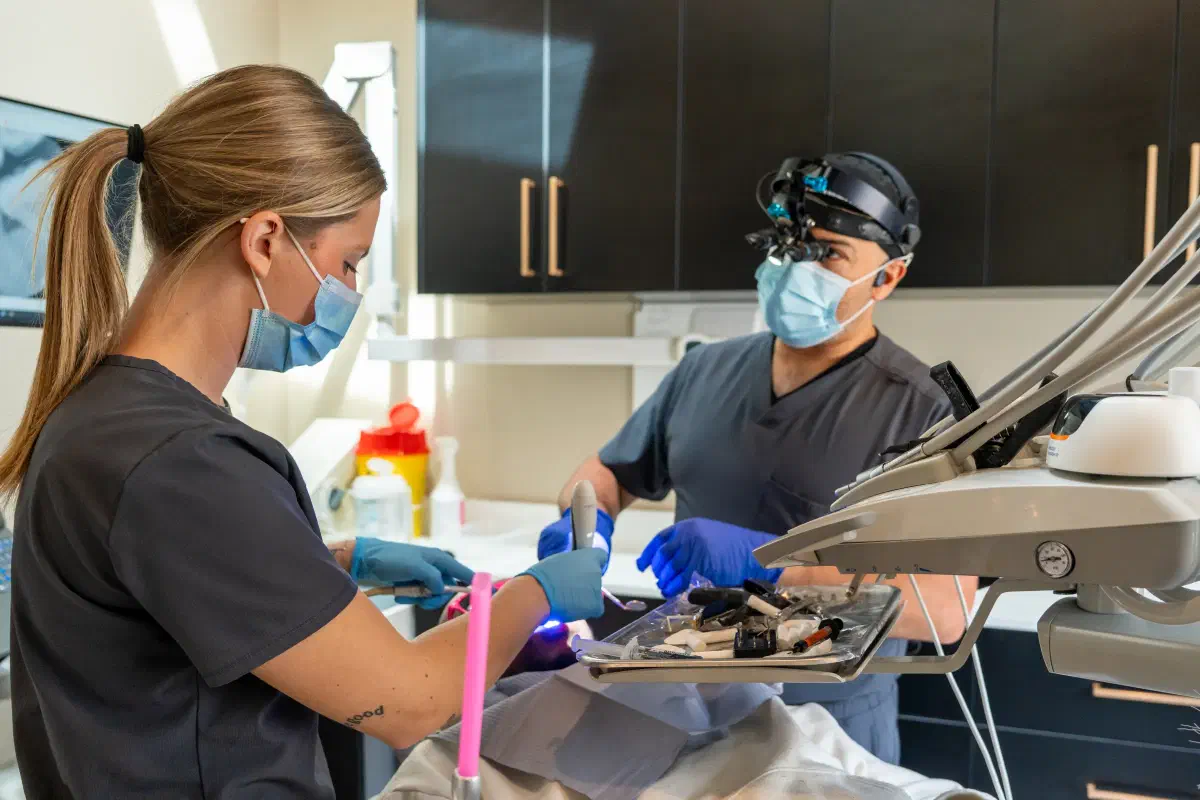
The Cookstown Dental Centre team caring for a patient in a treatment room

General & Family Dentistry · Cookstown

A practical routine for a changing season of life.

Adapt daily brushing, cleaning, food habits, and preventive dental visits to the comfort and oral-health needs of pregnancy.

Request an appointment

Let’s find a time that works.

Need urgent dental help? Call (705) 291-2222.

Preventive Care During Pregnancy in Cookstown

Keep prevention manageable when your routine changes.

Pregnancy can change the timing, comfort, and consistency of everyday mouth care. Nausea may make brushing difficult, fatigue can disrupt habits, and frequent snacks or vomiting may add new challenges. Preventive care focuses on adapting the routine before these difficulties become reasons to stop looking after your mouth.

At Cookstown Dental Centre, we can help you discuss workable brushing and cleaning techniques, gum symptoms, and appropriate professional prevention. This page focuses on daily protection and maintenance. If you have toothache, swelling, a broken tooth, or another active problem, tell the team so the visit includes the assessment or treatment you need.

A pregnant patient discussing brushing tools with a hygienist

Practical guidance

Work with the changes you are experiencing.

The most helpful advice begins with what you can tolerate. Describe the specific obstacle rather than feeling that you have to manage a standard routine without adjustment.

When nausea interferes with brushing

Tell the team which part of brushing triggers nausea and when you feel most comfortable. A different brush size, gentler approach, or change in timing may be worth discussing. Keep fluoride protection in the conversation. If you cannot maintain food or fluid intake, contact your prenatal clinician as well as asking for dental advice.
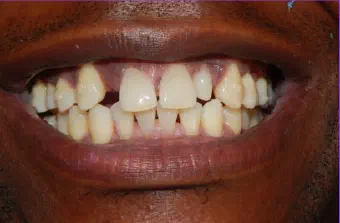
After vomiting

Rinse with water after vomiting and avoid brushing immediately against acid-exposed teeth. Ask the dental team how to adapt your routine if episodes are frequent. Repeated vomiting needs medical support; changing toothpaste does not address the whole problem. Tell both teams if sensitivity or difficulty eating develops.

When gums feel more reactive

Pregnancy-related hormonal changes can affect gum response to plaque. Bleeding or swelling should be assessed and addressed with an appropriate cleaning approach. Avoid the assumption that bleeding means you should stop all cleaning, and do not use extra force to compensate for missed brushing.

A closer look

Make the daily routine simple and purposeful.

The basics still matter, but they may need to be fitted around different energy levels, meals, and comfort. Aim for consistency without turning prevention into another source of pressure.

  1. Protect tooth surfaces

    Use an appropriate fluoride toothpaste and a gentle brushing technique. Ask about product suitability if taste or foaming is difficult to tolerate. Follow the instructions given for your needs rather than adding several fluoride or whitening products at once. A clear routine makes it easier to know what is helping.

  2. Clean the spaces that brushing misses

    Choose a comfortable way to clean between teeth, with a demonstration if needed. The right tool depends on the spaces and your technique. If bleeding or tenderness makes this difficult, ask for an assessment and guidance. A rinse should not simply replace the task without discussing the reason.

  3. Look at the pattern of eating and drinking

    Frequent sipping or snacking can matter to teeth, but pregnancy nutrition needs come first in a coordinated plan. Discuss practical choices with your dental and prenatal teams. The aim is to reduce unnecessary repeated sugar exposure where feasible, not to impose a restrictive diet when nausea or medical needs limit options.

Plan with confidence

Use preventive appointments to update the plan.

A hygiene visit can be a useful time to discuss what is changing and which areas need support. Tell the clinic you are pregnant when arranging care.

Share comfort and health details

Mention the stage of pregnancy, relevant medicines, prenatal advice, and difficulties with positioning or nausea. Ask about appointment length and breaks. If your medical circumstances change, update the team before the visit so the plan reflects current information rather than an earlier form.

Ask for targeted feedback

Find out which areas need more effective cleaning and whether additional preventive measures are appropriate. Ask why a product or treatment is recommended and how to use it. A short demonstration for one difficult area can be more useful than broad advice to improve everything at once.

Plan beyond the next few weeks

Discuss when to review gum health or other monitored findings and how follow-up can fit around delivery and recovery. A future appointment can be adjusted if circumstances change. Keeping a simple written routine may also help when sleep and daily schedules become less predictable after birth.

Two parts of the picture

Support oral health without promising pregnancy outcomes.

Prevention has clear oral-care goals. It should not be presented as a guarantee about the course of a pregnancy.

What dental prevention aims to do

The focus is to maintain cleaner teeth, address gum inflammation, reduce dental risk, and make daily care comfortable. These goals are useful in their own right. Ask how progress will be assessed in your mouth and which findings need treatment rather than preventive advice alone.

What still belongs with prenatal care

Dental visits do not replace pregnancy monitoring, nutrition advice, or management of persistent vomiting and other medical symptoms. Share relevant concerns with your prenatal clinician. The teams can coordinate when needed while keeping each part of care directed by the appropriate professional.

Frequently asked questions

Your questions about preventive care during pregnancy.

How is this different from dental care during pregnancy?

Preventive care emphasizes daily habits, hygiene visits, and reducing future dental problems. The broader pregnancy-care discussion also includes diagnosis and treatment of active concerns. If you have pain or swelling, tell the team so the appointment is planned for more than routine prevention.

Should I brush immediately after vomiting?

Rinse with water first and avoid brushing immediately after acid exposure. Ask your dental team for advice when vomiting is frequent, and involve your prenatal clinician if it affects hydration or nutrition. The plan should address both the mouth and the medical cause of repeated episodes.

Can I keep using fluoride toothpaste?

Fluoride toothpaste remains part of routine preventive advice during pregnancy. Ask about a suitable product and technique if nausea makes your usual toothpaste difficult to tolerate. Additional high-strength products or treatments should be recommended for a specific need rather than added without guidance.

Are bleeding gums inevitable until the baby is born?

Gum changes may be more noticeable during pregnancy, but bleeding should not simply be ignored. Assessment and appropriate cleaning can help address inflammation. Tell the dentist if bleeding is persistent, spontaneous, or accompanied by pain or swelling so the cause can be reviewed.

Can I have a professional cleaning while pregnant?

Preventive dental care can continue during pregnancy. Update the clinic about your health and comfort needs and discuss any advice from your prenatal clinician. The team can plan the scope and positioning, with further coordination if individual medical circumstances require it.

Will better gum care prevent pregnancy complications?

Good oral care is valuable for your mouth, but it should not be promised as a way to prevent a particular pregnancy outcome. Continue your prenatal care and discuss medical concerns with that team. Dental recommendations should have clear, realistic oral-health goals.

What if I miss part of the routine on difficult days?

Restart the manageable steps and tell the team which part is repeatedly difficult. A practical adjustment is more useful than guilt or compensating with aggressive brushing. If symptoms prevent basic care, ask for help so the plan can be adapted to your current needs.

Real patient results

Before & after smile gallery.

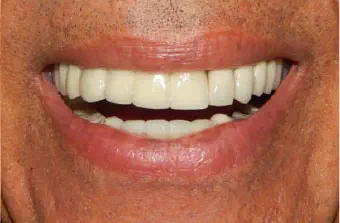
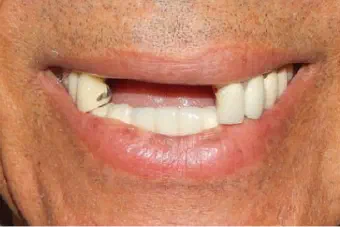
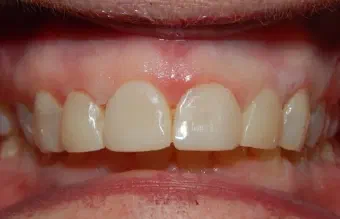
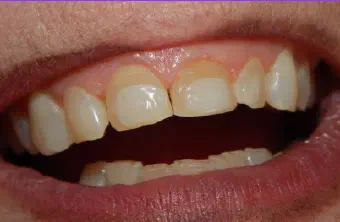
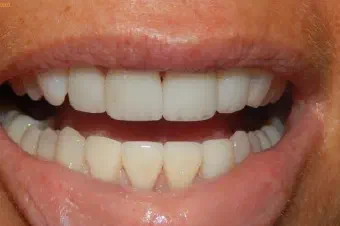
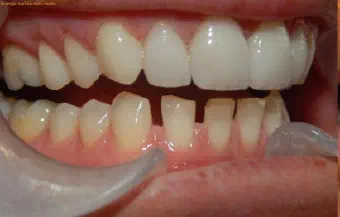
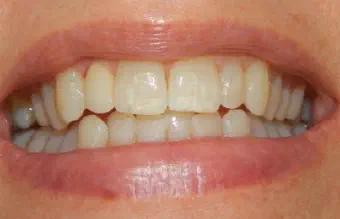
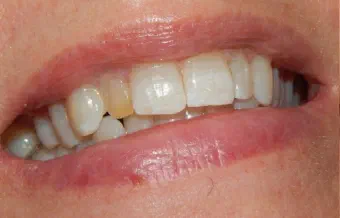
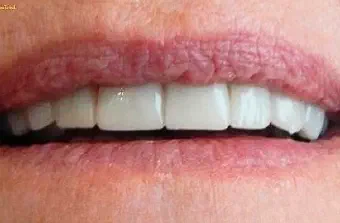
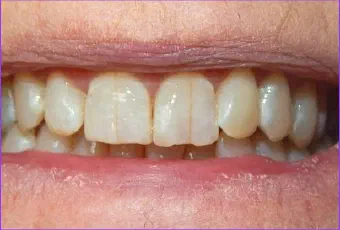
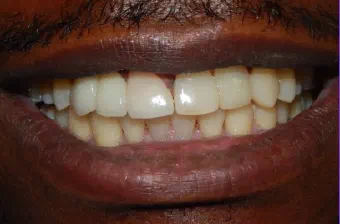
Drag the centre line to compare each real case treated by our dental team. Every smile begins with a personal assessment and a plan shaped around the patient.

Areas We Serve

Neighbourhood dental care, close to home.

Located in Cookstown, Innisfil, our dental team welcomes patients from communities across South Simcoe, Barrie, and northern York Region.

Get directions
  • Cookstown
  • Innisfil
  • Simcoe
  • Lake Simcoe
  • Alcona
  • Stroud
  • Lefroy–Belle Ewart
  • Gilford
  • Churchill
  • Sandy Cove
  • Innisfil Heights
  • Fennell’s Corners
  • Bradford
  • Bradford West Gwillimbury
  • Bond Head
  • Newton Robinson
  • New Tecumseth
  • Alliston
  • Beeton
  • Tottenham
  • Adjala–Tosorontio
  • Everett
  • Loretto
  • Barrie
  • Essa
  • Thornton
  • Baxter
  • Angus
  • Egbert
  • Ivy
  • Utopia
  • York Region
  • East Gwillimbury
  • Queensville
  • Holland Landing
  • Sharon
  • Schomberg
  • Nobleton

Don’t see your community listed? Contact us—we regularly welcome patients from throughout the surrounding region.

Google reviews

Kind words from our patients.

Read what patients have shared about their visits to Cookstown Dental Centre.

A dentist having a friendly consultation with a patient in a bright dental clinic

Your next step

Ready to feel good about your next dental visit?

Whether you are new to the clinic or returning for care, our team is here to make booking simple and answer your questions.

Call Book Now WhatsApp

How can we help?

The Cookstown Dental team is here for you.

Need an appointment, have a question, or want to talk through your options? Choose the next step that works best for you.

Send us a note

We’ll get back to you as soon as we can.