Cookstown Dental Centre
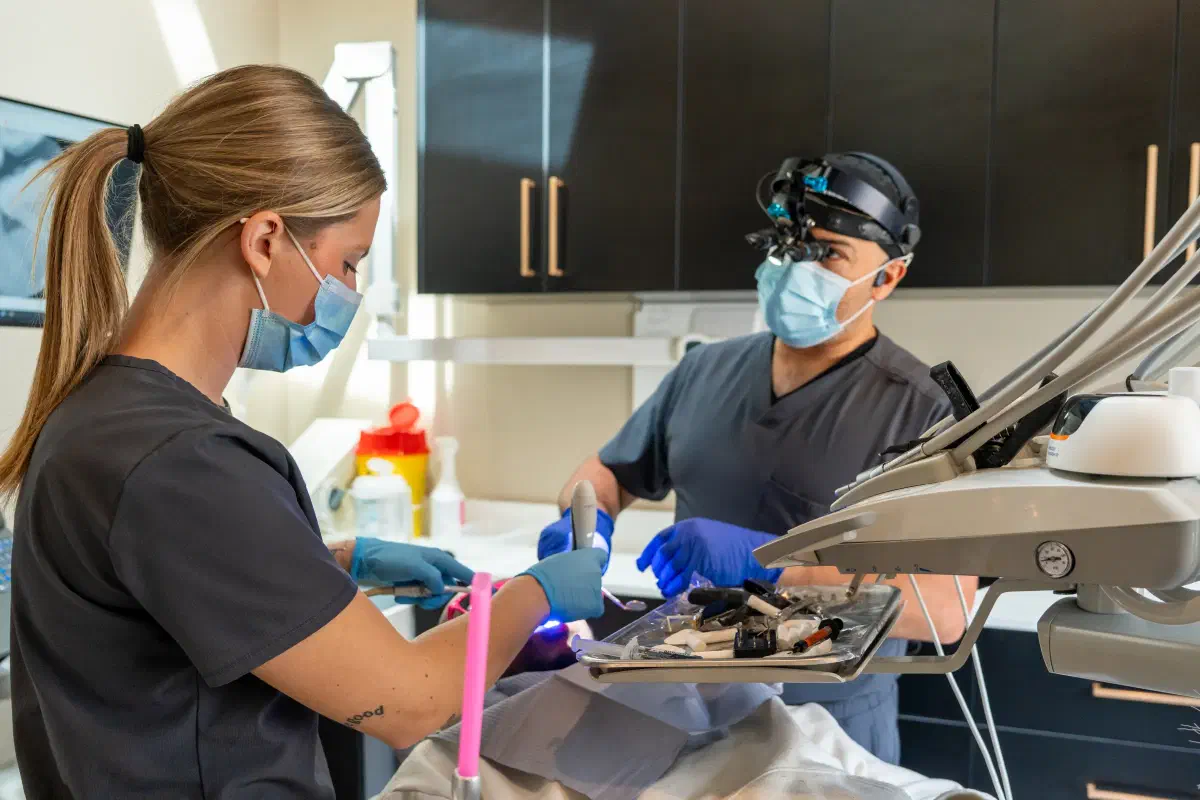
The Cookstown Dental Centre team caring for a patient in a treatment room

Cosmetic Dentistry · Cookstown

Find out whether a discoloured filling needs polishing, repair, or replacement.

A stained filling is not always a failed filling. Assess the colour, margins, tooth health, and repair options before replacing existing dental work.

Request an appointment

Let’s find a time that works.

Need urgent dental help? Call (705) 291-2222.

Replacement of Discoloured Fillings in Cookstown

The colour concern and the condition of the filling are separate questions.

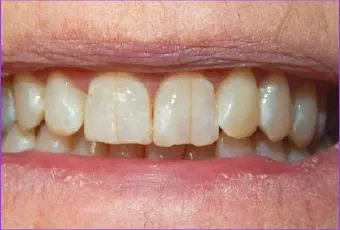
An older filling may stand out because its shade no longer matches, its surface has stained, or the surrounding tooth has changed colour. There may also be a rough edge, leakage, decay, or a crack that needs assessment. Looking darker does not prove that a filling has failed, and looking acceptable does not establish that the tooth underneath is healthy.

At Cookstown Dental Centre, we examine the restoration and tooth before recommending removal. Depending on the findings, the options may include polishing, a localized repair, replacement, or monitoring. Replacing a filling affects existing tooth structure, so the reason and expected benefit should be clear. If whitening or another cosmetic change is planned, we also discuss the sequence so a new restoration is not matched to a shade you intend to change soon afterward.

A dentist discussing the shade of an existing filling with a patient

Good to know

Work out what is causing the mismatch.

The location of the colour and the condition of the surface help guide the assessment.

Surface staining on an otherwise serviceable filling

Pigment or roughness may affect the visible surface without requiring the entire restoration to be removed. The dentist checks whether polishing or another conservative measure is appropriate. A colour improvement may be possible, but it should not be promised before the material, depth of staining, and margins are assessed.

A shade that no longer matches the tooth

Natural teeth and restorative materials can change differently over time. Previous whitening may also make an older filling more noticeable. Discuss the overall shade goal and any future treatment before replacing a visible restoration, because the new material needs to be selected within a coordinated colour plan.

A darker edge or underlying concern

A stained margin needs examination rather than an automatic diagnosis from its appearance. Decay, an imperfect edge, or a crack may require treatment, while some colour differences can be monitored. Tell the dentist about sensitivity, food trapping, or a recent change so the cosmetic concern does not obscure a functional problem.

Understanding the options

Preserve sound material where that is reasonable.

The smallest appropriate intervention depends on the clinical findings, not only the age of the filling.

Polish or repair a limited area

A suitable surface defect or localized problem may sometimes be managed without replacing everything. The clinician explains the likely appearance, durability, and limits of that approach. Repair is not appropriate for every restoration, but it deserves consideration when a larger removal would add little benefit.

Replace the restoration when indicated

Replacement may be appropriate when the material, margins, tooth condition, or desired change makes a limited approach unsuitable. Ask how much existing structure may be affected and whether another restoration type is needed. The new filling still requires maintenance and cannot be guaranteed to remain an exact colour match indefinitely.

Planning together

Coordinate colour before the new material is placed.

A visible filling is part of the surrounding smile, so timing and expectations matter.

Mention planned whitening

Bleaching changes natural tooth colour differently from filling materials. If whitening is appropriate and desired, the dentist can coordinate timing before selecting the replacement shade. Starting with a filling replacement and then changing the surrounding teeth may create a new mismatch that could have been anticipated.

Describe the result you would accept

Some patients want a less noticeable restoration without pursuing an exact cosmetic transformation. Others are concerned about texture, translucency, or several adjacent fillings. Explain your priorities and discuss what can be achieved with the available material and remaining tooth rather than relying on a single shade-guide comparison.

Review function as well as appearance

The replacement needs appropriate contacts, contours, and bite relationships. Tell the dentist about clenching, chipping, or food packing around the current filling. A visually improved restoration should also be comfortable to use and clean, and the plan should address conditions that contributed to the earlier problem.

Step by step

Assess, treat, and check the result.

The appointment sequence depends on whether the issue is superficial or involves the tooth beneath the filling.

  1. Evaluate before removal

    The dentist examines the restoration and may recommend records that clarify decay, cracks, or other concerns. Discuss symptoms and the proposed options. If uncertainty remains about what will be found underneath, the treatment conversation should explain that possibility and how the plan may change during care.

  2. Complete the agreed restoration

    The selected repair or replacement is shaped and finished with attention to surrounding teeth. Comfort measures and the procedure are discussed beforehand. A larger underlying defect may require a revised recommendation, so the dentist should explain significant findings rather than treating the original cosmetic description as the full diagnosis.

  3. Review comfort and maintenance

    Ask what to expect afterward and when to report sensitivity or a bite that feels high. Maintain cleaning around the restoration and attend recommended reviews. If the appearance is different from what you understood, raise the concern so shade, surface finish, and realistic adjustment options can be discussed.

Frequently asked questions

Questions about replacement of discoloured fillings

Does a dark filling always need replacement?

No. The colour may reflect surface stain, the material itself, or another issue. The dentist assesses the margins and tooth condition before recommending removal. Polishing, repair, monitoring, or replacement may be considered depending on the actual findings.

Can whitening lighten an old composite filling?

Bleaching does not lighten composite the way it changes natural teeth. Whitening may make a mismatch more obvious. Discuss the full colour plan before replacing a visible filling so the sequence and shade selection are coordinated.

Is replacing a filling risk-free for the tooth?

No dental procedure is without trade-offs. Removing a restoration can affect existing tooth structure, and the underlying condition may be more extensive than expected. The dentist explains the reason for replacement and reasonable alternatives before proceeding.

Can just the stained part be repaired?

Sometimes a localized repair or surface treatment is appropriate. Suitability depends on the material, defect, margins, and tooth condition. The clinician should explain why repair is reasonable or why a more complete replacement is needed in your case.

Will the new filling be invisible?

A close match may be possible, but no restoration is guaranteed to be indistinguishable in every light or remain unchanged indefinitely. Tooth structure, material, location, and future staining influence the appearance. Discuss the level of improvement you can reasonably expect.

Should I replace every older filling at once?

Age alone is not a reason to replace all restorations. Each filling should be assessed for condition, symptoms, and your goals. A staged approach may be appropriate, with priority given to clinical needs and the changes that matter most to you.

What if the new filling feels high when I bite?

Contact the clinic for assessment rather than trying to wear it down yourself. The bite may need checking, and persistent or worsening sensitivity deserves review. Explain when the discomfort occurs and whether it is linked to biting, temperature, or both.

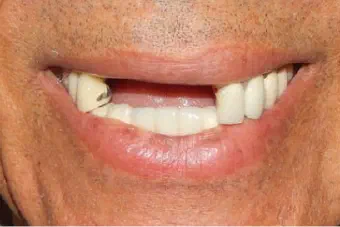
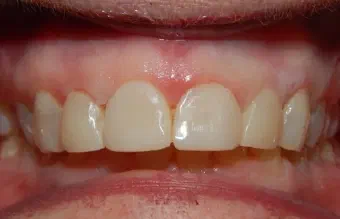
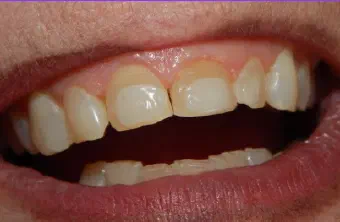
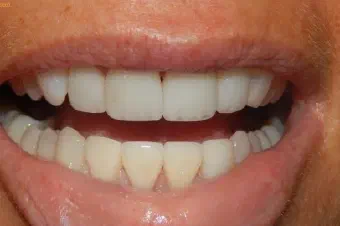
Real patient results

Before & after smile gallery.

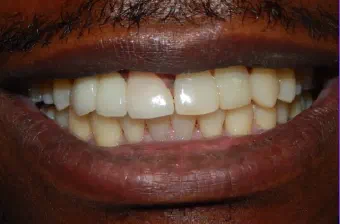
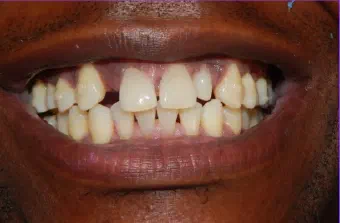
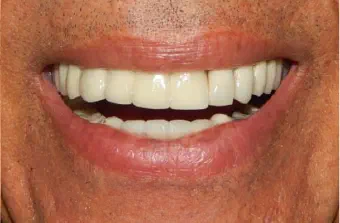
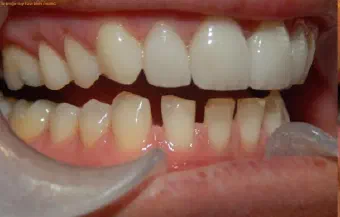
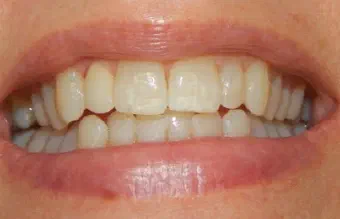
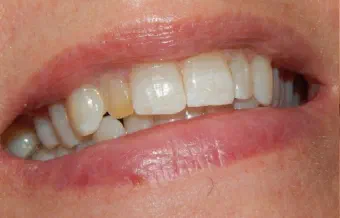
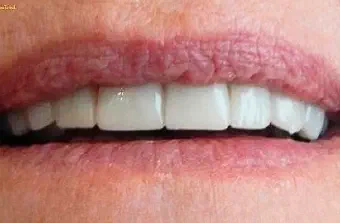
Drag the centre line to compare each real case treated by our dental team. Every smile begins with a personal assessment and a plan shaped around the patient.

Areas We Serve

Neighbourhood dental care, close to home.

Located in Cookstown, Innisfil, our dental team welcomes patients from communities across South Simcoe, Barrie, and northern York Region.

Get directions
  • Cookstown
  • Innisfil
  • Simcoe
  • Lake Simcoe
  • Alcona
  • Stroud
  • Lefroy–Belle Ewart
  • Gilford
  • Churchill
  • Sandy Cove
  • Innisfil Heights
  • Fennell’s Corners
  • Bradford
  • Bradford West Gwillimbury
  • Bond Head
  • Newton Robinson
  • New Tecumseth
  • Alliston
  • Beeton
  • Tottenham
  • Adjala–Tosorontio
  • Everett
  • Loretto
  • Barrie
  • Essa
  • Thornton
  • Baxter
  • Angus
  • Egbert
  • Ivy
  • Utopia
  • York Region
  • East Gwillimbury
  • Queensville
  • Holland Landing
  • Sharon
  • Schomberg
  • Nobleton

Don’t see your community listed? Contact us—we regularly welcome patients from throughout the surrounding region.

Google reviews

Kind words from our patients.

Read what patients have shared about their visits to Cookstown Dental Centre.

A dentist having a friendly consultation with a patient in a bright dental clinic

Your next step

Ready to feel good about your next dental visit?

Whether you are new to the clinic or returning for care, our team is here to make booking simple and answer your questions.

Call Book Now WhatsApp

How can we help?

The Cookstown Dental team is here for you.

Need an appointment, have a question, or want to talk through your options? Choose the next step that works best for you.

Send us a note

We’ll get back to you as soon as we can.