Cookstown Dental Centre
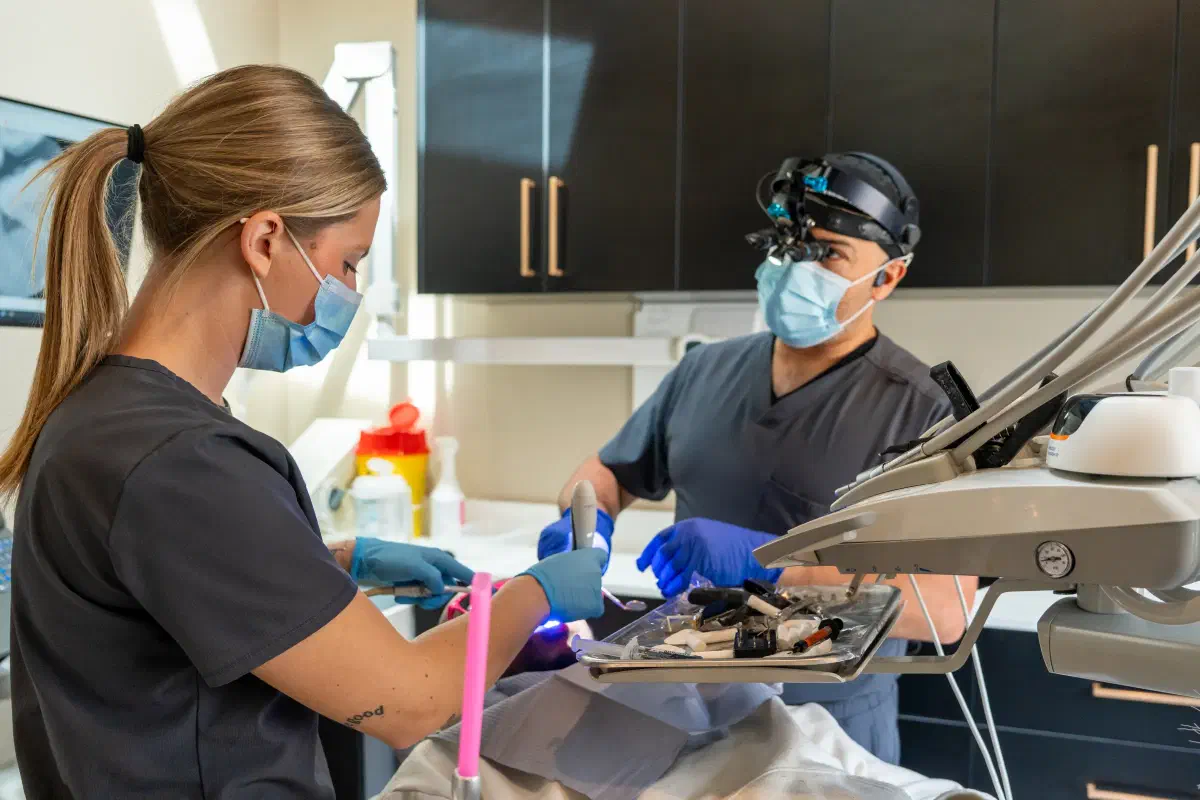
The Cookstown Dental Centre team caring for a patient in a treatment room

Cosmetic Dentistry · Cookstown

Replace a retainer with a fit that reflects your teeth today.

Lost, cracked, or poorly fitting retainer? Learn how replacement is assessed, when new records are needed, and why shifted teeth may need a separate plan.

Request an appointment

Let’s find a time that works.

Need urgent dental help? Call (705) 291-2222.

Replacement Retainers in Cookstown

Replacing the appliance starts with checking the position it will hold.

A retainer can be lost in a move, damaged by a pet, cracked through use, or become difficult to seat after dental work. Replacement may seem like a simple reorder, but the clinician needs to know whether the teeth are still in the intended position and whether the original design remains suitable. An appliance made from outdated records may not reflect the mouth accurately.

At Cookstown Dental Centre, we review the reason for replacement, the current fit or tooth position, and any changes since the retainer was made. If teeth have shifted, maintaining that position and correcting it are different choices. We explain the distinction before records are taken or a new appliance is ordered. Contacting the clinic promptly can help clarify the next step without waiting for a more noticeable change.

A patient showing a clear retainer to a dentist during a replacement assessment

Planning together

What to tell us when arranging a replacement.

A few details help the clinic understand the situation and plan an appropriate assessment.

What happened and when

Say whether the retainer is missing, cracked, warped, loose, or too tight, and when you last wore it comfortably. Mention whether it is removable or bonded. The timing and type of problem help guide advice while waiting, but they do not replace an examination when the fit or position is uncertain.

Whether your teeth or dental work changed

Describe any visible shift, new gap, altered bite, recent filling, crown, or bonding. A retainer can stop fitting because the tooth surface changed rather than because teeth moved. These possibilities affect whether a replacement can be based on the existing design or needs a different plan.

Which records and appliances are available

Bring the damaged appliance, a spare, or older retainers if you have them. Previous scans and treatment records may be useful, but their suitability must be assessed. Do not assume that an old digital file guarantees a safe duplicate after a period without retention or later restorative work.

Understanding the options

Replacement and retreatment are different decisions.

The desired tooth position should be discussed before fabrication, especially after time without an effective retainer.

Holding the current position

If the present alignment is acceptable and a new retainer is appropriate, current records may be used to make an appliance that supports that position. The clinician checks the fit at delivery and explains wear. This approach does not automatically restore the position the teeth occupied when orthodontic treatment first ended.

Correcting a change first

If teeth have shifted and you want that corrected, an active orthodontic assessment may be needed before definitive retention. The scope can be limited or broader depending on the findings. A tight duplicate should not be used as an improvised movement device in place of a planned and supervised correction.

The appointment

From assessment to a usable appliance.

A replacement should come with a clear fit check and instructions, not only a collection date.

  1. Assess the teeth and the old retainer

    The clinician checks current alignment, relevant bite findings, and the appliance if it is available. New dental work and oral health concerns are reviewed. The goal is to identify why replacement is needed and whether the previous design still fits the clinical and practical requirements.

  2. Take appropriate records and confirm the design

    A scan or impression may be needed depending on the appliance and available information. Discuss the proposed design, estimated timing, fees, and any interim instructions. If a different style is being considered, ask how its cleaning and wear responsibilities compare with the retainer you used before.

  3. Check delivery and ongoing care

    The new appliance is assessed for seating and comfort, and the prescribed wear routine is explained. Raise sharp edges or a fit that feels wrong. Keep the care instructions and contact details accessible so future problems are addressed promptly rather than managed by trimming or heating the appliance at home.

Practical guidance

Reduce avoidable damage and gaps in retention.

Practical habits can help, although no appliance has an unlimited lifespan.

Use a case consistently

Keep a protective case where you normally remove the retainer and store it away from pets and heat. Wrapping it in a tissue or leaving it on a meal tray makes accidental disposal more likely. A simple storage routine can prevent a repeat loss more effectively than relying on memory during a busy day.

Ask whether a spare makes sense

A second appliance may be useful in some circumstances, but its fit and purpose still need clinical advice. Teeth and restorations can change, so a spare should not be assumed to remain appropriate forever. Clarify how to check it and when to contact the clinic before relying on it.

Report fit changes rather than adapting the plastic

Do not heat, bend, glue, or trim a retainer to make it fit a changed mouth. Describe what feels different and bring it for review. A small appliance problem may be straightforward to address, while an unrecognized tooth-position change requires a different conversation.

Frequently asked questions

Questions about replacement retainers

Can you replace a retainer made by another clinic?

The clinic can assess the current situation and discuss whether it can provide a suitable replacement. Bring existing appliances and records where available. The old design, current position, and ongoing responsibility need review rather than an automatic promise of an identical duplicate.

Can an old scan be used again?

Sometimes existing records are useful, but the clinician must judge whether they accurately represent the current teeth. Movement, restorations, and time without retention can change fit. New records may be recommended even when the old scan is still available.

Will a replacement straighten teeth that have shifted?

A retainer made to current records generally holds the current position. Correcting a shift may require active orthodontic treatment first. Discuss your desired result before fabrication so replacement is not mistaken for an unplanned retreatment method.

Should I wear a cracked retainer while waiting?

Contact the clinic for advice about the specific appliance. The location and extent of damage, sharpness, and fit matter. Do not glue it or continue using a device that causes injury simply because a replacement appointment has been booked.

How quickly should I call after losing it?

Contact the clinic promptly to clarify the next steps and interim advice. The significance of time without retention varies by case. Waiting until a visible shift occurs may change the options, so there is little benefit in postponing the initial call.

Can I order a replacement without an examination?

That depends on the clinical information and situation; it should not be assumed. Fit, tooth position, and oral health may need review before fabrication. A convenient reorder is only appropriate when the provider has enough information to support it.

Will insurance cover a replacement retainer?

Coverage depends on the plan and circumstances. Ask for an estimate and check your benefits rather than assuming replacements are included in the original orthodontic fee. Clinical suitability and the appliance design should be established separately from reimbursement.

Real patient results

Before & after smile gallery.

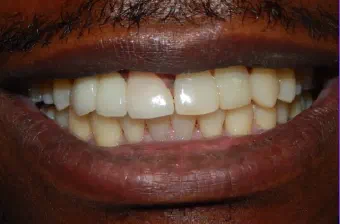
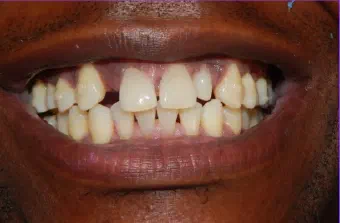
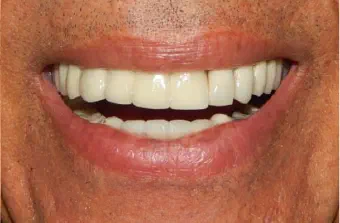
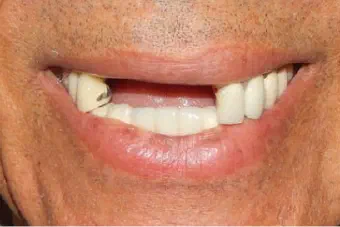
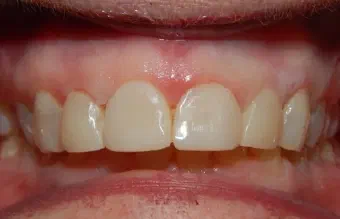
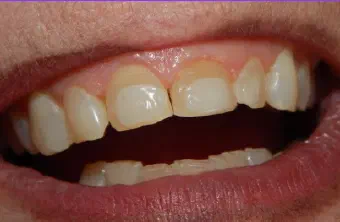
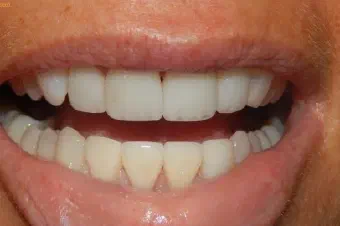
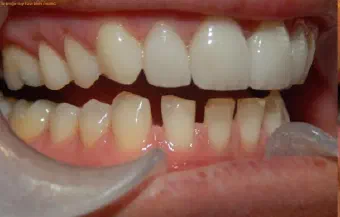
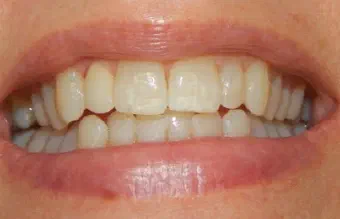
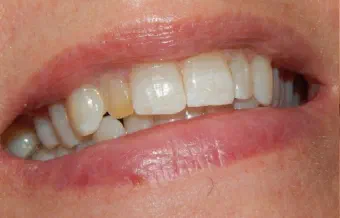
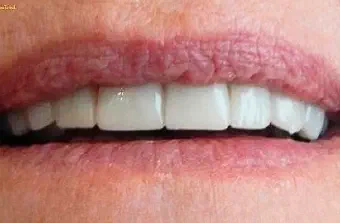
Drag the centre line to compare each real case treated by our dental team. Every smile begins with a personal assessment and a plan shaped around the patient.

Areas We Serve

Neighbourhood dental care, close to home.

Located in Cookstown, Innisfil, our dental team welcomes patients from communities across South Simcoe, Barrie, and northern York Region.

Get directions
  • Cookstown
  • Innisfil
  • Simcoe
  • Lake Simcoe
  • Alcona
  • Stroud
  • Lefroy–Belle Ewart
  • Gilford
  • Churchill
  • Sandy Cove
  • Innisfil Heights
  • Fennell’s Corners
  • Bradford
  • Bradford West Gwillimbury
  • Bond Head
  • Newton Robinson
  • New Tecumseth
  • Alliston
  • Beeton
  • Tottenham
  • Adjala–Tosorontio
  • Everett
  • Loretto
  • Barrie
  • Essa
  • Thornton
  • Baxter
  • Angus
  • Egbert
  • Ivy
  • Utopia
  • York Region
  • East Gwillimbury
  • Queensville
  • Holland Landing
  • Sharon
  • Schomberg
  • Nobleton

Don’t see your community listed? Contact us—we regularly welcome patients from throughout the surrounding region.

Google reviews

Kind words from our patients.

Read what patients have shared about their visits to Cookstown Dental Centre.

A dentist having a friendly consultation with a patient in a bright dental clinic

Your next step

Ready to feel good about your next dental visit?

Whether you are new to the clinic or returning for care, our team is here to make booking simple and answer your questions.

Call Book Now WhatsApp

How can we help?

The Cookstown Dental team is here for you.

Need an appointment, have a question, or want to talk through your options? Choose the next step that works best for you.

Send us a note

We’ll get back to you as soon as we can.