Cookstown Dental Centre
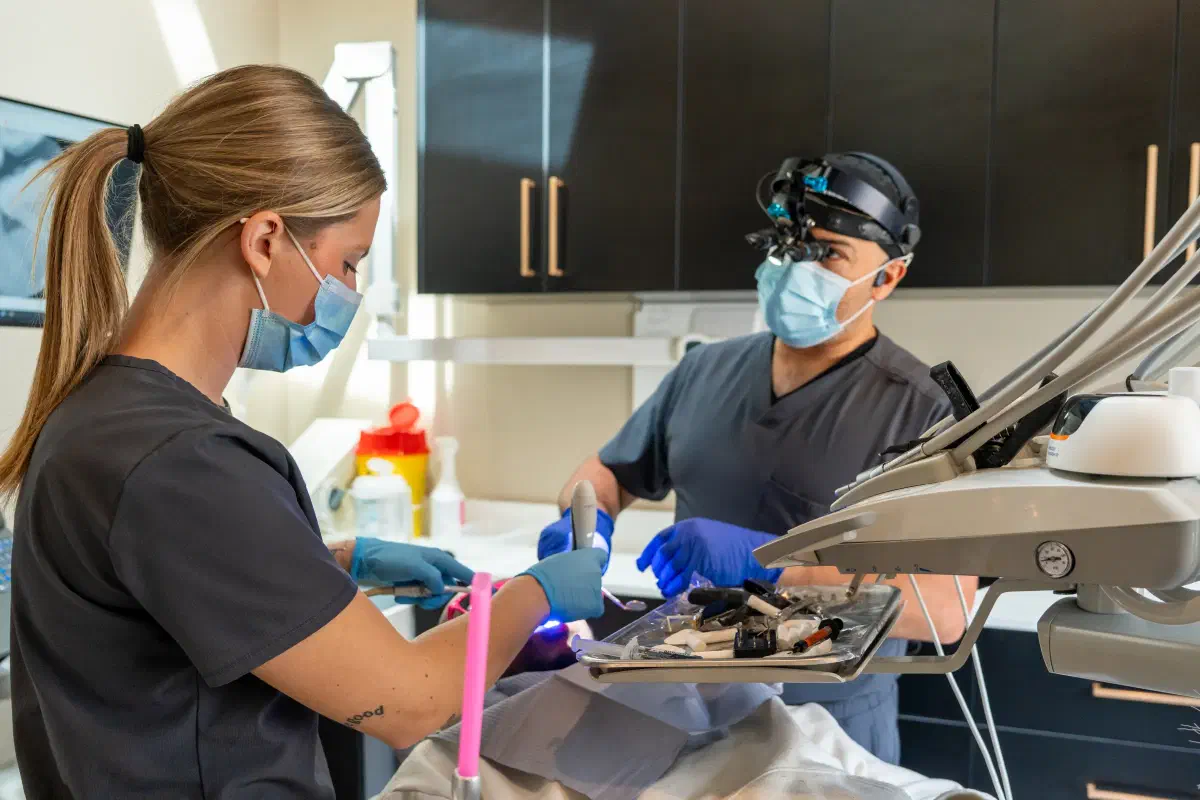
The Cookstown Dental Centre team caring for a patient in a treatment room

Specialized Care · Cookstown

Assess a retained root before deciding to remove it.

A retained tooth root needs an individual assessment. Learn about imaging, symptoms, removal risks, and monitoring options at our Cookstown dental office.

Request an appointment

Let’s find a time that works.

Need urgent dental help? Call (705) 291-2222.

Retained Root Removal in Cookstown

A root fragment is a finding—not a complete diagnosis.

A retained root may remain after a tooth breaks down or following an earlier extraction. Some fragments cause pain, infection, or interference with a planned denture or implant; others are discovered incidentally. In selected circumstances, leaving a root in place can be an intentional decision when removal would carry a greater risk to nearby structures.

The assessment considers the root’s position, its condition, the surrounding bone and tissues, and your symptoms. Earlier treatment records can help explain why it was retained and whether its position has changed. The goal is to compare removal with observation using the facts of your case. A visible or suspected fragment should not be pulled, pushed, or tested at home, because what appears to be a small piece can have a more complex relationship with the tissues beneath it.

Dentist reviewing the position of a retained tooth root with a patient using a dental model

Good to know

Understanding what has been retained

The history influences the questions we need to answer.

A root left by a damaged tooth

Decay or fracture can leave a root beneath the gum after the visible crown is lost. The clinician assesses whether there is infection, surrounding damage, or any realistic restorative option. A root that has been quiet for a long time still needs context if new swelling, discomfort, or restorative plans bring it to attention.

A fragment after previous treatment

An earlier extraction may have left a fragment, or part of a tooth may have been deliberately retained to reduce a particular surgical risk. This does not automatically indicate an error or a need for immediate removal. Records from the treating clinician can clarify the original decision and the follow-up that was recommended.

What we consider

What the examination and imaging establish

Removal planning depends on location as much as on the size of the fragment.

Symptoms and the surrounding tissues

We check for tenderness, swelling, drainage, exposed root structure, and effects on adjacent teeth or an appliance. Pain in the area may come from another source, so the examination should not stop at finding a fragment. The clinical findings help determine whether the retained root is actually responsible for the concern.

Depth and nearby anatomy

Appropriate X-rays show the root’s position and relationship to bone, neighbouring teeth, and structures such as the sinus or a nerve canal. Additional imaging is considered when it can answer a relevant question. A fragment that looks small may still require careful surgical planning if access or nearby anatomy makes removal more complex.

Understanding the options

Removal and observation are both decisions

Each option needs a reason and a follow-up plan.

When removal may offer a clear benefit

Infection, recurrent symptoms, exposure, associated disease, or interference with necessary restorative treatment can support removal. The clinician explains the anticipated approach and relevant risks before proceeding. If anatomy or medical factors make the procedure more involved, referral may provide a more appropriate setting and level of surgical experience.

When monitoring may be considered

An asymptomatic fragment without concerning associated findings may sometimes be observed when removal risks outweigh the expected benefit. Observation means documenting the decision and knowing what would trigger reassessment. It is not a promise that the root can never cause a problem, nor a reason to ignore future swelling, pain, or exposure.

Practical guidance

While you are waiting for assessment

Protect the area and give the team information that helps with planning.

Avoid attempts to remove it yourself

Do not grip a fragment with tweezers, dig under the gum, or use household products to loosen it. These actions can injure tissues or complicate care. Keep the area as clean as you comfortably can using professional advice, and avoid repeatedly pressing on it to see whether it moves.

Report a change in symptoms promptly

Tell the office about new swelling, discharge, a worsening bad taste, or increasing pain, especially if the root had previously been quiet. Facial swelling with difficulty breathing or swallowing, rapidly spreading swelling, or serious illness requires urgent medical assessment rather than waiting for a routine retained-root appointment.

Frequently asked questions

Questions about retained root removal

Does every retained root have to be removed?

No. The decision weighs symptoms, disease, future dental plans, and the risks of removal. In selected cases, a fragment may be monitored when it is not causing a problem and removal would carry greater risk.

Can a root be intentionally left during surgery?

Yes, in particular circumstances a clinician may retain root tissue to reduce a specific surgical risk. The reason and follow-up should be documented. Previous treatment notes help distinguish an intentional plan from an unexplained incidental finding.

Will I need a three-dimensional scan?

Not automatically. Standard dental imaging may provide enough information. Additional imaging is considered when the root’s relationship to nearby anatomy or the proposed procedure raises a question that cannot be answered adequately with existing records.

Could the retained root be causing my pain?

It is possible, but pain can also come from an adjacent tooth, the gums, or another structure. An examination is needed to connect the symptoms with the fragment rather than assuming that its presence proves the source.

Can I have a denture over a retained root?

That depends on the root’s condition, position, and the denture design. Some roots may interfere with comfort or treatment, while others need a different plan. The assessment should be coordinated with the clinician responsible for the prosthesis.

Is removal the same as a simple extraction?

Not always. A root beneath the gum or bone may need surgical access, while another may be easier to reach. Imaging and examination help estimate complexity, explain risks, and determine whether referral is appropriate.

What should I watch for if the root is monitored?

Report new pain, swelling, discharge, exposure, or a change affecting a denture or nearby tooth. Attend the agreed reviews so the clinician can reassess the site and reconsider removal if the balance of risks and benefits changes.

Real patient results

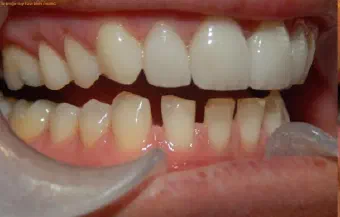
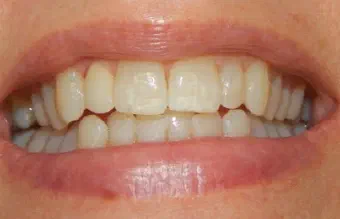
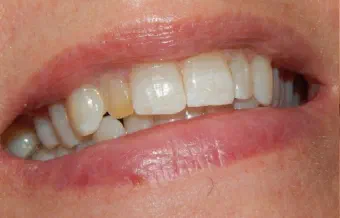
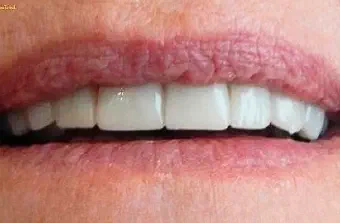
Before & after smile gallery.

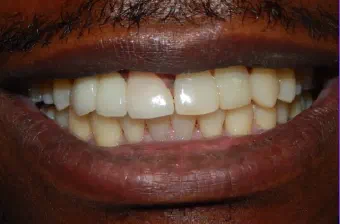
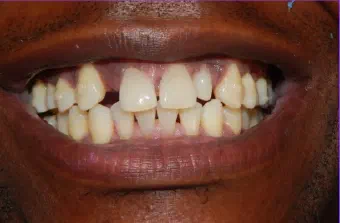
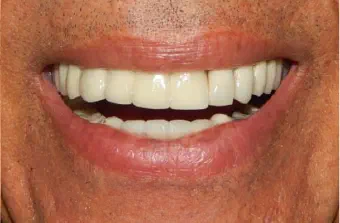
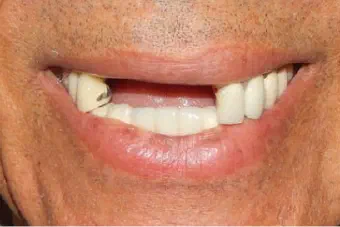
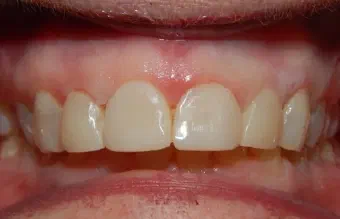
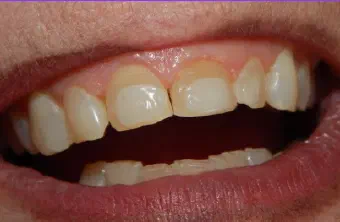
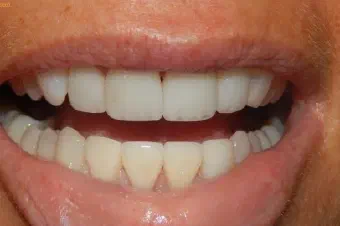
Drag the centre line to compare each real case treated by our dental team. Every smile begins with a personal assessment and a plan shaped around the patient.

Areas We Serve

Neighbourhood dental care, close to home.

Located in Cookstown, Innisfil, our dental team welcomes patients from communities across South Simcoe, Barrie, and northern York Region.

Get directions
  • Cookstown
  • Innisfil
  • Simcoe
  • Lake Simcoe
  • Alcona
  • Stroud
  • Lefroy–Belle Ewart
  • Gilford
  • Churchill
  • Sandy Cove
  • Innisfil Heights
  • Fennell’s Corners
  • Bradford
  • Bradford West Gwillimbury
  • Bond Head
  • Newton Robinson
  • New Tecumseth
  • Alliston
  • Beeton
  • Tottenham
  • Adjala–Tosorontio
  • Everett
  • Loretto
  • Barrie
  • Essa
  • Thornton
  • Baxter
  • Angus
  • Egbert
  • Ivy
  • Utopia
  • York Region
  • East Gwillimbury
  • Queensville
  • Holland Landing
  • Sharon
  • Schomberg
  • Nobleton

Don’t see your community listed? Contact us—we regularly welcome patients from throughout the surrounding region.

Google reviews

Kind words from our patients.

Read what patients have shared about their visits to Cookstown Dental Centre.

A dentist having a friendly consultation with a patient in a bright dental clinic

Your next step

Ready to feel good about your next dental visit?

Whether you are new to the clinic or returning for care, our team is here to make booking simple and answer your questions.

Call Book Now WhatsApp

How can we help?

The Cookstown Dental team is here for you.

Need an appointment, have a question, or want to talk through your options? Choose the next step that works best for you.

Send us a note

We’ll get back to you as soon as we can.