Cookstown Dental Centre
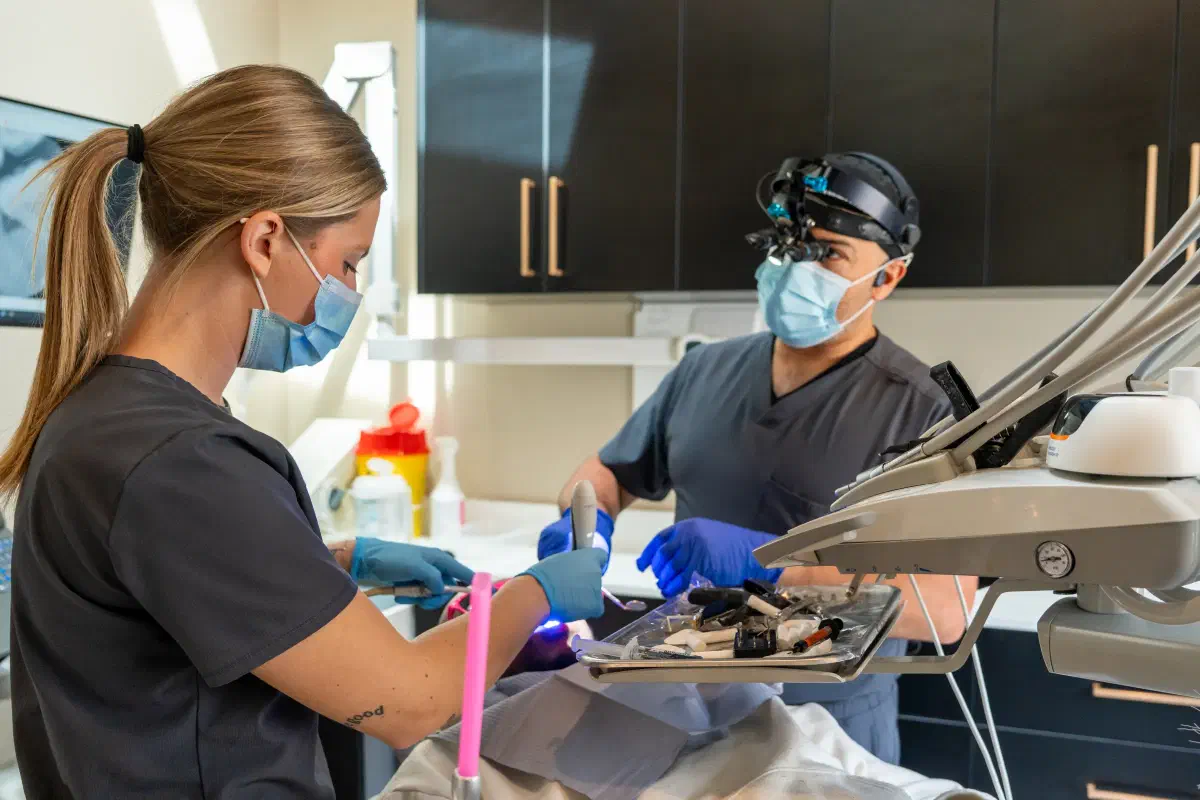
The Cookstown Dental Centre team caring for a patient in a treatment room

General & Family Dentistry · Cookstown

Give exposed roots the protection they need.

Learn why exposed tooth roots need attention and how cleaning technique, fluoride, saliva, and regular review can support a prevention plan.

Request an appointment

Let’s find a time that works.

Need urgent dental help? Call (705) 291-2222.

Root-Cavity Prevention in Cookstown

A change at the gumline can change your prevention needs.

When gums recede, part of a tooth’s root may become exposed in the mouth. Root surfaces are different from the enamel-covered crown and can be vulnerable to decay. This can matter even if you have had few cavities previously. The useful question is not simply whether your teeth look clean, but whether the exposed areas are being protected effectively.

At Cookstown Dental Centre, we can assess recession, existing restorations, cleaning access, and other factors relevant to root-surface risk. A prevention plan may involve technique advice, fluoride, management of dryness, and appropriate review. If decay is already present, the dentist will explain whether preventive management, restoration, or another approach is suitable for that particular area.

A clinician demonstrating gentle gumline brushing for an older patient

What matters most

Look at the root surface and its surroundings.

Risk depends on more than the amount of recession. The condition of the area and the practical ability to care for it shape the plan.

Exposed surfaces near the gumline

Ask the dentist or hygienist to show you which areas need attention. A root surface may be difficult to see, particularly on the inside of a tooth or near a restoration. Understanding the location makes brushing advice more useful. Avoid assuming that every darker area is decay or that every exposed root needs a filling.

Saliva and daily exposure

Dryness and frequent sugar exposure can make prevention more challenging. Tell the team about a new dry feeling, medicines, and your usual eating or drinking pattern. These details help identify useful adjustments without treating root decay as something explained by age alone.

Access around dental work

Bridges, partial dentures, crowded teeth, and existing restorations can complicate cleaning near roots. Bring removable appliances and describe where food collects. The team can discuss an appropriate tool and technique for the actual space rather than suggesting a single method for every area.

Two parts of the picture

Preventing a new lesion and managing existing decay.

These goals overlap, but they are not identical. An examination is needed to determine the condition of a suspicious area before choosing treatment.

Protect a vulnerable surface

The plan may focus on gentle effective cleaning, suitable fluoride protection, and reviewing factors such as dryness. Ask which measures are most relevant and how to use them. Prevention is ongoing; a one-time application does not remove the need for daily care and reassessment.

Assess a surface that has changed

An existing root lesion may need preventive treatment, a restoration, or another approach depending on its activity, depth, access, and the tooth’s outlook. Ask what is known and what needs monitoring. Sensitivity or colour alone cannot establish the correct treatment, and missing tooth structure cannot simply be brushed back into place.

Practical guidance

Build a routine that reaches the vulnerable area.

The aim is controlled, gentle care. If a technique hurts or is difficult to perform, that is information the team needs before recommending more of the same.

Brush the gumline without scrubbing

Ask for a demonstration of brush positioning and pressure around the exposed root. A soft brush and a manageable handle may help, but technique remains important. Aggressive brushing can irritate tissues. If pain prevents cleaning, have the cause assessed instead of avoiding the area indefinitely.

Choose additional protection deliberately

The dentist may recommend professional or home fluoride measures when indicated. Know the product, frequency, and instructions, particularly if a higher-strength toothpaste is prescribed. Do not share prescription products or assume that combining several fluoride products automatically gives better protection.

Address the wider pattern

Discuss dry mouth, repeated sipping of sweet drinks, and difficulty cleaning between teeth. The plan should reflect medical restrictions and nutrition needs. If another person helps with mouth care, ask for guidance they can follow with your permission, while preserving the parts of the routine you manage independently.

Plan with confidence

Monitor change with a clear purpose.

Root-cavity prevention should include knowing which areas are being watched and when to review them. Ask for a straightforward explanation of what progress looks like.

Record the important findings

Ask which root surfaces are exposed, whether any lesions are present, and what the dentist recommends for each. If monitoring is chosen, understand why and when reassessment is due. A plan to observe is still an active plan with follow-up, not a decision to ignore the area.

Report symptoms and practical problems

Tell the team about new sensitivity, food trapping, a chipped edge, or a routine you cannot maintain. Pain or a broken tooth may need earlier assessment. If a product causes discomfort, ask for advice rather than stopping every part of prevention or substituting an unverified remedy.

Review after health changes

A new medicine, reduced saliva, changing dexterity, or a different caregiver can alter your needs. Bring updates to the next visit and call sooner if the change is significant. Prevention should remain suited to your current mouth and daily circumstances rather than a plan written years earlier.

Frequently asked questions

Your questions about root-cavity prevention.

Is root decay only a problem for seniors?

No. Exposed roots can occur in adults of different ages. Risk depends on the surface, saliva, cleaning access, diet, and other factors. Older age may bring relevant changes, but the dentist should assess your individual mouth rather than assume risk from a birthday alone.

Does gum recession always need a filling?

No. Recession and decay are different findings. An exposed root may need preventive care, assessment of sensitivity, or another approach without a filling. The dentist can explain whether the surface is sound, being monitored, or damaged in a way that requires treatment.

Can fluoride help protect exposed roots?

Fluoride may be part of a root-cavity prevention or management plan when appropriate. The product and schedule depend on your needs. Ask how to use any recommended treatment and what follow-up is needed rather than choosing a stronger product solely because the root is visible.

Is a dark area at the gumline definitely a cavity?

No. Colour alone cannot establish the diagnosis or whether a lesion is active. The dentist considers the surface and other findings, sometimes with additional records. Have an unfamiliar or changing area assessed instead of trying to scrape, bleach, or diagnose it yourself.

What if the root is too sensitive to brush?

Tell the team so the cause can be assessed and a comfortable technique discussed. Sensitivity may have several explanations. Avoiding the area indefinitely can make care harder, but forcing painful brushing is not the answer either; the plan should address both comfort and protection.

Can a root cavity be managed without drilling?

Some lesions may be suitable for non-restorative management, while others need repair or a different treatment. The decision depends on examination findings and the ability to maintain and review the area. Ask about the options, limitations, and follow-up rather than assuming one approach fits every root lesion.

How often should exposed roots be checked?

The interval depends on whether lesions are present, your risk, and the response to care. Ask which areas need reassessment and when. New pain, damage, or a change in symptoms may require an earlier visit even if a routine appointment is already booked.

Real patient results

Before & after smile gallery.

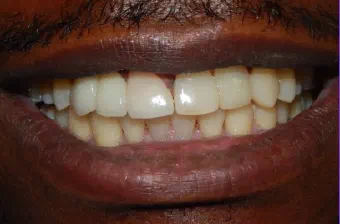
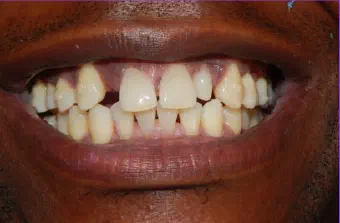
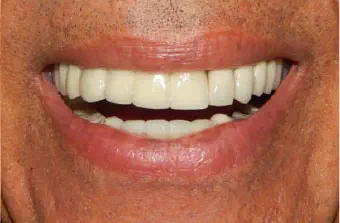
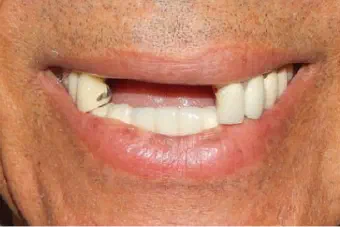
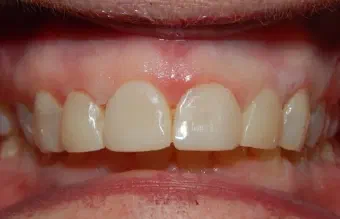
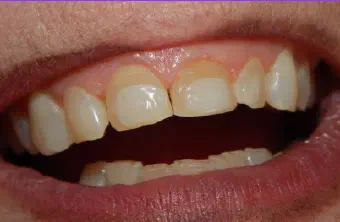
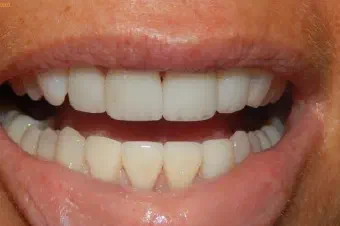
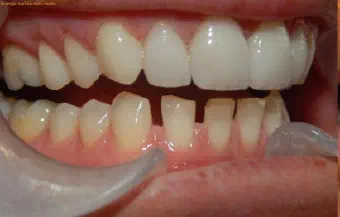
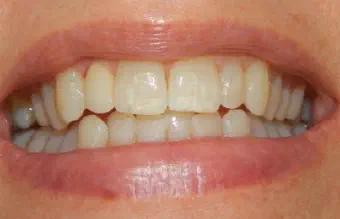
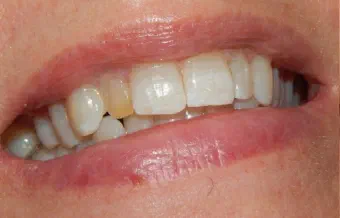
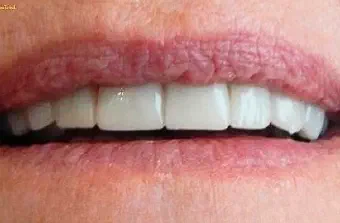
Drag the centre line to compare each real case treated by our dental team. Every smile begins with a personal assessment and a plan shaped around the patient.

Areas We Serve

Neighbourhood dental care, close to home.

Located in Cookstown, Innisfil, our dental team welcomes patients from communities across South Simcoe, Barrie, and northern York Region.

Get directions
  • Cookstown
  • Innisfil
  • Simcoe
  • Lake Simcoe
  • Alcona
  • Stroud
  • Lefroy–Belle Ewart
  • Gilford
  • Churchill
  • Sandy Cove
  • Innisfil Heights
  • Fennell’s Corners
  • Bradford
  • Bradford West Gwillimbury
  • Bond Head
  • Newton Robinson
  • New Tecumseth
  • Alliston
  • Beeton
  • Tottenham
  • Adjala–Tosorontio
  • Everett
  • Loretto
  • Barrie
  • Essa
  • Thornton
  • Baxter
  • Angus
  • Egbert
  • Ivy
  • Utopia
  • York Region
  • East Gwillimbury
  • Queensville
  • Holland Landing
  • Sharon
  • Schomberg
  • Nobleton

Don’t see your community listed? Contact us—we regularly welcome patients from throughout the surrounding region.

Google reviews

Kind words from our patients.

Read what patients have shared about their visits to Cookstown Dental Centre.

A dentist having a friendly consultation with a patient in a bright dental clinic

Your next step

Ready to feel good about your next dental visit?

Whether you are new to the clinic or returning for care, our team is here to make booking simple and answer your questions.

Call Book Now WhatsApp

How can we help?

The Cookstown Dental team is here for you.

Need an appointment, have a question, or want to talk through your options? Choose the next step that works best for you.

Send us a note

We’ll get back to you as soon as we can.