Cookstown Dental Centre
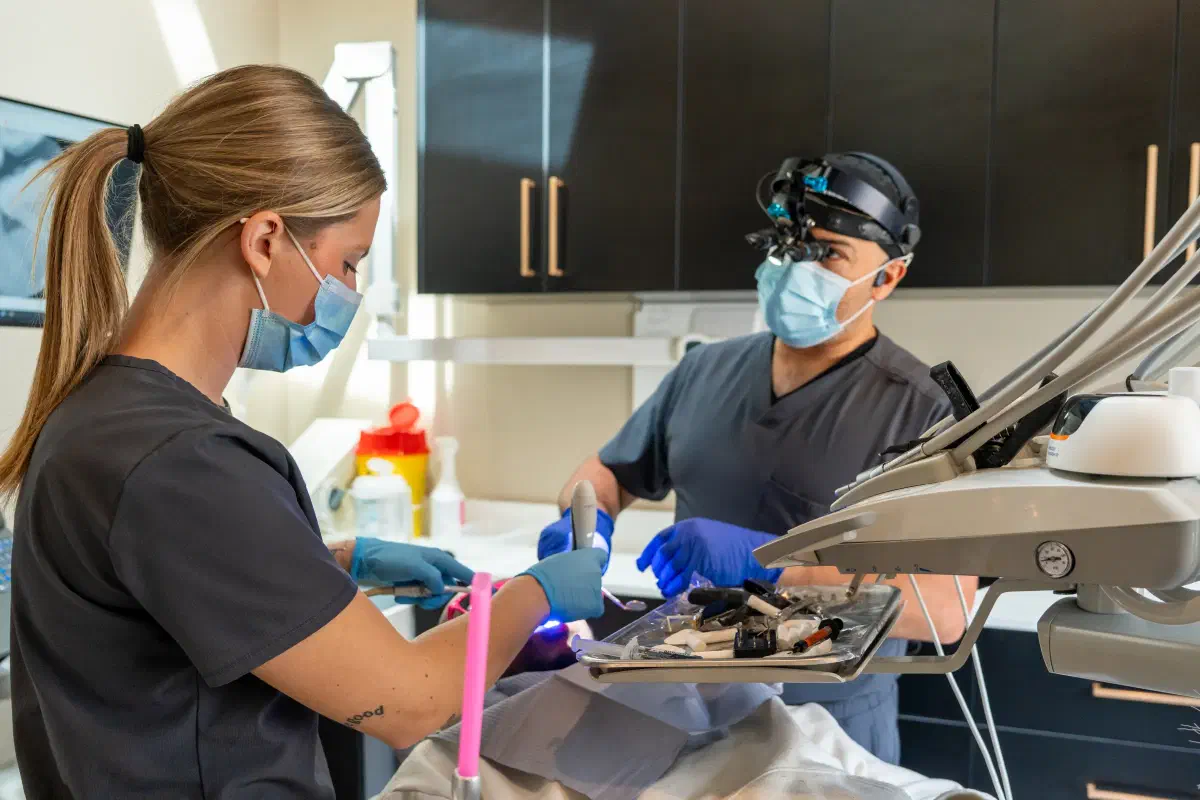
The Cookstown Dental Centre team caring for a patient in a treatment room

Specialized Care · Cookstown

Severe pain deserves a diagnosis and a clear next step.

Severe dental pain can have several causes. Find out how urgent assessment in Cookstown identifies the source and plans relief, treatment, and follow-up.

Request an appointment

Let’s find a time that works.

Need urgent dental help? Call (705) 291-2222.

Severe Dental Pain Treatment in Cookstown

The intensity of pain does not identify the tooth—or the treatment.

Dental pain can interrupt sleep, make eating difficult, and spread into the jaw or face. A badly inflamed tooth pulp, an infection, a fracture, or another dental problem may be responsible. Sometimes pain felt near a tooth comes from a different tooth or a non-dental source. That is why a careful assessment matters even when you feel certain about where the pain begins.

Contact the office promptly to describe the severity, timing, and any swelling or general illness. The first goal is to identify the source and determine what needs urgent attention. Treatment might preserve the tooth, stabilize it temporarily, or involve removal when appropriate. Pain relief and antibiotics have different roles, and neither should replace necessary treatment of the underlying problem. Breathing or swallowing difficulty, rapidly spreading swelling, or serious illness requires urgent medical assessment.
Dentist listening to a patient describe tooth pain during an urgent consultation

Planning together

Describe the pain in a way that helps

The pattern provides useful clues, although it cannot confirm a diagnosis by itself.

Triggers and duration

Tell us whether pain starts with cold, heat, biting, lying down, or no obvious trigger, and whether it lingers after the trigger stops. Mention if it wakes you from sleep or has changed from intermittent to constant. These details help guide testing without assuming that one familiar symptom always means the same diagnosis.

Associated changes and recent care

Report swelling, a bad taste, a broken filling, an injury, or recent dental treatment. Include medicines taken and whether they helped, along with allergies and relevant medical conditions. If pain seems to move between teeth or into the ear or jaw, say so rather than selecting a tooth simply to make the story clearer.

Step by step

Finding the source before choosing treatment

An urgent assessment should connect symptoms with clinical findings.

  1. Examine and test the relevant area

    The clinician may check tooth responses, tenderness, biting, gums, restorations, and jaw movement, with targeted imaging where useful. Neighbouring teeth may also need testing because pain can be referred. A normal-looking tooth or an X-ray without an obvious lesion does not automatically exclude a significant pain problem.

  2. Explain the diagnosis and its uncertainty

    Once the findings are connected, the clinician discusses the likely cause and suitable options. If the source remains unclear, further investigation or referral may be safer than an irreversible procedure on an uncertain tooth. You should understand what has been established, what remains uncertain, and how the next step addresses that uncertainty.

Understanding the options

Relief and definitive treatment are connected

The procedure depends on what is causing the pain and whether the tooth can be maintained.

When the tooth may be preserved

A restoration, treatment of an inflamed or infected pulp, or another source-specific intervention may be appropriate. Root canal care can begin with an urgent stage and require later completion and restoration. The plan should distinguish relief at the first appointment from the work needed to protect the tooth over the longer term.

When another approach is needed

A tooth with an unmanageable fracture, insufficient remaining structure, or a poor overall prognosis may need extraction. Pain arising from muscles, joints, or another non-dental source requires a different pathway. Treatment is chosen from the diagnosis and prognosis rather than using extraction as a universal response to severe pain.

Good to know

Medicines have a specific role

Safe advice depends on your health history and the cause of the pain.

Pain relief while arranging care

A dentist or pharmacist can advise on appropriate options after considering your medicines, allergies, pregnancy, and medical conditions. Do not exceed labelled or prescribed directions or combine products without checking their ingredients. Placing aspirin or other substances directly on the tooth or gum can injure tissue and does not treat the source.

Antibiotics are not general toothache medicine

Many painful pulp and localized dental problems need dental treatment rather than antibiotics. Antibiotics may be indicated when infection is spreading, systemic signs are present, or other clinical factors justify them. Do not use leftovers or someone else’s prescription, and do not delay a needed procedure because medication has temporarily reduced symptoms.

Practical guidance

After the urgent appointment

A reduction in pain should be followed by a clear plan for the tooth or identified source.

Protect any temporary treatment

If a temporary filling or dressing was placed, follow the instructions about chewing and cleaning and keep the completion appointment. A tooth may feel better before it has a durable seal or final restoration. Contact the office if the temporary material is lost or pain changes unexpectedly rather than waiting until the planned visit.

Know the reasons to seek help again

Ask what discomfort is expected and which changes should prompt a call. Increasing swelling, persistent severe pain, or difficulty drinking needs reassessment. Rapidly spreading swelling, trouble breathing or swallowing, or feeling seriously unwell requires urgent medical help, even if dental treatment has already begun.

Frequently asked questions

Questions about severe dental pain treatment

Can severe pain occur without a visible cavity?

Yes. A crack, inflammation inside a tooth, a problem beneath an existing restoration, or a non-dental source may not be obvious in a mirror. Examination and targeted tests are needed to identify the cause.

Does severe pain always mean an infection?

No. Inflammation, fractures, and other conditions can cause intense pain without the kind of infection that benefits from antibiotics. The diagnosis determines whether medication, a dental procedure, referral, or a combination is appropriate.

Will I need the painful tooth removed?

Not necessarily. Some painful teeth can be preserved with suitable treatment. The decision considers the source of pain, remaining tooth structure, periodontal support, and your preferences after the realistic options have been explained.

Why test nearby teeth when I know where it hurts?

Dental pain can be referred, making another tooth seem responsible. Comparing responses and examining neighbouring structures helps avoid treating the wrong tooth, especially before an irreversible procedure such as root canal treatment or extraction.

What can I take while waiting for an appointment?

Ask a dentist or pharmacist for advice that accounts for your health and current medicines. Follow labelled or prescribed directions, avoid duplicate ingredients, and arrange assessment rather than relying on repeated pain relief to postpone care.

What if the pain suddenly disappears?

Improvement does not always mean the problem has resolved. A change inside a tooth or drainage from an infection can alter symptoms. Keep the assessment appointment, particularly if there was severe pain, swelling, or a damaged tooth.

When is dental pain a medical emergency?

Pain with rapidly spreading facial or neck swelling, breathing or swallowing difficulty, or serious systemic illness needs urgent medical assessment. Significant facial trauma or uncontrolled bleeding also requires appropriate urgent care rather than waiting for a routine visit.
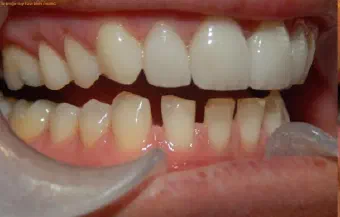
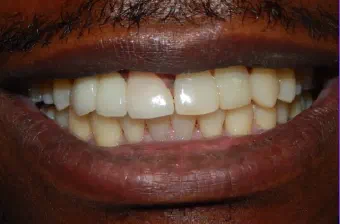
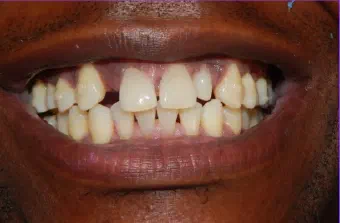
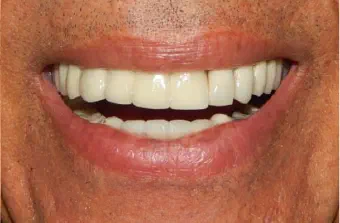
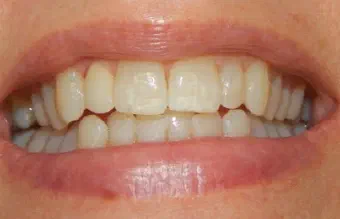
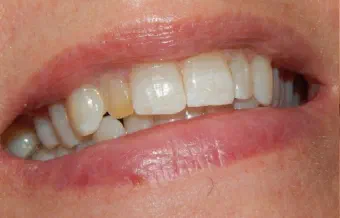
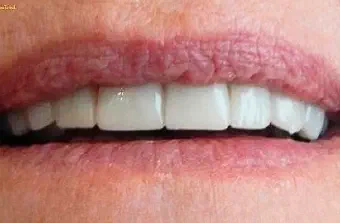
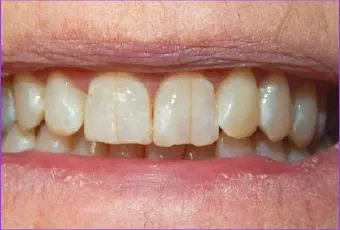
Real patient results

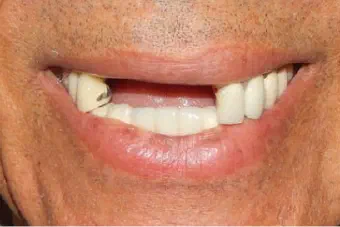
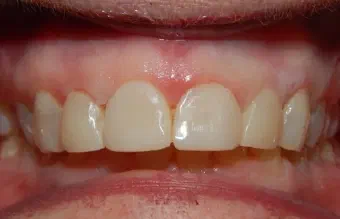
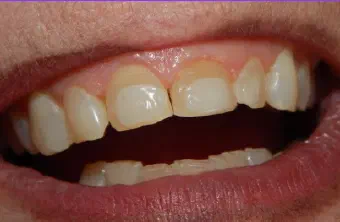
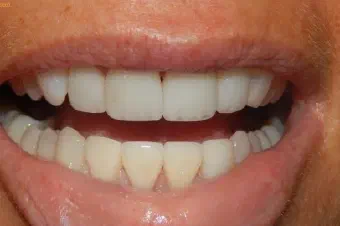
Before & after smile gallery.

Drag the centre line to compare each real case treated by our dental team. Every smile begins with a personal assessment and a plan shaped around the patient.

Areas We Serve

Neighbourhood dental care, close to home.

Located in Cookstown, Innisfil, our dental team welcomes patients from communities across South Simcoe, Barrie, and northern York Region.

Get directions
  • Cookstown
  • Innisfil
  • Simcoe
  • Lake Simcoe
  • Alcona
  • Stroud
  • Lefroy–Belle Ewart
  • Gilford
  • Churchill
  • Sandy Cove
  • Innisfil Heights
  • Fennell’s Corners
  • Bradford
  • Bradford West Gwillimbury
  • Bond Head
  • Newton Robinson
  • New Tecumseth
  • Alliston
  • Beeton
  • Tottenham
  • Adjala–Tosorontio
  • Everett
  • Loretto
  • Barrie
  • Essa
  • Thornton
  • Baxter
  • Angus
  • Egbert
  • Ivy
  • Utopia
  • York Region
  • East Gwillimbury
  • Queensville
  • Holland Landing
  • Sharon
  • Schomberg
  • Nobleton

Don’t see your community listed? Contact us—we regularly welcome patients from throughout the surrounding region.

Google reviews

Kind words from our patients.

Read what patients have shared about their visits to Cookstown Dental Centre.

A dentist having a friendly consultation with a patient in a bright dental clinic

Your next step

Ready to feel good about your next dental visit?

Whether you are new to the clinic or returning for care, our team is here to make booking simple and answer your questions.

Call Book Now WhatsApp

How can we help?

The Cookstown Dental team is here for you.

Need an appointment, have a question, or want to talk through your options? Choose the next step that works best for you.

Send us a note

We’ll get back to you as soon as we can.