Cookstown Dental Centre
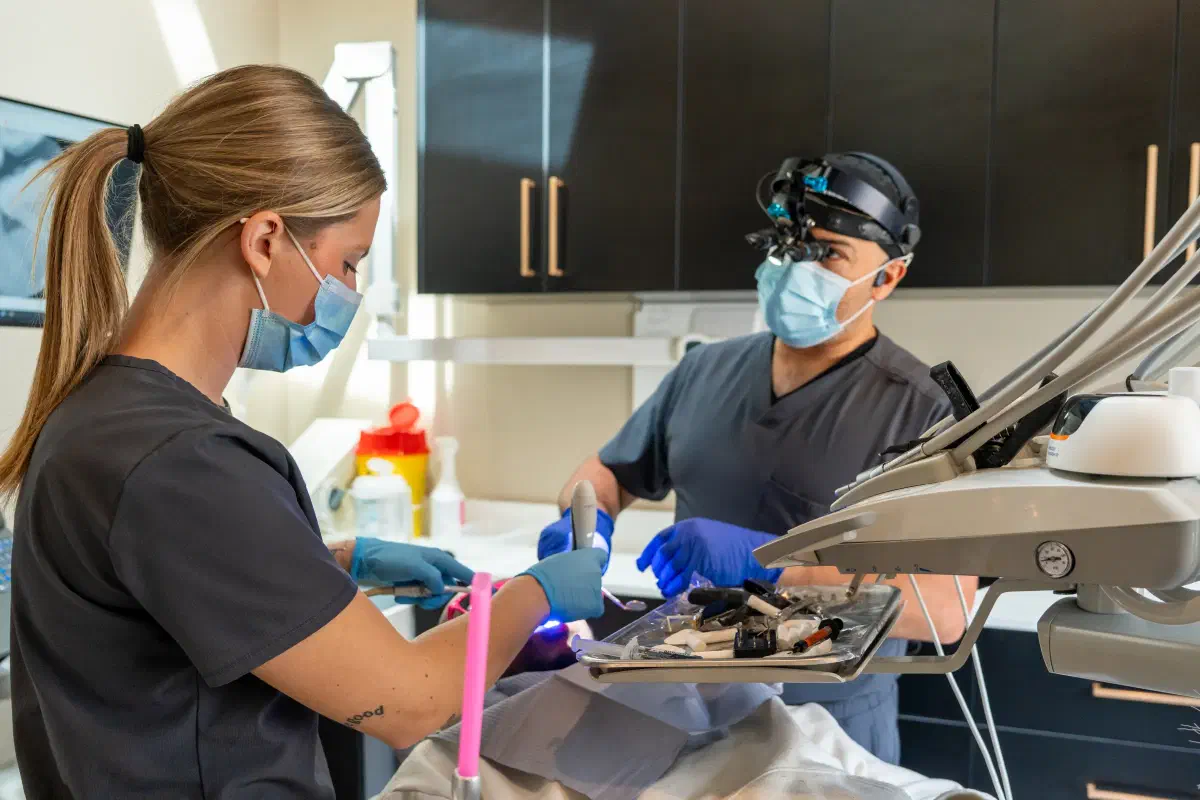
The Cookstown Dental Centre team caring for a patient in a treatment room

Specialized Care · Cookstown

A fitting appointment that teaches you how to use the device.

At a sleep appliance fitting in Cookstown, check seating, retention, jaw comfort, handling, and care before moving into guided adjustment and follow-up.

Request an appointment

Let’s find a time that works.

Need urgent dental help? Call (705) 291-2222.

Sleep Appliance Fitting in Cookstown

Delivery is the beginning of supervised use.

A custom sleep appliance needs more than a brief check that it fits over the teeth. The delivery appointment establishes how it seats, how securely it stays in place, whether the starting position is comfortable, and whether you can insert, remove, and care for it confidently. It also creates a baseline for later reviews of tooth pressure, jaw symptoms, and bite changes.

The fitting follows the medical and dental suitability decisions made earlier in the treatment pathway. It does not replace the diagnosis of sleep apnea or confirm that treatment is already effective. After delivery, adjustment and follow-up are usually needed, with objective assessment through the clinician managing the sleep condition. Before you leave, you should understand the starting instructions, what to do if the appliance causes a problem, and which appointment comes next.

Patient learning to handle a custom sleep appliance while the dentist demonstrates its fit on a model

Planning together

Before the appliance is fitted

Changes since the records appointment can affect the fit or the wider treatment plan.

Update the dental history

Tell the clinician about any new filling, crown, extraction, loose tooth, or gum problem since impressions or scans were taken. Even a small change in tooth shape can affect seating. Bring other appliances you use and explain whether planned dental work may alter the mouth again in the near future.

Confirm the medical pathway

The provider should have the relevant sleep diagnosis or recommendation and know who is managing your sleep care. Mention changes in health, symptoms, or prescribed treatment. Do not stop CPAP or another prescribed therapy merely because the appliance has arrived; any transition needs an agreed plan with the responsible clinician.

The appointment

What happens during the fitting

Each check has a practical purpose for safe, repeatable use at home.

  1. Check seating and retention

    The appliance is examined in the mouth to see whether it seats fully and remains stable without harmful pressure. The clinician checks the supporting teeth and tissues rather than relying only on how tightly the device grips. A device that is difficult to remove may need attention just as much as one that feels loose.

  2. Review jaw position and comfort

    The starting position is checked against the prescribed plan and your tolerance. Baseline jaw symptoms and bite contacts provide a reference for later visits. This is not an invitation to advance the device as far as possible; the initial setting and subsequent titration should follow the treatment plan for your particular appliance.

  3. Practise handling before leaving

    You should have an opportunity to insert and remove the appliance yourself and learn how its components connect. Ask for another demonstration if dexterity, vision, or uncertainty makes this difficult. Understanding the technique in the office is more useful than discovering at bedtime that you cannot seat or remove the device comfortably.

Practical guidance

The instructions you will use at home

Written guidance should match the appliance rather than a generic online care routine.

Cleaning and storage

Follow the manufacturer and provider instructions for cleaning products, water temperature, and storage. Heat, harsh chemicals, or abrasive methods can damage some materials. Keep the appliance away from pets and accidental pressure, and bring the storage case to appointments so the device can be transported without being bent or contaminated.

Use and symptom recording

Follow the prescribed starting and adjustment instructions, recording any tooth pressure, jaw soreness, dry mouth, or change in the bite. Note whether symptoms settle after removal or continue into the day. Do not improvise a faster advancement schedule because the device initially feels comfortable or because a partner still hears snoring.

Understanding the options

Adaptation and problems that need help

Not every new sensation means failure, but significant symptoms should not be ignored.

Questions during early use

A new appliance can change how the mouth feels at night, and you may have questions about saliva, dryness, or handling. Contact the provider for advice if these issues interfere with use. A brief discussion may clarify technique or prompt a fit review without assuming the entire treatment has to be abandoned.

Reasons to arrange an assessment

Persistent pain, a lasting bite change, poor seating, a loose component, or damage needs professional review. Do not force the device into place, trim it, or heat it at home. The clinician can decide whether adjustment, temporary interruption, repair, or another approach is appropriate and coordinate interim sleep treatment when needed.

Good to know

The fitting is followed by two kinds of review

Oral comfort and medical effectiveness need their own checks.

Dental review of the appliance and mouth

Follow-up checks retention, tissues, tooth stability, jaw comfort, and the bite, with guided adjustments where appropriate. Bring the appliance even if your main concern seems unrelated to it. A device can look intact while a pressure point or changing restoration affects how it functions in the mouth.

Medical review of sleep treatment

Once the appliance has been adjusted appropriately, the medical team may arrange follow-up sleep testing to assess effectiveness. Reduced snoring or better perceived sleep is encouraging but does not prove apnea is controlled. Ongoing care should keep dental findings and sleep-treatment decisions connected rather than treating delivery as the final appointment.

Frequently asked questions

Questions about sleep appliance fitting

Will the appliance be fully adjusted at the fitting?

The fitting usually establishes a suitable starting point. Further guided titration may be needed according to the treatment plan and your tolerance. The appropriate setting is not simply the most advanced position the device can reach.

Should I bring my CPAP information?

Yes, bring relevant treatment details and sleep reports if they are available. The dental provider needs to understand the medical plan. Do not discontinue prescribed therapy without coordinating the change with the clinician managing your sleep condition.

What if the appliance feels very tight?

Tell the clinician before leaving and report new pressure problems afterward. Retention must be balanced with the health of the teeth and tissues. A device that is difficult to remove or causes persistent pain needs review rather than forceful handling.

Can I clean it with hot water?

Follow the instructions for your specific appliance. Heat can distort some materials, and unsuitable cleaners can damage components. The fitting appointment should include clear cleaning and storage guidance so you do not have to guess.

What if I cannot insert or remove it easily?

Practise with the clinician and explain any limitations in dexterity or vision. The technique or design may need attention. Do not leave the appointment uncertain about safe handling or rely on pulling against a painful tooth at home.

How soon will I know whether it treats my apnea?

Comfort and symptom changes can be noticed during use, but effectiveness requires the planned medical follow-up and appropriate testing. The timing depends on adjustment progress and the sleep-care plan rather than the delivery date alone.

Will my bite be checked later?

Yes, monitoring tooth contacts and any lasting change is an important part of dental follow-up. Report changes rather than assuming they are harmless, and attend reviews even if the appliance continues to feel comfortable at night.

Real patient results

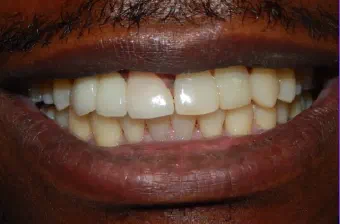
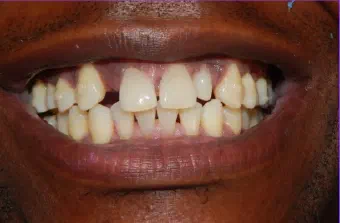
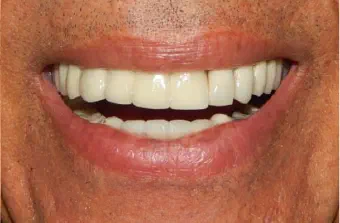
Before & after smile gallery.

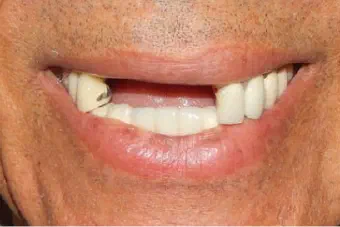
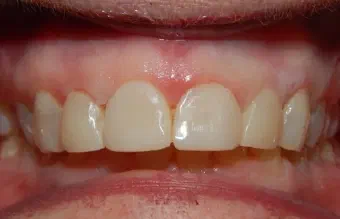
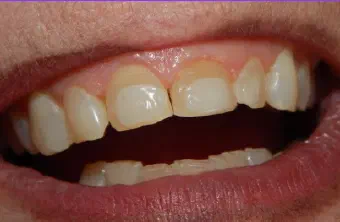
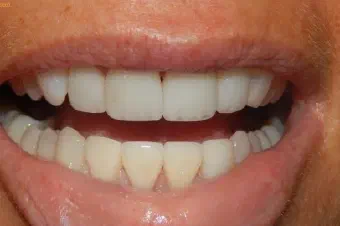
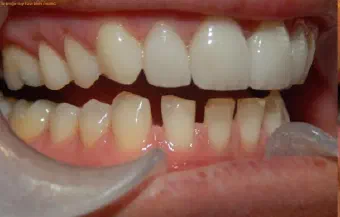
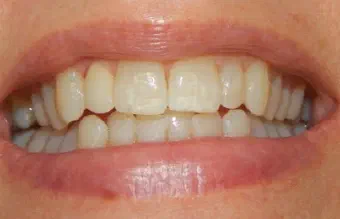
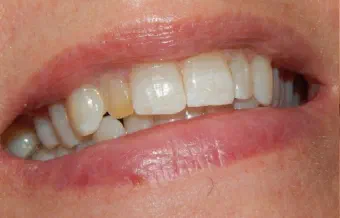
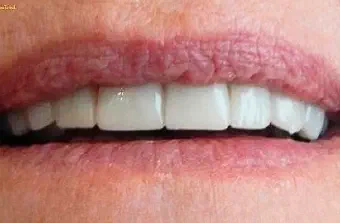
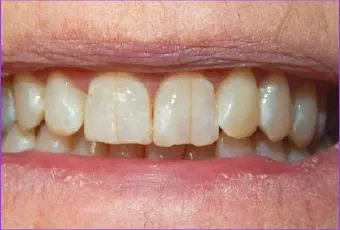
Drag the centre line to compare each real case treated by our dental team. Every smile begins with a personal assessment and a plan shaped around the patient.

Areas We Serve

Neighbourhood dental care, close to home.

Located in Cookstown, Innisfil, our dental team welcomes patients from communities across South Simcoe, Barrie, and northern York Region.

Get directions
  • Cookstown
  • Innisfil
  • Simcoe
  • Lake Simcoe
  • Alcona
  • Stroud
  • Lefroy–Belle Ewart
  • Gilford
  • Churchill
  • Sandy Cove
  • Innisfil Heights
  • Fennell’s Corners
  • Bradford
  • Bradford West Gwillimbury
  • Bond Head
  • Newton Robinson
  • New Tecumseth
  • Alliston
  • Beeton
  • Tottenham
  • Adjala–Tosorontio
  • Everett
  • Loretto
  • Barrie
  • Essa
  • Thornton
  • Baxter
  • Angus
  • Egbert
  • Ivy
  • Utopia
  • York Region
  • East Gwillimbury
  • Queensville
  • Holland Landing
  • Sharon
  • Schomberg
  • Nobleton

Don’t see your community listed? Contact us—we regularly welcome patients from throughout the surrounding region.

Google reviews

Kind words from our patients.

Read what patients have shared about their visits to Cookstown Dental Centre.

A dentist having a friendly consultation with a patient in a bright dental clinic

Your next step

Ready to feel good about your next dental visit?

Whether you are new to the clinic or returning for care, our team is here to make booking simple and answer your questions.

Call Book Now WhatsApp

How can we help?

The Cookstown Dental team is here for you.

Need an appointment, have a question, or want to talk through your options? Choose the next step that works best for you.

Send us a note

We’ll get back to you as soon as we can.