Cookstown Dental Centre
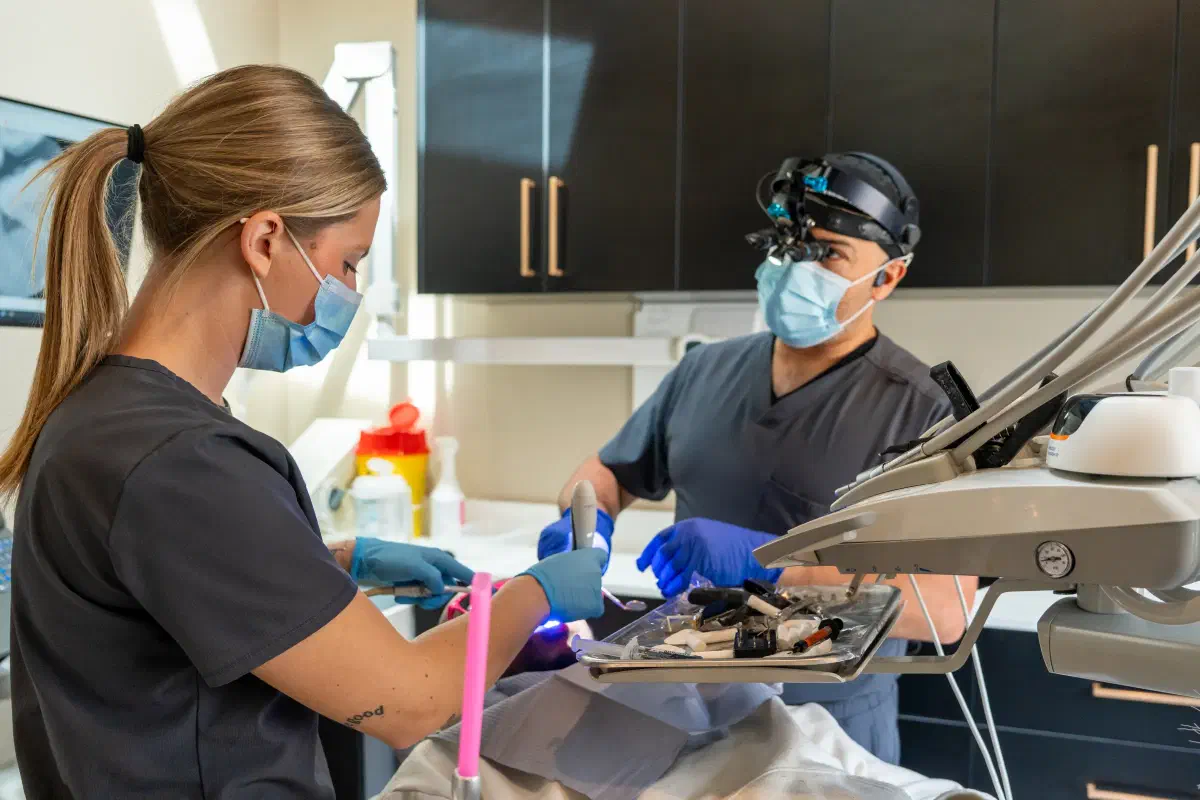
The Cookstown Dental Centre team caring for a patient in a treatment room

Cosmetic Dentistry · Cookstown

Shape a smile plan around the changes that matter to you.

Smile design brings tooth shape, colour, spacing, and gum appearance into one discussion. Set priorities, compare trade-offs, and plan a sensible sequence.

Request an appointment

Let’s find a time that works.

Need urgent dental help? Call (705) 291-2222.

Smile Design in Cookstown

A considered smile plan begins with preferences, not a preset ideal.

Smile design is the process of considering how individual dental changes work together in the whole smile. It can involve colour, shape, proportions, spacing, tooth position, and the visible gum line. It does not mean that every tooth needs treatment or that one standard shape is right for every face. Some people want a small refinement; others want several concerns coordinated over time.

At Cookstown Dental Centre, we start with what you notice and what you would prefer to keep. We assess oral health and function before comparing cosmetic choices. Digital tools may help explain a proposal, but the broader design conversation is about goals, limits, and treatment decisions. A useful plan respects existing tooth structure and makes maintenance, costs, and sequencing understandable before you commit to a change.
An older couple discussing smile goals with a dentist using a tooth model

Care that fits

Describe your smile in your own terms.

Photographs and examples can support the discussion, but your priorities should guide the proposal.

What you would like to change

Point out the feature that draws your attention: an edge, a gap, a darker tooth, or a broader sense of unevenness. Explain when it bothers you and whether it affects function. This helps the dentist distinguish a focused concern from a larger treatment plan you may neither need nor want.

What you would like to preserve

Natural variations, familiar proportions, and the character of your smile may matter to you. Say if you prefer a subtle change or want to avoid particular procedures. A design conversation should not treat every difference as a flaw or assume that symmetry and the lightest shade are universal goals.

How treatment fits your circumstances

Discuss timing, budget, appointments, and maintenance responsibilities. These are legitimate parts of planning, not details to add after a proposal is complete. A staged approach may be possible, but the order needs clinical reasoning so an early choice does not unnecessarily restrict later options.

A closer look

Consider the features together before treating them separately.

A change to one tooth can alter the apparent balance of the surrounding smile.

  1. Shape and proportion

    Length, width, edge form, and the relationship between neighbouring teeth influence appearance. Adding material, removing enamel, and moving teeth have different consequences. The clinician explains which feature is creating the concern and whether the proposed change would preserve comfortable contacts, cleaning access, and a natural-looking proportion.

  2. Colour and existing dental work

    Natural teeth, fillings, crowns, and veneers may respond differently to colour treatment. A whitening plan can affect the shade selected for later restorations. Discuss the whole visible area before changing one tooth so a new mismatch or an unexpected need for additional dental work is less likely.

  3. Position and gum appearance

    Tooth alignment and visible gum levels can influence how long or even teeth appear. A restoration is not always the best way to compensate for a position concern. The examination helps identify whether orthodontic or periodontal input would be useful before deciding that a cosmetic covering alone will address the issue.

Understanding the options

Make the trade-offs visible.

The same cosmetic goal may have several possible routes, with different effects on tooth structure and future care.

A focused conservative change

Cleaning, selected whitening, small bonding additions, or another limited option may address a specific concern when suitable. A smaller intervention can still require maintenance and may leave other features unchanged. The dentist explains those limits so a modest plan is chosen knowingly rather than expected to produce a comprehensive transformation.

A coordinated broader plan

Several procedures may be considered when concerns genuinely overlap. The proposal should explain why each stage is included and which parts are optional. More treatment is not automatically a better design; the benefit, tooth preparation, repair possibilities, and long-term responsibilities need to justify the wider scope.

Planning together

Review the proposal before making a lasting change.

The plan should be clear enough to consider away from the chair without relying on a single attractive image.

The goal and reasonable alternatives

You should understand what the proposal would change and what it would leave alone. Ask about no treatment and less extensive options where relevant. Any preview or mock-up should be explained as a planning aid with limits, not a guarantee of an identical clinical result.

The order and decision points

Confirm which health needs come first and how colour, alignment, gum treatment, and restorations would be sequenced. Identify when you can review progress before the next stage. A staged plan should preserve meaningful choices rather than move automatically from one procedure to another without reassessment.

The care after the result

Discuss cleaning, reviews, possible repairs, replacements, and retention where teeth are moved. The initial fee is only one part of a long-term decision. Understanding maintenance helps you judge whether the proposed appearance and treatment burden are a good fit for your expectations.

Frequently asked questions

Questions about smile design

Does smile design mean getting veneers?

No. It is a planning process that can consider several options or a very small change. Veneers are only one possible treatment and may not be appropriate. The recommendation should follow your goals, oral health, and the trade-offs of each approach.

Is smile design different from digital smile design?

The broader term covers planning the smile and treatment choices. Digital smile design uses digital records or visual tools to support that process. Neither term by itself specifies which procedures are necessary or guarantees the final appearance.

Can I keep a natural-looking imperfection I like?

Yes. Tell the dentist which features you want to preserve. Aesthetic preferences are individual, and a plan should not assume every variation needs correction. Clinical concerns can be explained separately from optional changes to appearance.

Do all visible teeth need treatment for a balanced result?

Not necessarily. A focused change may be sufficient, depending on the concern and surrounding teeth. The clinician should explain why each tooth is included and whether leaving healthy areas untreated is a reasonable option.

Can I complete the plan in stages?

Often a staged discussion is possible, but the order matters. Whitening, alignment, and restorations can influence one another. Ask which stages can be separated safely and which depend on an earlier result before setting dates or committing to individual procedures.

Will a preview show exactly how I will look?

A preview can help communicate a proposed change, but it cannot guarantee biological response, material appearance, or every detail of the result. Ask what the image represents and which aspects remain uncertain before treating it as a promise.

How do I compare two different smile plans?

Compare the goals, tooth preparation, alternatives, sequence, maintenance, and costs as well as appearance. Two attractive proposals may involve very different long-term commitments. A clear explanation of why each procedure is recommended is more useful than a visual comparison alone.

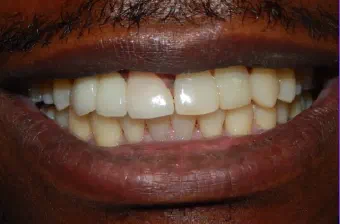
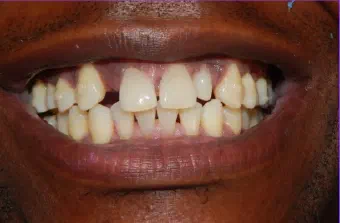
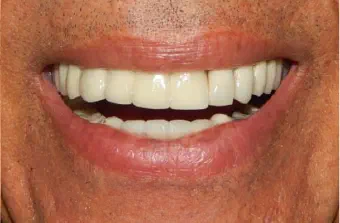
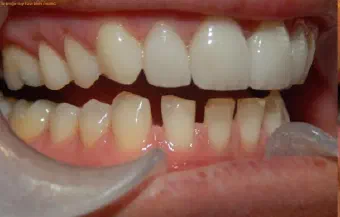
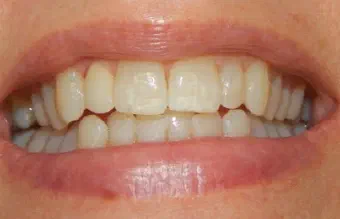
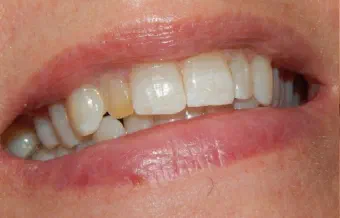
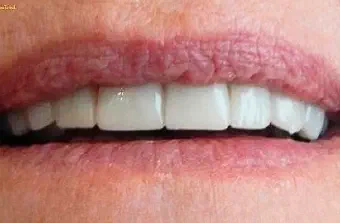
Real patient results

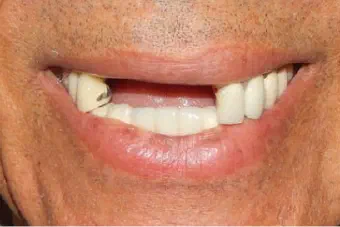
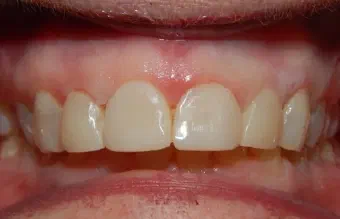
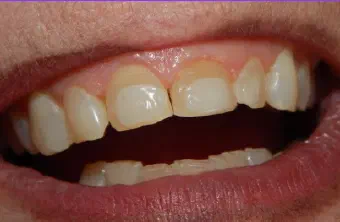
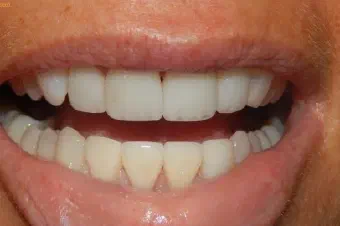
Before & after smile gallery.

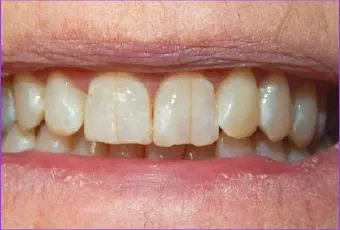
Drag the centre line to compare each real case treated by our dental team. Every smile begins with a personal assessment and a plan shaped around the patient.

Areas We Serve

Neighbourhood dental care, close to home.

Located in Cookstown, Innisfil, our dental team welcomes patients from communities across South Simcoe, Barrie, and northern York Region.

Get directions
  • Cookstown
  • Innisfil
  • Simcoe
  • Lake Simcoe
  • Alcona
  • Stroud
  • Lefroy–Belle Ewart
  • Gilford
  • Churchill
  • Sandy Cove
  • Innisfil Heights
  • Fennell’s Corners
  • Bradford
  • Bradford West Gwillimbury
  • Bond Head
  • Newton Robinson
  • New Tecumseth
  • Alliston
  • Beeton
  • Tottenham
  • Adjala–Tosorontio
  • Everett
  • Loretto
  • Barrie
  • Essa
  • Thornton
  • Baxter
  • Angus
  • Egbert
  • Ivy
  • Utopia
  • York Region
  • East Gwillimbury
  • Queensville
  • Holland Landing
  • Sharon
  • Schomberg
  • Nobleton

Don’t see your community listed? Contact us—we regularly welcome patients from throughout the surrounding region.

Google reviews

Kind words from our patients.

Read what patients have shared about their visits to Cookstown Dental Centre.

A dentist having a friendly consultation with a patient in a bright dental clinic

Your next step

Ready to feel good about your next dental visit?

Whether you are new to the clinic or returning for care, our team is here to make booking simple and answer your questions.

Call Book Now WhatsApp

How can we help?

The Cookstown Dental team is here for you.

Need an appointment, have a question, or want to talk through your options? Choose the next step that works best for you.

Send us a note

We’ll get back to you as soon as we can.