Cookstown Dental Centre
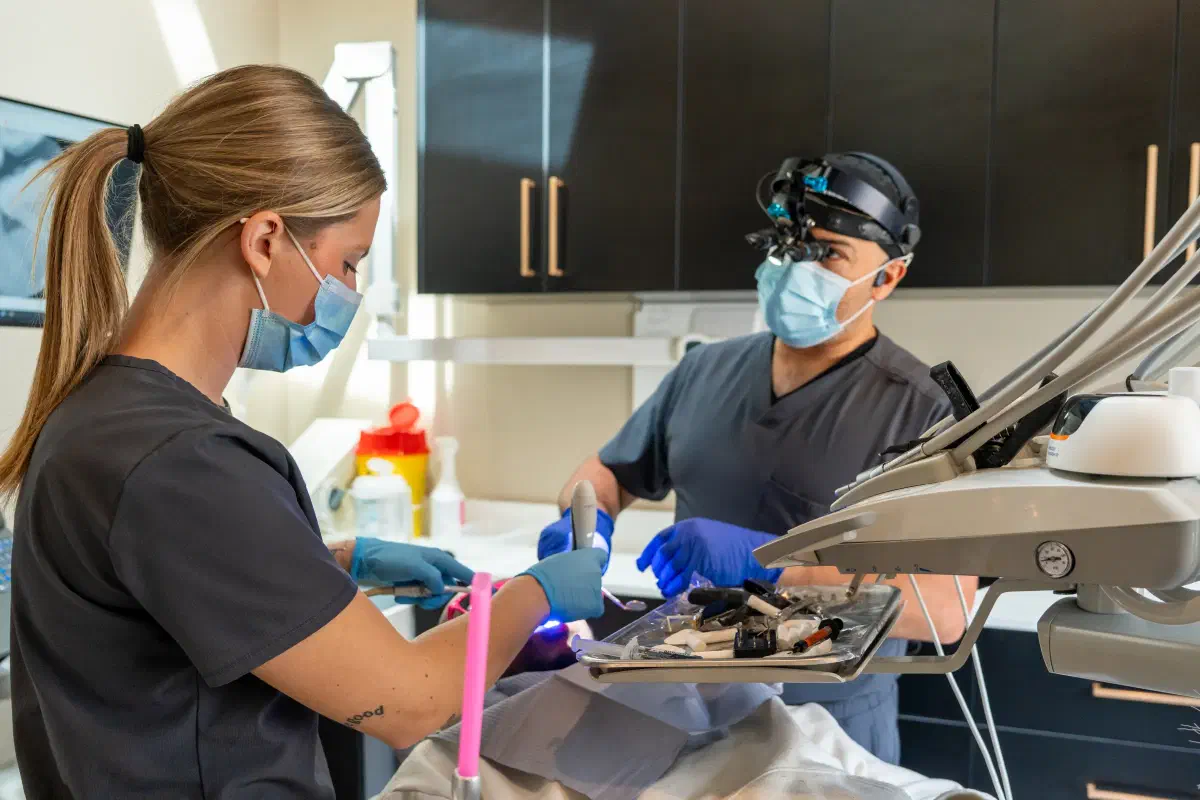
The Cookstown Dental Centre team caring for a patient in a treatment room

Specialized Care · Cookstown

Consider a snoring appliance within a proper assessment.

Explore snoring appliances in Cookstown after appropriate sleep assessment, with attention to custom fit, oral health, comfort, and continued monitoring.

Request an appointment

Let’s find a time that works.

Need urgent dental help? Call (705) 291-2222.

Snoring Appliances in Cookstown

Quieter sleep is a goal—but first we need to understand the snoring.

Snoring can affect sleep and relationships, but the sound alone does not distinguish primary snoring from obstructive sleep apnea. Before an appliance is chosen for snoring, appropriate medical assessment is important so a potentially significant sleep condition is not overlooked. The next step should be guided by that assessment rather than by how loudly or how often a partner reports the sound.

For suitable patients, an oral appliance may be considered within the recommended treatment plan. Dental evaluation then checks whether the teeth, gums, jaw, and existing restorations can support the proposed design. A custom appliance needs fitting, instructions, and follow-up; it is not interchangeable with a general grinding guard or an unassessed device purchased online. If sleep apnea is diagnosed, the treatment and verification pathway must address apnea rather than stopping at reduced snoring.
Dentist explaining a custom snoring appliance to a patient using a clear device and jaw model

A closer look

The questions that come before a device

A useful consultation separates the sleep concern from the dental requirements.

  1. Has sleep apnea been appropriately considered?

    Witnessed breathing pauses, choking or gasping, and daytime sleepiness are important to report, but their absence does not reliably rule out apnea. The medical clinician decides whether testing is needed and how to interpret the symptoms. A dental examination or a partner’s recording cannot establish that snoring is harmless on its own.

  2. What treatment has been recommended?

    Bring any medical report, current therapy details, and the reason an appliance is being considered. Primary snoring and diagnosed sleep apnea have different implications for follow-up. If you already use CPAP or another prescribed treatment, do not stop it because an appliance consultation has been booked or because a device appears more convenient.

What we consider

Dental suitability is more than tooth count

The appliance must be supportable and tolerable in your particular mouth.

Stable teeth and maintainable tissues

The clinician evaluates periodontal support, decay, restorations, missing teeth, and cleaning access. A device may place forces on the teeth, so active disease or unstable support needs attention. Planned crowns or other restorative work can also affect the timing, because an appliance made before major dental changes may soon fit poorly.

Jaw comfort and baseline bite

Jaw movement, existing pain, and the way the teeth meet are recorded before treatment. These findings help judge suitability and provide a reference for later symptoms or bite changes. A device should not be forced into use through significant discomfort, and the proposed design needs to account for relevant oral limitations.

Understanding the options

Choosing an appliance with realistic expectations

Design, purpose, and supervision matter more than the promise on a package.

A professionally planned device

A suitable custom appliance is selected around the clinical findings and recommended treatment purpose. Fitting checks retention, comfort, handling, and the starting relationship of the jaws. If adjustment is part of the design, it follows specific instructions rather than a self-directed attempt to move the jaw as far forward as possible.

A general guard or unassessed product

A standard tooth-protection guard is not automatically a snoring or sleep apnea treatment. An appliance that fits over the teeth can still be inappropriate for the intended purpose or place harmful pressure on oral structures. Discuss products you already own with the clinician instead of assuming comfort means they are suitable or effective.

Practical guidance

Using the appliance and reviewing the response

The follow-up plan should include the mouth as well as the sleep concern.

Observe comfort and practical use

Record how consistently you can use the device and whether it causes tooth pressure, jaw soreness, dryness, or a lasting bite change. Tell the provider about difficulties inserting or removing it. These observations help guide an appropriate fit review and prevent an uncomfortable device from becoming something you quietly stop using.

Keep medical questions in view

Changes in snoring are useful feedback, but new breathing pauses, sleepiness, or other sleep concerns require medical attention. If apnea is part of the diagnosis, objective follow-up is needed to assess treatment effectiveness. Reduced sound should not be used as the sole reason to declare the condition controlled or stop another prescribed therapy.

Planning together

Long-term care for the device and teeth

A good initial fit is followed by maintenance and reassessment when circumstances change.

Care for the material and components

Use the recommended cleaning and storage instructions, avoiding heat, harsh products, and improvised repairs. Bring the appliance to relevant dental reviews and report cracks, loose parts, or a mechanism that no longer works properly. Damage can affect retention and jaw position even when the device still appears wearable.

Reassess after dental or health changes

A new crown, extraction, changing gum support, or persistent jaw symptoms may alter suitability. Health or weight changes and renewed sleep symptoms may also require medical review. Replacement or adjustment should be based on those findings rather than a routine assumption that the same device and setting will remain appropriate indefinitely.

Frequently asked questions

Questions about snoring appliances

Can a snoring appliance be made without checking for sleep apnea?

Appropriate medical assessment should come first so apnea is not missed. Snoring alone cannot distinguish primary snoring from a sleep-related breathing disorder, and the treatment and follow-up need to match the diagnosis.

Is this the same appliance as a nightguard for grinding?

Not necessarily. A protective nightguard and a sleep-related oral appliance have different purposes and designs. Do not assume that a guard made to protect teeth will treat snoring or obstructive sleep apnea.

Will a custom appliance stop all snoring?

Results vary, and no device should be presented as a guaranteed solution for every person. Suitability, fit, use, and the underlying sleep condition matter. The response should be reviewed within the recommended medical and dental plan.

Can I use an online appliance instead?

Discuss any device with a qualified clinician before relying on it. Fit, retention, oral support, and the underlying diagnosis need assessment. A product that seems comfortable may still be unsuitable or may reduce sound without addressing a significant sleep condition.

What if the appliance causes jaw pain?

Report persistent or significant pain and follow the provider’s instructions about use. The fit, jaw position, and other possible causes need assessment. Do not keep advancing or forcing the device in the hope that discomfort will resolve automatically.

Does quieter snoring mean sleep apnea is treated?

No. Reduced snoring does not establish control of apnea. If apnea is diagnosed, the medical team uses appropriate follow-up testing and clinical review to evaluate effectiveness, alongside dental checks of the appliance and mouth.

Will I need continuing dental reviews?

Yes. Teeth, gums, jaw comfort, bite contacts, and the condition of the device need monitoring. Report new dental work, fit changes, damage, or persistent symptoms so the appliance remains appropriate for your current oral condition.

Real patient results

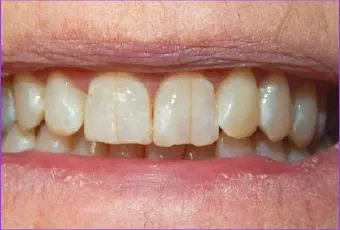
Before & after smile gallery.

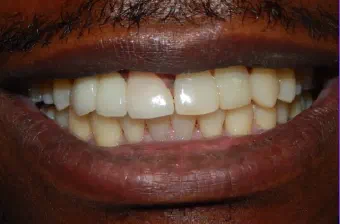
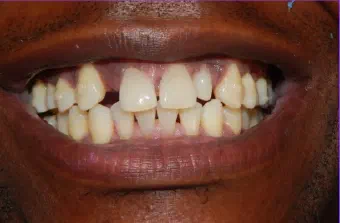
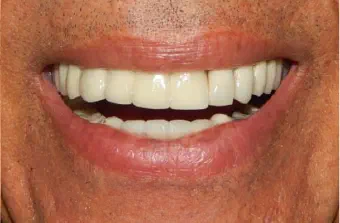
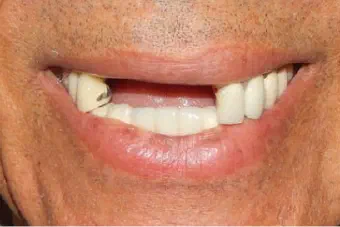
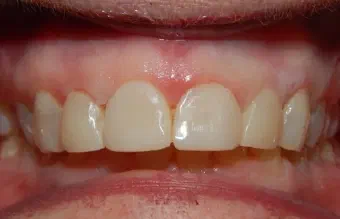
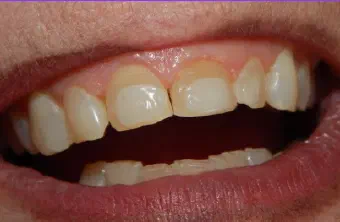
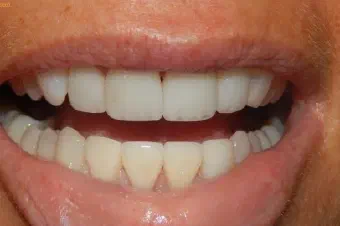
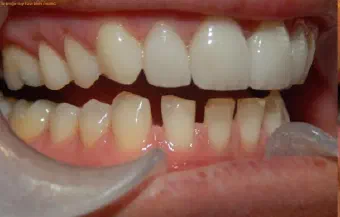
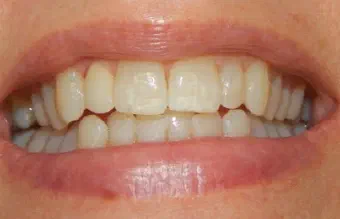
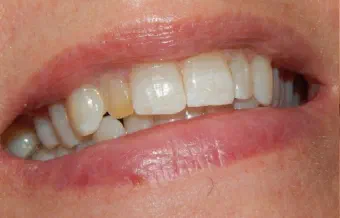
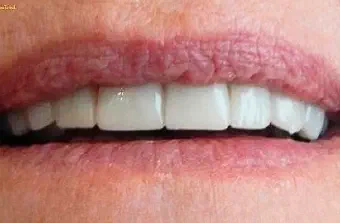
Drag the centre line to compare each real case treated by our dental team. Every smile begins with a personal assessment and a plan shaped around the patient.

Areas We Serve

Neighbourhood dental care, close to home.

Located in Cookstown, Innisfil, our dental team welcomes patients from communities across South Simcoe, Barrie, and northern York Region.

Get directions
  • Cookstown
  • Innisfil
  • Simcoe
  • Lake Simcoe
  • Alcona
  • Stroud
  • Lefroy–Belle Ewart
  • Gilford
  • Churchill
  • Sandy Cove
  • Innisfil Heights
  • Fennell’s Corners
  • Bradford
  • Bradford West Gwillimbury
  • Bond Head
  • Newton Robinson
  • New Tecumseth
  • Alliston
  • Beeton
  • Tottenham
  • Adjala–Tosorontio
  • Everett
  • Loretto
  • Barrie
  • Essa
  • Thornton
  • Baxter
  • Angus
  • Egbert
  • Ivy
  • Utopia
  • York Region
  • East Gwillimbury
  • Queensville
  • Holland Landing
  • Sharon
  • Schomberg
  • Nobleton

Don’t see your community listed? Contact us—we regularly welcome patients from throughout the surrounding region.

Google reviews

Kind words from our patients.

Read what patients have shared about their visits to Cookstown Dental Centre.

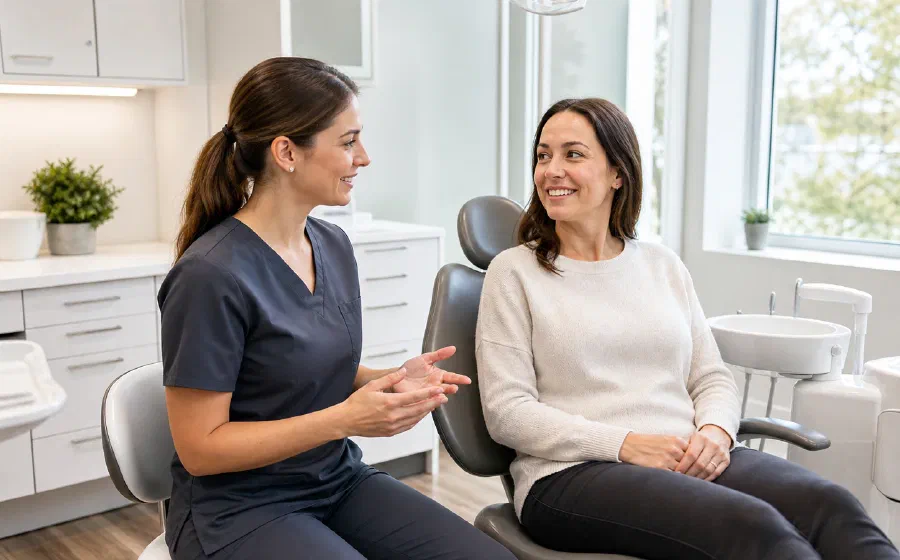
A dentist having a friendly consultation with a patient in a bright dental clinic

Your next step

Ready to feel good about your next dental visit?

Whether you are new to the clinic or returning for care, our team is here to make booking simple and answer your questions.

Call Book Now WhatsApp

How can we help?

The Cookstown Dental team is here for you.

Need an appointment, have a question, or want to talk through your options? Choose the next step that works best for you.

Send us a note

We’ll get back to you as soon as we can.