Snoring may be occasional or persistent, and the person who hears it may be more aware of it than the person who snores. Describing the pattern is helpful, but loudness alone does not tell us whether breathing is repeatedly obstructed during sleep. A quiet night also cannot rule out a sleep-related breathing problem.
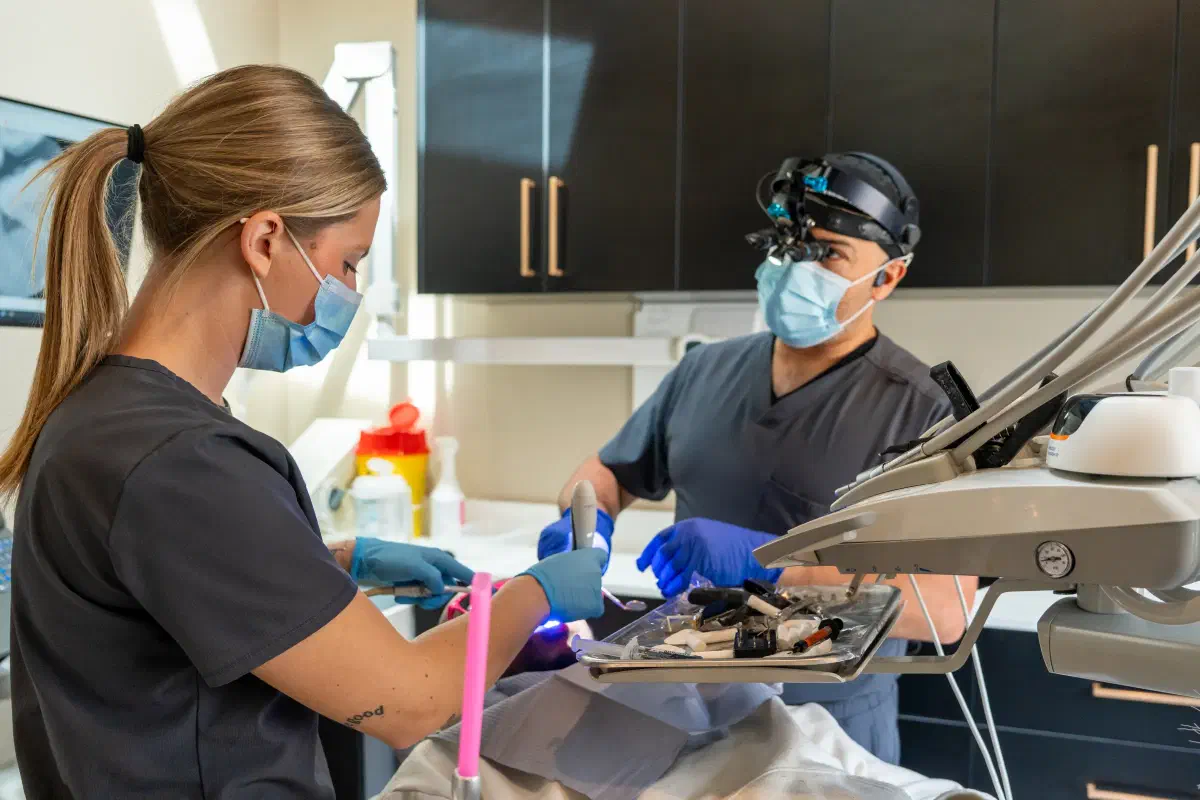
A dental snoring assessment gathers relevant history, reviews the mouth and jaw, and helps identify the appropriate next step. When obstructive sleep apnea is possible, medical evaluation and testing are needed to establish the diagnosis. Dental findings can contribute to that pathway, but they do not replace it. The aim is to avoid jumping from a symptom directly to an appliance and instead build a plan that reflects your sleep health, oral condition, and practical concerns.