Cookstown Dental Centre
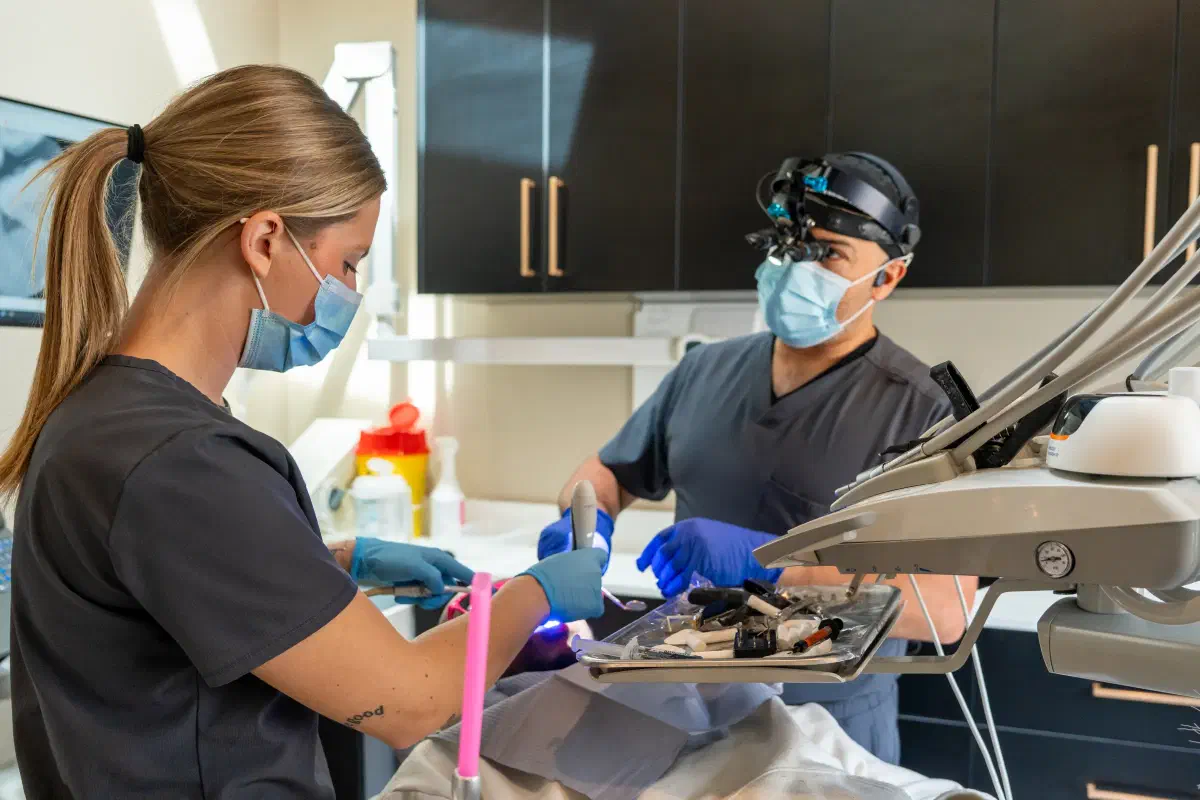
The Cookstown Dental Centre team caring for a patient in a treatment room

Restorative Dentistry · Cookstown

Consider a cushioning denture lining with a clear care plan.

Soft denture relines can cushion selected tissue surfaces. Explore temporary and longer-term uses, cleaning limits, fit assessment, and when replacement is needed.

Request an appointment

Let’s find a time that works.

Need urgent dental help? Call (705) 291-2222.

Soft Denture Relines in Cookstown

A softer surface can help in selected cases, but it does not correct every denture problem.

A soft denture reline places a cushioning material on the tissue-facing surface of an appropriate denture. It may be considered for selected tissue or comfort needs, including some transitional situations. The material, intended duration, and purpose vary; a temporary tissue-conditioning approach is not automatically the same as a longer-term soft liner.

At Cookstown Dental Centre, the denture and mouth are assessed before a lining material is chosen. Soreness may involve pressure, infection, a lesion, poor fit, or another condition that needs separate care. A soft surface should not conceal an unresolved diagnosis or compensate for an appliance with unsuitable teeth, bite, or structure. The plan should explain what improvement is expected, how the liner is cleaned, and when its condition will be reviewed.

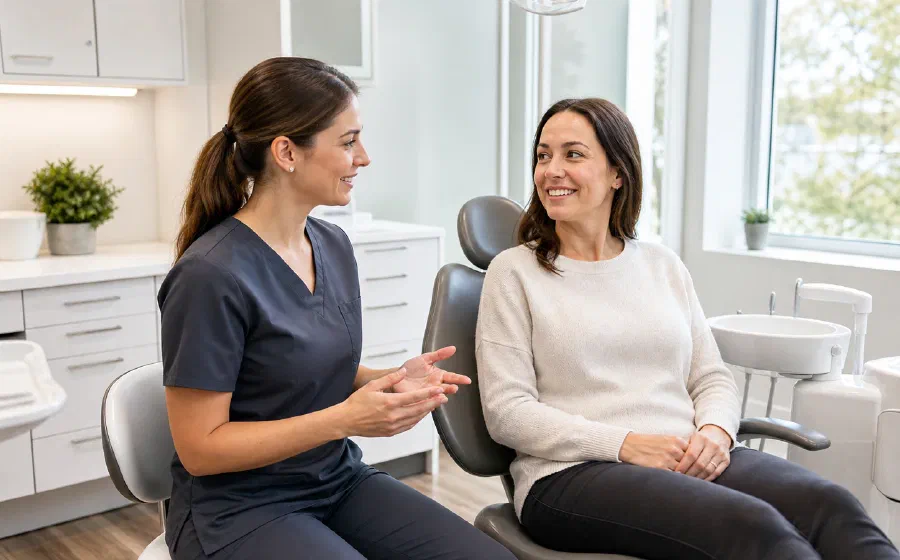
A dentist discussing a soft-lined denture and tissue comfort with a patient

What we consider

Find out why the tissue surface needs attention.

Cushioning is useful only when it fits the diagnosed problem.

Tender or changing supporting tissues

Some patients have tissues that need a carefully planned cushioning or conditioning approach. Recent extractions and other changes can also affect the fit. The clinician examines the area and explains whether the material is intended as an interim measure or part of a longer-term denture plan.

Denture adaptation and pressure distribution

A lining changes the tissue-facing surface but does not automatically correct every contact or design problem. The base, borders, and bite are assessed together. If the appliance rocks or loads unevenly, the underlying cause may need treatment rather than simply adding softer material.

Persistent sores or inflammatory changes

An ulcer, infection, or other tissue condition needs diagnosis and appropriate management. Not every sore area is caused by a hard denture base. A liner should not be used to postpone assessment of a lesion that persists, changes, or does not behave like an ordinary pressure spot.

Understanding the options

Distinguish short-term conditioning from an ongoing liner.

Different materials have different purposes and maintenance expectations.

A temporary soft or conditioning material

This may be used in selected transitional care while tissues change or recover. It requires review and may need renewal or replacement as its properties change. Ask what the material is intended to accomplish and which next treatment stage is expected rather than assuming it is a permanent solution.

A longer-term soft lining

Some materials are intended for a longer service period in suitable cases, with their own cleaning and review needs. They can still harden, stain, deteriorate, or separate over time. The provider should explain the limits and alternatives, including whether a conventional hard reline or new denture is more appropriate.

Care that fits

Make sure the existing denture is worth relining.

A useful lining depends on the condition of the rest of the appliance.

Assess teeth, base, and contacts

Worn teeth, cracks, or an unsuitable arrangement may limit the value of adding a liner. The dentist should explain whether the appliance remains serviceable as a whole. Relining a poor foundation may offer only limited benefit and should not be presented as equivalent to replacing an extensively worn denture.

Clarify the procedure and period without the appliance

The chosen material and technique determine whether work is performed clinically, through a laboratory, or in stages. Ask about appointment timing and any temporary arrangements. If tissues first need treatment, the lining schedule should reflect that rather than rushing to record an unstable surface.

The appointment

Fit the liner, review the tissues, and adjust the plan.

Comfort at delivery is a starting point for monitoring, not the only measure of suitability.

  1. Prepare and apply the indicated material

    The clinician follows the selected technique after assessing the denture and tissues. The intended purpose and duration should already be clear. If the findings suggest a different approach, the plan may change rather than adding a soft material solely because it was requested before examination.

  2. Check seating, bite, and pressure

    The appliance is assessed in the mouth after the procedure. A changed tissue surface can affect how the teeth meet and how the denture seats. Explain remaining discomfort or instability so the provider can distinguish an adjustment need from a problem the liner cannot resolve.

  3. Reassess material condition and tissue response

    Follow-up checks whether the intended benefit is being achieved and whether the material remains suitable. A temporary conditioner may need replacement or progression to definitive care. Do not assume that initial comfort removes the need to review the tissues and plan the next stage.

Planning together

Use cleaning instructions made for the actual liner.

Soft lining materials may need different care from a conventional acrylic base.

Confirm compatible products and methods

Ask which brush, cleanser, soaking routine, and storage method suit the material. Harsh scrubbing, unsuitable chemicals, or hot water can damage some liners. Follow the supplied instructions rather than applying a routine that worked for a previous unlined denture or another person’s appliance.

Report separation, hardening, odour, or returning soreness

Changes in the liner can affect hygiene and fit. Contact the clinic rather than peeling, trimming, or replacing the material at home. The dentist assesses whether renewal, a different reline, tissue care, or denture replacement is appropriate for the current condition.

Frequently asked questions

Questions about soft denture relines

Is a soft reline the same as a hard reline?

Both alter the tissue-facing fit, but they use materials with different properties and indications. A soft liner provides cushioning in selected situations. The dentist should explain why that approach is appropriate rather than assume softer always means a better fit.

Will a soft liner cure every sore spot?

No. Pressure, poor contacts, infection, or another tissue condition may need different treatment. The mouth should be examined before adding a liner. Persistent or unusual sores should not be covered over without assessing their cause.

How long will the lining last?

The intended service period depends on the material, purpose, appliance, and care. Temporary conditioners and longer-term liners differ. Ask for the expected review and replacement plan rather than assume all soft materials remain suitable for the same length of time.

Can I use my usual denture cleaner?

Confirm compatibility with the specific liner. Some cleaning products or techniques can damage soft materials. Follow the instructions provided for your appliance and bring the product name to the clinic if you are uncertain about its suitability.

Can a soft reline make a loose denture stable?

It may help selected fit or tissue needs, but looseness can also involve the bite, base, tooth wear, or attachments. Those factors need assessment. A liner should not be used as a universal substitute for correcting an unsuitable denture.

What if the liner starts peeling away?

Contact the clinic and avoid pulling, trimming, or gluing the material yourself. Separation can affect fit and hygiene and may require replacement or a different treatment. The appliance and tissues should be reassessed rather than adding another home layer.

Will I eventually need a new denture?

Possibly, depending on the appliance’s overall condition and the purpose of the liner. Some linings are transitional, while others support ongoing use of a suitable denture. The plan should identify any expected definitive treatment and how progress will be reviewed.

Real patient results

Before & after smile gallery.

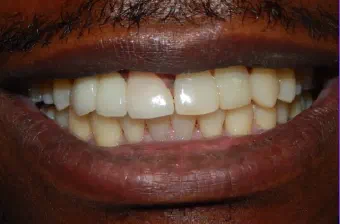
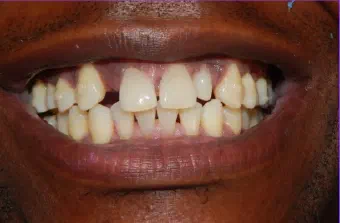
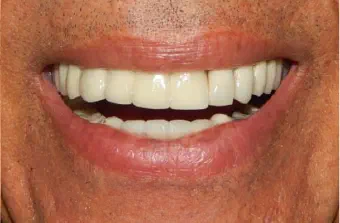
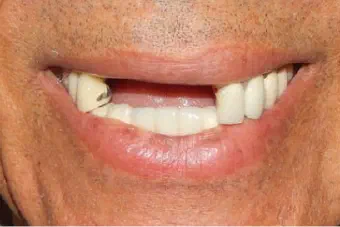
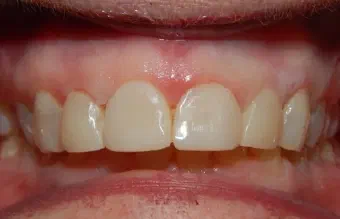
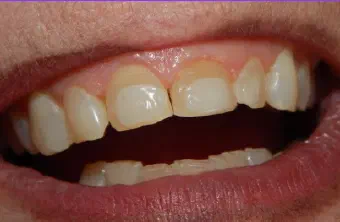
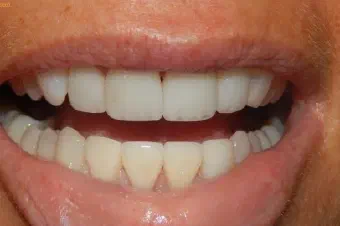
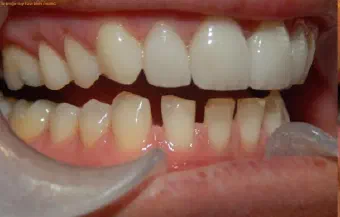
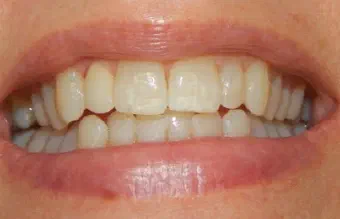
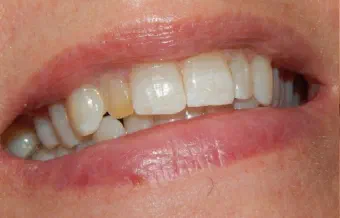
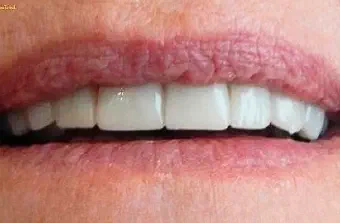
Drag the centre line to compare each real case treated by our dental team. Every smile begins with a personal assessment and a plan shaped around the patient.

Areas We Serve

Neighbourhood dental care, close to home.

Located in Cookstown, Innisfil, our dental team welcomes patients from communities across South Simcoe, Barrie, and northern York Region.

Get directions
  • Cookstown
  • Innisfil
  • Simcoe
  • Lake Simcoe
  • Alcona
  • Stroud
  • Lefroy–Belle Ewart
  • Gilford
  • Churchill
  • Sandy Cove
  • Innisfil Heights
  • Fennell’s Corners
  • Bradford
  • Bradford West Gwillimbury
  • Bond Head
  • Newton Robinson
  • New Tecumseth
  • Alliston
  • Beeton
  • Tottenham
  • Adjala–Tosorontio
  • Everett
  • Loretto
  • Barrie
  • Essa
  • Thornton
  • Baxter
  • Angus
  • Egbert
  • Ivy
  • Utopia
  • York Region
  • East Gwillimbury
  • Queensville
  • Holland Landing
  • Sharon
  • Schomberg
  • Nobleton

Don’t see your community listed? Contact us—we regularly welcome patients from throughout the surrounding region.

Google reviews

Kind words from our patients.

Read what patients have shared about their visits to Cookstown Dental Centre.

A dentist having a friendly consultation with a patient in a bright dental clinic

Your next step

Ready to feel good about your next dental visit?

Whether you are new to the clinic or returning for care, our team is here to make booking simple and answer your questions.

Call Book Now WhatsApp

How can we help?

The Cookstown Dental team is here for you.

Need an appointment, have a question, or want to talk through your options? Choose the next step that works best for you.

Send us a note

We’ll get back to you as soon as we can.