Cookstown Dental Centre
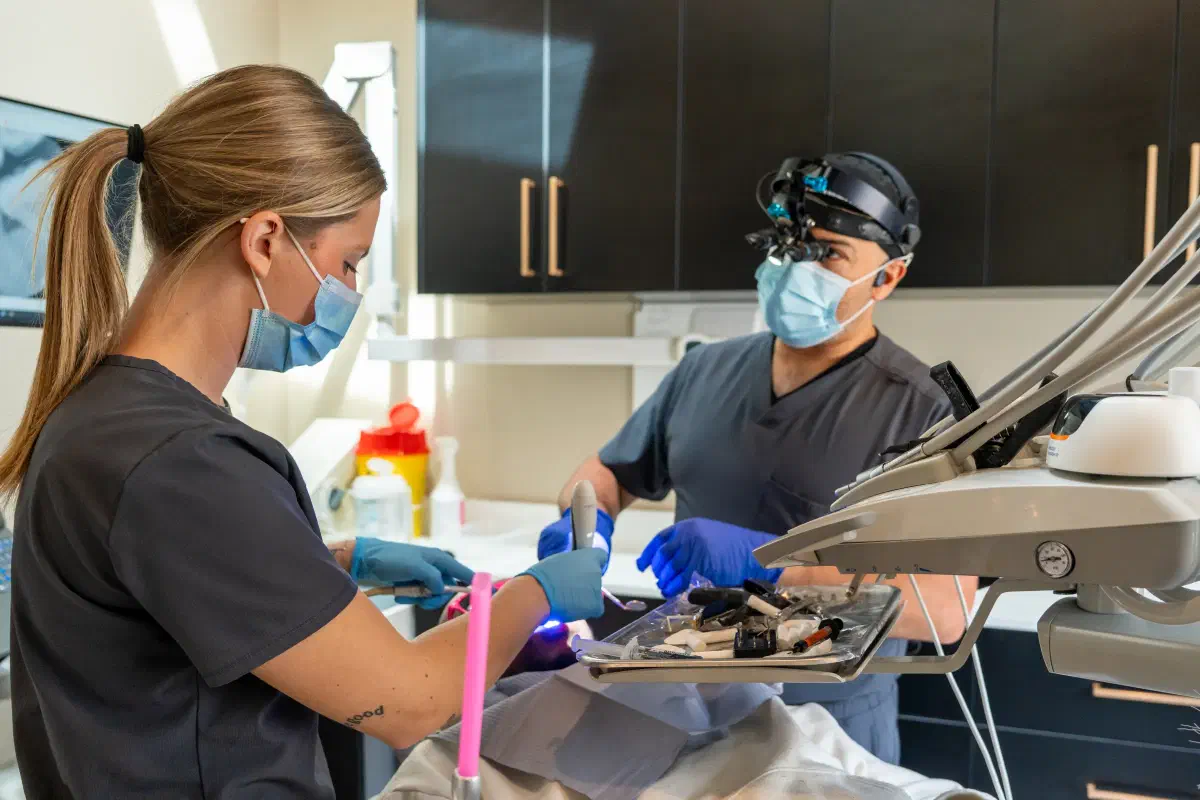
The Cookstown Dental Centre team caring for a patient in a treatment room

Children’s Dentistry · Cookstown

Help children build cleaning skills that last.

Teeth cleaning guidance for children combines hands-on instruction, caregiver support, and professional care suited to each stage of growing independence.

Request an appointment

Let’s find a time that works.

Need urgent dental help? Call (705) 291-2222.

Teeth Cleaning for Children in Cookstown

Turn “brush your teeth” into a skill your child can use.

Knowing that teeth need cleaning does not automatically make the routine easy. A young child may resist the brush, a school-age child may rush, and an older child may miss the new molars at the back. Useful guidance starts with seeing what actually happens at home and choosing a technique that the child and caregiver can repeat.

At Cookstown Dental Centre, we use cleaning visits and examinations to help families understand where extra support is needed. We can demonstrate brushing and between-teeth cleaning, discuss suitable products, and connect those skills with professional care. This page focuses on building the daily routine; our Children’s Teeth Cleaning page explains the professional cleaning appointment itself.

A hygienist demonstrating brushing on a dental model with a child and caregiver

A closer look

Let responsibility grow with ability.

Age is only part of deciding how much help a child needs. Coordination, attention, sensory preferences, and the condition of the teeth also matter.

  1. Caregiver-led cleaning

    Young children depend on an adult to reach the teeth thoroughly and manage toothpaste amounts. Letting a child hold a brush can make the routine familiar, but it does not replace the caregiver’s role. Ask us to demonstrate a safe position that gives you a clear view of the mouth.

  2. Shared practice

    As skills develop, a child can practise first and an adult can help finish or check difficult areas. Keep the routine predictable and the feedback specific. Instead of simply asking for more brushing, show which surface was missed and how to reach it without pressing harder.

  3. Supported independence

    Older children may take on more responsibility while still needing reminders or occasional checks. New adult teeth and appliances can make an established routine harder. Dental reviews help assess whether the technique is effective and whether independence needs to be balanced with more support for a particular area.

Practical guidance

Make the technique specific enough to practise.

A short demonstration can be more useful than a long list of instructions. Bring the products you use and ask to practise the part that feels awkward.

Reach every surface

Work around the outside, inside, and chewing surfaces in a consistent order so difficult spots are less likely to be skipped. Use a soft brush that fits the child’s mouth. We can demonstrate the angle near the gums and how to reach the back without aggressive scrubbing.

Clean between close teeth

Where teeth touch closely, brushing alone does not clean every contact area. A caregiver may need to help with floss or an appropriate alternative. Ask for a demonstration that fits your child’s mouth and hand skills, including how to avoid snapping a product into the gums.

Use the right toothpaste amount

Product choice and amount should match age and risk. For a child under three, discuss fluoride use with a dental professional following Canadian guidance. Supervise young children and ask for a clear demonstration rather than assuming the amount shown in an advertisement is appropriate for them.

Care that fits

Work with the obstacles your family actually faces.

A routine is more likely to last when it fits the child. Tell us what happens on a difficult day so advice addresses the real barrier.

Taste and sensory preferences

Some children struggle with toothpaste flavour, foam, brush texture, or vibration. Describe the specific sensation rather than assuming they dislike all cleaning. We can discuss suitable alternatives and a gradual introduction, while keeping the goal of effective cleaning and appropriate preventive protection in view.

Rushing and distraction

A consistent sequence, a familiar cue, and an adult nearby can help a child who rushes. Choose one adjustment at a time and see whether it changes the missed areas. The aim is thorough cleaning with a calm routine, not a race or an argument about who finished first.

Coordination and additional needs

A child with limited hand control or other healthcare needs may require ongoing assistance or an adapted approach. Tell us about comfortable positions, communication preferences, and equipment already used. Advice should support the child’s abilities and the caregiver’s practical needs instead of relying on an age-based expectation of independence.

What we consider

Connect home practice with professional care.

Dental visits help show whether the routine is working and where it needs adjustment. They are a place to troubleshoot, not to hide the difficult parts.

Review the areas being missed

We can point out where deposits remain and demonstrate a targeted change. Bring a brush or describe the usual routine if that helps. A child who cleans regularly may still miss the same surface each day, so the useful next step is often a technique adjustment rather than more reminders.

Plan cleaning and examination needs

Professional cleaning addresses deposits that need clinical attention, while an examination assesses oral health and development. The interval depends on individual findings. Keep both in view and report pain, persistent bleeding, or swelling rather than treating every symptom as a sign that your child should simply brush harder.

Frequently asked questions

Questions about teeth cleaning for children

When can my child brush without help?

It depends on coordination, attention, and the ability to reach all surfaces, not a birthday alone. Many children need adult help well into school age. Ask us to review the technique and identify what your child can manage independently.

Is an electric brush better for children?

Either a suitable manual or electric brush can be useful when it is used effectively. Comfort, brush size, and the child’s response matter. An electric brush does not remove the need for supervision or help with missed areas.

How can I clean teeth when my child resists?

Start by identifying whether the difficulty is taste, sensation, position, tiredness, or something painful. Keep the approach calm and ask for a demonstration. Persistent resistance or discomfort deserves discussion rather than escalating pressure without understanding the cause.

When should we start cleaning between teeth?

When teeth touch closely, between-teeth cleaning may be needed, often with caregiver help. The dentist or hygienist can show which contacts need attention and demonstrate a suitable method. Do not assume every child can manage floss independently.

What if gums bleed during cleaning?

Bleeding can occur with inflammation or an unsuitable technique, but persistent bleeding needs assessment. Continue gentle care unless advised otherwise and tell the dental team. Brushing harder or stopping cleaning indefinitely is not a reliable solution.

Does my child need mouthwash?

Not automatically. Suitability depends on the product, purpose, age, and ability to spit reliably. Ask before adding a rinse, particularly for young children. It does not replace brushing or appropriate cleaning between teeth.

Can professional cleaning replace help at home?

No. Professional visits and daily cleaning have complementary roles. The appointment can remove deposits and refine technique, while regular home care manages the buildup between visits. Ask for advice that another caregiver can follow consistently as well.

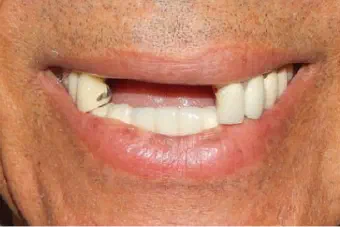
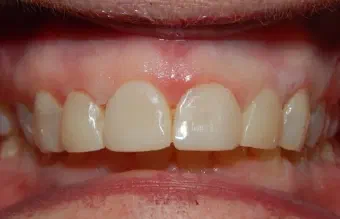
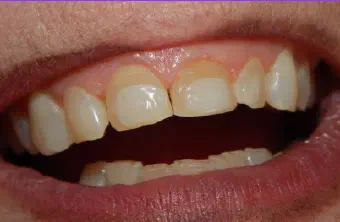
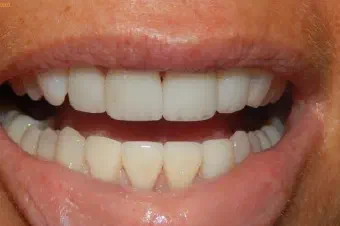
Real patient results

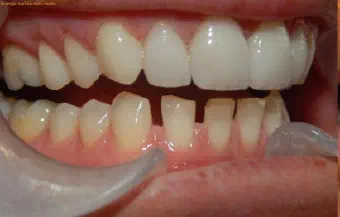
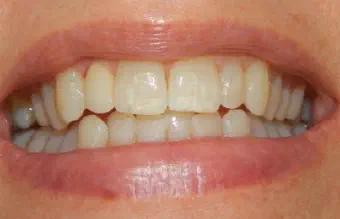
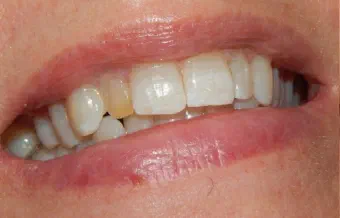
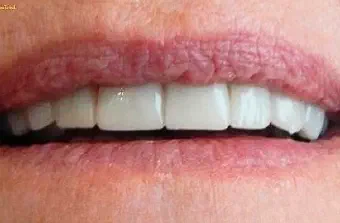
Before & after smile gallery.

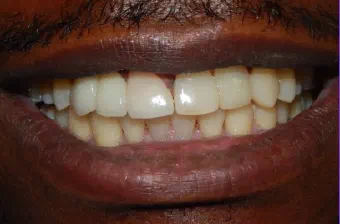
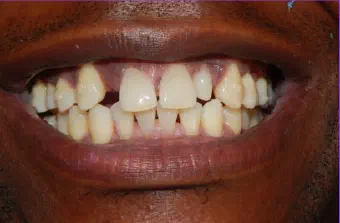
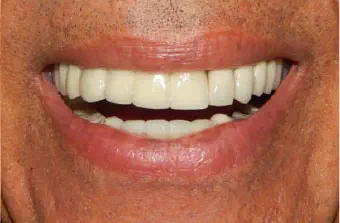
Drag the centre line to compare each real case treated by our dental team. Every smile begins with a personal assessment and a plan shaped around the patient.

Areas We Serve

Neighbourhood dental care, close to home.

Located in Cookstown, Innisfil, our dental team welcomes patients from communities across South Simcoe, Barrie, and northern York Region.

Get directions
  • Cookstown
  • Innisfil
  • Simcoe
  • Lake Simcoe
  • Alcona
  • Stroud
  • Lefroy–Belle Ewart
  • Gilford
  • Churchill
  • Sandy Cove
  • Innisfil Heights
  • Fennell’s Corners
  • Bradford
  • Bradford West Gwillimbury
  • Bond Head
  • Newton Robinson
  • New Tecumseth
  • Alliston
  • Beeton
  • Tottenham
  • Adjala–Tosorontio
  • Everett
  • Loretto
  • Barrie
  • Essa
  • Thornton
  • Baxter
  • Angus
  • Egbert
  • Ivy
  • Utopia
  • York Region
  • East Gwillimbury
  • Queensville
  • Holland Landing
  • Sharon
  • Schomberg
  • Nobleton

Don’t see your community listed? Contact us—we regularly welcome patients from throughout the surrounding region.

Google reviews

Kind words from our patients.

Read what patients have shared about their visits to Cookstown Dental Centre.

A dentist having a friendly consultation with a patient in a bright dental clinic

Your next step

Ready to feel good about your next dental visit?

Whether you are new to the clinic or returning for care, our team is here to make booking simple and answer your questions.

Call Book Now WhatsApp

How can we help?

The Cookstown Dental team is here for you.

Need an appointment, have a question, or want to talk through your options? Choose the next step that works best for you.

Send us a note

We’ll get back to you as soon as we can.