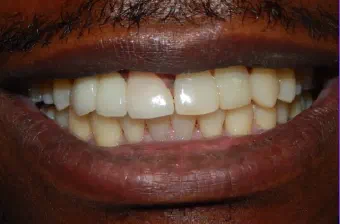
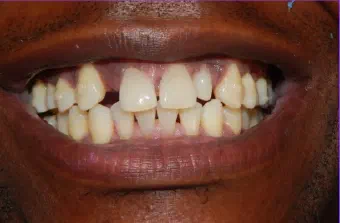
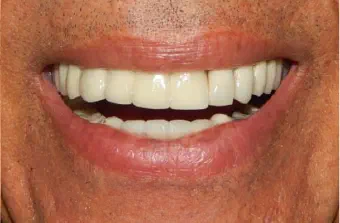
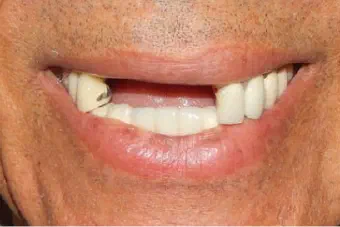
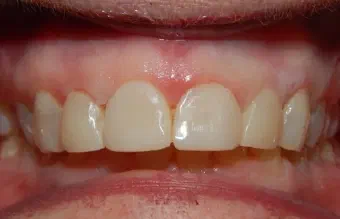
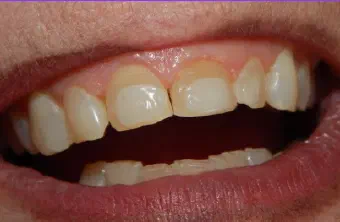
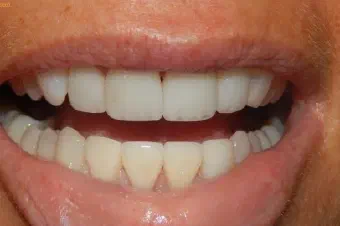
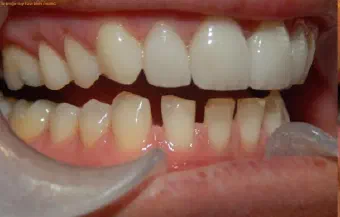
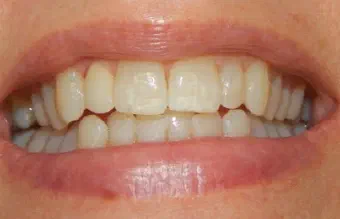
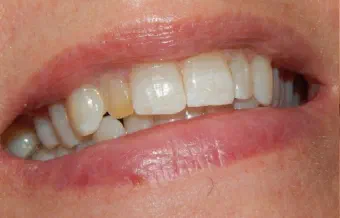
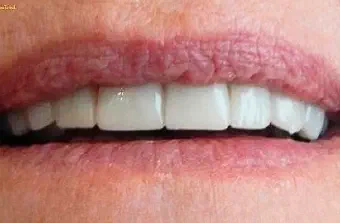
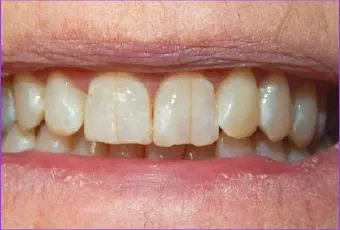
Grinding brings the teeth into repeated contact and movement, and it can contribute to wear or damage in some people. It may occur during sleep or while awake, sometimes alongside clenching. A partner’s report, a chipped restoration, or a change in tooth shape can prompt an assessment, but no single finding tells us how often grinding occurs or whether it is the only cause of the damage.
Teeth can also wear through acid exposure, abrasion, and other factors, with several processes acting together. Treatment therefore starts by identifying the pattern and what needs protection or repair. Bruxism is the broader term often used for grinding and clenching activity; this page focuses on grinding-related concerns and their dental consequences. A practical plan addresses vulnerable teeth, realistic appliance goals, relevant habits or sleep symptoms, and follow-up without promising that a guard will eliminate every grinding episode.