Cookstown Dental Centre
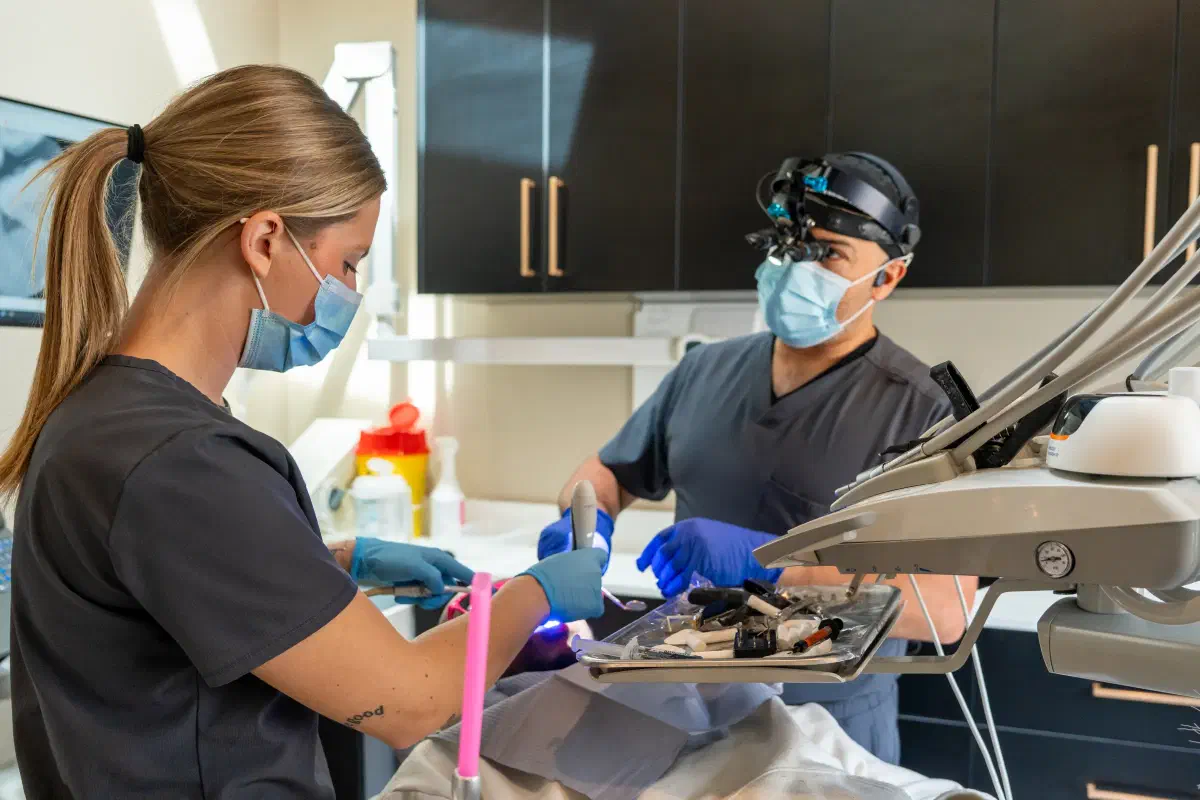
The Cookstown Dental Centre team caring for a patient in a treatment room

Cosmetic Dentistry · Cookstown

Start with the cause of sensitivity before planning a brighter shade.

Sensitive teeth need assessment before whitening. Explore causes of discomfort, suitability, gentler planning, and alternatives when bleaching is not appropriate.

Request an appointment

Let’s find a time that works.

Need urgent dental help? Call (705) 291-2222.

Teeth Whitening for Sensitive Teeth in Cookstown

The first decision is whether whitening is suitable for your sensitive teeth.

A sharp response to cold, discomfort while brushing, or a tooth that aches after whitening can have different causes. Sensitivity is a symptom to assess, not a reason to assume that every bleaching product is unsuitable or that a product labelled gentle will solve the problem. The condition of the tooth and gums determines what should happen before an elective colour change.

At Cookstown Dental Centre, we discuss your symptoms and any previous whitening experience before recommending a method. This page focuses on preparing for whitening when sensitivity already exists. Depending on the findings, the plan may involve treating a dental problem first, adjusting expectations, choosing a supervised approach, or postponing bleaching. Comfort should be part of the initial decision, with clear instructions about what to report if treatment goes ahead.

A patient describing tooth sensitivity before a whitening consultation

Planning together

Describe the sensitivity before choosing a product.

The pattern can help the dentist decide what needs examination and whether the symptom fits a straightforward sensitivity concern.

What triggers the discomfort

Explain whether cold, heat, sweet foods, brushing, or biting causes the response. Say whether it is brief or lingers and whether it affects one tooth or several. These details matter because a localized or persistent problem may need a different assessment from a general short response to cold.

When it began and how it has changed

Mention recent dental work, gum changes, injury, or a previous whitening course. Bring the product name and instructions if available. The clinician needs to distinguish a reaction associated with bleaching from a symptom that existed beforehand or a new dental problem that happened at the same time.

What you have already tried

Tell us about desensitizing toothpaste, home remedies, whitening strips, gels, and changes in brushing. Using several products can make the history harder to interpret. A clear account helps the dentist assess the situation without assuming that a stronger or differently marketed product is the next logical step.

What we consider

Check for issues that whitening will not fix.

A cosmetic treatment should not distract from the reason a tooth is uncomfortable.

Decay, cracks, and defective restorations

Some symptoms need assessment for a tooth problem rather than management as routine bleaching sensitivity. The dentist examines relevant areas and recommends further records if indicated. Whitening does not treat decay or repair a crack, and changing the tooth colour should not delay appropriate care for either concern.

Exposed roots and gum conditions

Recession or other tissue findings can influence sensitivity and how a whitening method is applied. The clinician considers which surfaces are exposed and whether the gums need attention first. A comfortable and suitable plan depends on those findings, not just on the shade of the visible enamel.

Existing restorations and uneven colour

A sensitive tooth may also contain a filling or crown that will not lighten like natural tooth structure. Discuss the expected colour balance before taking on the treatment burden. If whitening is unlikely to address the actual mismatch, another approach or accepting the current shade may be more reasonable.

Understanding the options

Choose a path that fits the findings.

There is no single sensitive-teeth whitening protocol that can be prescribed from a symptom label alone.

Proceed with a clinician-directed plan

If bleaching is appropriate, the dentist can discuss the method, exposure, and measures that may help manage sensitivity. Instructions should include what to do if discomfort develops. A tailored approach aims to balance the desired colour change with tolerance, without guaranteeing that treatment will be entirely symptom-free.

Treat, postpone, or choose another option

An underlying problem may need care before whitening is reconsidered. In some situations cleaning surface stains, changing the cosmetic goal, or declining bleaching is a better fit. The reason should be explained clearly so postponement is understood as a clinical decision rather than simply a failed attempt to find a gentler product.

Practical guidance

Prepare for treatment with clear limits.

If whitening is chosen, the practical instructions should make it easy to respond appropriately to symptoms.

Use only the agreed products and schedule

Keep the prescribed instructions and avoid combining systems or extending exposure on your own. A product marketed for sensitive teeth is not automatically appropriate for every condition. If the proposed pace feels difficult or the result seems slow, discuss it before changing the method.

Know which symptoms need a review

Ask how to distinguish a mild expected reaction from discomfort that warrants stopping and contacting the clinic. Persistent pain, a localized problem, or symptoms that differ from your usual sensitivity need assessment. Do not assume that enduring more discomfort is necessary to achieve a better shade.

Allow time for reassessment

Avoid setting a cosmetic deadline that leaves no room for examination or adjustment. A slower or interrupted plan may be appropriate if sensitivity develops. Discuss upcoming events honestly so the dentist can help set realistic expectations without treating a calendar date as a reason to intensify exposure.

Frequently asked questions

Questions about teeth whitening for sensitive teeth

Can sensitive teeth be whitened at all?

Sometimes, after the cause and suitability have been assessed. The plan may need modification or preparatory treatment. Sensitivity does not establish one universal answer, and a product label cannot replace an examination when symptoms are persistent, localized, or unexplained.

Should I treat sensitivity before whitening?

The dentist should assess it first and decide what needs care. Some causes require treatment before elective bleaching. Even when whitening remains appropriate, understanding the starting symptoms helps distinguish a new reaction from a problem that was already present.

Will desensitizing toothpaste make whitening painless?

It may be part of the clinician’s advice in selected situations, but it does not guarantee comfort or treat every cause of sensitivity. Use it as directed and report continuing symptoms. It should not be used to mask a problem that needs examination.

Is in-office whitening gentler than home whitening?

Neither setting is automatically gentler for every patient. The product, exposure, fit, and individual condition matter. Discuss the proposed method and why it suits your sensitivity history rather than choosing solely by where the treatment takes place.

What if only one tooth hurts?

A localized symptom deserves assessment before whitening proceeds. It may have a different cause from generalized sensitivity. Tell the dentist what triggers it and how long it lasts instead of assuming the whole whitening plan simply needs a lower-strength product.

Can I use a sensitive-teeth kit without asking the dentist?

A label does not establish suitability for an unexplained symptom or existing dental problem. Seek assessment if sensitivity is persistent, worsening, or localized. If a whitening plan is already prescribed, ask before substituting a different product or schedule.

How is this different from whitening comfort follow-up?

This page addresses suitability and preparation when sensitivity exists before bleaching. Comfort follow-up focuses on symptoms and adjustments during or after a course. They are related parts of the same care process, not separate whitening procedures.

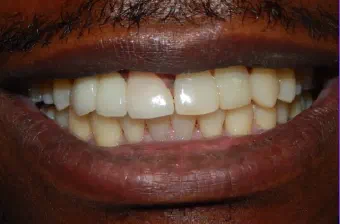
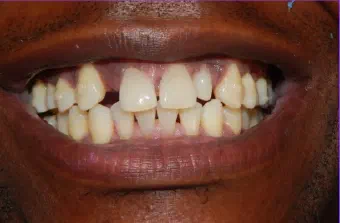
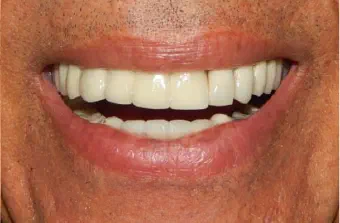
Real patient results

Before & after smile gallery.

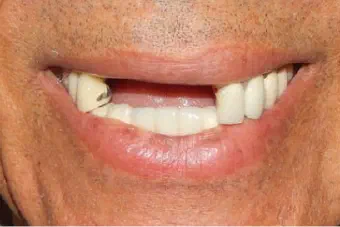
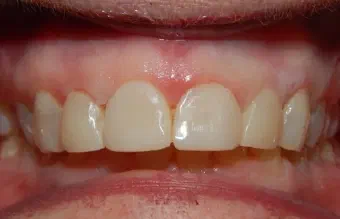
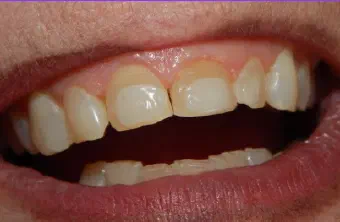
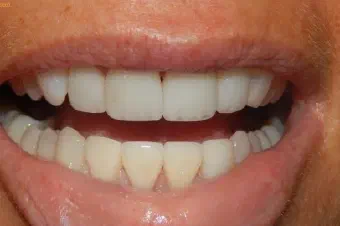
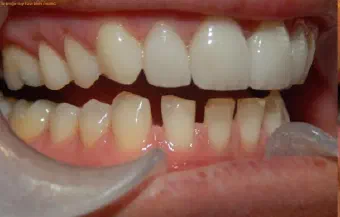
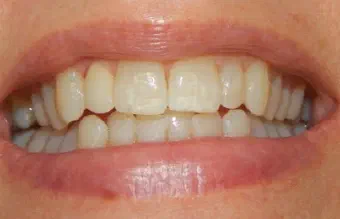
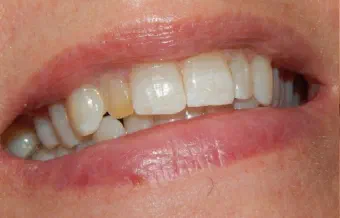
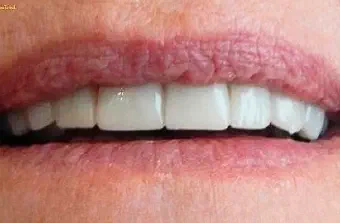
Drag the centre line to compare each real case treated by our dental team. Every smile begins with a personal assessment and a plan shaped around the patient.

Areas We Serve

Neighbourhood dental care, close to home.

Located in Cookstown, Innisfil, our dental team welcomes patients from communities across South Simcoe, Barrie, and northern York Region.

Get directions
  • Cookstown
  • Innisfil
  • Simcoe
  • Lake Simcoe
  • Alcona
  • Stroud
  • Lefroy–Belle Ewart
  • Gilford
  • Churchill
  • Sandy Cove
  • Innisfil Heights
  • Fennell’s Corners
  • Bradford
  • Bradford West Gwillimbury
  • Bond Head
  • Newton Robinson
  • New Tecumseth
  • Alliston
  • Beeton
  • Tottenham
  • Adjala–Tosorontio
  • Everett
  • Loretto
  • Barrie
  • Essa
  • Thornton
  • Baxter
  • Angus
  • Egbert
  • Ivy
  • Utopia
  • York Region
  • East Gwillimbury
  • Queensville
  • Holland Landing
  • Sharon
  • Schomberg
  • Nobleton

Don’t see your community listed? Contact us—we regularly welcome patients from throughout the surrounding region.

Google reviews

Kind words from our patients.

Read what patients have shared about their visits to Cookstown Dental Centre.

A dentist having a friendly consultation with a patient in a bright dental clinic

Your next step

Ready to feel good about your next dental visit?

Whether you are new to the clinic or returning for care, our team is here to make booking simple and answer your questions.

Call Book Now WhatsApp

How can we help?

The Cookstown Dental team is here for you.

Need an appointment, have a question, or want to talk through your options? Choose the next step that works best for you.

Send us a note

We’ll get back to you as soon as we can.