Cookstown Dental Centre
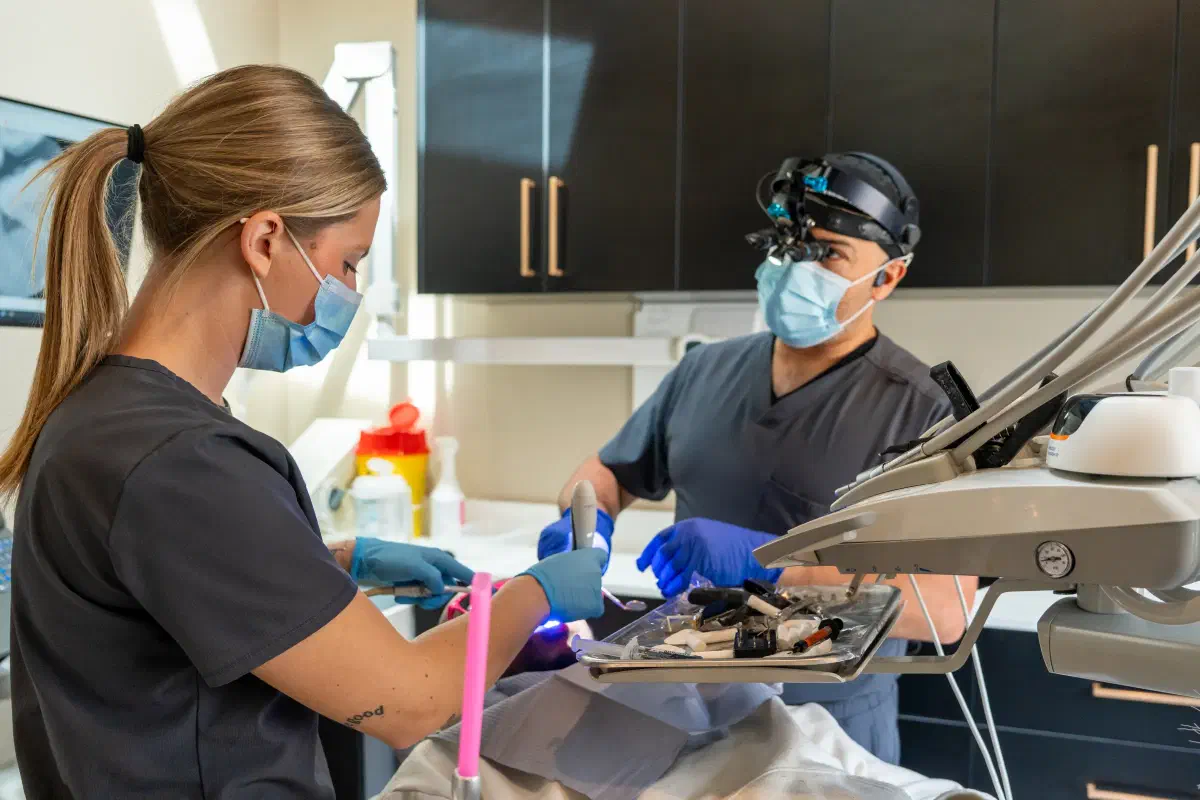
The Cookstown Dental Centre team caring for a patient in a treatment room

Restorative Dentistry · Cookstown

Use temporary dental restorations as a planned bridge between treatment stages.

Temporary restorations protect teeth or support appearance during staged care. Learn their limits, daily precautions, warning changes, and the plan for completion.

Request an appointment

Let’s find a time that works.

Need urgent dental help? Call (705) 291-2222.

Temporary Dental Restorations in Cookstown

Temporary should describe a defined treatment stage, not an open-ended wait.

A temporary restoration may protect a prepared tooth, seal an access opening, maintain appearance, or help evaluate a planned change before definitive treatment. Temporary fillings, crowns, and bridges do not all serve the same purpose, and their strength, retention, and expected service period differ from the final restoration.

At Cookstown Dental Centre, the instructions should match the treatment stage and the tooth’s condition. Ask what the temporary is intended to do, what it cannot reliably withstand, and when the next appointment is needed. A restoration can feel comfortable while still being unsuitable for indefinite use. If finances, scheduling, or another health issue affects completion, discuss a realistic staged plan and its limits rather than leaving the temporary without review.
A dentist explaining temporary and final dental restoration stages to a patient

Understanding the options

Understand the purpose of the temporary you have.

Different treatment stages call for different forms of interim protection.

A temporary filling or internal seal

This may close a tooth between appointments or provide short-term protection while a diagnosis or treatment sequence is completed. The material and defect influence its limits. Ask whether the tooth can bear normal chewing and what to do if the surface wears or material comes away.

A provisional crown or bridge

This can protect prepared teeth and help maintain relationships while a final restoration is made. In some plans it also supports evaluation of appearance or function. It still needs suitable fit and care, and should not be assumed to have the same retention or durability as the definitive restoration.

What we consider

Match expectations to the tooth and treatment stage.

The word temporary does not define one safe amount of use for every situation.

Remaining tooth structure

A tooth with missing cusps or a large access opening may be vulnerable even when a temporary covers the defect. The clinician explains the relevant chewing precautions. Protecting the surface does not automatically replace the structural support planned from the final crown, onlay, or other restoration.

The reason for staging

Laboratory fabrication, healing, further diagnosis, or coordinated care may require an interim phase. The temporary should support that purpose and have an agreed review point. A stage intended for a short fabrication interval may not be suitable for a much longer delay without reassessment.

Bite, appearance, and tissue response

A provisional may provide information about contacts, contours, or visible details, depending on the plan. Share observations during ordinary use. Feedback can guide refinement, but discomfort or movement should be assessed rather than deliberately tolerated as part of testing a restoration at home.

Practical guidance

Follow the care instructions for the specific restoration.

Daily precautions should protect the temporary and the tooth beneath it.

Avoid unnecessary force and sticky loading

Follow the provider’s advice about foods and chewing on the treated area. Hard or sticky foods can dislodge or damage some temporaries. Do not repeatedly test a loose edge or assume the material can tolerate the same use as a completed definitive crown simply because it looks like a tooth.

Clean without pulling the restoration away

Ask for a demonstration around the margins and between teeth, especially for a temporary bridge or a crown with delicate retention. Keep the area clean as instructed. Avoid sharp instruments or improvised scraping, and contact the clinic if cleaning repeatedly catches or moves the restoration.

Step by step

Know what to do when the temporary changes.

A lost seal or altered bite can affect the next stage of treatment.

  1. Contact the clinic about detachment or fracture

    Describe which restoration came away, whether the tooth is exposed, and any symptoms. Keep detached pieces if available. Do not use household glue or force a provisional back into place; the clinic can advise on assessment and appropriate interim measures for the specific situation.

  2. Report pain, swelling, or a high bite

    Some symptoms need a check of the temporary, tooth, or underlying treatment. Persistent or worsening discomfort should not be dismissed solely because the restoration is provisional. Seek urgent help for spreading swelling or difficulty swallowing or breathing rather than waiting for the planned fitting appointment.

  3. Reassess if the next stage is delayed

    Tell the team when you cannot attend or complete the plan on schedule. A temporary may need review, replacement, or another protective approach. An agreed delay should include an explanation of the risks and monitoring needs rather than assume a short-term restoration will remain suitable indefinitely.

Planning together

Make the completion plan clear before leaving.

A temporary is most useful when it connects to a defined next step.

Know what the final restoration will address

Ask whether completion involves a filling, crown, onlay, bridge, or another stage of care. Clarify what remains uncertain and who provides each part when treatment is shared. The temporary’s role should be distinct from the work still needed to seal, protect, or replace the tooth definitively.

Keep the review and share useful feedback

Attend the planned appointment and describe changes in comfort, function, cleaning, or appearance. This information can help with the final restoration where relevant. Once definitive care is completed, ongoing preventive reviews remain necessary; finishing the temporary phase does not remove the tooth’s future maintenance needs.

Frequently asked questions

Questions about temporary dental restorations

How long can a temporary restoration stay in place?

The intended period depends on the material, tooth, and reason for staging. Follow the schedule given by your provider. A temporary that feels comfortable is not automatically suitable for a long delay, so discuss any change in the completion plan.

Is a temporary crown weaker than the final crown?

It often has different material and retention properties suited to its interim role. The exact limits depend on the restoration. Follow the specific chewing and cleaning instructions rather than assuming appearance indicates the same durability as the final treatment.

What if my temporary filling comes out?

Contact the clinic and describe the exposed tooth and symptoms. The appropriate response depends on the treatment stage and remaining structure. Do not pack improvised material into the tooth or wait indefinitely for the next appointment without asking for guidance.

Can I glue a temporary crown back myself?

Do not use household glue or force it into position. Keep the crown and contact the clinic for advice. The fit, tooth, and reason for detachment need consideration before it is safely reused or replaced.

Should a temporary restoration hurt?

Discomfort can have different causes, including a high contact or the underlying tooth condition. Report persistent, increasing, or spontaneous pain and any swelling. The fact that a restoration is temporary does not mean significant symptoms should be accepted without assessment.

Can a provisional help me evaluate appearance?

In some treatment plans, provisional restorations help review shape, position, or other visible details. Ask what feedback is useful and what limitations the temporary material has. It should not be assumed to exactly reproduce the final material’s colour or surface.

What if I cannot afford the next stage immediately?

Discuss the situation with the clinic before the temporary is left beyond its intended period. A staged plan may be considered, with clear priorities and limitations. The tooth may need review or different protection rather than an indefinite extension without monitoring.

Real patient results

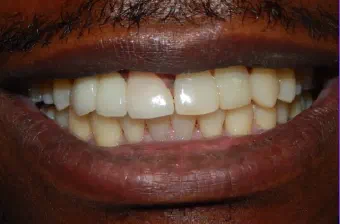
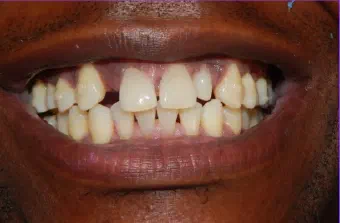
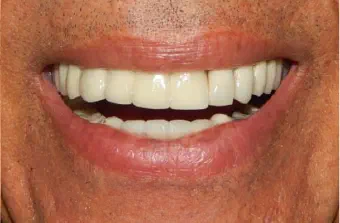
Before & after smile gallery.

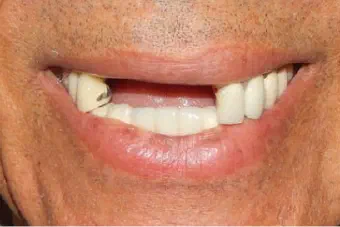
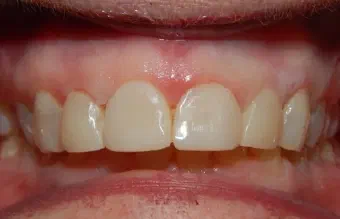
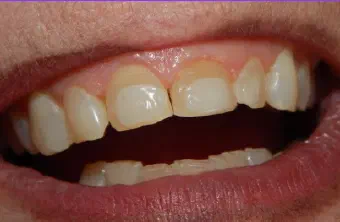
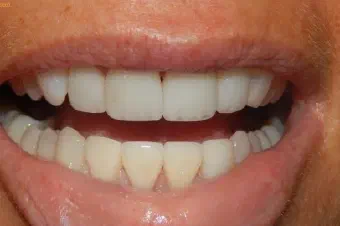
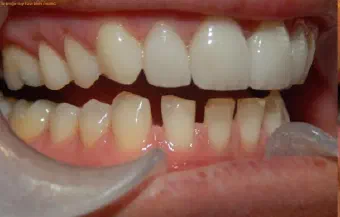
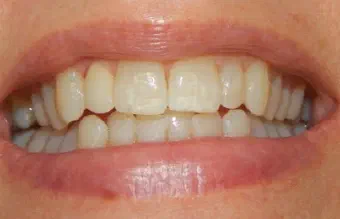
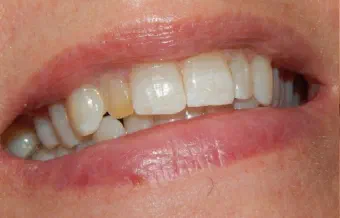
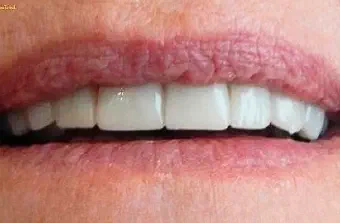
Drag the centre line to compare each real case treated by our dental team. Every smile begins with a personal assessment and a plan shaped around the patient.

Areas We Serve

Neighbourhood dental care, close to home.

Located in Cookstown, Innisfil, our dental team welcomes patients from communities across South Simcoe, Barrie, and northern York Region.

Get directions
  • Cookstown
  • Innisfil
  • Simcoe
  • Lake Simcoe
  • Alcona
  • Stroud
  • Lefroy–Belle Ewart
  • Gilford
  • Churchill
  • Sandy Cove
  • Innisfil Heights
  • Fennell’s Corners
  • Bradford
  • Bradford West Gwillimbury
  • Bond Head
  • Newton Robinson
  • New Tecumseth
  • Alliston
  • Beeton
  • Tottenham
  • Adjala–Tosorontio
  • Everett
  • Loretto
  • Barrie
  • Essa
  • Thornton
  • Baxter
  • Angus
  • Egbert
  • Ivy
  • Utopia
  • York Region
  • East Gwillimbury
  • Queensville
  • Holland Landing
  • Sharon
  • Schomberg
  • Nobleton

Don’t see your community listed? Contact us—we regularly welcome patients from throughout the surrounding region.

Google reviews

Kind words from our patients.

Read what patients have shared about their visits to Cookstown Dental Centre.

A dentist having a friendly consultation with a patient in a bright dental clinic

Your next step

Ready to feel good about your next dental visit?

Whether you are new to the clinic or returning for care, our team is here to make booking simple and answer your questions.

Call Book Now WhatsApp

How can we help?

The Cookstown Dental team is here for you.

Need an appointment, have a question, or want to talk through your options? Choose the next step that works best for you.

Send us a note

We’ll get back to you as soon as we can.