Cookstown Dental Centre
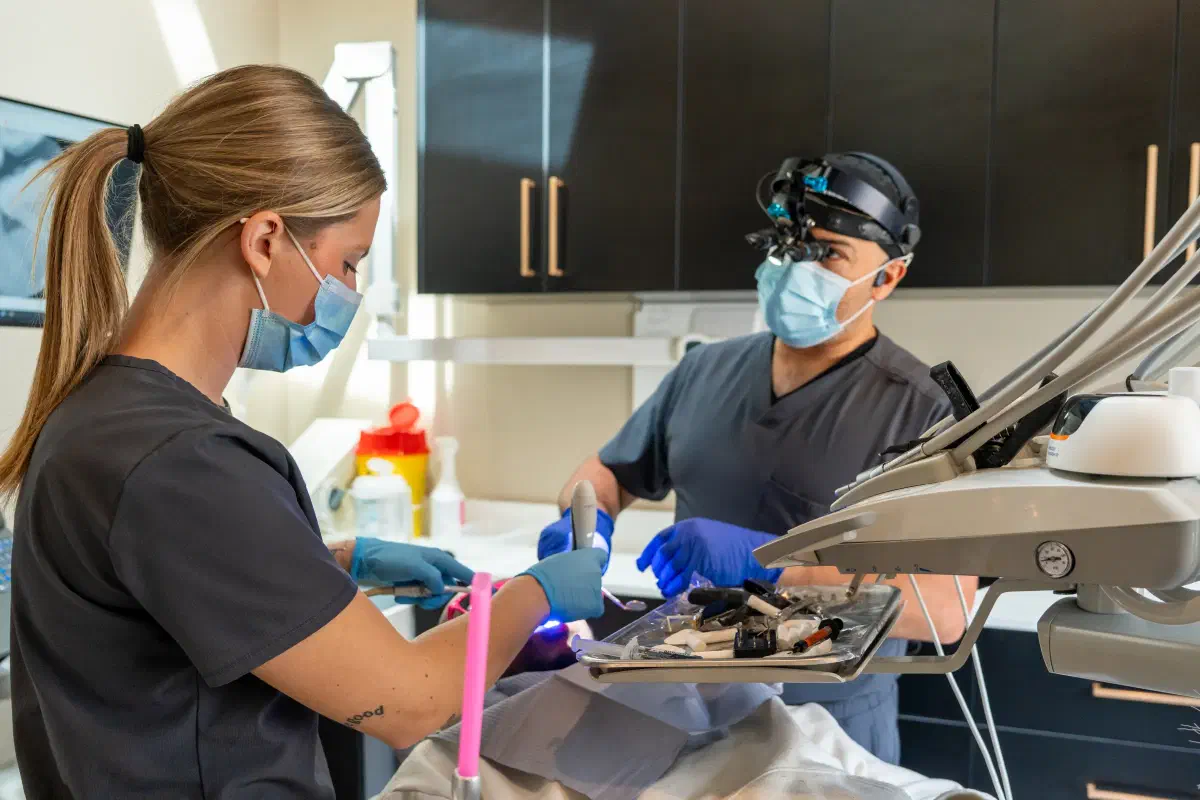
The Cookstown Dental Centre team caring for a patient in a treatment room

Restorative Dentistry · Cookstown

Plan a removable replacement for the time between treatment stages.

Temporary partial dentures can fill selected gaps during healing or staged care. Explore fit changes, chewing limits, daily handling, and the next replacement step.

Request an appointment

Let’s find a time that works.

Need urgent dental help? Call (705) 291-2222.

Temporary Partial Dentures in Cookstown

An interim appliance should have a clear job and a clear review point.

A temporary partial denture replaces selected missing teeth for an interim period while other care is planned or completed. It may support appearance during healing, maintain a practical removable replacement, or form part of a staged treatment plan. Its design and functional limits depend on the missing-tooth pattern, supporting tissues, and next treatment step.

The term overlaps with some appliances commonly called flipper teeth, but not every temporary partial has the same size, design, or purpose. At Cookstown Dental Centre, we discuss what you need during the transition and how the appliance must relate to extraction, grafting, implants, or remaining teeth. A temporary replacement should not place unsuitable pressure on a healing site or be mistaken for a definitive appliance with no further care planned.
A dentist discussing an interim partial denture with a patient

Step by step

Define the transition before making the appliance.

The reason for temporary replacement shapes its timing and design.

  1. Healing after removal or surgery

    An interim partial may be considered around extractions or other procedures, with specific limits to protect the site. The plan should state when it can be inserted and how much pressure or chewing is acceptable. An appliance made before surgery may need adjustment as the tissues change afterward.

  2. A staged restorative decision

    A temporary partial can provide a replacement while definitive options are assessed or scheduled. Discuss appearance, function, and practical constraints honestly. The next stage and review interval should be explicit so a short-term design is not left in service indefinitely without reassessing its fit and suitability.

What we consider

Balance the interim goals with available support.

Temporary does not mean that the appliance can skip a clinical assessment.

Remaining teeth and retention

The natural teeth are examined for their ability to help retain or support the appliance. Existing restorations, tooth position, and cleaning needs influence the design. A temporary should not rely on an unsuitable tooth without discussing the limitations and what happens if that support changes during treatment.

The ridge and healing tissues

The missing-tooth area may change rapidly after extraction, affecting adaptation and pressure. Grafted or implant sites can require additional protection. The clinician should coordinate the appliance with the treating provider’s instructions rather than assume that filling the visible gap is the only design requirement.

Appearance, speech, and chewing expectations

An interim appliance may prioritize appearance while offering limited chewing ability, depending on the design. Discuss what is realistic for your situation. The fact that it has replacement teeth does not mean it can be used exactly like a definitive partial or a fixed restoration during every stage.

Understanding the options

Distinguish temporary use from a definitive removable plan.

The same general appliance type can have different intended service roles.

An interim partial for a changing situation

This design is planned around a transition and may need adjustments or modification as treatment progresses. Its materials and support may reflect that purpose. Ask which limitations are acceptable temporarily and what signs would require review before the next planned stage.

A definitive partial or another final replacement

A longer-term partial, bridge, or implant restoration is assessed according to the stable clinical situation and your goals. It may require different records and design decisions. The temporary should help you through treatment without being used as proof that every final option will feel or function identically.

The appointment

Coordinate fabrication, delivery, and changing fit.

The appointment sequence follows the treatment that surrounds the missing teeth.

  1. Take records and agree on the use instructions

    Impressions or other records and bite information guide the appliance. If it is made before extractions, discuss what cannot be tried fully beforehand. The team should explain the intended delivery point, first-use instructions, and how changes in the surgical or restorative plan could affect the appliance.

  2. Fit and practise insertion and removal

    The clinician checks seating, retention, contacts, and tissue relationships. Learn the method without forcing the appliance or biting it into place. Instructions about wear and cleaning should reflect whether the tissues are healed or recently treated, including any specific early postoperative requirements.

  3. Review pressure and plan the next stage

    Follow-up assesses comfort and adaptation as the mouth changes. A temporary partial may need adjustment or another fit procedure, but not every deterioration is best managed by repeated repairs. Keep the planned definitive-care discussion active and update the team if your circumstances alter the timeline.

Practical guidance

Care for the temporary without extending its role by default.

Good handling protects both the appliance and the mouth during the transition.

Clean the appliance and remaining teeth separately

Use products and methods suitable for the materials, and clean the natural teeth carefully where the partial contacts them. Ask about storage and the appropriate wear schedule. Advice may differ after surgery, so follow your treating team’s instructions rather than another patient’s general denture routine.

Report damage, instability, or tissue injury

A loose clasp, sharp edge, fracture, or new sore area needs assessment. Do not bend, heat, file, or glue the appliance yourself. If it can no longer be used safely or comfortably, contact the clinic and discuss interim alternatives rather than continuing to wear a damaged temporary.

Frequently asked questions

Questions about temporary partial dentures

Is a temporary partial the same as a flipper?

The terms overlap, especially for some acrylic interim appliances replacing one or a few teeth. Temporary partial is a broader description of purpose. The actual design, support, and intended use should be explained rather than inferred only from the name.

Can I chew normally with it?

That depends on the appliance and treatment stage. Some temporary designs have limited chewing capacity, and healing sites may require additional precautions. Follow the provider’s instructions rather than assume replacement teeth mean unrestricted eating from the first day.

Can it be fitted immediately after extraction?

An appliance made in advance may be fitted at extraction in suitable plans. That requires coordination and comes with limits because the tissues will change. Ask about appearance checks, early wear instructions, and the likely need for later adjustments or replacement.

Will it press on a bone graft or implant site?

The design and fit must be assessed to avoid unsuitable pressure, and use may need modification or temporary limits. Tell every involved provider about the appliance. Do not wear an existing partial unchanged over a recent surgical site without approval from the treating team.

How long can I keep using a temporary partial?

The intended period depends on the design, fit, treatment plan, and changes in the mouth. It needs review if the next stage is delayed. An interim appliance should not become a permanent solution solely because it remains available to wear.

Can the temporary be repaired if a tooth is added later?

Some appliances can be modified, but feasibility depends on materials, design, and the new clinical situation. Adding a tooth is not guaranteed or always appropriate. Discuss likely changes before fabrication when the treatment plan already anticipates further extractions.

What if it becomes loose as the gums heal?

Contact the clinic for assessment. Tissue changes can affect fit, and an adjustment, lining procedure, or different appliance may be needed. Do not force it into place or compensate indefinitely with more adhesive without reviewing the underlying fit.

Real patient results

Before & after smile gallery.

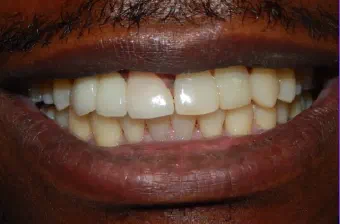
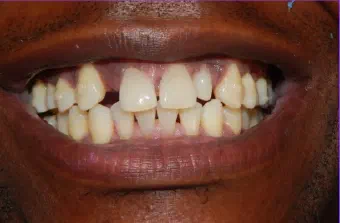
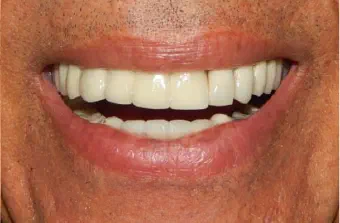
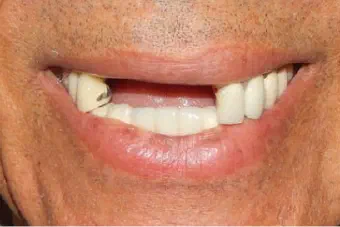
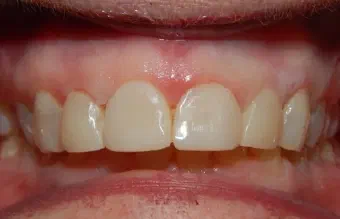
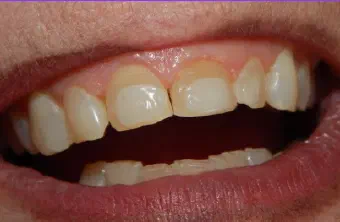
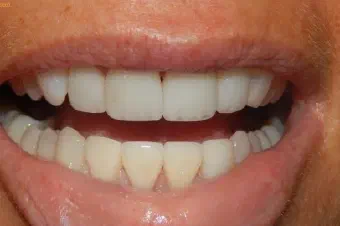
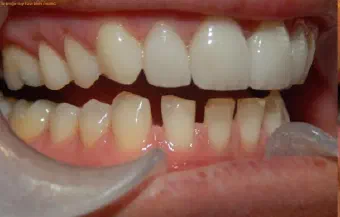
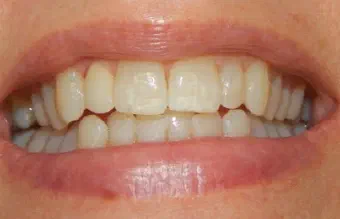
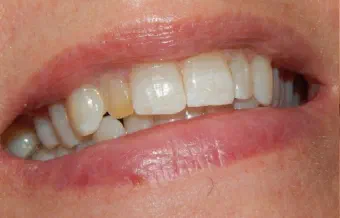
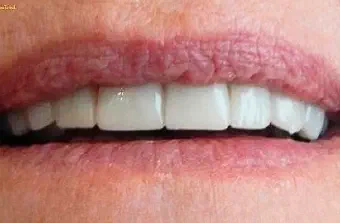
Drag the centre line to compare each real case treated by our dental team. Every smile begins with a personal assessment and a plan shaped around the patient.

Areas We Serve

Neighbourhood dental care, close to home.

Located in Cookstown, Innisfil, our dental team welcomes patients from communities across South Simcoe, Barrie, and northern York Region.

Get directions
  • Cookstown
  • Innisfil
  • Simcoe
  • Lake Simcoe
  • Alcona
  • Stroud
  • Lefroy–Belle Ewart
  • Gilford
  • Churchill
  • Sandy Cove
  • Innisfil Heights
  • Fennell’s Corners
  • Bradford
  • Bradford West Gwillimbury
  • Bond Head
  • Newton Robinson
  • New Tecumseth
  • Alliston
  • Beeton
  • Tottenham
  • Adjala–Tosorontio
  • Everett
  • Loretto
  • Barrie
  • Essa
  • Thornton
  • Baxter
  • Angus
  • Egbert
  • Ivy
  • Utopia
  • York Region
  • East Gwillimbury
  • Queensville
  • Holland Landing
  • Sharon
  • Schomberg
  • Nobleton

Don’t see your community listed? Contact us—we regularly welcome patients from throughout the surrounding region.

Google reviews

Kind words from our patients.

Read what patients have shared about their visits to Cookstown Dental Centre.

A dentist having a friendly consultation with a patient in a bright dental clinic

Your next step

Ready to feel good about your next dental visit?

Whether you are new to the clinic or returning for care, our team is here to make booking simple and answer your questions.

Call Book Now WhatsApp

How can we help?

The Cookstown Dental team is here for you.

Need an appointment, have a question, or want to talk through your options? Choose the next step that works best for you.

Send us a note

We’ll get back to you as soon as we can.