Cookstown Dental Centre
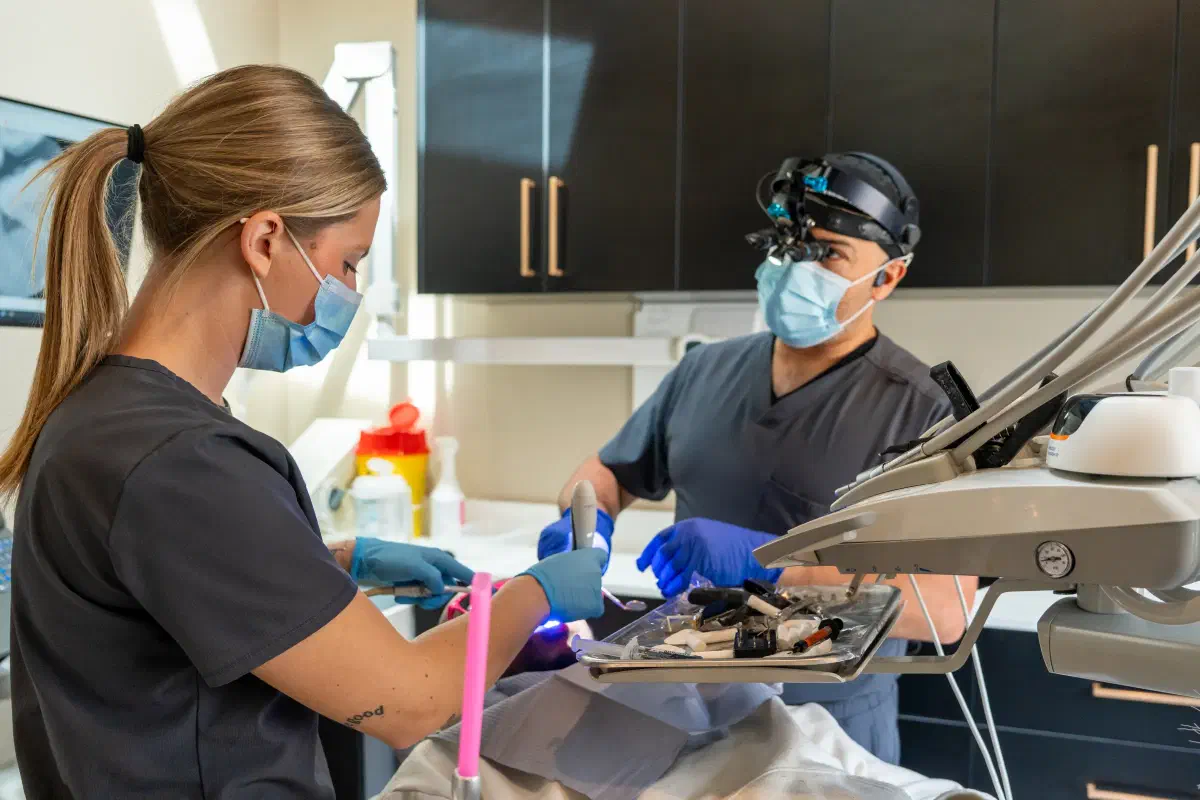
The Cookstown Dental Centre team caring for a patient in a treatment room

Specialized Care · Cookstown

Understand what your jaw joint symptoms mean.

A TMJ assessment in Cookstown reviews pain, movement, clicking, and locking, distinguishes dental causes, and explains when imaging or referral may be useful.

Request an appointment

Let’s find a time that works.

Need urgent dental help? Call (705) 291-2222.

TMJ Assessment in Cookstown

An assessment connects the sound, movement, and symptoms.

The temporomandibular joints connect the lower jaw to the skull and work with the chewing muscles whenever you open, close, or move the jaw. A click, ache, or episode of catching may lead you to wonder whether the joint is damaged. Those experiences need context: painless sounds can occur without a condition requiring treatment, while pain or restricted function deserves closer assessment.

A TMJ appointment reviews the history and examines movement, muscles, joints, and relevant dental structures. It is intended to clarify the likely source and significance of the findings, not to commit you automatically to an appliance or permanent bite change. Sometimes reassurance and monitoring are appropriate; sometimes a conservative treatment plan, imaging, or referral is needed. The next step should follow the findings and explain what remains uncertain.
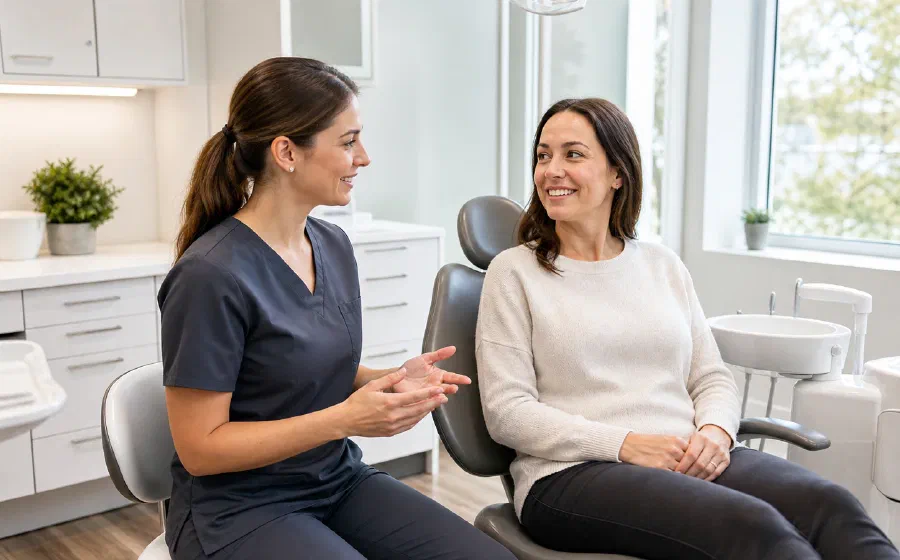
Dentist assessing comfortable jaw movement while discussing joint symptoms with a patient

Planning together

Prepare the story of the symptoms

The way a problem began and changed often matters more than a single moment during the examination.

Pain, noises, and episodes of locking

Describe where discomfort occurs, whether a sound is painful, and whether the jaw catches, locks closed, or becomes stuck open. Note any change in the ability to eat or open normally. A click that disappears while opening becomes restricted is different from a painless sound that has stayed unchanged for years.

Injuries, habits, and previous treatment

Mention trauma, recent long dental appointments, clenching, existing guards, and previous jaw-related care. Bring any relevant records and the appliances you use. Also describe headaches, ear-area symptoms, sleep concerns, and medical conditions so the clinician can consider other explanations rather than attributing everything near the jaw to the joint.

What we consider

What the clinical examination considers

The joint is assessed as part of the whole jaw system.

Movement and joint findings

The clinician observes opening and closing, range of movement, deviations, sounds, and the relationship between movement and symptoms. The aim is to reproduce useful findings gently, not repeatedly provoke pain. Some sounds have little significance without pain or limitation, while a change in function may deserve further investigation.

Muscles, teeth, and the bite

Tender chewing muscles, tooth problems, periodontal findings, and restorations may contribute to symptoms or point to another diagnosis. Tooth contacts are recorded where relevant, but an unusual contact does not automatically establish the cause of TMD. The examination should connect findings with the history before recommending any change to the teeth.

Understanding the options

When imaging helps—and when it may not

A scan is useful when it answers a question that affects the plan.

A clinical assessment may be enough initially

For some presentations, history and examination support an initial conservative approach without advanced imaging. More images do not automatically create a clearer diagnosis or improve treatment. The clinician should explain why observation or a review is appropriate and what future change would justify further investigation.

A specific concern may need further investigation

Trauma, substantial restriction, certain joint findings, or suspicion of another condition can make imaging or referral useful. The type of investigation depends on the question, such as bone anatomy or joint soft tissues. A scan result still needs interpretation alongside symptoms; an image alone does not dictate treatment.

Good to know

Possible outcomes of the assessment

A useful appointment ends with a proportionate recommendation and a clear reason for it.

Reassurance or conservative care

A painless stable sound may need explanation and monitoring, while a symptomatic muscle or joint problem may lead to reversible care and practical self-management. The plan should identify its purpose and review point. An appliance is not an automatic outcome, and any proposed device needs a defined role and monitoring for adverse effects.

Further dental, medical, or specialist assessment

If the source is unclear or the findings suggest a different condition, another pathway may be appropriate. That may involve a tooth-specific investigation, an orofacial pain opinion, or medical review. Referral is a way to answer a remaining question, not a declaration that every jaw symptom requires invasive treatment.

Practical guidance

Use the findings as a baseline

Changes after the appointment are easier to interpret when you know what was established.

Know what to watch

Ask which symptoms are expected to settle and which should prompt earlier contact. Increasing restriction, recurrent locking, new swelling, or a marked change in pain may need reassessment. Avoid repeatedly opening to the limit or forcing a click to test the joint; that can aggravate symptoms without providing useful diagnostic information.

Bring the response to follow-up

Describe whether eating, speaking, or daily comfort has changed and how manageable the advice has been. If an appliance or exercise was recommended, report its effects accurately. The next step should be based on the response and any new findings rather than automatically escalating to permanent bite changes when symptoms persist.

Frequently asked questions

Questions about tmj assessment

Is a TMJ assessment the same as treatment?

No. It establishes the history, findings, and likely next step. The outcome may be reassurance, conservative care, further investigation, or referral. Assessment does not automatically authorize an appliance, adjustment of the teeth, or another procedure.

Can a painless click be normal?

Painless joint sounds are common and may not need treatment when function is normal. A new painful click, locking, or reduced opening deserves assessment, but a sound alone does not reliably indicate damage requiring intervention.

Why examine my teeth during a joint assessment?

Tooth and gum problems can cause pain near the jaw, and restorations or other dental findings may need separate attention. Checking them helps avoid assigning a dental source of pain to the joint without adequate evidence.

Will you need to make my jaw click during the examination?

The clinician assesses movement gently and does not need repeated forceful provocation. Tell them what usually triggers the symptom and if an examination movement hurts. A useful assessment should not depend on repeatedly aggravating the joint.

Does everyone need an MRI?

No. The need and type of imaging depend on the clinical question. Some concerns can be assessed initially through history and examination, while selected findings may justify imaging or a specialist opinion.

What if my jaw has stopped clicking but now opens less?

That change should be assessed. A quieter joint is not automatically an improvement when function has become restricted. Do not force the jaw to restore the sound or follow self-manipulation instructions without professional guidance.

When should I seek urgent help instead of waiting for an assessment?

A jaw stuck open, major trauma, facial swelling with illness, or difficulty breathing or swallowing needs prompt appropriate care. Jaw discomfort with chest symptoms or breathlessness also warrants urgent medical assessment.

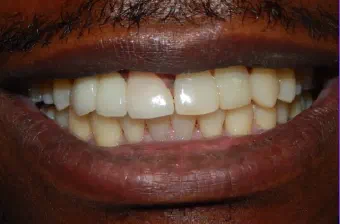
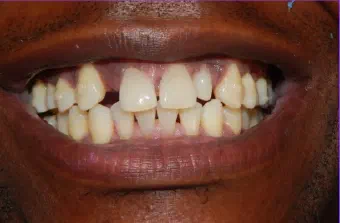
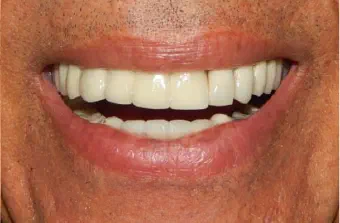
Real patient results

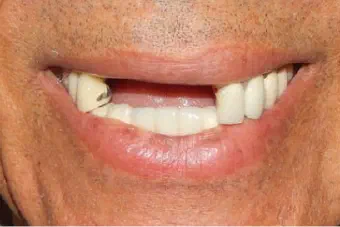
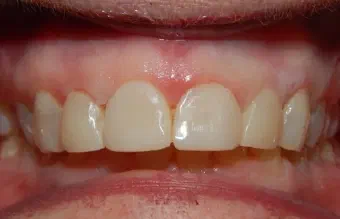
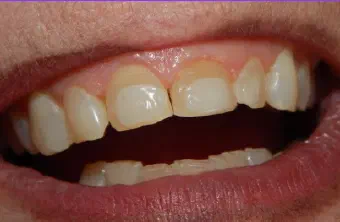
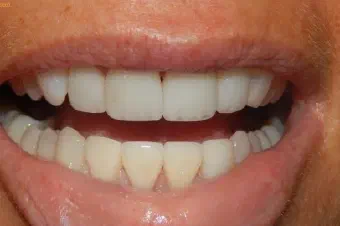
Before & after smile gallery.

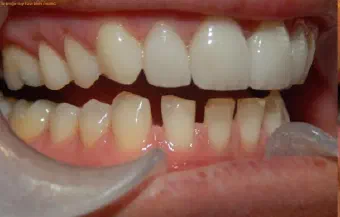
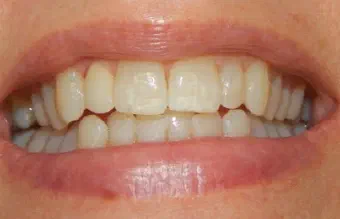
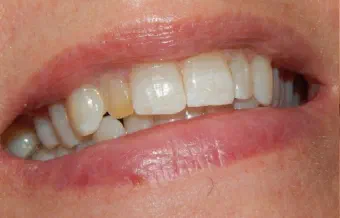
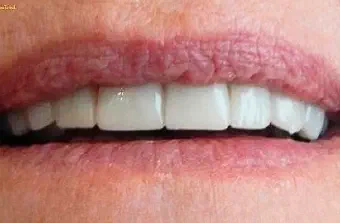
Drag the centre line to compare each real case treated by our dental team. Every smile begins with a personal assessment and a plan shaped around the patient.

Areas We Serve

Neighbourhood dental care, close to home.

Located in Cookstown, Innisfil, our dental team welcomes patients from communities across South Simcoe, Barrie, and northern York Region.

Get directions
  • Cookstown
  • Innisfil
  • Simcoe
  • Lake Simcoe
  • Alcona
  • Stroud
  • Lefroy–Belle Ewart
  • Gilford
  • Churchill
  • Sandy Cove
  • Innisfil Heights
  • Fennell’s Corners
  • Bradford
  • Bradford West Gwillimbury
  • Bond Head
  • Newton Robinson
  • New Tecumseth
  • Alliston
  • Beeton
  • Tottenham
  • Adjala–Tosorontio
  • Everett
  • Loretto
  • Barrie
  • Essa
  • Thornton
  • Baxter
  • Angus
  • Egbert
  • Ivy
  • Utopia
  • York Region
  • East Gwillimbury
  • Queensville
  • Holland Landing
  • Sharon
  • Schomberg
  • Nobleton

Don’t see your community listed? Contact us—we regularly welcome patients from throughout the surrounding region.

Google reviews

Kind words from our patients.

Read what patients have shared about their visits to Cookstown Dental Centre.

A dentist having a friendly consultation with a patient in a bright dental clinic

Your next step

Ready to feel good about your next dental visit?

Whether you are new to the clinic or returning for care, our team is here to make booking simple and answer your questions.

Call Book Now WhatsApp

How can we help?

The Cookstown Dental team is here for you.

Need an appointment, have a question, or want to talk through your options? Choose the next step that works best for you.

Send us a note

We’ll get back to you as soon as we can.