Cookstown Dental Centre
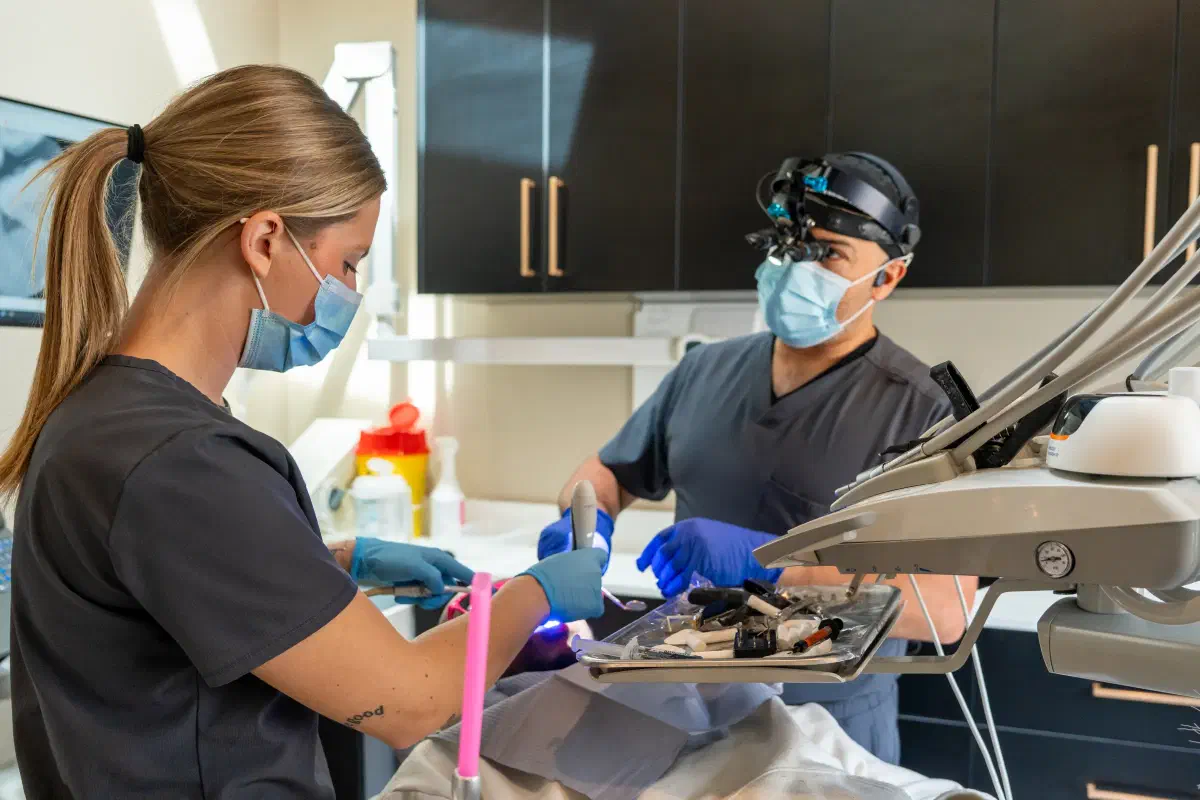
The Cookstown Dental Centre team caring for a patient in a treatment room

Specialized Care · Cookstown

Make jaw self-care gentle, practical, and specific.

TMJ self-care guidance in Cookstown helps you adapt daily habits, reduce aggravating jaw loads, and recognize when symptoms need a fresh clinical assessment.

Request an appointment

Let’s find a time that works.

Need urgent dental help? Call (705) 291-2222.

TMJ Self-Care Guidance in Cookstown

Self-care works best when you know what you are managing.

Jaw discomfort may involve muscles, joints, or another source that needs a different kind of care. Self-care advice should therefore follow an appropriate assessment rather than replace it. A painful tooth, infection, significant injury, or a jaw that is stuck needs attention beyond a home routine. Once the likely problem is understood, small changes in daily loading and habits can form part of a conservative plan.

The aim is to make eating, speaking, and ordinary activity more comfortable without creating a rigid set of rules about every jaw movement. Advice may include temporarily modifying aggravating foods or habits, noticing daytime clenching, and using gentle comfort measures. Specific exercises should be selected for your findings and tolerance. Repeated forceful stretching, manipulating the jaw to make it click, or pushing through worsening pain can make the situation harder to manage.
Dentist demonstrating gentle jaw self-care guidance to a patient in a bright consultation space

Practical guidance

Reduce the loads that clearly aggravate symptoms

Temporary changes should support recovery and a return to comfortable function.

Adapt chewing without making the diet unnecessarily restrictive

Choose foods and bite sizes you can manage comfortably while symptoms are active, and avoid repeatedly testing a painful movement. Gum chewing or very demanding foods may be worth pausing if they clearly provoke discomfort. Ask how to return gradually to usual eating rather than assuming you must follow a soft diet indefinitely.

Modify habits that add repeated strain

Biting objects, holding the jaw rigid during concentration, and repeatedly opening widely to check a sound can add unnecessary loading. Identify a small number of relevant habits rather than monitoring the jaw constantly. If a change creates more tension or preoccupation, discuss a simpler approach that fits your daily routine.

Care that fits

Use awareness without turning it into another task

A comfortable resting approach should feel gentle rather than forced.

Notice daytime tooth contact

Brief reminders during familiar activities may help you recognize clenching and release unnecessary contact. Avoid deliberately holding the jaw in an extreme position or repeatedly squeezing to check whether the muscles are tense. The goal is less effort, and the clinician can help adapt the cue if it increases discomfort or makes you overly focused on the jaw.

Consider the wider daily pattern

Sleep quality, stress, work habits, and other pain conditions may influence how symptoms are experienced. Mention these factors during review without assuming they are the sole cause. If medicines or a medical condition seem relevant, discuss them with the appropriate clinician rather than changing treatment independently as part of a self-care experiment.

Understanding the options

Comfort measures and exercises have different roles

A soothing measure is not the same as a movement programme intended for a particular diagnosis.

Simple measures for short-term comfort

A comfortably warm or cool compress may be discussed as a symptom-relief measure, with a barrier to protect the skin and attention to your comfort. Avoid extreme temperatures or falling asleep with a heat source in place. If a measure worsens symptoms or the skin feels irritated, stop and ask for advice.

Exercises prescribed for your findings

Some patients receive gentle movement guidance, but the choice and range should match the diagnosis. Do not copy forceful stretching or manipulation from an online demonstration, especially with locking or limited opening. Ask the clinician to demonstrate the intended movement and explain what level of discomfort or change means you should stop.

Planning together

Know when home care is no longer enough

The plan needs a clear boundary for seeking another assessment.

Changes to report to the dental team

Increasing pain, new or recurrent locking, reduced opening, a lasting bite change, or symptoms that interfere with eating deserve review. A prescribed appliance that worsens pain also needs attention. Do not respond by advancing, trimming, or heating the device yourself or by forcing the jaw through a restricted movement.

Symptoms that require urgent assessment

Facial swelling with illness, breathing or swallowing difficulty, a jaw stuck open, or significant trauma needs prompt appropriate care. Jaw discomfort with chest symptoms or breathlessness requires urgent medical evaluation. These situations should not be managed as an ordinary flare of jaw tension while waiting to see whether self-care works.

The appointment

Review the routine against useful goals

Progress is easier to judge through daily function than through constant checking for a click.

  1. Choose a practical starting point

    Identify the activities most affected, such as a meal, a long conversation, or morning comfort. A brief symptom record can help show patterns without recording every movement. Agree on a review plan so self-care is a monitored part of treatment rather than an indefinite instruction to manage pain alone.

  2. Adjust when the response is unclear

    At follow-up, explain what helped, what was difficult, and whether symptoms changed in character. The clinician may revise the advice, investigate another source, or recommend further care. Lack of improvement should prompt reassessment of the plan rather than an automatic move to permanent bite changes or increasingly forceful exercises.

Frequently asked questions

Questions about tmj self-care guidance

Can I start jaw exercises without an examination?

General gentle habits may be reasonable, but a specific exercise programme should fit the cause of symptoms. Pain, locking, significant restriction, or a new injury warrants assessment before forceful stretching or self-manipulation is attempted.

Should my teeth touch when I am resting?

Unnecessary sustained tooth contact can be part of daytime clenching. Gentle awareness may help you release it, but avoid forcing the jaw into a rigid position. Ask for an individualized cue if trying to monitor the position increases tension.

Do I need to eat only soft food forever?

No. Temporary changes may help during a painful period, but the aim is a comfortable return to normal function where appropriate. Ask how to progress eating according to your symptoms and the findings from the assessment.

Is heat or cold better for jaw discomfort?

The appropriate comfort measure depends on your situation and tolerance. Use safe temperatures with a skin barrier and stop if symptoms worsen. A compress may ease discomfort, but it does not replace assessment of a new or concerning problem.

Should I keep making my jaw click to check it?

Repeatedly provoking a click or opening to the limit can irritate the area without providing useful information. Describe the pattern to the clinician and focus on function and symptoms rather than repeatedly testing the sound.

What if my nightguard makes the pain worse?

Contact the provider and follow their advice about use. Fit, design, and the diagnosis need review. Do not force continued wear, alter the device at home, or assume that persistent pain is a necessary part of adapting to it.

How will I know whether self-care is helping?

Look for changes in meaningful activities, comfort, and the frequency or impact of symptoms. Review the response with the clinician at the agreed point, and seek earlier advice for worsening pain, locking, swelling, or reduced function.

Real patient results

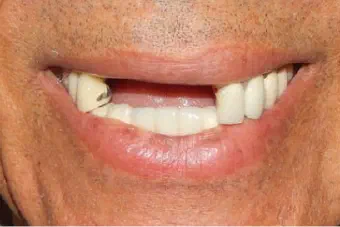
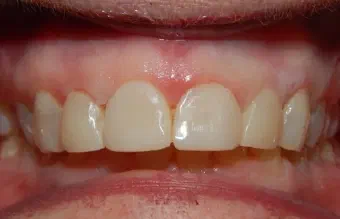
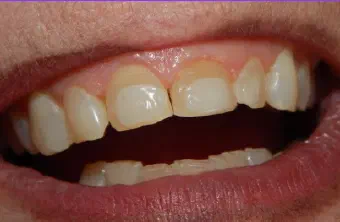
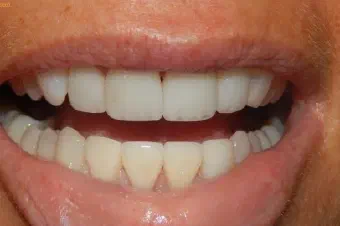
Before & after smile gallery.

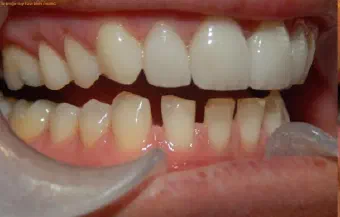
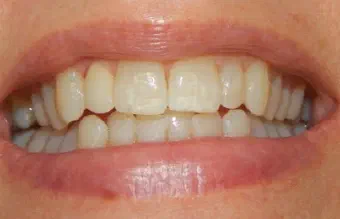
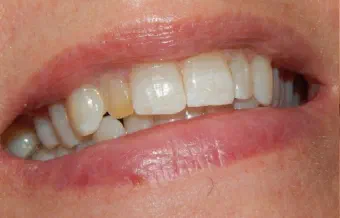
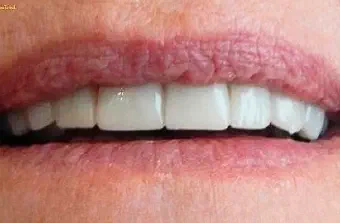
Drag the centre line to compare each real case treated by our dental team. Every smile begins with a personal assessment and a plan shaped around the patient.

Areas We Serve

Neighbourhood dental care, close to home.

Located in Cookstown, Innisfil, our dental team welcomes patients from communities across South Simcoe, Barrie, and northern York Region.

Get directions
  • Cookstown
  • Innisfil
  • Simcoe
  • Lake Simcoe
  • Alcona
  • Stroud
  • Lefroy–Belle Ewart
  • Gilford
  • Churchill
  • Sandy Cove
  • Innisfil Heights
  • Fennell’s Corners
  • Bradford
  • Bradford West Gwillimbury
  • Bond Head
  • Newton Robinson
  • New Tecumseth
  • Alliston
  • Beeton
  • Tottenham
  • Adjala–Tosorontio
  • Everett
  • Loretto
  • Barrie
  • Essa
  • Thornton
  • Baxter
  • Angus
  • Egbert
  • Ivy
  • Utopia
  • York Region
  • East Gwillimbury
  • Queensville
  • Holland Landing
  • Sharon
  • Schomberg
  • Nobleton

Don’t see your community listed? Contact us—we regularly welcome patients from throughout the surrounding region.

Google reviews

Kind words from our patients.

Read what patients have shared about their visits to Cookstown Dental Centre.

A dentist having a friendly consultation with a patient in a bright dental clinic

Your next step

Ready to feel good about your next dental visit?

Whether you are new to the clinic or returning for care, our team is here to make booking simple and answer your questions.

Call Book Now WhatsApp

How can we help?

The Cookstown Dental team is here for you.

Need an appointment, have a question, or want to talk through your options? Choose the next step that works best for you.

Send us a note

We’ll get back to you as soon as we can.