
01
The joints
Movement and structure.
The disc, joint surfaces, and surrounding tissues can be affected by inflammation, arthritis, trauma, or altered movement.
Clinic hours
Plan your visit
Dental services
Explore an assessment-led approach to jaw discomfort, tension, and related symptoms.
Request an appointment
TMJ Therapy near you
Jaw pain can affect the simplest parts of the day—eating, talking, laughing, and yawning. Clicking, stiffness, muscle fatigue, or restricted movement may point to a problem involving the jaw joints or the muscles around them.
Cookstown Dental Centre provides assessment-led TMJ therapy for patients from Cookstown, Innisfil, Barrie, Bradford, and nearby communities.
Start with the source
Different jaw problems need different care.
What is the TMJ?
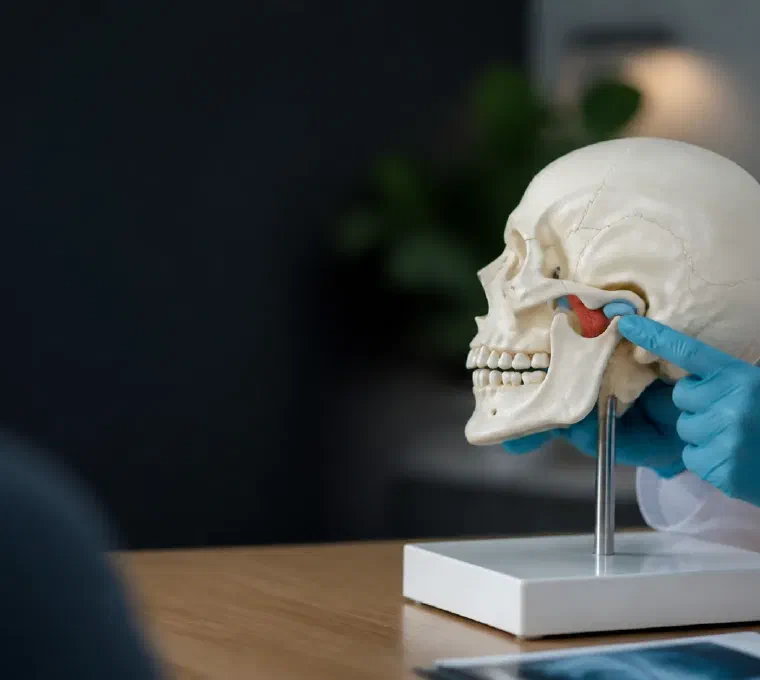
TMJ stands for temporomandibular joint. There is one just in front of each ear, connecting the lower jaw to the skull. Together with the jaw muscles, ligaments, and a small cushioning disc inside each joint, they allow you to chew, speak, swallow, and yawn.
When the joints or surrounding muscles become painful or do not move normally, the group of conditions is called temporomandibular disorders, or TMDs. People often use “TMJ” to describe both the joint and the disorder.
Because tooth, ear, sinus, nerve, headache, and neck conditions can cause similar symptoms, treatment begins by identifying the most likely source rather than assuming every ache or click comes from the joint.
Two areas, one working system
Separating the two helps guide a more appropriate first treatment plan.
The joints
The disc, joint surfaces, and surrounding tissues can be affected by inflammation, arthritis, trauma, or altered movement.
The muscles
Clenching, grinding, guarding, fatigue, and repeated overuse can make the chewing muscles painful or limit comfortable movement.
Signs you might have TMJ problems
Jaw sounds without pain or limited movement are common and do not always need treatment. Symptoms that persist, worsen, or interfere with daily activities deserve a closer look.
Discomfort may feel dull, tight, sharp, or tired after use.
Sounds matter most when paired with pain, catching, or restricted movement.
Yawning, eating, or dental care may feel limited or uncomfortable.
The mouth may temporarily resist opening or closing normally.
Jaw-muscle tension may contribute, but headaches require broader evaluation.
Firm or chewy foods may aggravate the joint or surrounding muscles.
Clenching or grinding may leave the muscles overworked after sleep.
These symptoms can coincide with TMD but also need medical causes considered.
Seek prompt assessment for a jaw that suddenly cannot open or close, significant swelling, fever, recent facial trauma, a sudden bite change, weakness, numbness, or other new neurological symptoms.
How TMJ problems start
TMD is not a single disease. The joint, disc, muscles, habits, health history, and nervous system can all influence how symptoms begin and persist.
Grinding during sleep can load the teeth, muscles, and jaw joints.
Stress, concentration, or habit can keep jaw muscles working when they should rest.
Trauma or keeping the mouth open for a long time may trigger a flare-up.
Joint tissues can be affected by degenerative or inflammatory conditions.
A sudden bite change or selected dental conditions may contribute, but the bite is not always the main cause.
Frequent gum chewing, wide opening, nail biting, or other habits can overload sensitive tissues.
Your TMJ assessment
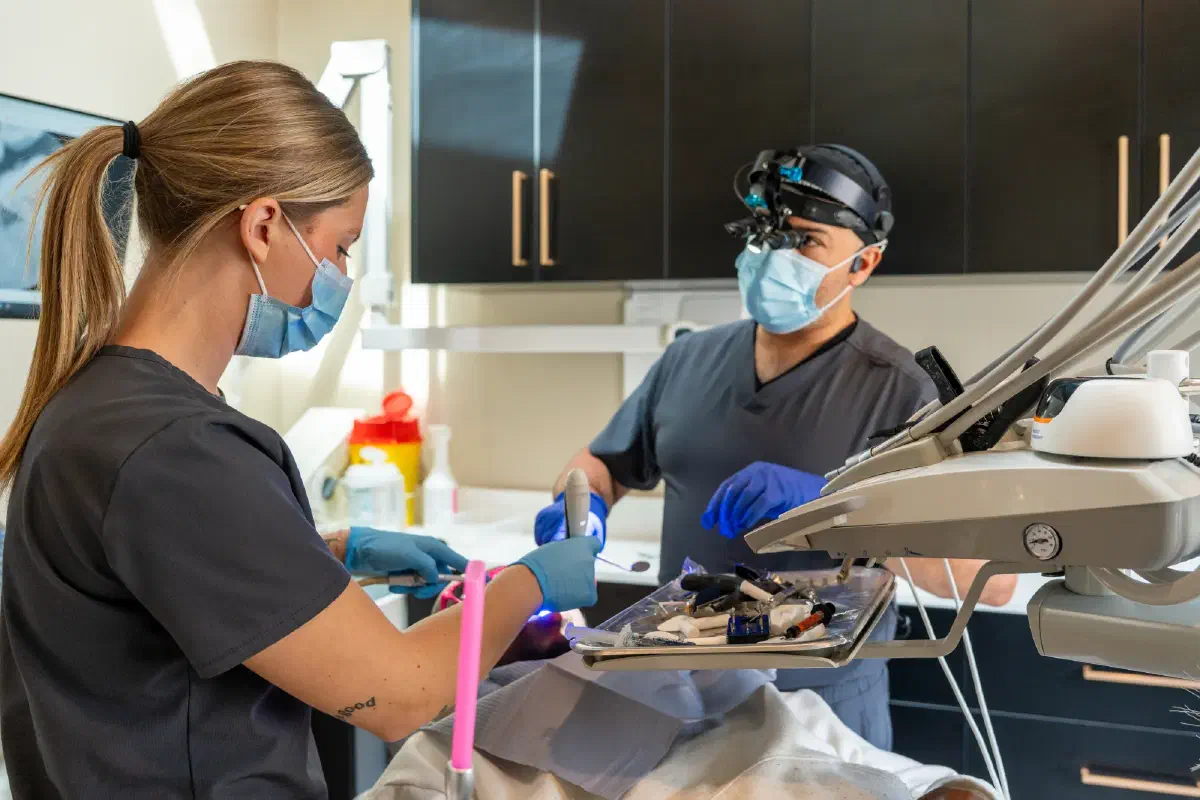
Our dentists examine the teeth, bite, joints, muscles, and jaw movement to help identify the likely source of pain and rule out dental problems that can feel similar.
We discuss when symptoms began, where they occur, whether they fluctuate, and what makes them better or worse.
We measure opening and side-to-side movement, listen for joint sounds, and gently assess muscle and joint tenderness.
We check wear, cracks, restorations, missing teeth, clenching signs, and whether the bite has recently changed.
Dental imaging may help evaluate teeth and bone. Complex joint disease can require medical imaging or referral to another provider.
Recommendations are matched to the findings and monitored before more involved treatment is considered.
How TMJ Therapy helps
The goal is to reduce pain and overload, protect the teeth when needed, and restore comfortable function without making permanent changes before the diagnosis is clear.
Temporary diet changes, heat or cold, and activity modification can calm irritated tissues.
Selected relaxation and range-of-motion exercises support controlled, comfortable movement.
Reducing daytime clenching and overuse gives muscles and joints more opportunity to rest.
A professionally fitted guard may protect teeth and help selected muscle or joint-loading patterns.
Dental disease or a true bite-related problem is addressed when the examination supports it.
Physiotherapy, sleep assessment, oral medicine, medical care, or specialist review may be recommended.
Custom Nightguards and TMJ care
A custom nightguard may be recommended when grinding, clenching, tooth wear, or a particular loading pattern contributes to the problem. It creates a controlled biting surface and protects natural teeth and restorations from direct grinding forces.
The appliance is made from a scan or impression, then adjusted to the way the opposing teeth contact it. We monitor comfort, joint and muscle response, fit, and wear over time.
An appliance should not be continued unchanged if it increases pain, creates pressure on a tooth, or leaves the bite feeling altered after removal.
Calm a sensitive jaw
Habits that may keep it irritated
When not eating, the teeth usually do not need to touch. Keeping the lips relaxed and teeth apart can reduce unnecessary muscle activity.
Why choose us for TMJ Therapy?
Dr. Anwar Khalid and the Cookstown Dental Centre team understand how jaw pain can affect daily life. We take time to evaluate movement, muscles, joints, teeth, wear, and bite before recommending care.
Modern diagnostic tools support the assessment, while a comfortable, welcoming environment makes it easier to ask questions and understand the reasoning behind each recommendation.
Start feeling better
Earlier assessment can identify the cause sooner and help you avoid habits or treatments that may be aggravating the problem.
Frequently asked questions
The cause, duration, and type of symptoms determine the most accurate answers for an individual patient.
Timelines vary with the diagnosis and how long symptoms have been present. Some muscle-related flare-ups begin improving over several weeks, while chronic joint conditions may require longer-term management. A fixed two-to-four-week result cannot be promised.
Assessment and conservative treatment are intended to stay within a comfortable range. A new appliance may feel unfamiliar, and exercises may create mild awareness, but increasing pain or new symptoms should be reported so the plan can be adjusted.
Yes. Stress, clenching, grinding, injury, arthritis, overuse, and other factors can trigger recurrence. Recognizing early warning signs and using the self-care strategies provided can make flare-ups easier to manage.
Most patients do not. Surgery is reserved for specific structural problems that fail to respond to appropriate conservative care and generally requires specialist assessment and advanced imaging.
No. Clicking or popping without pain, locking, or limited function is common and may not require treatment. New, painful, or worsening sounds should be assessed in context.
No. A custom appliance can protect teeth and may help selected muscle or joint-loading conditions, but TMD has many causes. The type of appliance and whether one is appropriate depend on the diagnosis.
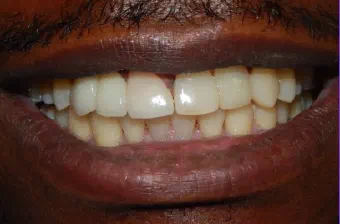
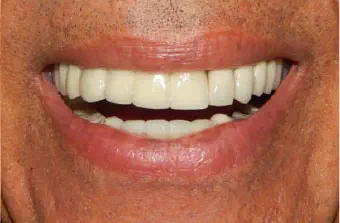
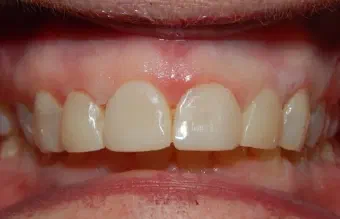
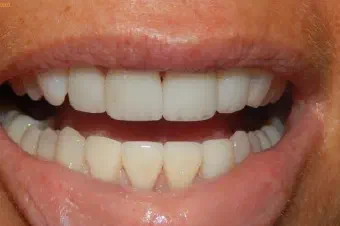
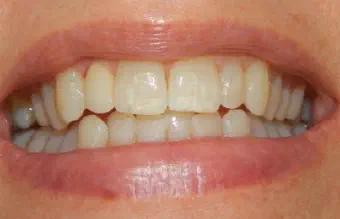
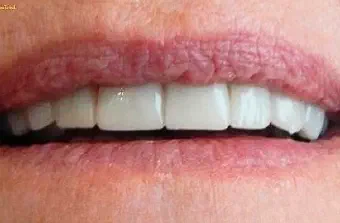
Real patient results
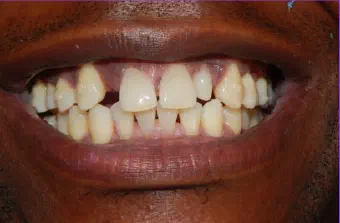
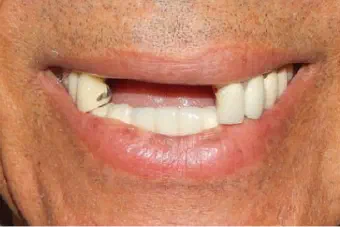
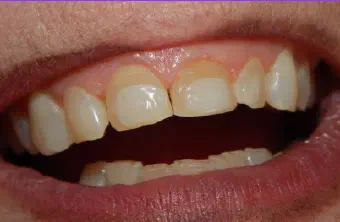
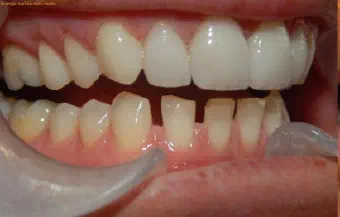
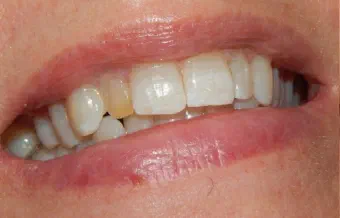
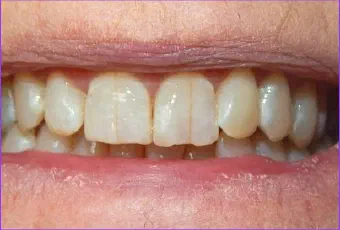
Drag the centre line to compare each real case treated by our dental team. Every smile begins with a personal assessment and a plan shaped around the patient.
Areas We Serve
Located in Cookstown, Innisfil, our dental team welcomes patients from communities across South Simcoe, Barrie, and northern York Region.
Don’t see your community listed? Contact us—we regularly welcome patients from throughout the surrounding region.
Google reviews
Read what patients have shared about their visits to Cookstown Dental Centre.
Your next step
Whether you are new to the clinic or returning for care, our team is here to make booking simple and answer your questions.