Cookstown Dental Centre
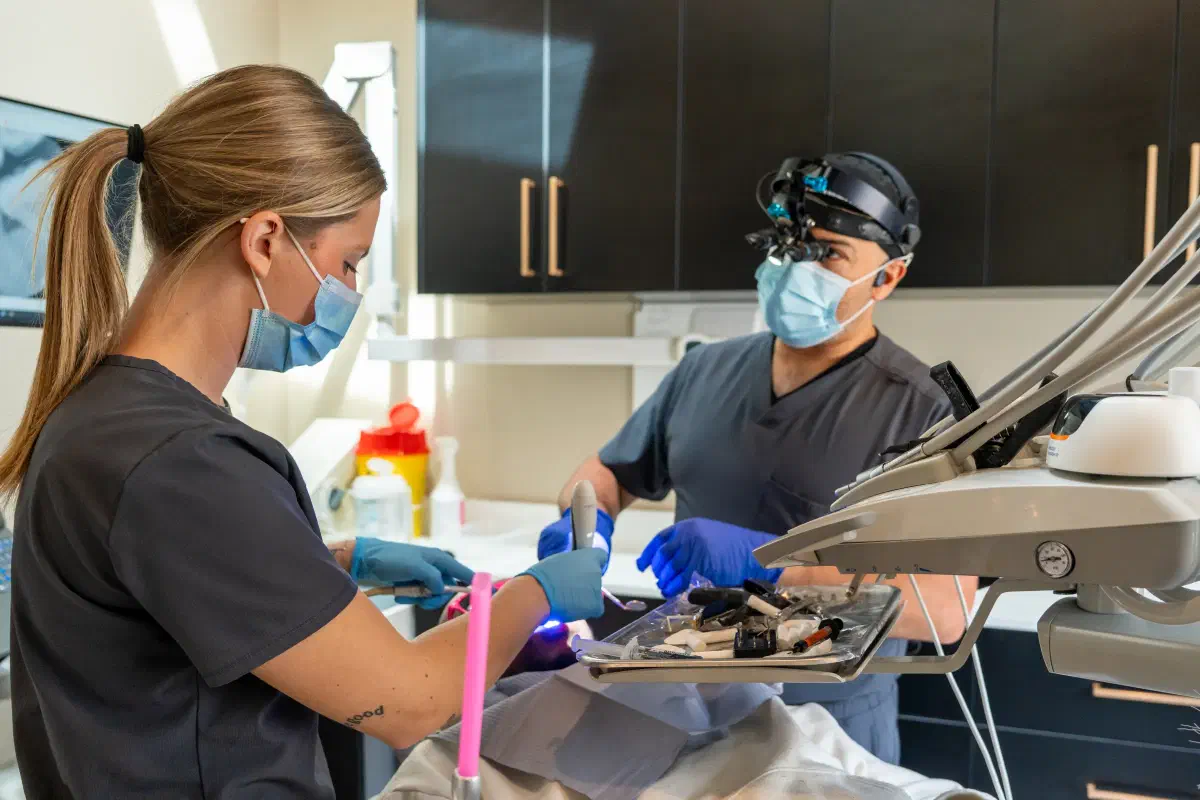
The Cookstown Dental Centre team caring for a patient in a treatment room

Children’s Dentistry · Cookstown

Make room for curiosity, movement, and little teeth.

Toddler dental visits combine a gentle assessment, practical parent guidance, and an introduction to care that fits a young child’s attention and comfort.

Request an appointment

Let’s find a time that works.

Need urgent dental help? Call (705) 291-2222.

Toddler Dental Visits in Cookstown

A useful visit does not require a perfectly still toddler.

Toddlers explore, move, and change their minds quickly. A dental appointment needs to make room for that stage of life. Whether your child is returning after an infant visit or meeting a dentist for the first time, the aim is to understand their oral health and help you manage the everyday routines around growing teeth.

At Cookstown Dental Centre, we talk with the caregiver, introduce the setting in simple steps, and adapt the examination to what can be assessed safely. We can discuss brushing struggles, feeding patterns, new teeth, and bumps that happen during active play. Your child does not need to earn a visit by being cooperative, and you do not need to arrive with every routine already working perfectly.

A toddler sitting on a parent’s lap while a dentist introduces a dental mirror

Care that fits

Focus on the questions that belong to toddlerhood.

A toddler’s appointment should reflect the changes you are seeing at home. Bring your concerns in ordinary language rather than trying to decide which are dental problems first.

New teeth and changing habits

Tell us about teeth coming through, chewing preferences, pacifier use, or thumb sucking. We can discuss what is expected and which findings need review. A pattern that was useful during infancy may need adjustment as your child grows, and the visit is a chance to plan that transition.

Brushing that has become a battle

Describe when brushing becomes difficult and what your toddler seems to dislike. It may be the taste, position, texture, or timing. A demonstration can help you see small teeth more clearly and use a calm, repeatable approach, with suitable product advice based on age and cavity risk.

Falls and mouth changes

Active toddlers sometimes bump their mouths. Mention any chipped, displaced, darkened, or unusually loose tooth, even if the event was not recent. Tell us about swelling, pain, or a change in eating. These details help distinguish a routine developmental question from something that needs prompt assessment.

Planning together

Prepare without making the visit a big event.

A familiar caregiver and a simple explanation can be helpful. Share practical needs beforehand so the appointment can be planned with your toddler in mind.

Pick a realistic time

If possible, request a time that works around naps and meals. Bring a comfort item and the supplies you normally need for an outing. A tired or hungry toddler may find any new setting harder, but an imperfect day does not mean you should feel embarrassed about attending.

Use a short explanation

You might say that the dentist will look at and count the teeth and help keep them clean. Avoid detailed descriptions of procedures that are not planned. Tell the team about fears or previous experiences privately when useful, so we can introduce the visit without adding unnecessary worry.

Bring the routine and history

Have medicine and allergy information available and mention relevant medical care. A photograph of toothpaste or the brush itself can help with advice. Write down the main questions you want answered so they are not forgotten if the appointment includes pauses or your toddler needs more attention.

The appointment

A visit built from manageable moments.

The order and length of each step can change. The team explains what is possible today and what may be better addressed at a later appointment.

  1. Meet at the child’s pace

    We introduce ourselves and the setting in a way that suits your toddler’s attention. A caregiver may help with positioning and reassurance. Tell us what words or gestures your child understands and whether any handling or sensory preferences should shape the examination.

  2. Take a purposeful look

    The dentist assesses the visible teeth and surrounding tissues as safely and comfortably as possible. We explain findings and discuss additional information only when needed. If the examination is limited, we say what remains uncertain and plan how to address it rather than assuming a brief look answers every question.

  3. Leave with a small plan

    We prioritize the advice most relevant to your child, such as cleaning a new molar or adjusting a particular routine. Ask for a demonstration if words alone are not enough. Before leaving, confirm the review timing and which symptoms should prompt contact sooner.

Understanding the options

Separate routine guidance from a new concern.

A planned visit supports prevention and familiarity. New symptoms may need different timing, even if another appointment is already booked.

Routine developmental questions

Teething, brushing support, cup use, and habit changes can be discussed at a planned visit when your child is otherwise well. Keep a short list of observations and bring the products you use. We can help you choose manageable changes without expecting every part of toddler care to follow a rigid schedule.

Pain, swelling, or injury

Call about persistent pain, a mouth injury, swelling, or a child avoiding food because of discomfort. Do not assume these are simply teething. Breathing or swallowing difficulty, rapidly spreading facial swelling, or a seriously unwell child requires immediate emergency medical attention rather than waiting for a routine dental visit.

Frequently asked questions

Questions about toddler dental visits

Is it too late for a first visit at age two or three?

No. Book now and tell us your child’s age and any symptoms or concerns. Although early infant assessment is recommended, the useful next step is care that fits today’s needs. There is no benefit in postponing because an earlier milestone was missed.

What if my toddler will not sit in the chair?

A toddler may need a caregiver-supported position or a gradual introduction. We discuss what can be assessed safely and adapt where appropriate. If the visit is limited, we explain the next step rather than treating cooperation as a pass-or-fail requirement.

Will the dentist clean all the teeth?

The amount of cleaning depends on the child’s needs and ability to manage the visit. An examination and caregiver guidance may be the main focus. The team explains what was completed and whether another appointment is useful for further care.

What toothpaste should we bring?

Bring the product you currently use, or a clear photograph of the label. For children under three, discuss fluoride recommendations based on cavity risk in line with Canadian guidance. We can show an appropriate amount and explain how advice changes as the child grows.

Should I stop a pacifier before the visit?

You can discuss the current routine at the appointment without making a sudden change solely for the visit. Tell us when and how often it is used. Guidance should consider age, dental findings, and a supportive plan the family can manage.

What if a toddler’s tooth changes colour after a fall?

Arrange dental advice and mention when the injury happened, even if there is no current pain. A colour change needs interpretation alongside examination findings. Swelling, a gum bump, discomfort, or a changed bite are additional reasons to contact the clinic promptly.

How often should a toddler return?

The interval depends on oral health, cavity risk, development, and what could be assessed at the visit. The dentist explains the reason for the recommended timing. Contact us earlier for a new concern rather than waiting automatically for the next routine review.

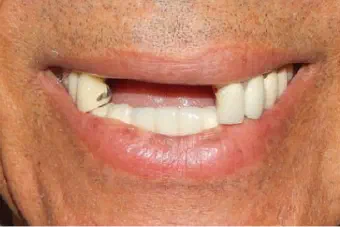
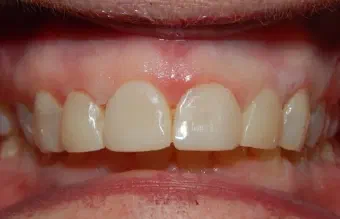
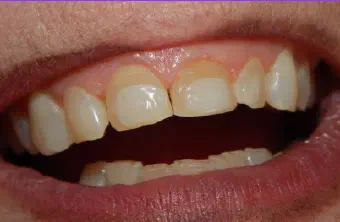
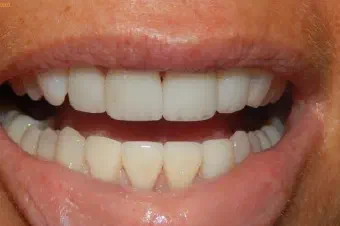
Real patient results

Before & after smile gallery.

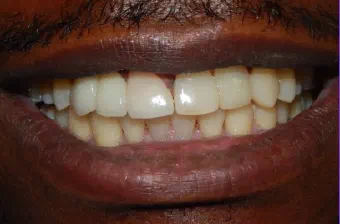
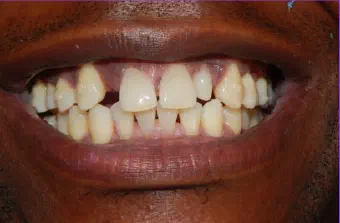
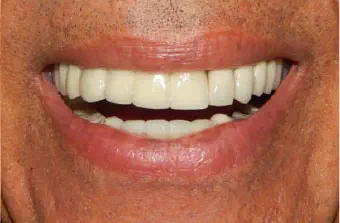
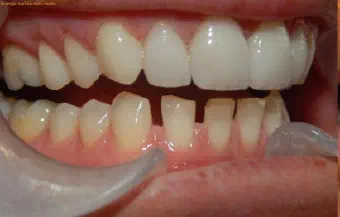
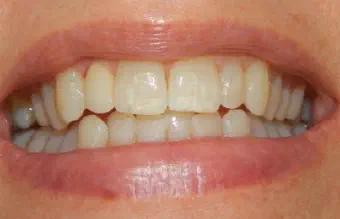
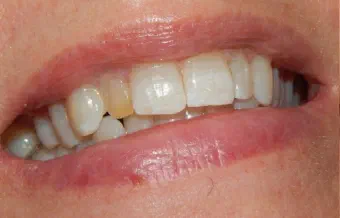
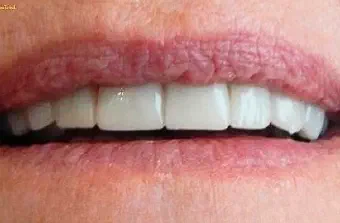
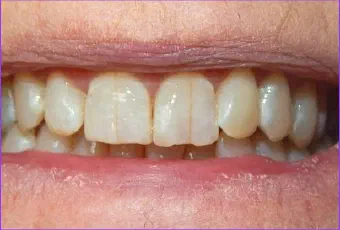
Drag the centre line to compare each real case treated by our dental team. Every smile begins with a personal assessment and a plan shaped around the patient.

Areas We Serve

Neighbourhood dental care, close to home.

Located in Cookstown, Innisfil, our dental team welcomes patients from communities across South Simcoe, Barrie, and northern York Region.

Get directions
  • Cookstown
  • Innisfil
  • Simcoe
  • Lake Simcoe
  • Alcona
  • Stroud
  • Lefroy–Belle Ewart
  • Gilford
  • Churchill
  • Sandy Cove
  • Innisfil Heights
  • Fennell’s Corners
  • Bradford
  • Bradford West Gwillimbury
  • Bond Head
  • Newton Robinson
  • New Tecumseth
  • Alliston
  • Beeton
  • Tottenham
  • Adjala–Tosorontio
  • Everett
  • Loretto
  • Barrie
  • Essa
  • Thornton
  • Baxter
  • Angus
  • Egbert
  • Ivy
  • Utopia
  • York Region
  • East Gwillimbury
  • Queensville
  • Holland Landing
  • Sharon
  • Schomberg
  • Nobleton

Don’t see your community listed? Contact us—we regularly welcome patients from throughout the surrounding region.

Google reviews

Kind words from our patients.

Read what patients have shared about their visits to Cookstown Dental Centre.

A dentist having a friendly consultation with a patient in a bright dental clinic

Your next step

Ready to feel good about your next dental visit?

Whether you are new to the clinic or returning for care, our team is here to make booking simple and answer your questions.

Call Book Now WhatsApp

How can we help?

The Cookstown Dental team is here for you.

Need an appointment, have a question, or want to talk through your options? Choose the next step that works best for you.

Send us a note

We’ll get back to you as soon as we can.