Cookstown Dental Centre
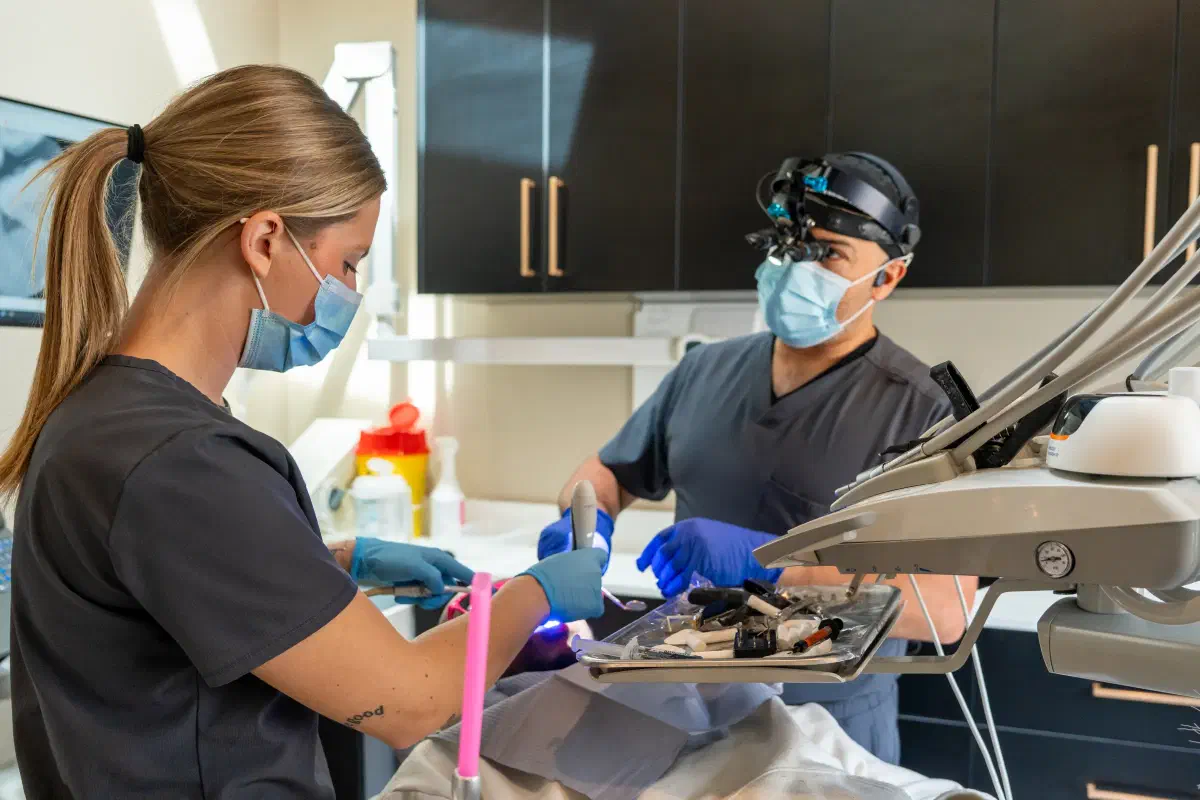
The Cookstown Dental Centre team caring for a patient in a treatment room

Cosmetic Dentistry · Cookstown

Assess a rough, worn, or uneven tooth before changing its shape.

Tooth reshaping may involve smoothing enamel or considering an additive repair. Examine rough edges, wear, bite contacts, and alternatives before treatment.

Request an appointment

Let’s find a time that works.

Need urgent dental help? Call (705) 291-2222.

Tooth Reshaping in Cookstown

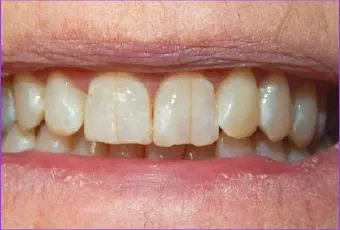
The shape you see may be the result of wear, position, or a small defect.

A rough edge can catch the tongue, a worn tooth can look shorter, and a slightly uneven corner can draw attention in photographs. “Tooth reshaping” is a broad everyday description of changing a tooth’s outline. When it refers to removing small amounts of enamel, it overlaps with enamel reshaping or recontouring; these are not separate procedures that need to be stacked together.

At Cookstown Dental Centre, we assess why the shape has changed and whether removing material is appropriate. A tooth that is already worn may need protection or an additive repair rather than further reduction. The plan considers remaining structure, bite contacts, symptoms, and the result you want. Sometimes a small refinement is reasonable, while other cases call for bonding, movement, restorative care, or simply monitoring a harmless variation.
A dentist assessing a tooth-shape concern with an adult patient and dental model

Practical guidance

Start with the reason the edge feels or looks different.

Describe the change and any symptoms before deciding that the tooth only needs smoothing.

A newly rough or chipped corner

A recent chip may be superficial, but it can also relate to injury, decay, or a larger crack. Explain how it happened and whether there is pain or sensitivity. The dentist assesses the tooth before removing an edge that may be only the visible part of a more significant problem.

A gradually worn or shortened tooth

Wear can change length and bite contacts over time. Removing more enamel may make the tooth shorter or expose a more sensitive surface. The clinician considers the pattern and contributing factors, including relevant habits, so treatment does not focus only on making an already reduced tooth look even.

An irregularity that has always been present

A natural corner or slight difference in shape may be healthy and stable. Discuss how much it bothers you and what level of change you want. Observation is a reasonable option when there is no clinical need, especially if the desired adjustment would sacrifice sound enamel for a modest visual benefit.

Understanding the options

Removing, adding, and moving have different effects.

The best option depends on whether the concern is excess contour, missing structure, or tooth position.

A small enamel refinement

Careful smoothing or recontouring may be suitable when there is enough enamel and the proposed change is limited. The removed material does not grow back. The dentist explains the boundary of the adjustment and checks how it would affect length, contacts, and the appearance of adjacent teeth.

An additive or positional solution

Bonding can add selected shape, while orthodontic movement changes position rather than simply shortening an edge. These approaches bring different costs, maintenance, and timing. They may be more appropriate when the tooth is small, worn, or tilted, but suitability still depends on the examination and the intended result.

What we consider

Protect the features that make the tooth function well.

An edge is part of a working tooth, not an isolated line on a photograph.

Remaining enamel and sensitivity

The clinician assesses whether reduction would stay within appropriate limits and whether symptoms require another investigation. A tooth with erosion, wear, or existing sensitivity may not be a good candidate for further removal. There is no universal amount that can safely be filed from every tooth.

Contacts during biting and movement

The way the teeth meet can influence whether an edge is repeatedly loaded or chipped. Cosmetic reshaping should account for those contacts. A bite concern may need a broader assessment rather than an unsupervised adjustment designed only to make front teeth appear equal in length.

Proportion and neighbouring teeth

Shortening one corner changes how that tooth relates to the others. The dentist discusses whether the proposed contour would look balanced without creating an unnecessarily flat or shortened appearance. If achieving symmetry would require more removal than is appropriate, a different option or a smaller goal should be considered.

Step by step

Agree on a modest endpoint and review it carefully.

A small procedure still deserves an explanation of what will change and how the result will be assessed.

  1. Examine and define the change

    The dentist reviews the tooth, symptoms, and relevant bite findings, then discusses alternatives. Identify the exact edge or contour being considered. The plan should make the irreversible nature of enamel removal clear and avoid implying that a larger change can always be made later without consequence.

  2. Carry out the selected treatment

    If a refinement is appropriate, it is performed conservatively and the surface is finished. If bonding or another procedure is chosen, its preparation and maintenance are explained separately. Different approaches should not be bundled under the vague promise that the tooth will simply be reshaped until it looks right.

  3. Check comfort and future care

    The clinician reviews the contour and relevant contacts, and explains what to report afterward. Persistent sensitivity, an altered bite, or repeated chipping needs reassessment. If wear contributed to the concern, the care plan should also address monitoring and appropriate management of the underlying pattern.

Frequently asked questions

Questions about tooth reshaping

Is tooth reshaping different from enamel recontouring?

The terms often overlap when they refer to removing small amounts of enamel to refine a contour. Tooth reshaping can also be used more broadly in conversation. Ask exactly which procedure is proposed and whether it removes structure, adds material, or changes position.

Can a rough tooth be smoothed without a filling?

Sometimes, if the defect is small and smoothing is appropriate for the remaining structure and bite. A deeper chip or weakened area may need a restoration. The dentist should assess the cause and extent rather than assume every rough edge only needs polishing.

Can a worn tooth be made even by shortening its neighbours?

That may sacrifice healthy structure and is not automatically a sensible solution. The clinician assesses the wear pattern and alternatives, including additive care where suitable. Cosmetic symmetry should be weighed against preserving tooth structure and function.

Will enamel grow back after reshaping?

No. Enamel removed during recontouring does not regrow. That is why the proposed amount and alternatives need careful discussion. A small-looking change should still be treated as an irreversible decision rather than a trial that can simply be undone.

Can reshaping correct a crooked tooth?

It may alter a visible edge but does not reposition the tooth or its root. If position is the main concern, orthodontic assessment may be more appropriate. The dentist explains whether a cosmetic contour change would create an acceptable improvement or an undesirable compromise.

Is home tooth filing safe?

Do not file or reshape teeth yourself. It can remove enamel unpredictably, change contacts, and cause damage or sensitivity. A rough or uneven area should be assessed so any treatment is based on the tooth’s condition and the actual cause.

What if the same edge keeps chipping?

Repeated chipping needs assessment of the tooth, restoration if present, and bite or habits that may contribute. Repeatedly smoothing the area may shorten it without addressing the problem. The dentist can discuss repair and prevention based on the findings.

Real patient results

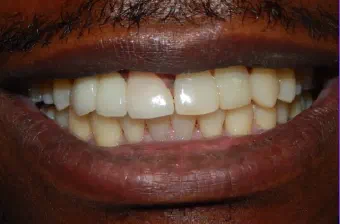
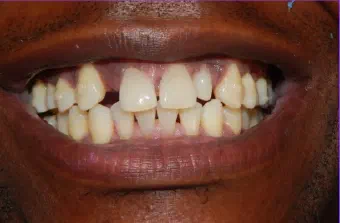
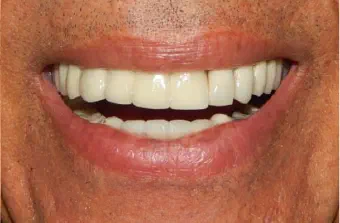
Before & after smile gallery.

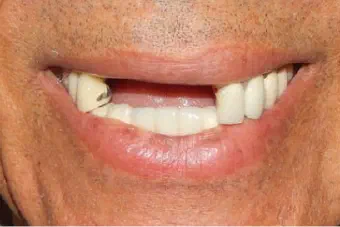
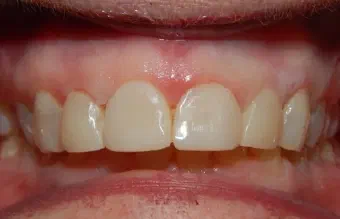
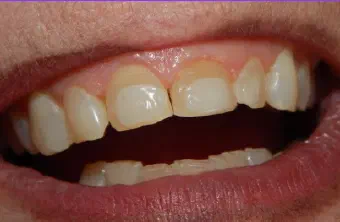
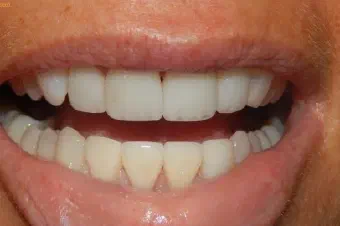
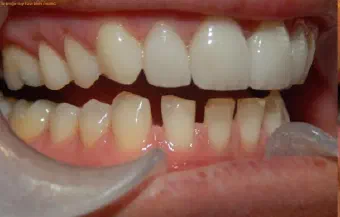
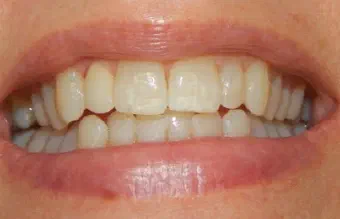
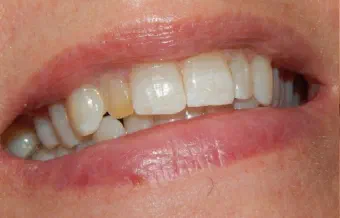
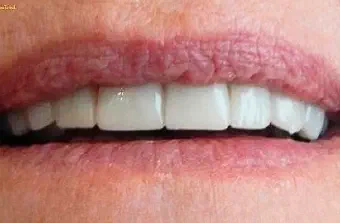
Drag the centre line to compare each real case treated by our dental team. Every smile begins with a personal assessment and a plan shaped around the patient.

Areas We Serve

Neighbourhood dental care, close to home.

Located in Cookstown, Innisfil, our dental team welcomes patients from communities across South Simcoe, Barrie, and northern York Region.

Get directions
  • Cookstown
  • Innisfil
  • Simcoe
  • Lake Simcoe
  • Alcona
  • Stroud
  • Lefroy–Belle Ewart
  • Gilford
  • Churchill
  • Sandy Cove
  • Innisfil Heights
  • Fennell’s Corners
  • Bradford
  • Bradford West Gwillimbury
  • Bond Head
  • Newton Robinson
  • New Tecumseth
  • Alliston
  • Beeton
  • Tottenham
  • Adjala–Tosorontio
  • Everett
  • Loretto
  • Barrie
  • Essa
  • Thornton
  • Baxter
  • Angus
  • Egbert
  • Ivy
  • Utopia
  • York Region
  • East Gwillimbury
  • Queensville
  • Holland Landing
  • Sharon
  • Schomberg
  • Nobleton

Don’t see your community listed? Contact us—we regularly welcome patients from throughout the surrounding region.

Google reviews

Kind words from our patients.

Read what patients have shared about their visits to Cookstown Dental Centre.

A dentist having a friendly consultation with a patient in a bright dental clinic

Your next step

Ready to feel good about your next dental visit?

Whether you are new to the clinic or returning for care, our team is here to make booking simple and answer your questions.

Call Book Now WhatsApp

How can we help?

The Cookstown Dental team is here for you.

Need an appointment, have a question, or want to talk through your options? Choose the next step that works best for you.

Send us a note

We’ll get back to you as soon as we can.