Cookstown Dental Centre
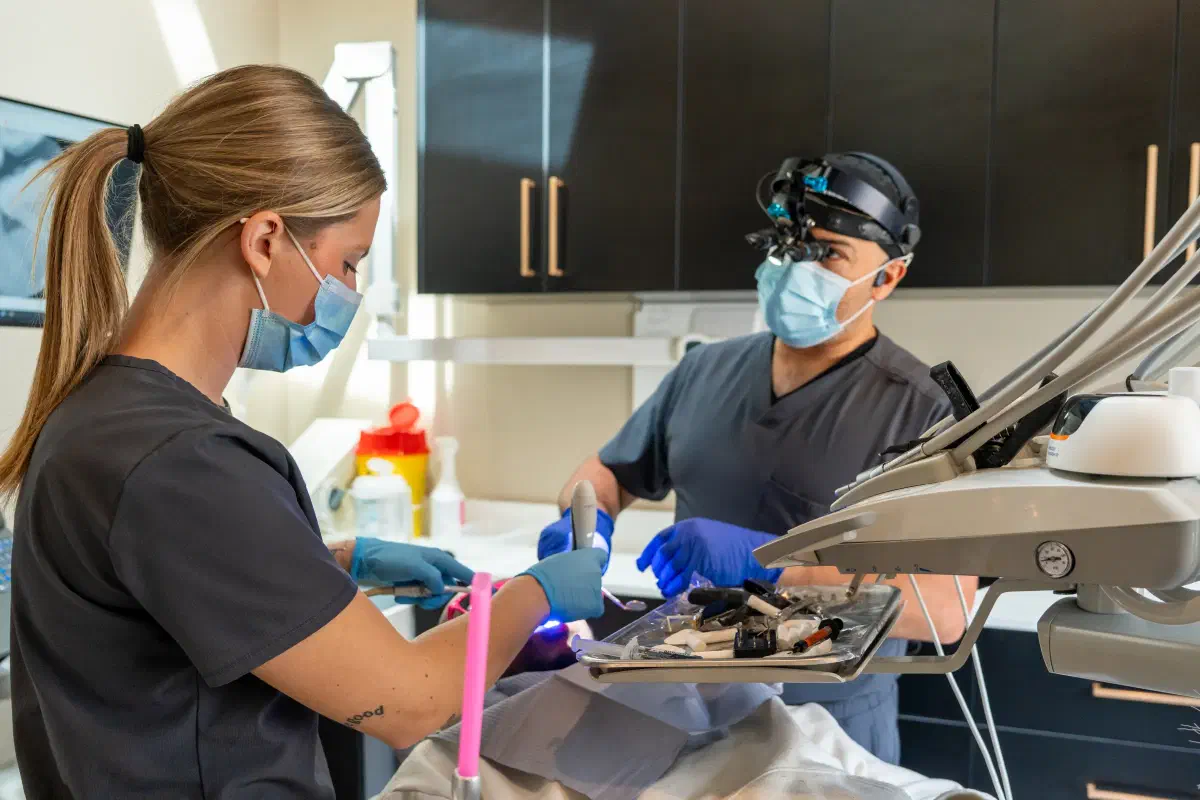
The Cookstown Dental Centre team caring for a patient in a treatment room

Restorative Dentistry · Cookstown

Assess grinding-related wear before rebuilding the bite.

Grinding can contribute to tooth wear, chips, and restoration damage. Explore assessment, protective appliances, repair choices, and monitoring of ongoing changes.

Request an appointment

Let’s find a time that works.

Need urgent dental help? Call (705) 291-2222.

Tooth Wear from Grinding in Cookstown

A wear pattern needs interpretation before it becomes a treatment plan.

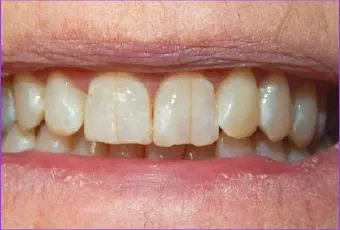
Clenching and grinding can place repeated forces on teeth and restorations. Over time, some people develop worn edges, flattened surfaces, chips, or fractures. However, wear can also involve acid exposure and other factors, and an old wear pattern does not by itself prove that active grinding is occurring now. Symptoms and examination need to be considered together.

At Cookstown Dental Centre, we review the tooth damage, your history, current discomfort, and the effect on daily function. Care may involve monitoring, selected repairs, discussion of a protective appliance, or a more coordinated restorative plan when damage is extensive. A guard is intended to help protect in appropriate cases; it should not be presented as a guaranteed cure for grinding, jaw symptoms, or an underlying sleep-related condition.
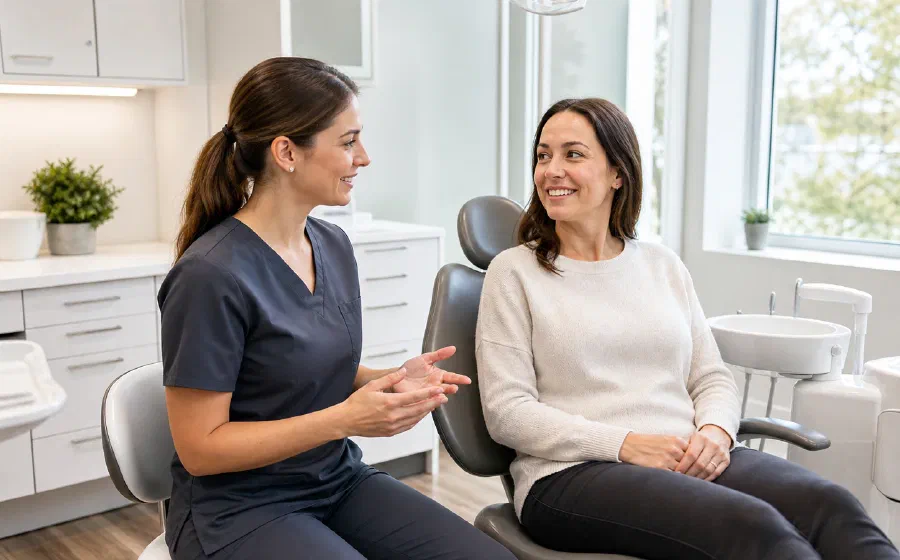
A dentist discussing tooth wear and a protective dental appliance with a patient

What we consider

Separate evidence of wear from assumptions about its cause.

The assessment combines the pattern with current symptoms and history.

The distribution of tooth and restoration damage

The dentist looks at worn surfaces, chips, cracks, and changes in existing restorations. The pattern can suggest loading but may overlap with erosion or other wear. Different contributing factors may require different preventive measures, so the plan should not be based on one flattened edge alone.

Daytime and sleep-related observations

Tell the clinician about clenching awareness, morning symptoms, comments from a partner, or changes during stressful periods. These observations are useful but do not independently establish every diagnosis. Relevant sleep or medical concerns may need coordination with another clinician rather than being treated solely through dental restoration.

Pain, sensitivity, and functional changes

Jaw discomfort, tooth sensitivity, and altered chewing can have more than one cause. The dentist evaluates the teeth and relevant structures before linking every symptom to grinding. A cracked tooth or pulp problem may need its own treatment even when a broader force pattern is also present.

Understanding the options

Distinguish protection from a promise to stop the habit.

Different interventions have different aims and limits.

A professionally assessed protective appliance

A suitable appliance may be considered to help protect teeth and restorations from loading. Its design, fit, and instructions depend on the case. It does not guarantee that grinding will stop, and it should be reviewed if it causes discomfort, no longer fits, or shows significant damage.

Awareness and coordinated care where relevant

Daytime habits, sleep concerns, medications, and other factors may enter the discussion according to the history. The dental team can help identify when medical input is appropriate. Avoid self-directed medication changes or assuming that altering the bite is a universal solution for grinding or sleep-related problems.

Care that fits

Decide which damaged areas actually need restoration.

Some wear can be monitored while specific defects need protection or repair.

Localized chips and worn edges

Selected areas may be suitable for smoothing, bonding, or another focused repair after the tooth is assessed. The amount of remaining structure and ongoing loading affect suitability. A small visible defect should not automatically lead to a full crown, and any repair’s limitations should be explained.

More extensive loss of support or function

Larger defects may require coverage or a staged rehabilitation plan. The bite, space, remaining tooth, and cause-management strategy are considered together. Rebuilding many teeth is a substantial decision and should follow a clear diagnosis and discussion of alternatives rather than a general claim that all worn teeth must be crowned.

Practical guidance

Watch for changes that need reassessment.

Protective care works alongside reporting new symptoms and maintaining the teeth.

Persistent tooth pain or a sudden fracture

A tooth that hurts when biting, develops swelling, or loses a cusp needs assessment of the specific problem. Do not attribute every new symptom to your known grinding history. Avoid repeatedly testing a painful tooth and contact the clinic for guidance on timing and interim care.

An appliance that no longer fits or changes comfort

Do not heat, bend, or reshape a professional appliance yourself. Bring it to review if it becomes tight, loose, rough, or uncomfortable. Continued cleaning and storage instructions matter, and any new restoration should prompt a check that the appliance still seats appropriately.

Frequently asked questions

Questions about tooth wear from grinding

Do flat teeth prove that I grind at night?

No. Wear can reflect several causes and may have developed over a long period. The pattern, symptoms, and history help guide assessment. Active sleep grinding should not be assumed solely from the appearance of one or more flattened teeth.

Will a night guard stop grinding completely?

A protective appliance may help manage the effects of loading in suitable cases, but it does not guarantee that grinding stops. The intended purpose and limits should be explained. Symptoms and appliance fit need review rather than treating it as a permanent cure.

Does every worn tooth need a crown?

No. Monitoring, preventive measures, and localized repair may be suitable for some areas. More extensive coverage depends on the remaining structure and functional needs. A full restorative plan should be justified tooth by tooth and in the context of the wider bite.

Can grinding and acid erosion happen together?

Yes. Different wear processes can contribute to the same overall damage pattern. The assessment considers exposure history and structural findings so prevention addresses relevant causes. A guard does not replace management of ongoing acid exposure when that is also present.

Will fixing my bite cure jaw pain?

That should not be promised. Jaw symptoms can have several causes and need an appropriate assessment. Irreversible bite changes are not a universal cure for grinding or jaw pain, and restorative treatment should have a clear diagnosis and purpose.

Can I keep using my old guard after new crowns?

Its fit should be checked because new contours can change how it seats. Do not force it over the restorations or reshape it yourself. Adjustment or replacement may be needed according to the appliance and extent of the restorative changes.

What if I keep breaking fillings despite wearing a guard?

Repeated failure deserves reassessment of the teeth, restorations, bite, appliance fit, and other contributing factors. A guard cannot eliminate every risk. The dentist should review the pattern and explain whether the restorative design or broader care plan needs to change.

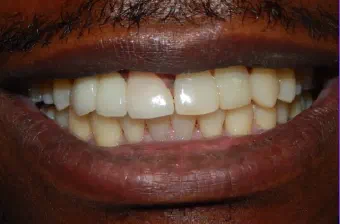
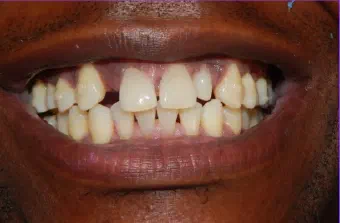
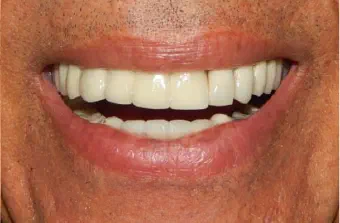
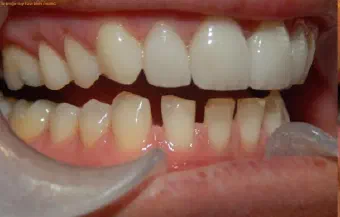
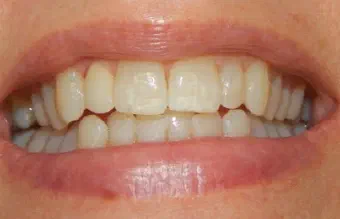
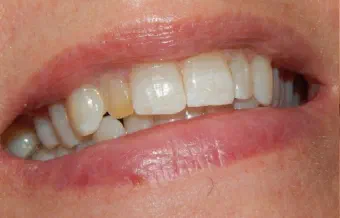
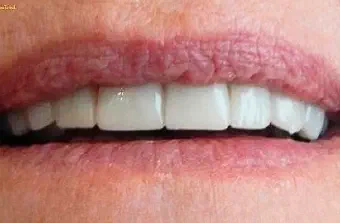
Real patient results

Before & after smile gallery.

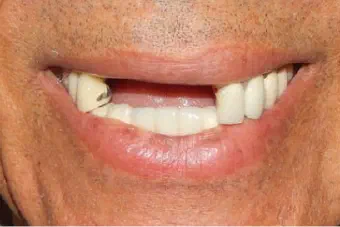
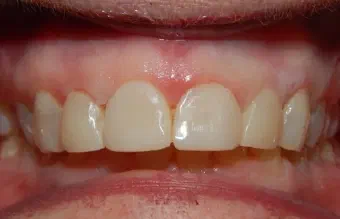
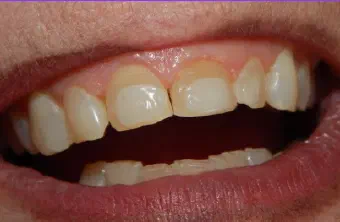
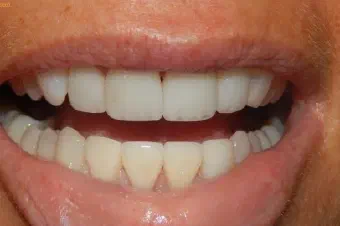
Drag the centre line to compare each real case treated by our dental team. Every smile begins with a personal assessment and a plan shaped around the patient.

Areas We Serve

Neighbourhood dental care, close to home.

Located in Cookstown, Innisfil, our dental team welcomes patients from communities across South Simcoe, Barrie, and northern York Region.

Get directions
  • Cookstown
  • Innisfil
  • Simcoe
  • Lake Simcoe
  • Alcona
  • Stroud
  • Lefroy–Belle Ewart
  • Gilford
  • Churchill
  • Sandy Cove
  • Innisfil Heights
  • Fennell’s Corners
  • Bradford
  • Bradford West Gwillimbury
  • Bond Head
  • Newton Robinson
  • New Tecumseth
  • Alliston
  • Beeton
  • Tottenham
  • Adjala–Tosorontio
  • Everett
  • Loretto
  • Barrie
  • Essa
  • Thornton
  • Baxter
  • Angus
  • Egbert
  • Ivy
  • Utopia
  • York Region
  • East Gwillimbury
  • Queensville
  • Holland Landing
  • Sharon
  • Schomberg
  • Nobleton

Don’t see your community listed? Contact us—we regularly welcome patients from throughout the surrounding region.

Google reviews

Kind words from our patients.

Read what patients have shared about their visits to Cookstown Dental Centre.

A dentist having a friendly consultation with a patient in a bright dental clinic

Your next step

Ready to feel good about your next dental visit?

Whether you are new to the clinic or returning for care, our team is here to make booking simple and answer your questions.

Call Book Now WhatsApp

How can we help?

The Cookstown Dental team is here for you.

Need an appointment, have a question, or want to talk through your options? Choose the next step that works best for you.

Send us a note

We’ll get back to you as soon as we can.